


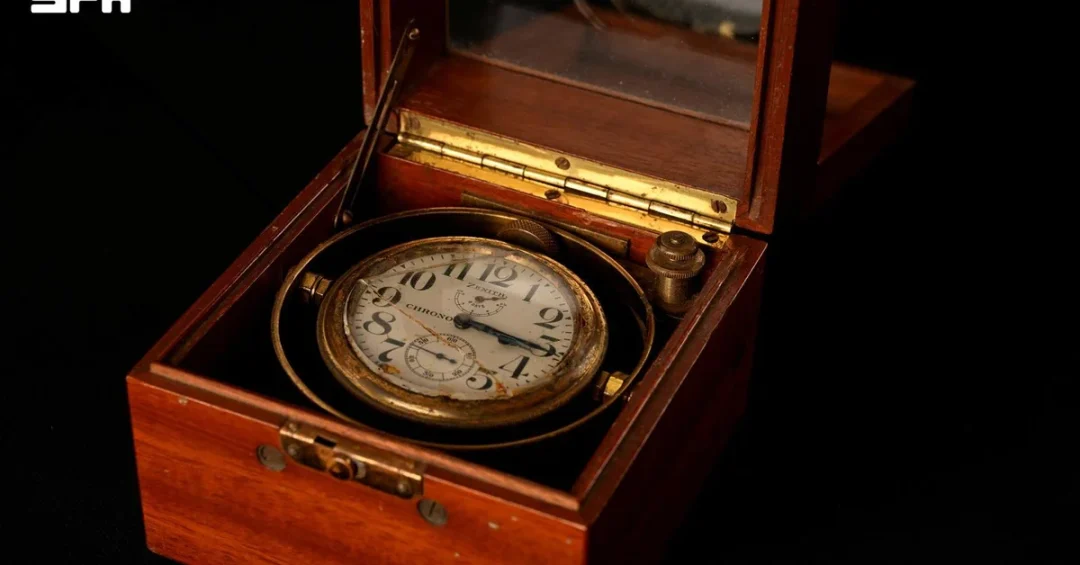
The Makkah Observatory, one of the most prominent astronomical institutions in the Islamic world, began as a 1947 initiative proposed by Sheikh Mohammed Abdul Razzaq Hamza, a teacher at the Grand Mosque and Dar Al-Hadith, who urged the creation of a dedicated facility in Makkah to observe crescent moons and celestial bodies, according to documentation released by the King Abdulaziz Foundation and reported by the Saudi Press Agency (SPA). The proposal marked the beginning of organized astronomical work in the holy city and laid the foundation for a scientific tradition that continues today.
Context and Background
The recorded history of the observatory, preserved by the King Abdulaziz Foundation, dates to 1366 AH (1947), when Sheikh Mohammed Abdul Razzaq Hamza put forward the idea of establishing a specialist astronomical observatory in Makkah dedicated to moon sighting and the accurate determination of religious timing. His proposal was driven by a genuine passion for practical astronomy and a strong interest in developing the observation tools available at the time.
As King Saud bin Abdulaziz Al Saud, then Crown Prince, was preparing for a visit to the United States, the Sheikh submitted a letter explaining the need for modern astronomical equipment, including a theodolite and a sextant. He highlighted their importance in measuring celestial positions and accurately determining astronomical angles, while also noting the high cost and the difficulty of obtaining such instruments during that era.
Key Details
The request received support and attention, and the relevant authorities were directed to secure the required equipment. The instruments later arrived in Makkah as part of a shipment containing several advanced astronomical devices of that period, enabling systematic observation to begin.
The observatory established its first headquarters atop Mount Abu Qubais, one of the most prominent locations overlooking the Grand Mosque, where astronomical observation and moon-sighting activities commenced. This marked the start of organized astronomical work in Makkah and gave the initiative a permanent scientific home.
With advances in modern observation technologies, the Makkah Observatory later moved to the Clock Tower, becoming one of the leading specialized astronomical observatories in the Islamic world. It is equipped with advanced telescopes and instruments used for moon sighting, particularly the crescents of Ramadan and Shawwal, as well as for accurately determining prayer times throughout the year.
International Impact
The observatory’s work carries significance well beyond Saudi Arabia’s borders. Because the sighting of the crescent moon determines the beginning of major Islamic months and religious observances, its findings are followed by Muslim communities across the world. The facility also supports the Two Holy Mosques and the millions of pilgrims who travel to Makkah each year, helping to ensure that rites and worship are conducted according to precise astronomical timing.
By combining a long institutional history with contemporary instrumentation, the Makkah Observatory reflects the Kingdom’s continued commitment to astronomical sciences and to the responsible, accurate measurement of celestial phenomena. Its dual role, serving both religious observance and scientific research, gives it a distinctive position among observatories regionally and internationally.
Vision 2030 Alignment
The observatory’s evolution from a modest proposal in 1947 to a modern scientific facility aligns closely with Vision 2030, which emphasizes innovation, knowledge development, and the enhancement of services connected to the Two Holy Mosques and their visitors. Strengthening astronomical capability supports the Kingdom’s broader goals of scientific advancement, improved quality of life, and an enriched experience for pilgrims. As Saudi Arabia continues to invest in research and advanced technology, the Makkah Observatory stands as a lasting example of how early scientific ambition can grow into a lasting national asset.
20 Questions
Q1. What is the Makkah Observatory?
A1. It is a specialized Saudi astronomical observatory in Makkah dedicated to moon sighting, particularly the crescents of Ramadan and Shawwal, and to determining prayer times accurately. It developed from an early initiative launched in 1947 and today operates from the Clock Tower with modern telescopes and instruments.
Q2. When did the idea for the observatory first emerge?
A2. The idea dates to 1366 AH, corresponding to 1947, when Sheikh Mohammed Abdul Razzaq Hamza proposed establishing an astronomical observatory in Makkah. The King Abdulaziz Foundation documented this early initiative, which focused on observing crescent moons and celestial bodies.
Q3. Who proposed the creation of the observatory?
A3. Sheikh Mohammed Abdul Razzaq Hamza, a teacher at the Grand Mosque and Dar Al-Hadith, proposed it. Driven by his passion for practical astronomy and interest in developing observation tools, he advocated for modern equipment to support accurate astronomical measurement in Makkah.
Q4. What equipment was requested for the observatory?
A4. The Sheikh requested modern astronomical equipment including a theodolite and a sextant. He explained their importance in measuring celestial positions and determining astronomical angles accurately, while also noting the high cost and difficulty of obtaining such instruments at the time.
Q5. Why was a letter submitted to Crown Prince Saud?
A5. As King Saud bin Abdulaziz Al Saud prepared for a visit to the United States, the Sheikh submitted a letter to him explaining the need for modern astronomical equipment. The request received support and attention, and authorities were then directed to secure the instruments.
Q6. How did the astronomical equipment arrive in Makkah?
A6. The relevant authorities were directed to secure the required instruments, and they later arrived in Makkah as part of a shipment containing several advanced astronomical instruments of that era. This delivery enabled organized astronomical observation to begin in the holy city.
Q7. Where was the observatory’s first headquarters?
A7. The observatory established its first headquarters atop Mount Abu Qubais, one of the most prominent locations overlooking the Grand Mosque. Astronomical observation and moon-sighting activities began there, marking the start of organized astronomical work in Makkah.
Q8. Where is the observatory located now?
A8. With advances in modern observation technologies, the Makkah Observatory later moved to the Clock Tower, where it now operates as one of the leading specialized astronomical observatories in the Islamic world, equipped with advanced telescopes and instruments.
Q9. What does the observatory observe?
A9. The observatory focuses on moon sighting, particularly the crescent moons of Ramadan and Shawwal, which determine the start of key Islamic months and religious observances. It also supports the accurate determination of prayer times throughout the year.
Q10. Why is sighting the Ramadan crescent important?
A10. Sighting the Ramadan crescent marks the beginning of the holy month of fasting for Muslims worldwide. Reliable astronomical observation in Makkah supports this process and helps provide authoritative guidance for religious timing across the Islamic world.
Q11. How does the observatory serve pilgrims?
A11. The observatory serves the Two Holy Mosques and pilgrims by supporting accurate astronomical timing for religious observances. Its work contributes to the organized scheduling of rites and helps worshippers follow correct timings during Hajj and Umrah seasons.
Q12. What technologies does the observatory use?
A12. It is equipped with advanced telescopes and modern instruments for moon sighting and astronomical timing. These technologies reflect continued investment in observation capabilities and support precise measurement of celestial positions and angles.
Q13. Who documented the history of the observatory?
A13. The King Abdulaziz Foundation documented the history of the observatory’s establishment. The Saudi Press Agency reported these details, highlighting the early scientific initiative and its connection to serving moon sighting and religious observance timing in the Kingdom.
Q14. What does the observatory’s history demonstrate?
A14. It demonstrates Saudi Arabia’s long-standing commitment to astronomical sciences and to serving the Two Holy Mosques and pilgrims. The initiative shows early investment in scientific tools that support religious timing, observation, and the development of national scientific capability.
Q15. How does the observatory relate to Vision 2030?
A15. It aligns with Vision 2030’s emphasis on science, innovation and knowledge. Enhanced scientific capabilities support the Kingdom’s broader goals of modernization, improved quality of life, and better service to the millions of worshippers who visit the holy sites.
Q16. What is a theodolite used for?
A16. A theodolite is an instrument used to measure horizontal and vertical angles. In astronomy it helps determine celestial positions and angular distances, supporting accurate observation of the moon and stars during scheduled sighting activities.
Q17. What is a sextant used for?
A17. A sextant measures the angular distance between two visible objects. Historically important in navigation and astronomy, it assisted early observers in Makkah in determining celestial positions and angles accurately with the tools available at the time.
Q18. Why is Mount Abu Qubais significant?
A18. Mount Abu Qubais is one of the most prominent locations overlooking the Grand Mosque, making it suitable for observing the sky above Makkah. Its elevation and proximity to the holy site made it an effective base for early astronomical work.
Q19. What makes the Clock Tower location suitable?
A19. The Clock Tower location offers modern infrastructure, accessibility and space for advanced equipment. It allows the observatory to combine contemporary technology with its historic mission of moon sighting and astronomical timing for the holy city and its visitors.
Q20. What does the future hold for the Makkah Observatory?
A20. The observatory is expected to continue advancing its capabilities, supporting precise moon sighting and astronomical research. Its development reflects Saudi Arabia’s ongoing investment in science and its dedication to serving the Two Holy Mosques and pilgrims.
Reader Feedback
We value your thoughts. Please share your feedback on this article.
Your feedback helps us improve our coverage.