


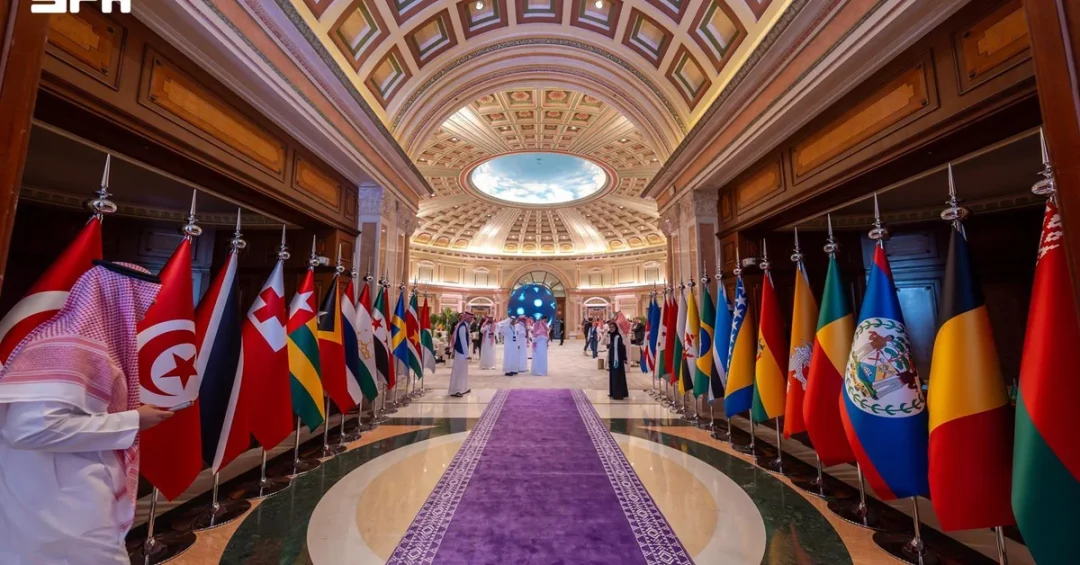
Saudi Arabia has reinforced its standing as a global leader in artificial intelligence governance by chairing a high-level ministerial meeting during the 4th UNESCO Global Forum on the Ethics of AI, held in Riyadh. The meeting, announced by the Saudi Press Agency, concluded with a joint international statement issued in cooperation with UNESCO and the International Center for AI Research and Ethics (ICAIRE), bringing together ministers and representatives from more than 60 countries to advance shared principles for the safe and ethical use of AI.
Context and Background
The Riyadh forum represents a historic milestone, as Saudi Arabia becomes the first Arab country to host a high-level AI ethics dialogue of this scale alongside major international organizations. The gathering arrives amid intensifying global debate over AI safety, the rapid pace of technological change, and the need for coordinated action to mitigate potential risks while unlocking the benefits of innovation.
At the heart of the discussions was the 2021 UNESCO Recommendation on the Ethics of Artificial Intelligence, a landmark global framework adopted by 193 member states. Participants sought to translate its principles into practical, enforceable national policies, positioning global governance as the foundation of international cooperation on AI.
Key Details
The joint statement emphasized inclusivity in AI governance, calling for efforts to bridge infrastructure gaps and prioritize support for the Global South and Africa. It also underscored the importance of ensuring the active involvement of youth and women in regulatory frameworks, reflecting a broad and forward-looking vision for the technology’s future.
According to the Saudi Press Agency, the statement urged member states to strengthen implementation of the UNESCO Recommendation through national governance and capacity-building. It advocated for ethical, safe, and sustainable AI deployment while safeguarding cultural diversity, human rights, and the safety of children and young people in the digital environment.
The meeting brought together governments, international organizations, and leading experts, creating a platform to balance innovation with safety requirements and to foster cross-border cooperation on shared challenges.
Implications and Impact
Saudi Arabia’s chairmanship of the ministerial meeting signals the Kingdom’s emergence as a convening power in global technology diplomacy. By hosting the dialogue in Riyadh, Saudi Arabia has helped elevate the voices of developing nations and reinforce the principle that AI governance must be inclusive, equitable, and rooted in shared human values.
The joint statement is expected to serve as a reference point for national AI strategies worldwide, encouraging governments to adopt governance systems that protect citizens while enabling economic growth. It also strengthens multilateral cooperation at a time when fragmentation in technology regulation poses a risk to global stability and innovation.
Vision 2030 Alignment
Saudi Arabia’s leadership at the UNESCO forum reflects the Kingdom’s wider commitment to responsible innovation under Vision 2030, which prioritizes digital transformation, human capital development, and international partnership. The National Strategy for Data and AI, alongside initiatives such as the Saudi Data and AI Authority (SDAIA), positions the Kingdom as a hub for ethical AI research and policymaking. By championing global dialogue in Riyadh, Saudi Arabia is advancing a future in which technology serves humanity, supports sustainable development, and strengthens the Kingdom’s role as a bridge between nations and cultures.
20 Questions
Q1. What event did Saudi Arabia chair in Riyadh?
A1. Saudi Arabia chaired a high-level ministerial meeting during the 4th UNESCO Global Forum on the Ethics of AI in Riyadh, gathering ministers and representatives from more than 60 countries to discuss global AI governance.
Q2. When did the forum take place?
A2. The 4th UNESCO Global Forum on the Ethics of AI was held in Riyadh, with the ministerial meeting announced by the Saudi Press Agency on September 15, 2026.
Q3. Which organizations cooperated on the joint statement?
A3. The joint statement was issued in cooperation with UNESCO and the International Center for AI Research and Ethics, known as ICAIRE, reflecting broad international partnership on AI governance.
Q4. How many countries participated in the meeting?
A4. Ministers and representatives from over 60 countries took part in the ministerial meeting, underscoring the global significance of the dialogue hosted by Saudi Arabia.
Q5. Why is this gathering considered historic?
A5. It marks a historic milestone because Saudi Arabia became the first Arab country to host such a high-level AI ethics dialogue alongside major international organizations.
Q6. What was the central focus of the discussions?
A6. Participants placed global governance at the core of the dialogue, aiming to translate ethical principles into practical policies and balance innovation with safety requirements.
Q7. Which international framework guided the talks?
A7. The 2021 UNESCO Recommendation on the Ethics of Artificial Intelligence served as the guiding framework, with participants seeking to make it an operational cornerstone for national governance.
Q8. What does the joint statement call on member states to do?
A8. It calls on member states to enhance implementation of the UNESCO Recommendation through national governance and capacity-building, supporting ethical, safe, and sustainable AI deployment worldwide.
Q9. How does the statement address inclusivity?
A9. The statement stresses inclusivity in AI governance, calling for bridging infrastructure gaps and prioritizing support for the Global South and Africa.
Q10. What role does the statement envision for youth and women?
A10. It emphasizes ensuring the active involvement of youth and women in regulatory frameworks, recognizing their importance in shaping inclusive and representative AI policies.
Q11. What values does the statement seek to protect?
A11. The statement aims to protect cultural diversity, human rights, and the safety of children and youth in the digital environment while promoting responsible AI use.
Q12. Who attended the Riyadh meeting?
A12. The meeting brought together governments, international organizations, and experts to discuss cross-border challenges and foster international cooperation on AI ethics.
Q13. What balance did participants seek to achieve?
A13. Participants sought to balance innovation with safety requirements, ensuring that AI development advances responsibly without compromising ethical standards or public trust.
Q14. Why is global coordination on AI important now?
A14. Global coordination is vital amid escalating debate on AI safety and the need to mitigate potential risks, as AI technologies rapidly evolve across borders and sectors.
Q15. What does Saudi Arabia’s chairmanship signal?
A15. It signals Saudi Arabia’s emergence as a convening power in global technology diplomacy, capable of bringing diverse nations together around shared principles for AI governance.
Q16. How might the joint statement affect national AI strategies?
A16. The statement is expected to serve as a reference point for national AI strategies, encouraging governments to adopt governance systems that protect citizens while enabling economic growth.
Q17. How does the forum relate to Vision 2030?
A17. The forum reflects Vision 2030’s commitment to responsible innovation, digital transformation, human capital development, and international partnership in shaping the future of technology.
Q18. Which Saudi bodies support AI development?
A18. The National Strategy for Data and AI and the Saudi Data and AI Authority, known as SDAIA, position the Kingdom as a hub for ethical AI research and policymaking.
Q19. What outcome did the meeting produce?
A19. The meeting culminated in a joint international statement focused on turning ethical principles into practical policies and strengthening international cooperation on AI governance.
Q20. What broader role is Saudi Arabia playing in AI?
A20. Saudi Arabia is advancing a future in which technology serves humanity, supports sustainable development, and strengthens the Kingdom’s role as a bridge between nations and cultures.
Reader Feedback
We value your thoughts. Please share your feedback on this article.
Your feedback helps us improve our coverage.