


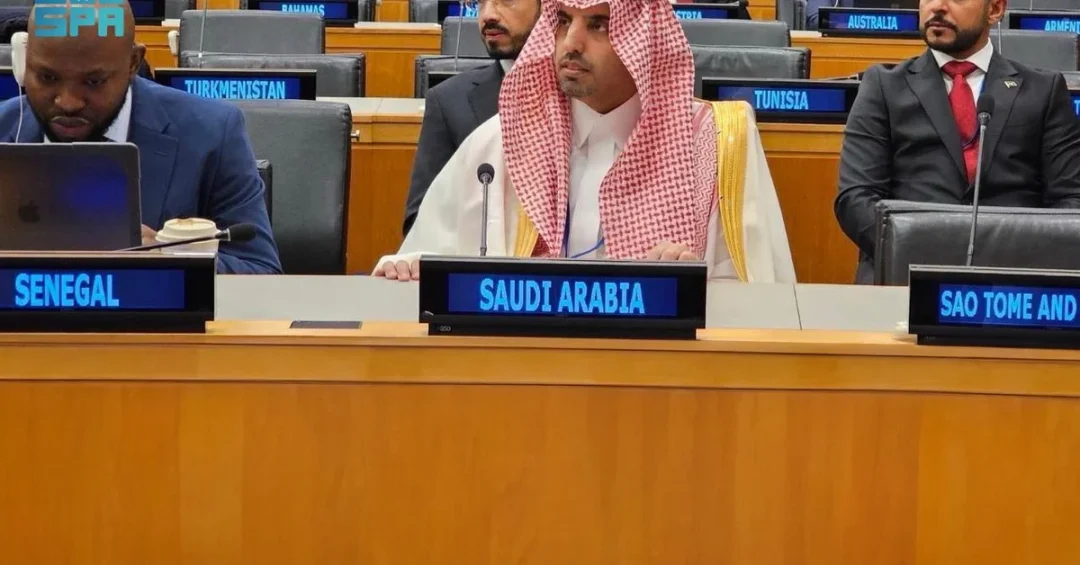
The Kingdom of Saudi Arabia, represented by the National Cybersecurity Authority, participated in a high-level United Nations meeting on “ICT Security Capacity Building” convened by the Open-ended Working Group on the security and safe use of information and communication technologies. The meeting, held in New York, brought together ministers responsible for ICT security from UN member states and the Kingdom’s permanent representative to the United Nations, Ambassador Dr. Abdulaziz bin Mohammed Al-Wasil, to discuss international cooperation on cybersecurity capacity building.
Context and Background
Cybersecurity has become a critical global priority as nations face increasing threats in cyberspace. The United Nations Open-ended Working Group on ICT security serves as a key platform for member states to exchange ideas, share best practices, and build partnerships. Saudi Arabia’s active participation reflects its commitment to international collaboration in this vital field.
The National Cybersecurity Authority (NCA) of Saudi Arabia is at the forefront of the Kingdom’s efforts to protect its digital infrastructure and enhance national cybersecurity. Under the leadership of Eng. Majid bin Mohammed Al-Mazyad, the NCA has implemented robust strategies to safeguard sensitive sectors and promote a safe digital environment.
Key Details
During the meeting, Eng. Majid bin Mohammed Al-Mazyad, Governor of the National Cybersecurity Authority, addressed the importance of strengthening international efforts on capacity building in ICT security to minimize global cyber risks. He emphasized the Kingdom’s keenness to share its successful experience and exchange expertise to enhance cybersecurity internationally, aiming for a safe and trusted cyberspace that contributes to global prosperity.
Al-Mazyad also highlighted Saudi Arabia’s significant strides in building qualified cadres to enhance cybersecurity across various sectors, particularly those with sensitive infrastructure. This focus on human capital development is part of the Kingdom’s broader strategy to lead in cybersecurity both regionally and globally.
Implications and Impact
Saudi Arabia’s participation in this UN meeting underscores its growing role as a global leader in cybersecurity. By sharing its expertise and best practices, the Kingdom contributes to international efforts to combat cyber threats and promote a secure digital environment. This collaboration is essential for fostering trust and stability in cyberspace, which is vital for economic growth and innovation worldwide.
The meeting provided a platform for Saudi Arabia to strengthen partnerships with other nations, paving the way for future cooperation in cybersecurity capacity building. Such international engagement aligns with the Kingdom’s Vision 2030, which seeks to diversify the economy and enhance global partnerships.
Vision 2030 Alignment
Saudi Arabia’s active involvement in the UN meeting on ICT security capacity building is a testament to its commitment to Vision 2030. The Vision aims to transform the Kingdom into a global hub for technology and innovation, with cybersecurity as a cornerstone. By fostering international cooperation and sharing its successful experience, Saudi Arabia not only enhances its own security but also contributes to global digital prosperity. This aligns with Vision 2030’s objectives of creating a diversified, sustainable economy and promoting international collaboration for a secure and prosperous future.
20 Questions
Q1. What was the high-level UN meeting about?
A1. The meeting focused on ICT security capacity building, organized by the Open-ended Working Group on the security and safe use of information and communication technologies.
Q2. Which Saudi entity participated in the meeting?
A2. The National Cybersecurity Authority represented the Kingdom of Saudi Arabia at the meeting.
Q3. Who is the Governor of the National Cybersecurity Authority?
A3. Eng. Majid bin Mohammed Al-Mazyad serves as the Governor of the National Cybersecurity Authority.
Q4. What did Eng. Al-Mazyad emphasize at the meeting?
A4. He emphasized the importance of strengthening international efforts on capacity building in ICT security to minimize global cyber risks.
Q5. How does Saudi Arabia aim to contribute to international cybersecurity?
A5. Saudi Arabia aims to share its successful experience and exchange expertise to enhance cybersecurity globally, promoting a safe and trusted cyberspace.
Q6. What strides has Saudi Arabia made in cybersecurity?
A6. The Kingdom has made great strides in building qualified cadres to enhance cybersecurity for various sectors and entities with sensitive infrastructure.
Q7. Who represented Saudi Arabia at the UN?
A7. Ambassador Dr. Abdulaziz bin Mohammed Al-Wasil, the Kingdom’s permanent representative to the UN, participated in the meeting.
Q8. What is the purpose of the Open-ended Working Group?
A8. It provides a platform for countries to exchange ideas, share best practices, and build partnerships on ICT security.
Q9. Why is capacity building important in ICT security?
A9. Capacity building helps nations develop skills and infrastructure to combat cyber threats and ensure a secure digital environment.
Q10. How does Saudi Arabia’s participation benefit the Kingdom?
A10. It enhances Saudi Arabia’s global standing, fosters partnerships, and allows the Kingdom to contribute to international cybersecurity efforts.
Q11. What is the National Cybersecurity Authority’s role?
A11. The NCA is responsible for protecting Saudi Arabia’s digital infrastructure and enhancing national cybersecurity strategies.
Q12. How does cybersecurity relate to Vision 2030?
A12. Cybersecurity is a cornerstone of Vision 2030, supporting the Kingdom’s goal to become a global technology and innovation hub.
Q13. What are the risks in cyberspace globally?
A13. Risks include cyberattacks, data breaches, and other threats that can disrupt economies and compromise national security.
Q14. How is Saudi Arabia building cybersecurity cadres?
A14. The Kingdom invests in training and education to develop skilled professionals capable of protecting sensitive infrastructure.
Q15. What sectors are considered sensitive infrastructure?
A15. Sectors such as energy, finance, healthcare, and communications are critical and require robust cybersecurity measures.
Q16. What does Saudi Arabia hope to achieve through international cooperation?
A16. The Kingdom aims to enhance global cybersecurity, reduce risks, and contribute to a prosperous digital future for all.
Q17. How does the UN meeting facilitate partnerships?
A17. It brings together ministers and representatives to discuss common challenges and collaborate on solutions.
Q18. What is Saudi Arabia’s stance on cybersecurity?
A18. Saudi Arabia is committed to leading in cybersecurity, both regionally and globally, through proactive measures and international engagement.
Q19. What best practices does Saudi Arabia share?
A19. The Kingdom shares its strategies for capacity building, infrastructure protection, and workforce development in cybersecurity.
Q20. How does this meeting align with Saudi Arabia’s global role?
A20. It reinforces the Kingdom’s position as a responsible global actor, committed to international security and cooperation.
Reader Feedback
We value your thoughts. Please share your feedback on this article.
Your feedback helps us improve our coverage.