


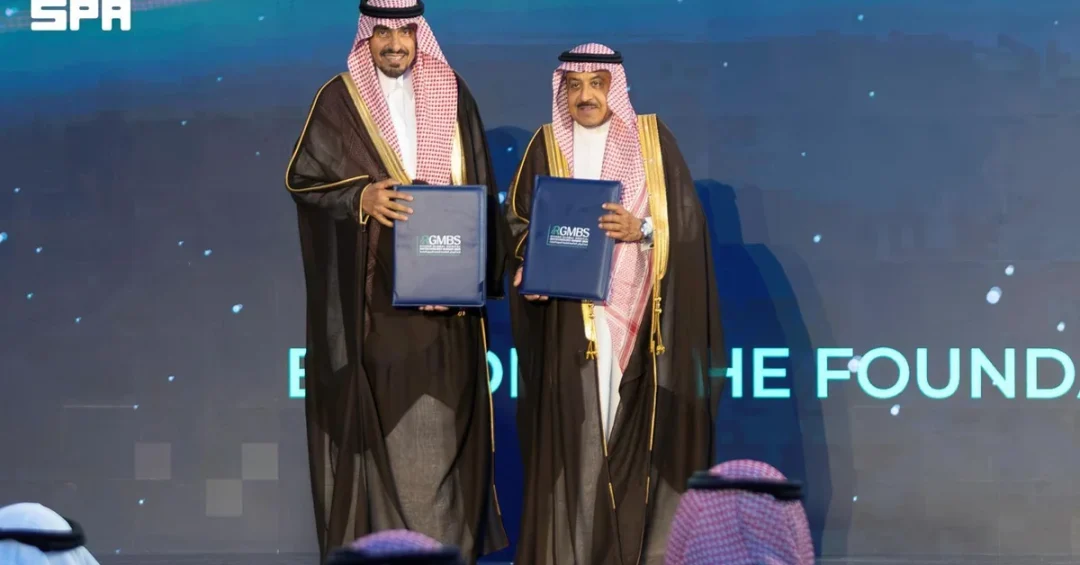
The King Abdullah bin Abdulaziz International Foundation for Humanitarian Works and King Abdullah International Medical Research Center (KAIMRC) have signed four cooperation agreements to support strategic biotechnology research projects, a move that reinforces Saudi Arabia’s commitment to advanced healthcare innovation. The agreements were finalized during the fourth edition of the Riyadh Global Medical Biotechnology Summit 2026, organized by the Ministry of National Guard in Riyadh, according to the Saudi Press Agency (SPA).
Context and Background
The agreements, announced on September 14, 2026, cover support for research in oncology, immunotherapies, neurological diseases, and complications arising from heatstroke. They also include backing for preclinical and clinical studies, strengthening national research capabilities, and facilitating knowledge transfer in advanced biotechnology fields. This collaboration underscores the Kingdom’s efforts to build a robust biotechnology ecosystem as part of its long-term economic diversification plan.
The signing ceremony took place against the backdrop of a thriving summit that brings together global experts, researchers, and policymakers to discuss the latest advancements in medical biotechnology. The involvement of the King Abdullah International Foundation for Humanitarian Works highlights the Kingdom’s commitment to linking humanitarian goals with scientific progress, ensuring that breakthroughs benefit people both domestically and internationally.
Key Details
The four agreements are designed to translate research outputs into scalable healthcare applications, directly contributing to the objectives of the Saudi National Biotechnology Strategy. By focusing on high-impact areas like oncology and immunotherapies, the collaboration aims to address pressing health challenges while fostering innovation in the sector. The inclusion of heatstroke-related research is particularly relevant for the Kingdom, given its climate and the importance of heat-related health solutions.
KAIMRC, a renowned research institution, brings its expertise in medical research and clinical trials to the table. The foundation, known for its humanitarian initiatives, provides the necessary funding and strategic direction. Together, they will work on bridging the gap between laboratory discoveries and patient care, a vital step in advancing personalized medicine in the region.
Implications and Impact
These agreements are expected to strengthen Saudi Arabia’s position as a regional hub for biotechnology and medical research. By supporting research and development in critical fields, the Kingdom is building a knowledge-based economy that aligns with its Vision 2030 goals of diversifying beyond oil and enhancing the quality of life. The collaboration also signals a growing partnership between humanitarian organizations and scientific institutions, setting a precedent for future initiatives.
On an international level, these developments reinforce Saudi Arabia’s role as a global player in healthcare innovation. The knowledge transfer and research partnerships will not only benefit Saudi citizens but also contribute to worldwide medical advancements, particularly in areas like immunotherapy and neurological disease treatment.
Vision 2030 Alignment
The signing of these agreements is a clear step toward realizing the goals of Saudi Vision 2030, which identifies biotechnology and healthcare as key pillars of economic transformation. By investing in research and human capital, the Kingdom is creating a sustainable ecosystem that supports innovation, attracts global talent, and improves health outcomes for all. As Saudi Arabia continues to host high-level summits and foster international collaborations, it cements its status as a leader in scientific excellence and humanitarian development, paving the way for a prosperous and healthy future.
20 Questions
Q1. What is the King Abdullah bin Abdulaziz International Foundation for Humanitarian Works?
A1. The King Abdullah bin Abdulaziz International Foundation for Humanitarian Works is a Saudi humanitarian organization established to support global relief and development projects. It focuses on providing aid and funding to initiatives that improve human welfare, including health and education, aligning with Saudi Arabia’s humanitarian mission.
Q2. What is KAIMRC?
A2. King Abdullah International Medical Research Center (KAIMRC) is a leading research institution in Saudi Arabia, affiliated with the Ministry of National Guard. It conducts advanced medical and biomedical research, aiming to improve healthcare outcomes through innovative discoveries and clinical applications.
Q3. What is the Riyadh Global Medical Biotechnology Summit?
A3. The Riyadh Global Medical Biotechnology Summit is an annual event organized by the Ministry of National Guard, bringing together international experts to discuss advancements in biotechnology. It serves as a platform for sharing knowledge, fostering partnerships, and promoting the growth of Saudi Arabia’s biotechnology sector.
Q4. How many agreements were signed?
A4. Four cooperation agreements were signed during the summit. These agreements cover a range of research areas and aim to strengthen the partnership between the humanitarian foundation and the medical research center, supporting strategic projects that align with national health goals.
Q5. What research areas do the agreements cover?
A5. The agreements focus on oncology, immunotherapies, neurological diseases, and complications from heatstroke. These areas are critical to addressing major health challenges, both in Saudi Arabia and globally, and are supported by funding and collaborative research initiatives.
Q6. What is the main objective of these agreements?
A6. The primary objective is to support strategic biotechnology research that can lead to scalable healthcare applications. By funding preclinical and clinical studies, the agreements aim to translate scientific discoveries into practical treatments and therapies, benefiting patients and advancing the national biotechnology strategy.
Q7. How does this support Saudi Arabia’s National Biotechnology Strategy?
A7. The agreements contribute directly to the strategy by investing in high-impact research areas, building research capacity, and facilitating knowledge transfer. This helps create a robust biotechnology ecosystem that drives innovation, economic diversification, and improved public health.
Q8. Who organized the summit?
A8. The summit was organized by the Ministry of National Guard of Saudi Arabia. This ministry plays a key role in overseeing the event, which serves as a gathering point for researchers, policymakers, and industry leaders to discuss the future of biotechnology and healthcare.
Q9. What is the significance of the partnership between the foundation and KAIMRC?
A9. The partnership combines humanitarian funding with scientific expertise, bridging the gap between research and real-world impact. It demonstrates a collaborative approach where charitable foundations support cutting-edge science, ensuring that innovations reach those in need and contribute to societal well-being.
Q10. How do these agreements benefit patients?
A10. By accelerating research in oncology, immunotherapies, and neurological diseases, the agreements pave the way for new treatments and therapies. Patients will benefit from improved medical options, earlier diagnoses, and better management of conditions, ultimately enhancing their quality of life.
Q11. What role does heatstroke research play?
A11. Heatstroke research is particularly important for Saudi Arabia due to its hot climate. The agreements support studies into complications from heatstroke, aiming to develop preventive measures and treatments that can protect both residents and visitors, contributing to public health preparedness.
Q12. How does this align with Saudi Vision 2030?
A12. Vision 2030 emphasizes economic diversification, innovation, and improved healthcare. These agreements align with these goals by fostering a knowledge-based economy, supporting research and development, and strengthening the healthcare sector, all of which are key pillars of the vision.
Q13. What is the expected impact on Saudi Arabia’s biotechnology sector?
A13. The agreements are expected to boost the sector by attracting investment, creating research opportunities, and building local expertise. This will help establish Saudi Arabia as a regional hub for biotechnology, driving innovation and potentially leading to commercial opportunities.
Q14. Are there any international collaborations mentioned?
A14. While the article focuses on domestic partnerships, the summit itself is international, with experts from around the world attending. The agreements facilitate knowledge transfer, which often involves global collaboration, though no specific foreign partners were mentioned in this announcement.
Q15. How will knowledge transfer be implemented?
A15. Knowledge transfer will occur through research collaborations, shared training programs, and the exchange of scientific expertise between the foundation, KAIMRC, and other institutions. This ensures that best practices and advanced methodologies are adopted, enhancing research capabilities across the country.
Q16. What is the role of the Ministry of National Guard?
A16. The Ministry of National Guard organizes the summit and also oversees KAIMRC. Its involvement ensures that the research is aligned with national health priorities and provides institutional support for the agreements, highlighting the government’s commitment to advancing medical science.
Q17. How does this support humanitarian work?
A17. By funding research that leads to better treatments, the foundation is actively addressing health crises, which is a core humanitarian mission. The focus on diseases like cancer and neurological disorders helps reduce suffering and improve survival rates, extending the reach of humanitarian efforts.
Q18. What are the potential commercial benefits?
A18. Successful research can lead to patents, new drugs, and therapies that can be commercialized. This creates economic value, attracts investment, and has the potential to generate revenue, contributing to the diversification of the Saudi economy as envisioned in Vision 2030.
Q19. How does this position Saudi Arabia globally?
A19. By investing in biotechnology research and hosting international summits, Saudi Arabia strengthens its reputation as a leader in science and innovation. This attracts global talent and partnerships, positioning the Kingdom as a key player in the global healthcare community.
Q20. What are the next steps after the signing?
A20. Following the signing, the foundation and KAIMRC will begin implementing the agreements, which includes allocating funds, setting research milestones, and launching collaborative projects. Preliminary studies and planning are expected to start immediately, leading to concrete research outcomes over the coming years.
Reader Feedback
We value your thoughts. Please share your feedback on this article.
Your feedback helps us improve our coverage.