


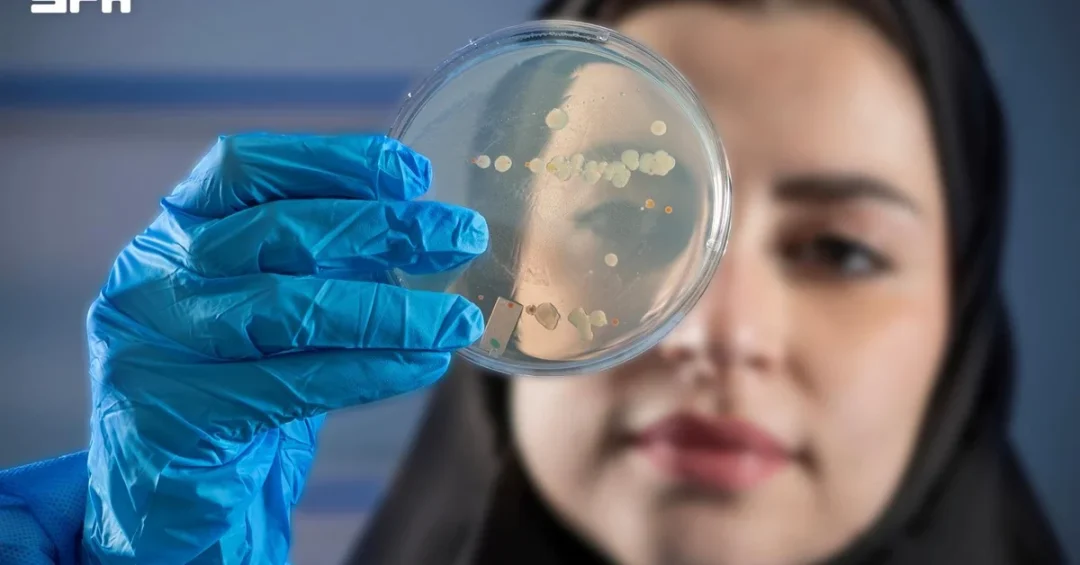
The Saudi Water Authority, through its Water Technologies Innovation Institute and Research Advancements (WTIIRA), has launched an ambitious project to cultivate microalgae using desalination brine and carbon dioxide emissions, aiming to transform byproducts into high-value bio-based products for animal feed, pharmaceuticals, and cosmetics. Announced in Riyadh on November 2, 2026, the initiative seeks to produce 60 tons of microalgae annually, along with 8,000 cubic meters of biofertilizer and 20 kilograms of materials for pharmaceutical and cosmetic applications each year. This project marks a significant step in Saudi Arabia’s efforts to diversify its economy, promote environmental sustainability, and maximize the economic value of desalination byproducts, aligning with the goals of Saudi Vision 2030.
The project is part of the Saudi Water Authority’s broader strategy to develop innovative technologies that extend beyond the traditional uses of desalination byproducts, turning them into economically valuable resources. By leveraging desalination brine and carbon dioxide emissions, the initiative supports the circular economy and reduces carbon emissions. It also aims to localize bio-based industries, create new investment opportunities, and enhance resource-use efficiency. How might this project reshape Saudi Arabia’s industrial landscape and contribute to global sustainability efforts? This development not only underscores the Kingdom’s commitment to innovation but also positions it as a leader in sustainable water management and bio-based production.
Context and Background
Why is Saudi Arabia investing in microalgae cultivation now? The Kingdom has long been a global leader in desalination, producing millions of cubic meters of desalinated water daily to meet its freshwater needs. However, this process generates significant amounts of brine—a highly saline byproduct—and carbon dioxide emissions, which pose environmental challenges. The Saudi Water Authority, through WTIIRA, is addressing these challenges by developing technologies to cultivate microalgae using these byproducts. Microalgae are versatile organisms that can be used to produce animal feed, biofertilizers, and ingredients for pharmaceuticals and cosmetics, offering a sustainable solution to waste management while generating economic value.
This project is not an isolated effort but part of a wider movement in Saudi Arabia to embrace the circular economy. The Kingdom’s Vision 2030 framework emphasizes economic diversification, environmental sustainability, and technological innovation. By investing in microalgae cultivation, Saudi Arabia is tapping into a rapidly growing global market for bio-based products, which is projected to reach hundreds of billions of dollars in the coming decade. The project also aligns with the National Water Strategy 2030, which aims to ensure water security and sustainability. How does this initiative fit into Saudi Arabia’s broader environmental and economic goals? It demonstrates the Kingdom’s proactive approach to turning environmental challenges into opportunities for growth and innovation.
Moreover, the project builds on Saudi Arabia’s existing expertise in water technologies. WTIIRA, established under the Saudi Water Authority, is dedicated to research and development in water desalination, treatment, and reuse. The institute has already made strides in developing advanced membrane technologies and energy-efficient desalination processes. The microalgae project represents a natural extension of these efforts, applying cutting-edge biotechnological solutions to address pressing environmental issues. What role will WTIIRA play in scaling up this technology? As the driving force behind the project, WTIIRA will oversee research, development, and eventual commercialization, ensuring that the technology is both economically viable and environmentally sound.
Key Details of the Microalgae Project
How exactly will microalgae be cultivated using desalination brine and carbon dioxide? WTIIRA is developing both open and closed cultivation systems to optimize microalgae growth. Open systems, such as raceway ponds, are cost-effective and suitable for large-scale production, while closed systems, like photobioreactors, offer greater control over environmental conditions and higher productivity. The project will study the operational efficiency of these systems and the potential use of desalination brine and carbon dioxide in the production process. By feeding microalgae with carbon dioxide emissions, the project not only reduces greenhouse gases but also enhances algae growth, creating a win-win scenario for the environment and the economy.
The targeted outputs are impressive: 60 tons of microalgae annually for animal and fish feed, 8,000 cubic meters of biofertilizer, and 20 kilograms of high-value materials for pharmaceutical and cosmetic applications. These outputs will help diversify products, maximize the economic value of desalination byproducts, and support circular economy applications. The project also includes preparations to establish an integrated environment for microalgae cultivation at the Water Innovation Oasis in Rabigh. This facility will serve as a hub for research, development, and demonstration, assessing the technical performance and economic feasibility of microalgae cultivation. What makes Rabigh an ideal location for this initiative? Its proximity to major desalination plants and industrial facilities provides ready access to brine and carbon dioxide, while its existing infrastructure supports research and development activities.
The project will also identify opportunities to scale up production and develop future industrial applications. For instance, microalgae-based animal feed can enhance livestock and aquaculture productivity, while biofertilizers can improve soil health and reduce reliance on synthetic fertilizers. The pharmaceutical and cosmetic ingredients derived from microalgae, such as omega-3 fatty acids and antioxidants, are in high demand globally. How will the project ensure the quality and safety of these products? WTIIRA will implement rigorous testing and quality control measures, adhering to international standards. The project’s success could pave the way for a new industry in Saudi Arabia, creating jobs and attracting investment.
International and Regional Impact
What are the potential international and regional implications of Saudi Arabia’s microalgae project? As the world grapples with climate change and resource scarcity, sustainable solutions are in high demand. Saudi Arabia’s initiative could serve as a model for other countries, particularly those in arid regions with similar desalination capacities. By sharing its expertise and technologies, the Kingdom can strengthen its role as a global leader in sustainability and innovation. Regionally, the project could foster collaboration among Gulf Cooperation Council (GCC) states, which face comparable environmental challenges. Joint research and development efforts could accelerate the adoption of microalgae-based technologies across the region, enhancing food security and economic diversification.
On the international stage, the project aligns with the United Nations Sustainable Development Goals (SDGs), particularly those related to clean water, affordable and clean energy, and responsible consumption and production. Saudi Arabia’s commitment to the circular economy and carbon reduction resonates with global efforts to combat climate change. How might this project influence Saudi Arabia’s diplomatic and trade relations? By exporting bio-based products and technologies, the Kingdom can expand its trade portfolio and build new partnerships. Moreover, the project could attract international investors and researchers, further integrating Saudi Arabia into the global knowledge economy. The Kingdom’s participation in international forums, such as the G20 and COP conferences, provides platforms to showcase its achievements and share best practices.
Economic and Strategic Significance
Why is this project economically significant for Saudi Arabia? The global market for microalgae products is expanding rapidly, driven by demand for sustainable animal feed, organic fertilizers, and natural ingredients in cosmetics and pharmaceuticals. By producing these high-value products domestically, Saudi Arabia can reduce imports and create new export opportunities. The project also supports the localization of bio-based industries, which is a key objective of Vision 2030. It will create skilled jobs in biotechnology, engineering, and research, contributing to the development of a knowledge-based economy. Furthermore, the project enhances the economic viability of desalination by turning a waste stream into a revenue stream, improving the overall efficiency of the water sector.
Strategically, the project reinforces Saudi Arabia’s leadership in water security and environmental sustainability. As water scarcity becomes a global concern, the Kingdom’s innovative approach to desalination byproduct management positions it as a pioneer. The project also contributes to food security by providing alternative protein sources for animal feed, reducing reliance on imported feed. How does this align with Saudi Arabia’s strategic priorities? It supports the National Water Strategy 2030, the National Environment Strategy, and the Kingdom’s commitment to achieving net-zero emissions by 2060. By integrating water, energy, and food systems, the project exemplifies the nexus approach to sustainable development.
Vision 2030 Alignment
How does the microalgae project align with Saudi Vision 2030? Vision 2030 aims to diversify the economy away from oil, promote sustainability, and improve the quality of life for citizens. The project directly contributes to these goals by fostering innovation, creating economic opportunities, and addressing environmental challenges. It supports the development of new industries, such as biotechnology and bio-based manufacturing, which are essential for economic diversification. The project also enhances the Kingdom’s environmental stewardship, aligning with the Vision’s emphasis on sustainability and resource efficiency. By turning desalination byproducts into valuable resources, Saudi Arabia is demonstrating its commitment to a circular economy and a greener future.
Looking ahead, the success of this project could catalyze further investments in research and development, positioning Saudi Arabia as a hub for bio-innovation. It could also inspire similar initiatives in other sectors, such as agriculture and waste management, creating a ripple effect of sustainable development. As the Kingdom continues to implement Vision 2030, projects like this underscore its determination to build a resilient, diversified, and forward-looking economy. Will this project be a game-changer for Saudi Arabia’s bioeconomy? With the right support and scaling, it has the potential to transform waste into wealth, setting a benchmark for the world. The Saudi Water Authority’s microalgae project is not just about producing feed, fertilizer, and cosmetics—it’s about shaping a sustainable future for generations to come.
20 Questions
Q1. What is the Saudi Water Authority’s microalgae project?
A1. The Saudi Water Authority, through WTIIRA, is developing a project to cultivate microalgae using desalination brine and carbon dioxide emissions, producing animal feed, biofertilizer, and ingredients for pharmaceuticals and cosmetics.
Q2. When was this project announced?
A2. The project was announced in Riyadh on November 2, 2026, by the Saudi Press Agency.
Q3. What are the main outputs of the project?
A3. The project aims to produce 60 tons of microalgae annually, 8,000 cubic meters of biofertilizer, and 20 kilograms of materials for pharmaceutical and cosmetic applications each year.
Q4. How does the project use desalination brine?
A4. Desalination brine is used as a nutrient source for cultivating microalgae, turning a waste product into a valuable resource for bio-based products.
Q5. What role does carbon dioxide play in the project?
A5. Carbon dioxide emissions are used to enhance microalgae growth, reducing greenhouse gases while producing valuable biomass.
Q6. Where will the microalgae cultivation take place?
A6. An integrated environment for microalgae cultivation is being prepared at the Water Innovation Oasis in Rabigh.
Q7. What are open and closed cultivation systems?
A7. Open systems, like raceway ponds, are cost-effective for large-scale production; closed systems, like photobioreactors, offer greater control and higher productivity.
Q8. How does the project support the circular economy?
A8. By using desalination byproducts to produce valuable goods, the project minimizes waste and promotes sustainable resource use, embodying circular economy principles.
Q9. What is WTIIRA?
A9. WTIIRA stands for Water Technologies Innovation Institute and Research Advancements, a research arm of the Saudi Water Authority focused on innovative water solutions.
Q10. How does this project align with Saudi Vision 2030?
A10. It supports economic diversification, environmental sustainability, and technological innovation, key pillars of Vision 2030.
Q11. What are the potential economic benefits?
A11. The project can reduce imports, create export opportunities, generate jobs, and enhance the economic value of desalination byproducts.
Q12. What types of animal feed will be produced?
A12. Microalgae-based feed for livestock and fish, providing a sustainable protein source that reduces reliance on traditional feed.
Q13. What pharmaceutical and cosmetic ingredients can be derived from microalgae?
A13. Ingredients such as omega-3 fatty acids, antioxidants, and pigments used in cosmetics and pharmaceuticals.
Q14. How will the project reduce carbon emissions?
A14. By consuming carbon dioxide emissions during microalgae cultivation, the project helps mitigate greenhouse gases.
Q15. What is the significance of the Water Innovation Oasis in Rabigh?
A15. It serves as a research and demonstration hub, assessing technical performance and economic feasibility of microalgae cultivation.
Q16. How does the project enhance food security?
A16. By producing alternative animal feed, it reduces dependence on imported feed, contributing to food security.
Q17. What are the global market prospects for microalgae products?
A17. The global market for microalgae products is growing rapidly, driven by demand for sustainable feed, fertilizers, and natural ingredients.
Q18. How does the project support localization of bio-based industries?
A18. It develops domestic capabilities in biotechnology and bio-manufacturing, creating a local industry for high-value products.
Q19. What are the next steps for the project?
A19. WTIIRA will continue research, scale up production, and identify opportunities for industrial applications, with a focus on commercialization.
Q20. How can other countries benefit from this initiative?
A20. Saudi Arabia can share its expertise and technologies, serving as a model for sustainable desalination byproduct management globally.
Reader Feedback
We value your thoughts. Please share your feedback on this article.
Your feedback helps us improve our coverage.
Related articles
 Estidamah Advances Research on Jazan Jasmine Aroma
 Madinah Ethical AI Competition Opens Registration for Developers Worldwide
 NCVC Launches Native Seed Sowing Campaign in Jubail
 GASTAT: Internet Use Reaches 99.6% Among Individuals Aged 15 to 74 in Saudi Arabia
 KAUST Cooling Coating Boosts Power Line Capacity in Heat
 Taibah University to Host International AI Conference Nov 3-5