


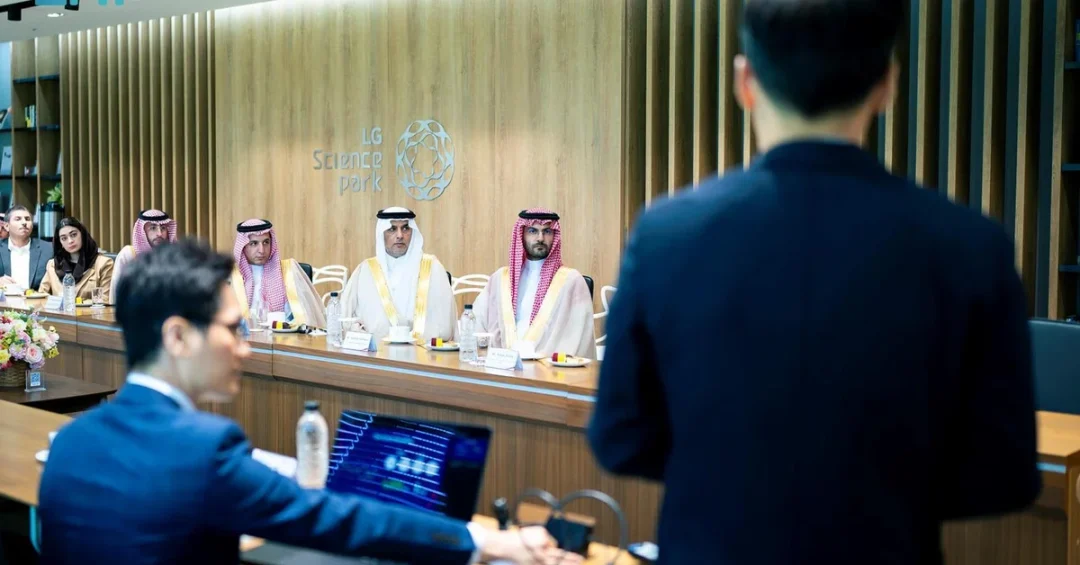
Seoul, May 23, 2024 — The President of the Saudi Data and AI Authority (SDAIA), Dr. Abdullah bin Sharaf Al-Ghamdi, held high-level discussions with leading academics and technology officials in South Korea to explore the global impact of artificial intelligence and smart city solutions, according to the Saudi Press Agency (SPA). The visit underscores Saudi Arabia’s commitment to international collaboration in AI, aligning with Vision 2030 goals to diversify the economy and establish the Kingdom as a global leader in emerging technologies.
Context and Background
SDAIA, established in 2019, is the Saudi government entity responsible for driving the national data and AI agenda. Under the leadership of Dr. Al-Ghamdi, SDAIA has spearheaded initiatives like the Global AI Summit, which brings together experts to discuss AI’s potential. The delegation’s tour to South Korea, a global technology powerhouse, highlights Saudi Arabia’s proactive approach to learning from advanced economies and fostering partnerships that can accelerate its digital transformation.
South Korea is renowned for its cutting-edge research in artificial intelligence, smart cities, and digital infrastructure. By engaging with institutions such as Sungkyunkwan University, LG Sciencepark, and NAVER, SDAIA aims to exchange knowledge and explore joint projects that can enhance Saudi Arabia’s own smart city developments, including NEOM and other Vision 2030 giga-projects.
Key Details
During the visit, Dr. Al-Ghamdi extended invitations to the leaders of these institutions to attend the upcoming Global AI Summit in September, organized by SDAIA. The summit aims to gather local and international thought leaders to explore AI’s potential and its impact on societies. At Sungkyunkwan University, a prestigious institution focusing on AI research, the delegation discussed potential cooperation in research and innovation, as well as the rapid developments in AI and their applications in scientific, economic, social, and environmental fields.
At LG Sciencepark, Dr. Al-Ghamdi met with senior officials at the Artificial Intelligence Center to explore collaboration in advanced data analytics and AI applications, particularly in smart city projects. The tour also included a meeting with Ms. Chae Seon-ju, project leader of NAVER Company in Saudi Arabia, and other senior officials to discuss exchanging experiences in AI technologies and smart city solutions, urban planning, traffic management, public safety, and joint programs to develop human competency skills in AI, data science, and other emerging technologies.
Implications and Impact
The discussions between SDAIA and South Korean institutions signal a deepening of technological ties between the two nations. For Saudi Arabia, collaboration with Korea can accelerate the development of smart cities, enhance data analytics capabilities, and build local talent in AI and data science. This aligns with the Kingdom’s broader strategy to become a hub for innovation and technology in the Middle East.
For South Korea, partnering with Saudi Arabia offers access to a rapidly growing market and opportunities to contribute to mega-projects like NEOM. The exchange of expertise in urban planning, traffic management, and public safety can lead to tangible improvements in quality of life in Saudi cities. Moreover, the Global AI Summit serves as a platform to showcase these collaborations and attract further international participation.
Vision 2030 Alignment
This initiative is a clear reflection of Saudi Arabia’s Vision 2030, which seeks to diversify the economy away from oil and invest in human capital, technology, and innovation. By forging international partnerships and hosting global events like the AI Summit, SDAIA is positioning the Kingdom as a leader in the digital age. The focus on smart cities and AI applications directly supports the development of sustainable, efficient urban environments and the creation of high-skilled jobs for Saudi youth. As Saudi Arabia continues to embrace cutting-edge technologies, collaborations with global leaders like South Korea will be instrumental in realizing the ambitious goals of Vision 2030 and ensuring a prosperous future for the nation.
20 Questions
Q1. Who is the President of SDAIA?
A1. Dr. Abdullah bin Sharaf Al-Ghamdi is the President of the Saudi Data and AI Authority (SDAIA). He leads Saudi Arabia’s national data and AI agenda, driving initiatives that support Vision 2030 and global technological collaboration.
Q2. What is SDAIA?
A2. The Saudi Data and AI Authority (SDAIA) is a government entity established in 2019 to drive the national data and AI agenda. It organizes the Global AI Summit and spearheads initiatives to position Saudi Arabia as a leader in emerging technologies.
Q3. Where did Dr. Al-Ghamdi visit in South Korea?
A3. Dr. Al-Ghamdi visited Sungkyunkwan University, LG Sciencepark, and met with officials from NAVER Company. These visits aimed to explore cooperation in AI research, smart city solutions, and talent development.
Q4. What is the Global AI Summit?
A4. The Global AI Summit is an event organized by SDAIA to bring together local and international thought leaders to explore AI’s potential and its impact on societies. The upcoming summit is scheduled for September.
Q5. Why did SDAIA invite Korean institutions to the AI Summit?
A5. SDAIA invited Korean institutions to foster international collaboration, share knowledge, and showcase global advancements in AI. Their participation will enrich discussions and promote partnerships that benefit both nations.
Q6. What is Sungkyunkwan University known for?
A6. Sungkyunkwan University is a prestigious South Korean institution with a strong focus on artificial intelligence research. Its expertise in AI aligns with SDAIA’s goals to advance technology and innovation.
Q7. What did SDAIA discuss at Sungkyunkwan University?
A7. The delegation discussed potential cooperation in research and innovation, as well as the rapid developments in AI and their applications in scientific, economic, social, and environmental fields.
Q8. What is LG Sciencepark?
A8. LG Sciencepark is a research complex in South Korea where LG operates its Artificial Intelligence Center. It focuses on advanced data analytics and AI applications, including smart city projects.
Q9. What did Dr. Al-Ghamdi discuss at LG Sciencepark?
A9. He met with senior officials to explore collaboration in advanced data analytics and AI applications, particularly in smart city projects. This aligns with Saudi Arabia’s smart city developments.
Q10. Who is Ms. Chae Seon-ju?
A10. Ms. Chae Seon-ju is the project leader of NAVER Company in Saudi Arabia. She met with Dr. Al-Ghamdi to discuss exchanging experiences in AI and smart city solutions.
Q11. What topics were discussed with NAVER officials?
A11. They discussed smart city solutions, urban planning, traffic management, public safety, and joint programs to develop human competency skills in AI, data science, and other emerging technologies.
Q12. How does this visit benefit Saudi Arabia?
A12. The visit enhances Saudi Arabia’s access to advanced technologies and expertise, supporting the development of smart cities and building local talent in AI and data science, which are key to Vision 2030.
Q13. How does this visit benefit South Korea?
A13. South Korea gains access to Saudi Arabia’s growing market and opportunities to contribute to mega-projects like NEOM. It also strengthens technological ties and cultural exchange between the two nations.
Q14. What is NEOM?
A14. NEOM is a Saudi giga-project and smart city development under Vision 2030. It aims to be a hub for innovation and technology, incorporating AI and sustainable practices. Collaboration with Korea can support its progress.
Q15. What is the significance of smart cities for Saudi Arabia?
A15. Smart cities enhance quality of life through efficient urban planning, traffic management, and public safety. They are central to Vision 2030’s goal of creating sustainable, technologically advanced communities.
Q16. What is Vision 2030?
A16. Vision 2030 is Saudi Arabia’s strategic framework to diversify the economy, reduce oil dependence, and develop public sectors like health, education, and technology. It aims to create a vibrant society and thriving economy.
Q17. How does AI contribute to Vision 2030?
A17. AI drives innovation, economic diversification, and job creation. It supports smart city development, data-driven decision-making, and global competitiveness, aligning with Vision 2030’s goals.
Q18. What is the role of data in smart cities?
A18. Data enables smart cities to optimize services like traffic, energy, and public safety. Advanced analytics help city planners make informed decisions, improving efficiency and quality of life for residents.
Q19. What are the expected outcomes of the Global AI Summit?
A19. The summit will facilitate knowledge exchange, forge partnerships, and showcase AI innovations. It aims to shape global AI policies and applications, with Saudi Arabia playing a leading role.
Q20. How does this collaboration reflect Saudi Arabia’s global engagement?
A20. It demonstrates Saudi Arabia’s proactive approach to international partnerships, positioning the Kingdom as a global leader in technology and innovation, and strengthening its diplomatic and economic ties with key nations like South Korea.
Reader Feedback
We value your thoughts. Please share your feedback on this article.
Your feedback helps us improve our coverage.