


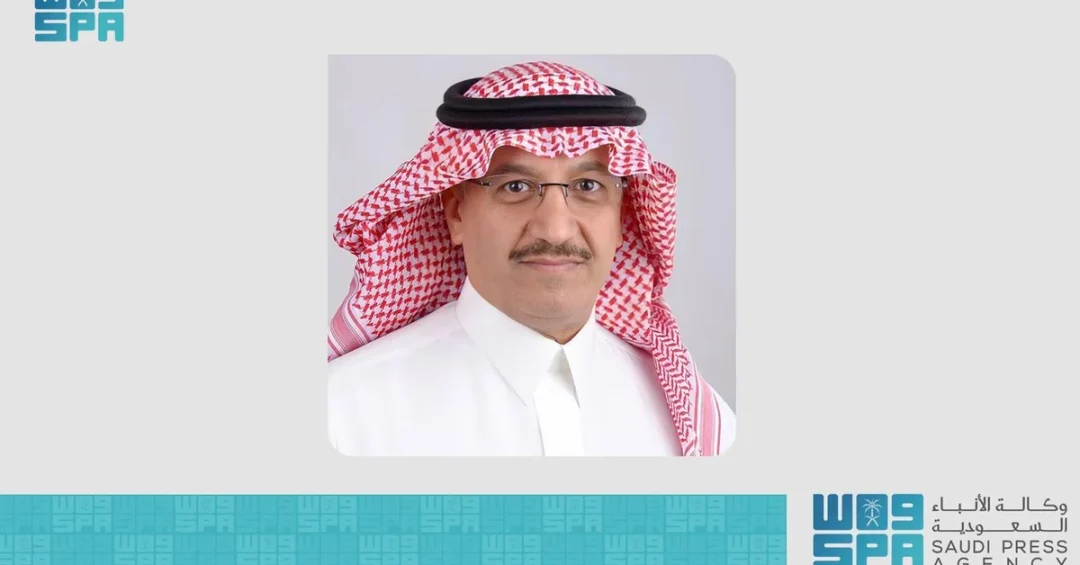
Saudi Minister of Education Yousef bin Abdullah Al-Benyan has affirmed that the Kingdom’s education sector continues to receive strong support from its wise leadership, with the start of the 1446 AH academic year serving as a renewed platform to build globally competitive generations. In a statement released via the Saudi Press Agency (SPA), the minister explained that this backing is designed to develop an education system that produces citizens capable of competing on the world stage, through programs and projects aligned with future goals and the objectives of Saudi Vision 2030 and the Human Capability Development Program.
Context and Background
The 1446 AH academic year begins as Saudi Arabia accelerates a wide-ranging transformation of its education sector, a core pillar of Vision 2030. The Human Capability Development Program, one of the Kingdom’s key Vision 2030 realization programs, seeks to prepare citizens for the demands of a rapidly changing global economy by strengthening foundational skills, fostering lifelong learning, and aligning educational outcomes with labor market needs. Within this framework, the Ministry of Education has positioned the start of each academic year as a strategic milestone, requiring coordinated planning across all regions and governorates. Minister Al-Benyan emphasized that the ministry’s plan is built on an integrated governance approach involving every sector, department, and education office, supported by specialized committees and field teams tasked with supervision, implementation, and operations.
Key Details
Al-Benyan stressed the importance of integrating all components of the educational process, particularly the family and the school, to achieve the Kingdom’s aspirations for preparing and qualifying students. He noted that investing in students is essential to enabling them to compete globally, describing a successful academic year as a shared responsibility that contributes to a comprehensive educational journey. According to the minister, the ministry aims to provide a stimulating and attractive learning environment from the very beginning of the year. This includes enhancing students’ enthusiasm, raising awareness of the importance of seriousness and commitment, and implementing psychological, social, and educational preparation programs within schools. The ministry has also strengthened partnerships with public and private sector entities to support the continuity and success of the educational process, while maintaining ongoing collaboration with families to encourage regular attendance and motivate children to continue their educational journey.
Implications and Impact
The emphasis on globally competitive generations reflects Saudi Arabia’s broader ambition to diversify its economy and reduce dependence on oil by developing a highly skilled workforce. By aligning education with future goals, the Kingdom is working to ensure that its young people are equipped with the knowledge and capabilities needed to thrive in an interconnected world. The integrated governance plan for the 1446 AH academic year, which includes administrative staff and field teams across regions, signals a commitment to operational excellence and accountability. The strengthened public-private partnerships are expected to bring additional resources, expertise, and innovation into the education system, while the focus on psychological and social preparation underscores a holistic approach to student well-being. For international observers, these measures highlight Saudi Arabia’s determination to build human capital as a foundation for long-term prosperity and global engagement.
Vision 2030 Alignment
The Ministry of Education’s strategy for the 1446 AH academic year is directly aligned with the Human Capability Development Program and the overarching goals of Saudi Vision 2030. By fostering an education system that nurtures talent, encourages lifelong learning, and prepares students to compete globally, the Kingdom is investing in its most valuable resource: its people. As Saudi Arabia continues to advance its modernization journey under the leadership of the Custodian of the Two Holy Mosques and His Royal Highness the Crown Prince, the education sector remains a cornerstone of the nation’s efforts to secure a prosperous and sustainable future. The start of the new academic year thus represents not only a logistical achievement but a renewed commitment to building the globally competitive generations that will carry Vision 2030 forward.
20 Questions
Q1. Who is the Saudi Minister of Education?
A1. Yousef bin Abdullah Al-Benyan serves as the Minister of Education of the Kingdom of Saudi Arabia. He oversees the development of the education system and ensures its alignment with Vision 2030 and the Human Capability Development Program.
Q2. What is the significance of the 1446 AH academic year?
A2. It marks the beginning of a new educational cycle under the Hijri calendar, during which the Ministry of Education implements strategic plans to enhance learning outcomes, support students, and advance the goals of Saudi Vision 2030.
Q3. What support does the education sector receive from Saudi leadership?
A3. The Kingdom’s wise leadership provides continuous support to the education sector, aiming to develop the system and build globally competitive citizens through programs and projects that align with future aspirations and national objectives.
Q4. What is the Human Capability Development Program?
A4. It is one of the Vision 2030 realization programs focused on preparing citizens for the future by enhancing foundational skills, promoting lifelong learning, and aligning education with labor market demands.
Q5. How does the Ministry of Education plan for the new academic year?
A5. The ministry works within a strategic and integrated governance plan involving all sectors, departments, and education offices. Specialized committees and field teams handle supervision, implementation, and operations across regions and governorates.
Q6. Why is family-school integration important?
A6. Integrating the roles of family and school is essential to prepare and qualify students effectively. This partnership ensures a supportive environment that encourages regular attendance and motivates children to continue their educational journey.
Q7. What does the minister mean by globally competitive generations?
A7. It refers to Saudi students who are equipped with the knowledge, skills, and capabilities to compete internationally. This aligns with Vision 2030’s goal of building a diversified, knowledge-based economy.
Q8. How does the ministry aim to create a stimulating learning environment?
A8. The ministry implements psychological, social, and educational preparation programs at the start of the year. These initiatives enhance students’ enthusiasm, raise awareness of commitment, and foster a positive school atmosphere.
Q9. What partnerships has the ministry strengthened?
A9. The Ministry of Education has reinforced partnerships with various public and private sector entities. These collaborations support the continuity and success of the educational process throughout the academic year.
Q10. How does the ministry collaborate with families?
A10. The ministry maintains ongoing collaboration with families to ensure the success of the educational process. This includes encouraging regular school attendance and motivating children to pursue their education consistently.
Q11. What role do field teams play in the new academic year?
A11. Field teams are responsible for on-ground supervision, implementation, and operational support. They ensure that educational and administrative staff across regions and governorates execute the ministry’s plans effectively.
Q12. How does the education plan align with Saudi Vision 2030?
A12. The plan directly supports Vision 2030 by focusing on human capability development, enhancing educational quality, and preparing students to contribute to a diversified and sustainable economy.
Q13. What are the key objectives of the Ministry of Education for 1446 AH?
A13. Key objectives include providing a stimulating learning environment, ensuring integrated governance, strengthening partnerships, and investing in students to enable them to compete globally and contribute to national development.
Q14. Why is investing in students important for Saudi Arabia?
A14. Investing in students is crucial for building a skilled workforce that can drive economic diversification. It supports Vision 2030’s aim of creating a knowledge-based economy and reducing dependence on oil.
Q15. What is the shared responsibility mentioned by the minister?
A15. The shared responsibility refers to the collective effort of families, schools, and the community to ensure a successful academic year. This collaboration contributes to building a comprehensive educational journey for students.
Q16. How does the ministry raise awareness of seriousness and commitment?
A16. Through targeted programs and communication, the ministry promotes the importance of dedication to studies. These efforts aim to enhance student engagement and foster a culture of academic excellence.
Q17. What psychological and social preparation programs are implemented?
A17. The ministry introduces programs designed to ease students’ transition into the new academic year. These initiatives address well-being, social integration, and readiness to learn within a supportive school environment.
Q18. How does the education sector contribute to Saudi Arabia’s global competitiveness?
A18. By producing graduates with high-level skills and knowledge, the education sector enhances the Kingdom’s global competitiveness. It aligns with Vision 2030’s goals of economic diversification and international leadership.
Q19. What is the significance of public-private partnerships in education?
A19. Public-private partnerships bring additional resources, innovation, and expertise to the education sector. They support the ministry’s efforts to improve educational quality and ensure the success of the academic year.
Q20. What is the long-term vision for Saudi education?
A20. The long-term vision is to build a world-class education system that nurtures globally competitive generations. This supports Vision 2030’s objectives of sustainable development, economic prosperity, and a leading global role for the Kingdom.
Reader Feedback
We value your thoughts. Please share your feedback on this article.
Your feedback helps us improve our coverage.