


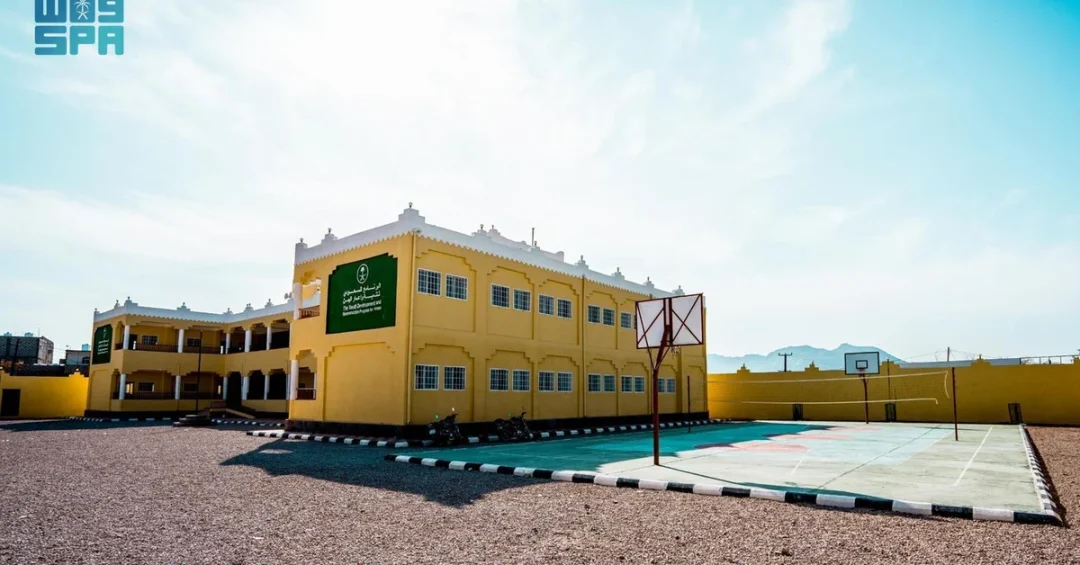
The Saudi Development and Reconstruction Program for Yemen (SDRPY) has launched 56 educational projects and initiatives across 11 Yemeni governorates, underscoring the Kingdom of Saudi Arabia’s commitment to fostering stability and prosperity in Yemen. The announcement came via the Saudi Press Agency on May 26, 2025, highlighting the program’s focus on improving access to quality education as a cornerstone of sustainable development.
Context and Background
Yemen has faced significant challenges in its education sector due to years of conflict, with many schools damaged and students lacking access to safe learning environments. SDRPY, established by the Kingdom of Saudi Arabia, has been at the forefront of reconstruction and development efforts in Yemen, implementing projects across multiple sectors to support the Yemeni people. The education initiatives are part of a broader portfolio of 264 development projects and initiatives covering education, health, water, energy, transportation, agriculture, and institutional capacity building.
Key Details
The 56 education projects and initiatives span general education, higher education, and technical and vocational training, reaching governorates including Aden, Taiz, Marib, Hadhramout, Shabwah, Socotra, Al Mahrah, Lahij, Abyan, Hajjah, and Al Dhale. To ensure continuity of learning, SDRPY has provided school and university transportation services using designated buses, easing the burden on families especially in remote areas and improving school attendance. These efforts align with the United Nations Sustainable Development Goal 4, which calls for inclusive and equitable quality education.
Implications and Impact
The initiative is expected to significantly enhance educational outcomes in Yemen, contributing to human capital development and long-term economic stability. By investing in education, SDRPY is helping to rebuild a generation affected by conflict, providing them with the skills needed to participate in Yemen’s future reconstruction and development. The program’s approach also supports Yemen’s national priorities and complements the efforts of other international actors.
Vision 2030 Alignment
This support for education in Yemen exemplifies Saudi Arabia’s broader commitment to regional stability and humanitarian assistance, principles closely aligned with Vision 2030’s goals of fostering a vibrant society and a responsible global role. By empowering Yemen’s youth through education, Saudi Arabia is not only investing in the future of Yemen but also contributing to a more stable and prosperous region, reflecting the Kingdom’s leadership in humanitarian and development efforts.
20 Questions
Q1. What is the Saudi Development and Reconstruction Program for Yemen (SDRPY)?
A1. SDRPY is a program established by the Kingdom of Saudi Arabia to support the reconstruction and development of Yemen through projects in various sectors, including education, health, and infrastructure, aiming to improve living conditions and stability.
Q2. How many educational projects has SDRPY implemented in Yemen?
A2. SDRPY has implemented 56 educational projects and initiatives across 11 Yemeni governorates, focusing on general education, higher education, and technical and vocational training to enhance access to quality education.
Q3. Which Yemeni governorates are covered by SDRPY’s education projects?
A3. The projects cover Aden, Taiz, Marib, Hadhramout, Shabwah, Socotra, Al Mahrah, Lahij, Abyan, Hajjah, and Al Dhale, bringing educational support to diverse communities across Yemen.
Q4. What type of education does SDRPY support in Yemen?
A4. SDRPY supports general education (schools), higher education (universities), and technical and vocational training, ensuring a comprehensive approach to developing Yemen’s human capital.
Q5. How does SDRPY address transportation for students in Yemen?
A5. SDRPY provides school and university transportation services via designated buses, transporting students from their homes to educational institutions and back, which improves attendance and eases the burden on families.
Q6. Why is education a priority for SDRPY in Yemen?
A6. Education is crucial for sustainable development and stability. SDRPY prioritizes it to rebuild Yemen’s human capital, empower youth, and lay the foundation for long-term prosperity and economic growth.
Q7. How many total development projects does SDRPY have in Yemen?
A7. SDRPY has a broader portfolio of 264 development projects and initiatives across various sectors, with education being one of the key areas of focus alongside health, water, energy, and transportation.
Q8. What is the impact of SDRPY’s educational support on Yemen’s future?
A8. The support improves access to quality education, increases enrollment, and reduces dropout rates, particularly in remote areas, helping to build a skilled and educated generation for Yemen’s reconstruction.
Q9. Are SDRPY’s education projects aligned with international development goals?
A9. Yes, they align with the Sustainable Development Goals, particularly SDG 4 on inclusive and equitable quality education, reflecting a commitment to global development standards.
Q10. How does SDRPY’s education support affect families in remote areas?
A10. By providing transportation, SDRPY reduces the challenges of long distances and unsafe routes, making it easier for children to attend school, which is especially beneficial for families in remote and challenging environments.
Q11. Does SDRPY focus on higher education in Yemen?
A11. Yes, SDRPY includes projects in higher education, such as university support and infrastructure, to ensure that Yemeni students have access to tertiary education and can contribute to national development.
Q12. What role does technical and vocational training play in SDRPY’s education projects?
A12. Technical and vocational training equips Yemeni youth with practical skills relevant to the job market, enhancing employability and supporting economic growth, which is critical for Yemen’s recovery.
Q13. How does SDRPY’s work contribute to the stability of Yemen?
A13. By improving education and other basic services, SDRPY addresses root causes of instability, fostering hope, opportunities, and a sense of normalcy, which are essential for long-term peace.
Q14. What are the main sectors covered by SDRPY’s 264 projects?
A14. The 264 projects span education, health, water, energy, transportation, agriculture and fisheries, institutional capacity building, and integrated development programs.
Q15. How does SDRPY’s education support align with Saudi Arabia’s foreign policy?
A15. It reflects Saudi Arabia’s commitment to regional stability and humanitarian assistance, strengthening bilateral ties with Yemen and demonstrating the Kingdom’s leadership in development cooperation.
Q16. Are there any specific examples of SDRPY’s education projects in Yemen?
A16. While details are not specified, projects include building and rehabilitating schools, providing educational supplies, and supporting university facilities, as well as transportation services.
Q17. How does SDRPY ensure the sustainability of its education projects?
A17. SDRPY works with local authorities and communities, using participatory approaches and capacity building to maintain projects, ensuring long-term benefits beyond the program’s direct intervention.
Q18. What is the significance of including Socotra in the list of governorates?
A18. Socotra’s inclusion highlights SDRPY’s reach to remote islands, ensuring that even isolated communities receive educational support, which is vital for inclusive development.
Q19. How can the international community support SDRPY’s efforts in Yemen?
A19. The international community can complement SDRPY’s work through funding, technical assistance, and policy support, coordinating with Saudi Arabia to maximize the impact of development programs.
Q20. What is the future outlook for education in Yemen with SDRPY’s support?
A20. With SDRPY’s continued support, Yemen’s education sector is expected to improve significantly, leading to higher literacy rates, better skills, and a stronger foundation for economic growth and stability.
Reader Feedback
We value your thoughts. Please share your feedback on this article.
Your feedback helps us improve our coverage.