


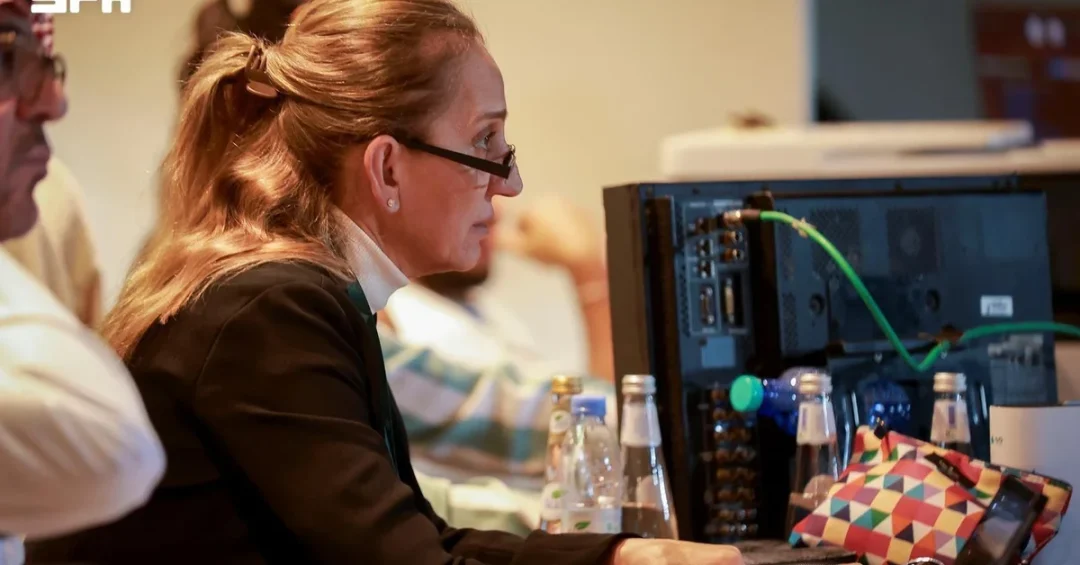
The sixth edition of the “Jump Saudi” Championship is being held at Al Janadriyah Arena in Riyadh under a comprehensive organizational, technical, and officiating framework that meets international standards and ensures a safe environment for riders and horses, according to the Saudi Press Agency (SPA). The event, which began in late November 2026, underscores the Kingdom’s growing stature in international equestrian sport and reflects the continued development of the sector under Saudi Vision 2030. With competitions spanning multiple categories and arenas, the championship has drawn participants and officials from around the world, reinforcing Saudi Arabia’s reputation as a premier destination for top-tier equestrian events.
The championship is organized by the Saudi Equestrian Federation and supervised by the International Equestrian Federation (FEI), ensuring that all rounds adhere to globally recognized rules and safety protocols. This year’s edition features simultaneous competitions across two arenas to accommodate one-star and three-star classes, as well as age-based and developmental categories for beginners, children, juniors, and riders under 25. The expanded program offers participants valuable experience across different levels and highlights the Kingdom’s commitment to nurturing equestrian talent from grassroots to elite levels. As the event progresses, it showcases not only the skill of the riders but also the world-class infrastructure and organizational expertise that Saudi Arabia has cultivated in recent years.
Context and Background
How did Saudi Arabia emerge as a global hub for equestrian excellence? The Kingdom has a long and storied history with horses, dating back to the Arabian Peninsula’s ancient traditions. In recent years, however, Saudi Arabia has transformed this heritage into a modern, competitive sport through strategic investments and international partnerships. The “Jump Saudi” Championship, now in its sixth edition, is a prime example of this evolution. First launched in 2021, the event has grown steadily in size and prestige, attracting top riders from Europe, the Americas, and the Middle East. Its rise mirrors the broader development of Saudi equestrianism, which has seen Saudi riders achieve notable successes on the global stage, including at the Olympic Games and World Equestrian Games.
The championship’s location at Al Janadriyah Arena in Riyadh is significant. Al Janadriyah is renowned as the site of the annual National Festival for Heritage and Culture, a celebration of Saudi traditions. By hosting a modern show jumping competition there, the Kingdom bridges its rich past with its forward-looking ambitions. The arena recently underwent expansion to enhance its facilities, including improved footing and larger warm-up areas, which are critical for horse welfare and performance. These upgrades align with the FEI’s stringent requirements for international competitions, ensuring that both equine and human athletes compete in optimal conditions. The event also serves as a platform for Saudi Arabia to demonstrate its capability to host major international sporting events, a key pillar of Vision 2030.
Furthermore, the championship is part of a wider strategy to promote equestrian sports across the Kingdom. The Saudi Equestrian Federation has implemented numerous initiatives to encourage participation at all levels, from introducing riding programs in schools to supporting professional riders with training and resources. This grassroots approach is designed to identify and develop local talent, reducing reliance on foreign riders and fostering a sustainable equestrian ecosystem. The “Jump Saudi” Championship is a centerpiece of these efforts, providing a competitive stage for Saudi riders to test their skills against international competitors. As the event continues to grow, it is expected to inspire a new generation of equestrians and further cement Saudi Arabia’s position as a leader in the sport.
Key Details of the Championship
What makes the sixth edition of “Jump Saudi” stand out from its predecessors? According to Nidal Shaker Mustafa, Chair of the Championship Ground Jury, the event is being conducted under a comprehensive framework that prioritizes safety, fairness, and participant welfare. In an interview with SPA, Mustafa praised the quality of the organization and technical arrangements, noting that strong support for equestrian sports in the Kingdom, coupled with advanced infrastructure, has raised its international standing and attracted leading riders from around the world. She emphasized that officiating is guided by fair play, equal opportunity, and strict enforcement of established regulations. All rounds are held under the supervision of the FEI, with both Saudi and foreign officials taking part, ensuring impartiality and adherence to global standards.
The competition schedule is designed to cater to a diverse range of participants. The first week features simultaneous competitions across two arenas, accommodating one-star and three-star classes. The one-star classes are typically for less experienced horses and riders, while three-star classes represent a higher level of difficulty and prize money. Additionally, there are age-based categories for beginners, children, juniors, and riders under 25, which provide a structured pathway for young talent to progress. This multi-tiered approach allows riders to compete at appropriate levels, gaining experience and confidence as they advance. The program also includes developmental classes aimed at introducing newcomers to the sport in a supportive environment. By offering such a comprehensive schedule, the championship ensures that participants of all ages and skill levels have the opportunity to compete and improve.
Mustafa also highlighted the recent expansion of Al Janadriyah Arena and the quality of its footing. She explained that the layouts, including the variety and height of obstacles, had been designed in coordination with international course designers to suit the technical levels of the participating categories. The courses are intended to test riders’ skills and horses’ capabilities while maintaining the highest safety standards. For example, the obstacle heights and distances are carefully calibrated to match the level of each class, reducing the risk of injury and ensuring a fair challenge. The footing, a critical factor in horse welfare, is regularly maintained to provide optimal cushioning and traction. These details reflect the meticulous planning that goes into hosting a world-class equestrian event and demonstrate Saudi Arabia’s commitment to excellence.
International and Regional Impact
How does the “Jump Saudi” Championship influence the broader equestrian landscape in the Middle East and beyond? The event has become a key fixture on the regional equestrian calendar, attracting participants and spectators from across the Gulf Cooperation Council (GCC) and further afield. Its adherence to FEI regulations and its reputation for high-quality organization have made it a sought-after competition for riders seeking to accumulate ranking points and gain international exposure. For Saudi Arabia, hosting such events is a way to strengthen diplomatic and cultural ties with other nations, as equestrian sport is widely respected and shared across many cultures. The presence of foreign officials and riders also facilitates knowledge exchange, allowing Saudi officials to learn from international best practices and vice versa.
Regionally, the championship contributes to the growth of equestrian sports in neighboring countries. By setting a high standard for organization and safety, it encourages other nations in the region to upgrade their own events and facilities. This healthy competition raises the overall quality of the sport in the Middle East, which in turn benefits riders and fans. Moreover, the event serves as a showcase for Saudi Arabia’s capabilities in hosting major international competitions, which could lead to more FEI-sanctioned events being awarded to the Kingdom. This is part of a broader trend where Saudi Arabia is investing heavily in sports tourism, as seen with events like the Saudi Cup (horse racing), the Diriyah E-Prix (Formula E), and the LIV Golf Invitational. These events not only generate economic benefits but also project a modern, dynamic image of the Kingdom to the world.
Economic and Strategic Significance
What economic and strategic benefits does the “Jump Saudi” Championship bring to Saudi Arabia? The event generates direct economic activity through tourism, hospitality, and retail spending. Participants, officials, and spectators travel to Riyadh, staying in hotels, dining in restaurants, and visiting local attractions. The championship also creates jobs, both directly (e.g., event staff, officials) and indirectly (e.g., suppliers, service providers). In the long term, the development of equestrian infrastructure and expertise can lead to a more diversified economy, reducing dependence on oil revenues. This aligns with Vision 2030’s goal of creating a vibrant society and a thriving economy. Additionally, the event promotes the growth of the local equine industry, including breeding, training, and veterinary services, which can become a source of export revenue and international prestige.
Strategically, the championship enhances Saudi Arabia’s soft power and international standing. By hosting a successful, safe, and fair competition, the Kingdom demonstrates its ability to manage complex international events, which can attract further investment and partnerships. It also reinforces Saudi Arabia’s commitment to global norms and cooperation, as evidenced by the involvement of the FEI and foreign officials. This is particularly important as the Kingdom seeks to position itself as a leader in the region and a responsible global actor. Furthermore, equestrian sports have cultural resonance in Saudi Arabia, and promoting them helps preserve and celebrate national heritage while also embracing modernity. The “Jump Saudi” Championship thus serves as a bridge between tradition and progress, a theme that resonates throughout Vision 2030.
Vision 2030 Alignment
How does the “Jump Saudi” Championship contribute to Saudi Vision 2030? Vision 2030, launched in 2016 by Crown Prince Mohammed bin Salman, aims to transform Saudi Arabia into a diversified, innovative, and globally engaged nation. Sports, including equestrianism, are a key part of this vision, as they promote health, youth engagement, and international tourism. The championship supports several Vision 2030 objectives: it enhances the quality of life for citizens and residents by providing entertainment and sporting opportunities; it boosts economic diversification by attracting visitors and investment; and it showcases Saudi culture and hospitality to the world. The event also aligns with the Vision’s focus on developing human capital, as it offers training and competition opportunities for young riders, helping them reach their potential.
Looking ahead, the continued success of the “Jump Saudi” Championship is expected to further elevate Saudi Arabia’s status in the equestrian world. The Saudi Equestrian Federation, under the guidance of Vision 2030, plans to expand the event, improve facilities, and host more international competitions. These efforts will not only benefit the sport but also contribute to the Kingdom’s broader goals of economic growth and global integration. As Mustafa noted, the progress from one edition to the next reflects the Federation’s dedication to advancing show jumping and strengthening the Kingdom’s position as a leading destination for international equestrian events. With each edition, the championship sets new benchmarks for excellence, safety, and fairness, embodying the spirit of Vision 2030 and Saudi Arabia’s enduring love for horses.
20 Questions
Q1. What is the “Jump Saudi” Championship?
A1. The “Jump Saudi” Championship is an annual international show jumping competition held in Riyadh, Saudi Arabia. Organized by the Saudi Equestrian Federation, it attracts riders from around the world and is supervised by the International Equestrian Federation (FEI).
Q2. Where is the championship taking place?
A2. The sixth edition is being held at Al Janadriyah Arena in Riyadh, a venue that recently underwent expansion to enhance its facilities, including improved footing and larger warm-up areas for horses.
Q3. Who is Nidal Shaker Mustafa?
A3. Nidal Shaker Mustafa is the Chair of the Championship Ground Jury. She praised the event’s organization and technical arrangements, highlighting the strong support for equestrian sports in the Kingdom.
Q4. What categories are included in the championship?
A4. The championship features one-star and three-star classes, as well as age-based and developmental categories for beginners, children, juniors, and riders under 25. This allows participants to compete at appropriate levels.
Q5. How many arenas are used for the competitions?
A5. Competitions during the first week are held simultaneously across two arenas to accommodate the various classes. This dual-arena setup helps manage the large number of participants and ensures smooth scheduling.
Q6. What safety measures are in place for riders and horses?
A6. The championship follows strict FEI regulations, with courses designed in coordination with international course designers. Obstacle heights and footing are carefully managed to ensure safety and fair competition for all participants.
Q7. Who supervises the officiating of the event?
A7. All rounds are held under the supervision of the International Equestrian Federation (FEI), with both Saudi and foreign officials taking part. This ensures impartiality and adherence to global standards.
Q8. What is the significance of Al Janadriyah Arena?
A8. Al Janadriyah Arena is a prominent venue in Riyadh, known for hosting the National Festival for Heritage and Culture. Its recent expansion for the championship reflects Saudi Arabia’s investment in world-class equestrian facilities.
Q9. How does the championship support young riders?
A9. The event includes developmental categories for beginners, children, and juniors, providing a structured pathway for young talent to gain experience. This aligns with Saudi Arabia’s efforts to nurture local equestrian skills.
Q10. What is the role of the Saudi Equestrian Federation?
A10. The Saudi Equestrian Federation organizes the championship and works to advance show jumping in the Kingdom. It collaborates with international bodies like the FEI to ensure high standards and promote the sport.
Q11. How does the championship contribute to Saudi Arabia’s economy?
A11. The event boosts tourism, hospitality, and retail spending in Riyadh. It also creates jobs and supports the local equine industry, contributing to economic diversification under Vision 2030.
Q12. What is the FEI’s role in the championship?
A12. The FEI supervises all rounds to ensure they comply with international rules and safety standards. Its involvement lends credibility and ensures fair play, attracting top riders from around the world.
Q13. How has the championship grown over the years?
A13. Since its first edition, the championship has expanded in size and prestige, now featuring multiple categories and simultaneous competitions. It has become a key event on the regional equestrian calendar.
Q14. What is the significance of the championship for Saudi Vision 2030?
A14. The championship supports Vision 2030 by promoting sports, enhancing quality of life, and attracting international visitors. It also showcases Saudi Arabia’s ability to host world-class events and develop human capital.
Q15. Are there opportunities for international riders to participate?
A15. Yes, the championship attracts leading riders from around the world. Its FEI supervision and high organizational standards make it an attractive competition for international athletes seeking ranking points.
Q16. How does the event ensure fair competition?
A16. Officiating is guided by fair play, equal opportunity, and strict enforcement of regulations. The Ground Jury, comprising Saudi and foreign officials, oversees all rounds to ensure impartiality.
Q17. What improvements have been made to Al Janadriyah Arena?
A17. The arena has been expanded with better footing and facilities to meet international standards. These upgrades enhance horse welfare and allow for more complex course designs.
Q18. What is the economic impact of hosting such events?
A18. Hosting international equestrian events generates revenue through tourism and creates jobs. It also stimulates growth in related industries like breeding and veterinary services, supporting economic diversification.
Q19. How does the championship promote Saudi culture?
A19. By hosting the event at Al Janadriyah, a site of cultural heritage, Saudi Arabia celebrates its equestrian traditions while embracing modernity. It also showcases Saudi hospitality to international visitors.
Q20. What are the future plans for the championship?
A20. The Saudi Equestrian Federation aims to expand the event, improve facilities, and host more international competitions. These plans align with Vision 2030’s goals of global engagement and sports development.
Reader Feedback
We value your thoughts. Please share your feedback on this article.
Your feedback helps us improve our coverage.
Related articles
 Teen Equestrian Saud Al-Rasheed Wins Jump Saudi Title
 Saudi Arabia to Face Belgium in FIFA U-17 World Cup Round of 32
 Jump Saudi’ Showcases Equestrian Skill and Heritage in Riyadh
 Al-Hilal Beats Ettifaq 3-1 to Extend Lead at the Top
 Al-Nassr Beats Al-Hazem 1-0 in Saudi Pro League
 Omani Driver Ahmed Al-Amiri Claims 2026 Saudi Toyota Drift Title