


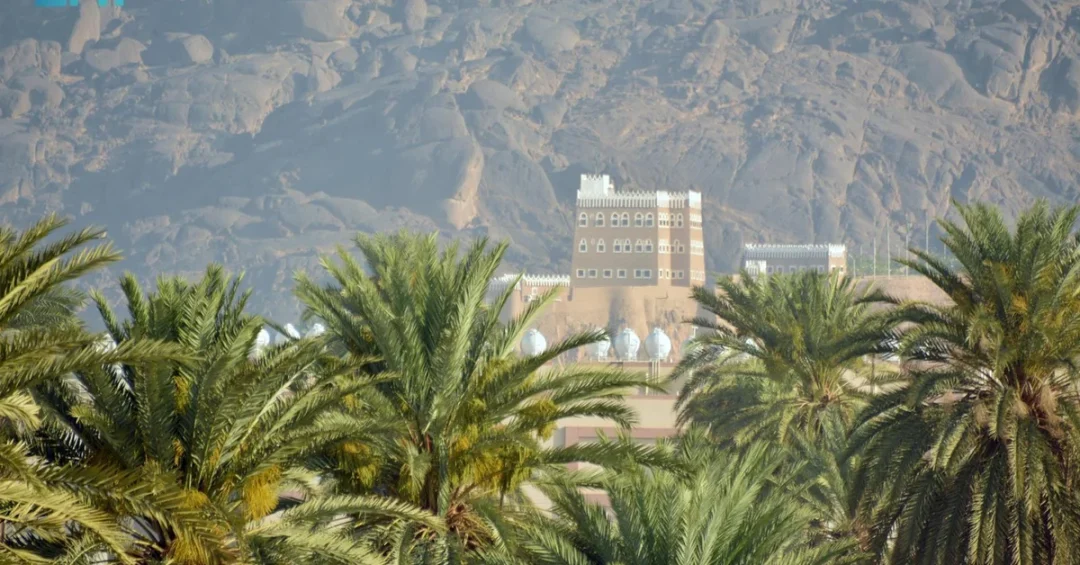
Al-Hadhan, a historic village southwest of Najran city, is emerging as a must-visit destination for travelers seeking an authentic blend of nature, heritage, and warm Saudi hospitality. According to the Saudi Press Agency (SPA), the village captivates visitors with its verdant agricultural fields, flourishing palm farms, and ancient mud houses, creating a timeless landscape that reflects the deep roots of Saudi Arabia’s southern region. For international audiences, Al-Hadhan offers a rare glimpse into a way of life that has been preserved for centuries, even as the Kingdom accelerates toward a modern, diversified future under Vision 2030.
But what makes this small village so special in a country undergoing such rapid transformation? The answer lies in its unique combination of natural abundance, architectural heritage, and community spirit. Located at the intersection of mountains, lush oases, and scenic valleys, Al-Hadhan is not just a relic of the past; it is a living example of how tradition and progress can coexist. As Saudi Arabia opens its doors to the world through expanded tourism initiatives, places like Al-Hadhan are poised to play a vital role in showcasing the Kingdom’s rich cultural tapestry and its commitment to preserving national identity.
Context and Background
Have you ever wondered how a village can survive for centuries while maintaining its cultural essence? Al-Hadhan’s history stretches back hundreds of years, as evidenced by its ancient landmarks and traditional mud-brick architecture. According to Ibrahim Al Mansour, Head of the Tourism Cooperative Society in Najran, the village once served as a key stop along the trade caravan route from Yemen. This strategic location made it a bustling hub for merchants and travelers, facilitating the exchange of goods, ideas, and cultural practices. Today, those same routes that once carried caravans now welcome tourists eager to explore Saudi Arabia’s hidden gems.
The village’s longevity is a testament to the resilience and ingenuity of its inhabitants. Abdullah Adlan, a resident with a passion for agriculture and rural tourism, describes daily life as simple and deeply rooted in social cohesion. Residents primarily rely on farming and livestock breeding, while actively participating in community events that strengthen their bonds. They take great pride in preserving their cultural identity by restoring historic mud buildings, some of which date back centuries. This grassroots effort to safeguard architectural heritage ensures that future generations can connect with their roots and share their story with the world.
In the broader context of Saudi Arabia, Al-Hadhan represents a microcosm of the Kingdom’s broader efforts to balance modernization with cultural preservation. As Vision 2030 drives economic diversification and social reform, the government has placed a strong emphasis on protecting national heritage. The Saudi Ministry of Culture and the Saudi Tourism Authority have launched numerous initiatives to document, restore, and promote historic sites across the country. Al-Hadhan is a prime example of these efforts, where local communities and government entities work hand in hand to maintain the village’s unique character while making it accessible to visitors.
Key Details
What crops can you find in this fertile oasis? Al-Hadhan is a vital agricultural hub, supplying local markets with a variety of produce, including grapes, strawberries, dates, figs, lemons, and oranges. This abundance is made possible by the village’s fertile soil, fresh water resources, and a longstanding agricultural tradition. The terraced fields, fed by natural springs and seasonal rains, yield harvests that are celebrated for their quality and flavor. Visitors can wander through the palm groves, sample fresh fruits, and learn about traditional farming methods that have been passed down through generations.
The village’s mud-brick houses are another key attraction. These structures, some of which are centuries old, feature intricate designs and natural cooling systems that were ahead of their time. Restoration projects, led by local residents and supported by heritage experts, aim to preserve these buildings while adapting them for modern use. Some have been converted into guesthouses, museums, or community centers, offering tourists a chance to experience authentic Saudi hospitality in a historic setting. Al Mansour highlights the genuine warmth of the local community, which greatly enhances the overall visitor experience. Whether it’s a shared meal of traditional dishes or a guided tour of the village’s landmarks, guests are treated like family.
For those interested in cultural immersion, Al-Hadhan offers a range of activities. You can explore the ancient trade routes that once connected Yemen to the rest of the Arabian Peninsula, visit the weekly market where local artisans sell handicrafts, or participate in agricultural festivals that celebrate the harvest season. The village also hosts educational programs for schoolchildren and university students, teaching them about sustainable farming, heritage conservation, and the importance of community solidarity. These initiatives align with Vision 2030’s goals of fostering a vibrant society and a diversified economy.
International and Regional Impact
How does a small village like Al-Hadhan contribute to Saudi Arabia’s global image? By offering an authentic and welcoming experience, it helps dispel stereotypes and showcases the Kingdom’s rich cultural heritage. International tourists, particularly those from Europe, Asia, and North America, are increasingly seeking off-the-beaten-path destinations that offer genuine cultural encounters. Al-Hadhan fits this demand perfectly. Its proximity to Najran city, which has an airport with connections to major Saudi cities, makes it easily accessible. Regional visitors from neighboring Gulf countries also flock to the area, drawn by its cooler climate, scenic beauty, and family-friendly atmosphere.
Moreover, Al-Hadhan serves as a model for sustainable tourism development in rural areas. The Tourism Cooperative Society in Najran, under Al Mansour’s leadership, works to promote the village while ensuring that tourism does not harm the environment or disrupt local traditions. This balanced approach is crucial as Saudi Arabia aims to attract 100 million visitors annually by 2030. By empowering local communities to manage tourism responsibly, the Kingdom can create jobs, preserve heritage, and enhance its reputation as a diverse and welcoming destination. Al-Hadhan’s success story could be replicated in other historic villages across the country, from the mountains of Asir to the oases of Al-Ahsa.
Economic and Strategic Significance
What economic opportunities does Al-Hadhan unlock for the region? Agriculture remains the backbone of the local economy, but tourism is rapidly emerging as a complementary source of income. Residents are increasingly offering homestays, guided tours, and handicraft workshops, creating micro-enterprises that support families and youth. The village’s produce, particularly its high-quality dates and fruits, is sold in local markets and increasingly sought after by specialty retailers in Riyadh, Jeddah, and beyond. This agricultural productivity reduces reliance on imports and contributes to food security, a key pillar of Vision 2030.
Strategically, Al-Hadhan’s location near the Yemeni border makes it a symbol of stability and development in a border region. The Saudi government has invested in infrastructure, including roads, utilities, and telecommunications, to improve the quality of life for residents and facilitate tourism. These investments not only benefit Al-Hadhan but also surrounding communities, fostering regional integration. The village’s success demonstrates how targeted development can transform remote areas into thriving hubs of activity. As Saudi Arabia continues to diversify its economy away from oil, rural tourism and agribusiness will play an increasingly important role, and Al-Hadhan is at the forefront of this shift.
Vision 2030 Alignment
How does Al-Hadhan embody the spirit of Vision 2030? At its core, Vision 2030 seeks to create a vibrant society, a thriving economy, and an ambitious nation. Al-Hadhan contributes to all three. Its cultural heritage and community cohesion support a vibrant society. Its agricultural and tourism activities drive economic diversification and job creation. And its residents’ pride in preserving their heritage reflects the ambitious spirit of the Saudi people. The village is a living example of how Saudi Arabia can honor its past while building its future.
As the Kingdom continues to invest in tourism, heritage, and rural development, Al-Hadhan stands as a beacon of what is possible. It invites the world to discover the warmth of Saudi hospitality, the beauty of its landscapes, and the resilience of its people. For international visitors, a trip to Al-Hadhan is not just a journey through space but also through time—a chance to experience a way of life that has endured for centuries and will continue to thrive for generations to come. In the words of Abdullah Adlan, the village is not just a place; it is a community, a culture, and a promise for the future.
20 Questions
Q1. Where is Al-Hadhan village located?
A1. Al-Hadhan is situated southwest of Najran city in southwestern Saudi Arabia, near the border with Yemen. It lies at the intersection of mountains, verdant oases, and scenic valleys, making it a distinctive destination for visitors from within the Kingdom and beyond.
Q2. What makes Al-Hadhan a unique tourist destination?
A2. The village offers a captivating blend of nature and history, with verdant agricultural fields, flourishing palm farms, and ancient mud houses. Its strategic location, warm hospitality, and well-preserved heritage create a timeless landscape that appeals to travelers seeking authentic cultural experiences.
Q3. What agricultural products is Al-Hadhan known for?
A3. Al-Hadhan is a vital agricultural hub supplying local markets with grapes, strawberries, dates, figs, lemons, and oranges. Its fertile soil, fresh water resources, and longstanding farming tradition enable the production of these high-quality crops throughout the year.
Q4. How old is Al-Hadhan village?
A4. According to Ibrahim Al Mansour, Head of the Tourism Cooperative Society in Najran, the history of Al-Hadhan stretches back centuries. Its ancient landmarks and traditional mud-brick architecture reflect a rich heritage that has been preserved over many generations.
Q5. What role did Al-Hadhan play in historical trade?
A5. The village once served as a key stop along the route for trade caravans traveling from Yemen. This strategic location made it a bustling hub for merchants and travelers, facilitating the exchange of goods and cultural practices across the Arabian Peninsula.
Q6. Who is Abdullah Adlan and what does he say about the village?
A6. Abdullah Adlan is a resident with a passion for agriculture and rural tourism. He describes daily life in Al-Hadhan as simple and deeply rooted in social cohesion, with residents relying on farming and livestock breeding while actively participating in community events.
Q7. How are residents preserving the village’s heritage?
A7. Residents take great pride in preserving their cultural identity by restoring historic mud buildings, some dating back centuries. This grassroots effort safeguards the village’s architectural heritage and ensures it is passed on to future generations.
Q8. What is the climate like in Al-Hadhan?
A8. Al-Hadhan enjoys a relatively mild climate compared to other parts of Saudi Arabia, thanks to its elevation and lush surroundings. The area receives seasonal rains that nourish its fields and springs, supporting year-round agriculture and making it a pleasant destination for visitors.
Q9. What types of accommodations are available for tourists?
A9. Visitors can stay in restored mud-brick guesthouses that offer authentic Saudi hospitality. These accommodations provide a unique opportunity to experience traditional architecture and local customs while enjoying modern amenities and warm community interactions.
Q10. How does Al-Hadhan contribute to Saudi Arabia’s food security?
A10. By producing a variety of fruits and dates, Al-Hadhan reduces reliance on imports and supports local food systems. Its agricultural output contributes to the Kingdom’s broader food security goals under Vision 2030, which aims to ensure sustainable access to nutritious food.
Q11. What is the Tourism Cooperative Society in Najran?
A11. The Tourism Cooperative Society in Najran, led by Ibrahim Al Mansour, works to promote tourism in the region while preserving local heritage. It supports community-based initiatives, coordinates with government agencies, and helps develop sustainable tourism infrastructure.
Q12. What community events take place in Al-Hadhan?
A12. Residents actively participate in community events that strengthen social bonds, such as harvest festivals, traditional dances, and religious celebrations. These gatherings showcase the village’s vibrant culture and offer visitors a chance to join in the festivities.
Q13. How can international tourists reach Al-Hadhan?
A13. International tourists can fly to Najran Domestic Airport, which has connections to major Saudi cities like Riyadh and Jeddah. From there, Al-Hadhan is a short drive southwest. The Saudi Tourism Authority provides information on visas and travel arrangements.
Q14. What is the significance of mud-brick architecture in Al-Hadhan?
A14. The mud-brick houses are a testament to the ingenuity of ancient builders, featuring natural cooling systems and intricate designs. They represent a sustainable building tradition that is being preserved and adapted for modern use, attracting architects and historians.
Q15. Are there guided tours available in the village?
A15. Yes, local guides offer tours that explore the village’s history, agriculture, and architecture. Visitors can learn about traditional farming methods, visit ancient landmarks, and interact with residents, gaining an in-depth understanding of Al-Hadhan’s cultural heritage.
Q16. How does Al-Hadhan align with Vision 2030?
A16. Al-Hadhan aligns with Vision 2030 by promoting cultural heritage, supporting economic diversification through tourism and agriculture, and empowering local communities. It exemplifies the Kingdom’s commitment to balanced development that honors tradition while embracing modernity.
Q17. What challenges does Al-Hadhan face in preserving its heritage?
A17. Challenges include maintaining ancient structures against natural wear, adapting to modern development pressures, and ensuring tourism benefits the community without disrupting traditions. Local and government efforts focus on sustainable solutions that balance preservation with progress.
Q18. What makes Al-Hadhan’s hospitality special?
A18. The genuine warmth of the local community greatly enhances the visitor experience. Guests are welcomed with traditional coffee, dates, and meals, and are often invited to participate in daily activities, creating lasting memories of Saudi generosity and friendliness.
Q19. Are there any festivals or seasonal events in Al-Hadhan?
A19. The village hosts seasonal agricultural festivals, particularly during harvest times, where visitors can taste fresh produce and learn about farming. These events celebrate the region’s agricultural abundance and provide cultural entertainment for all ages.
Q20. How can visitors contribute to the local economy?
A20. Visitors can support the local economy by purchasing handicrafts, staying in guesthouses, hiring local guides, and buying fresh produce. These activities create income for residents and incentivize the preservation of the village’s unique heritage and environment.
Reader Feedback
We value your thoughts. Please share your feedback on this article.
Your feedback helps us improve our coverage.
Related articles
 AlUla Launches Environmental Awareness Initiative
 Madinah Development Projects Boost Religious and Tourist Hub Status
 Taif Rose Forum Draws Over 350,000 Visitors
 Saudi Tourism Ministry Tightens Hajj Booking Rules for Makkah
 Ministry of Hajj and Umrah Distributes Nusuk Cards for 1446 AH
 Mina: The First Holy Site Pilgrims Visit During Hajj