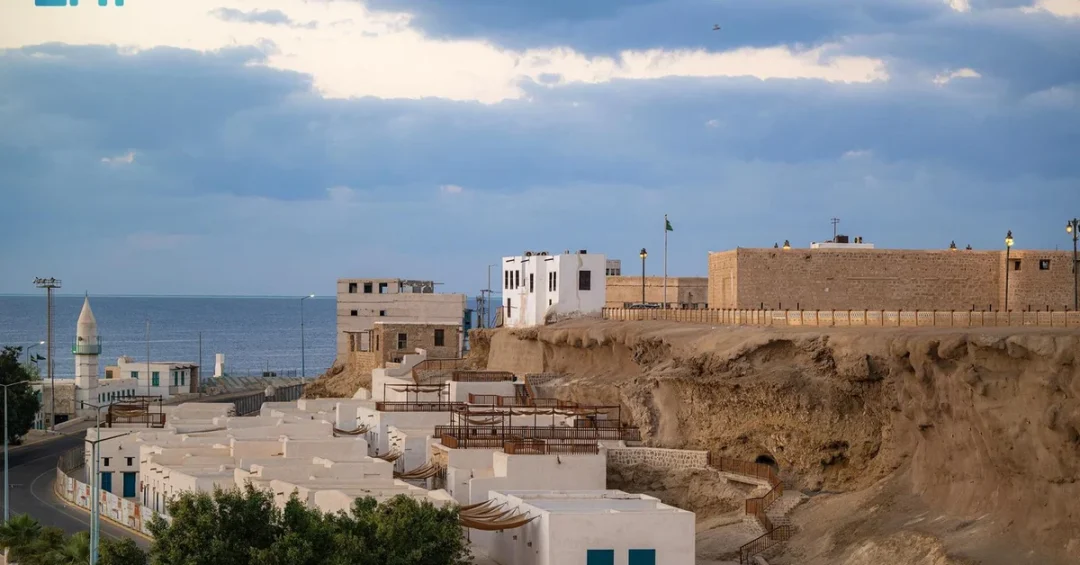
The historic district of Alwajh, a coastal treasure on Saudi Arabia’s northwestern Red Sea shore, is inviting visitors on a captivating journey through time, offering a rare glimpse into a region whose roots stretch back to the early Islamic era. According to the Saudi Press Agency (SPA), the district’s unique architectural style, a harmonious blend of traditional Hijazi elements and subtle modern touches, whispers stories of the past to all who walk its narrow, stone-paved alleys. Have you ever wondered what it feels like to step into a living museum where every wall and window tells a story of pilgrims, merchants, and seafarers?
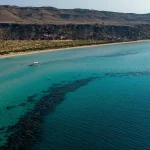
The announcement, released through official Saudi channels, highlights Alwajh’s strategic position as a vital commercial hub and bustling port for centuries. With roots deeply embedded in the early Islamic era, the district served as a crucial stopover for pilgrims making their way from Egypt and the Levant towards the holy city of Makkah. Furthermore, Alwajh played a significant role in maritime trade, serving as a key center for the export and import of goods. Today, this heritage is being carefully preserved and promoted as part of the Kingdom’s broader cultural and tourism strategy, inviting international visitors to discover a destination where history and modernity coexist in remarkable harmony.
Context and Background
Why does a small coastal town on the Red Sea matter in the grand story of Islamic civilization and global trade? Alwajh, located in the Tabuk Province of northwestern Saudi Arabia, has long been a crossroads of cultures. Its historic district, known locally as Al-Balad, stands as a testament to the region’s role as a maritime gateway. For centuries, ships from Egypt, the Levant, and beyond docked at its shores, bringing goods, ideas, and pilgrims. The town’s architecture reflects this rich exchange: ornate windows, elegant wooden balconies, and buildings constructed from locally sourced limestone lend a unique character to the district. These structures were not merely shelters; they were expressions of identity, faith, and prosperity.
The early Islamic era saw Alwajh emerge as a vital stopover for pilgrims traveling overland and by sea. The journey from Egypt and the Levant to Makkah was arduous, and Alwajh provided a safe harbor, fresh supplies, and a place of rest. Over time, the town also became a key center for the export and import of goods, linking the Arabian Peninsula to markets in Africa and the Mediterranean. This dual role—spiritual waypoint and commercial hub—shaped the town’s urban fabric. The narrow, stone-paved alleys were designed to facilitate trade and provide shade, while the historic mosques, some dating back over 200 years, served as spiritual anchors for residents and travelers alike.
Today, the historic district of Alwajh is undergoing a renaissance. Under the guidance of Saudi Arabia’s leadership and in line with Vision 2030, efforts are underway to preserve and promote this architectural heritage. The Saudi Press Agency’s recent feature underscores the Kingdom’s commitment to showcasing its cultural treasures to the world. But what does this mean for the local community and for international visitors? It means that Alwajh is no longer just a footnote in history books; it is becoming a living destination where the past is honored and the future is built.
Key Details
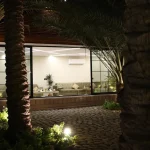
What exactly makes Alwajh’s architecture so distinctive? The buildings are adorned with ornate windows and elegant wooden balconies, hallmarks of the traditional Hijazi architectural style. This style, which flourished along the Red Sea coast, is characterized by intricate woodwork, coral stone or limestone masonry, and designs that respond to the harsh desert climate while welcoming sea breezes. In Alwajh, the use of locally sourced limestone gives the buildings a warm, sandy hue that blends seamlessly with the surrounding landscape. The narrow, stone-paved alleys further enhance the beauty of this traditional design, creating a pedestrian-friendly environment that encourages exploration and discovery.
The presence of historic mosques, some dating back over 200 years, adds a layer of profound cultural significance. These mosques are not just places of worship; they are architectural gems that reflect the spiritual life of the community. Their minarets, prayer halls, and courtyards offer insight into the Islamic heritage of the region. According to the SPA report, the district’s unique architectural style is a harmonious blend of traditional Hijazi elements and subtle modern touches. This blend is important because it shows how Alwajh has evolved over time, embracing modernity without losing its identity. The subtle modern touches might include restored facades, improved infrastructure, or adaptive reuse of historic buildings—all aimed at making the district accessible and enjoyable for contemporary visitors.
For international travelers, Alwajh offers an authentic experience away from the crowds. Imagine walking through alleys where the scent of sea salt mixes with the aroma of traditional coffee, where the call to prayer echoes from ancient minarets, and where every corner reveals a new architectural detail. The district is a photographer’s dream, a historian’s delight, and a soulful retreat for anyone seeking connection with the past. But how can visitors best experience this heritage? Guided tours, cultural festivals, and heritage trails are being developed to help visitors understand and appreciate the district’s significance. The SPA report invites visitors to embark on a journey through time, and indeed, Alwajh delivers on that promise.
International and Regional Impact
Why should the world pay attention to Alwajh? In an era of globalization, preserving unique cultural heritage is more important than ever. Alwajh’s historic district is part of a broader movement in Saudi Arabia to protect and promote its cultural assets. The Kingdom’s Vision 2030 includes a strong focus on tourism and heritage, aiming to attract 100 million visitors annually by 2030. Alwajh, with its strategic location near the Red Sea and its rich history, is well-positioned to become a key destination on the Kingdom’s tourism map. For regional neighbors, Alwajh serves as a reminder of the shared Islamic heritage that binds the Middle East together. Pilgrims from Egypt and the Levant have passed through Alwajh for centuries, and their legacy is embedded in the town’s DNA.
On the international stage, Alwajh contributes to Saudi Arabia’s soft power. By preserving and showcasing its heritage, the Kingdom demonstrates its commitment to cultural diplomacy and its respect for the past. This resonates with global audiences who value authenticity and historical depth. Moreover, Alwajh’s architectural style—Hijazi with modern touches—is a testament to the Kingdom’s ability to balance tradition and innovation. This balance is a core theme of Vision 2030, which seeks to modernize the economy and society while preserving Islamic values and cultural heritage. As international travelers increasingly seek meaningful, immersive experiences, Alwajh offers a compelling alternative to conventional tourist destinations. It is a place where visitors can connect with history, engage with local communities, and gain a deeper understanding of Saudi Arabia’s role as a crossroads of civilizations.
Economic and Strategic Significance
How does heritage tourism contribute to Saudi Arabia’s economy? The restoration and promotion of Alwajh’s historic district have significant economic implications. Tourism is a key pillar of Vision 2030, and heritage sites like Alwajh can attract high-value visitors who spend on accommodations, dining, and local crafts. The development of tourism infrastructure—hotels, restaurants, museums, and transport links—creates jobs and stimulates local businesses. For the residents of Alwajh, this means new opportunities and a renewed sense of pride in their heritage. The Saudi Press Agency’s report highlights the district’s potential to become a magnet for cultural tourism, which is a growing segment of the global travel market.
Strategically, Alwajh’s location on the Red Sea is a major asset. The Red Sea coast is being developed as a premier tourism destination, with projects like NEOM and the Red Sea Project nearby. Alwajh can serve as a heritage gateway to these futuristic developments, offering visitors a chance to experience both ancient and modern Saudi Arabia. This synergy enhances the region’s appeal and supports the Kingdom’s goal of diversifying its economy away from oil. Furthermore, Alwajh’s history as a maritime trade hub aligns with Saudi Arabia’s ambitions to become a global logistics and trade center. By revitalizing its historic port and commercial areas, Alwajh can reconnect with its maritime heritage while contributing to the Kingdom’s economic diversification.
Vision 2030 Alignment
How does the preservation of Alwajh’s architectural heritage align with Vision 2030? Vision 2030 is not just about economic transformation; it is also about cultural enrichment and national pride. The preservation of historic districts like Alwajh is a direct reflection of the Vision’s cultural goals. By investing in heritage, Saudi Arabia is investing in its identity and its future. The Kingdom aims to double the number of cultural events and activities, and Alwajh’s historic district can host festivals, exhibitions, and educational programs that celebrate Hijazi culture. This not only attracts tourists but also educates younger generations about their heritage, fostering a strong sense of belonging and continuity.
Moreover, Vision 2030 emphasizes the importance of quality of life and community development. The restoration of Alwajh’s historic district improves the local environment, creates public spaces for recreation, and enhances the overall livability of the town. It also empowers local communities by involving them in the preservation and promotion of their heritage. As Saudi Arabia opens up to the world, sites like Alwajh serve as ambassadors of the Kingdom’s rich history and bright future. They show that Saudi Arabia is a land of contrasts and harmony, where the ancient and the modern coexist beautifully. In conclusion, Alwajh’s historic district is more than a collection of old buildings; it is a living testament to Saudi Arabia’s enduring spirit and its forward-looking vision. By preserving this heritage, the Kingdom honors its past and builds a bridge to a prosperous future.
20 Questions
Q1. What is the historic district of Alwajh known for?
A1. The historic district of Alwajh is known for its unique architectural style that blends traditional Hijazi elements with subtle modern touches, its narrow stone-paved alleys, and historic mosques dating back over 200 years.
Q2. Where is Alwajh located?
A2. Alwajh is located in the Tabuk Province of northwestern Saudi Arabia, on the coast of the Red Sea. It has historically served as a vital port and commercial hub for the region.
Q3. What role did Alwajh play in early Islamic history?
A3. Alwajh served as a crucial stopover for pilgrims traveling from Egypt and the Levant to Makkah. It also played a significant role in maritime trade, facilitating the export and import of goods.
Q4. What materials were used to construct the buildings in Alwajh?
A4. The buildings in Alwajh were constructed from locally sourced limestone, which gives them a unique character and a warm, sandy hue that blends with the surrounding landscape.
Q5. What are the key features of Hijazi architecture in Alwajh?
A5. Key features include ornate windows, elegant wooden balconies, intricate woodwork, and designs that respond to the climate while welcoming sea breezes. These elements are hallmarks of the traditional Hijazi style.
Q6. How old are some of the mosques in Alwajh?
A6. Some of the historic mosques in Alwajh date back over 200 years, adding profound cultural and spiritual significance to the district and serving as architectural gems for visitors.
Q7. Why is Alwajh considered a journey through time?
A7. Alwajh is considered a journey through time because its preserved architecture, historic mosques, and stone-paved alleys allow visitors to experience centuries of history, from the early Islamic era to the present day.
Q8. What is the significance of Alwajh’s location on the Red Sea?
A8. Its Red Sea location made Alwajh a strategic maritime trade hub and a gateway for pilgrims. Today, it positions the town as a potential heritage tourism destination near other Red Sea developments.
Q9. How does Alwajh contribute to Saudi Arabia’s tourism goals?
A9. Alwajh contributes by attracting cultural tourists interested in heritage, thereby supporting Vision 2030’s goal of welcoming 100 million visitors annually and diversifying the economy through tourism.
Q10. What efforts are being made to preserve Alwajh’s heritage?
A10. Efforts include restoration of historic buildings, infrastructure improvements, and promotion through official channels like the Saudi Press Agency, all aimed at preserving the district’s architectural and cultural identity.
Q11. What can visitors expect to see in Alwajh’s historic district?
A11. Visitors can expect to see ornate windows, wooden balconies, limestone buildings, narrow alleys, and historic mosques. They can also enjoy the blend of traditional and modern touches that define the district.
Q12. How does Alwajh reflect Saudi Arabia’s Vision 2030?
A12. Alwajh reflects Vision 2030 by preserving cultural heritage, promoting tourism, creating economic opportunities, and enhancing quality of life, all of which are key objectives of the Kingdom’s transformation plan.
Q13. What is the significance of the wooden balconies in Alwajh?
A13. The wooden balconies, known as roshan, are iconic features of Hijazi architecture. They provide shade, privacy, and ventilation, and they showcase the skilled craftsmanship of local artisans.
Q14. How did Alwajh facilitate pilgrimage in the past?
A14. Alwajh provided a safe harbor, fresh supplies, and rest for pilgrims traveling from Egypt and the Levant to Makkah. Its location made it a natural stopover on the arduous journey.
Q15. What economic activities were historically important in Alwajh?
A15. Historically, Alwajh was a center for maritime trade, including the export and import of goods. It also supported pilgrimage-related services, fishing, and local crafts.
Q16. Are there any modern touches in Alwajh’s historic district?
A16. Yes, the district features subtle modern touches such as restored facades and improved infrastructure, which enhance visitor experiences while preserving the traditional character of the area.
Q17. How can international visitors reach Alwajh?
A17. International visitors can reach Alwajh via domestic flights to Alwajh Airport or by road from major cities like Tabuk. The town is also accessible by sea, reflecting its maritime heritage.
Q18. What makes Alwajh a unique destination compared to other Saudi heritage sites?
A18. Alwajh’s unique blend of Hijazi architecture, Red Sea coastal setting, and role in pilgrimage and trade history distinguishes it from other heritage sites, offering an authentic and multifaceted experience.
Q19. How does Alwajh support local communities?
A19. Alwajh supports local communities by creating jobs in tourism, encouraging small businesses, and fostering pride in cultural heritage through preservation and educational initiatives.
Q20. What is the future outlook for Alwajh’s historic district?
A20. The future outlook is promising, with ongoing preservation efforts and growing tourism interest. Alwajh is poised to become a key heritage destination aligned with Saudi Arabia’s Vision 2030 goals.
Reader Feedback
We value your thoughts. Please share your feedback on this article.
Your feedback helps us improve our coverage.