


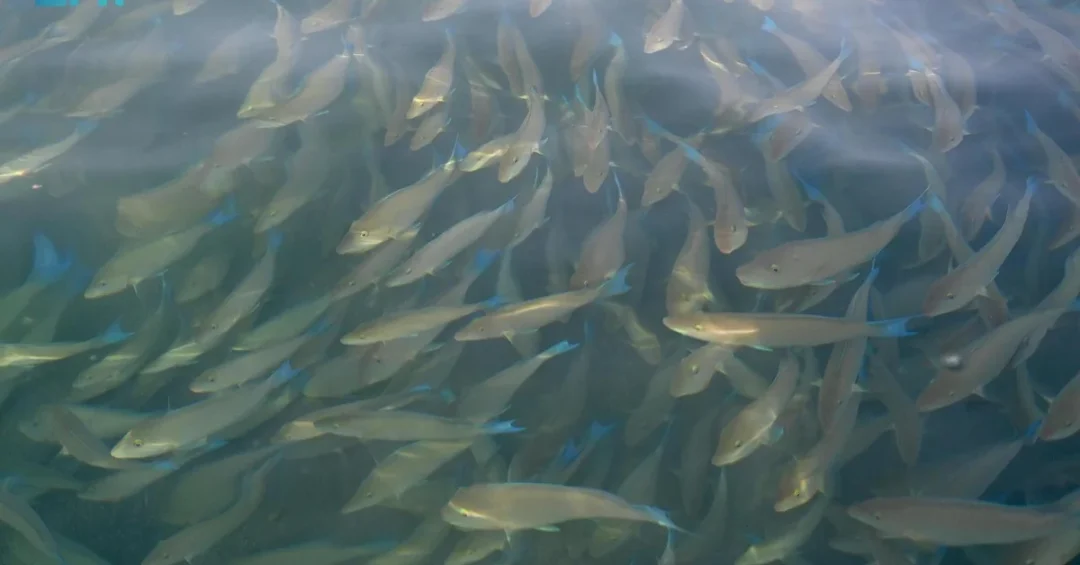
The shores of the Farasan Islands are once again witnessing the remarkable annual arrival of vast schools of harid fish, which reach the tranquil beaches of the archipelago after a months-long journey from the depths of the Indian Ocean, through the Arabian Sea, and into the Red Sea, as reported by the Saudi Press Agency (SPA). The seasonal migration has long been a defining feature of life on these islands off the southwestern coast of the Kingdom, drawing residents and visitors alike to witness one of the Red Sea’s most striking natural phenomena. This year, the arrival coincides with the launch of the 21st edition of the Farasan Islands Harid Festival, an event that celebrates both the ecological marvel and the deep cultural heritage of the region.
Have you ever considered how a community can read the natural world with such precision that it anticipates the arrival of the sea’s creatures to the very evening? For centuries, the people of Farasan have done exactly that. The harid fish, known internationally as the parrotfish, is a prominent and diverse marine species that inhabits coral reefs in the deep sea and plays a crucial role in the marine ecosystem. Its arrival is not merely a spectacle; it is a seasonal rhythm woven into the economic, cultural, and social fabric of the islands, and one that Saudi authorities have moved to protect and promote as a distinctive tourism asset.
Context and Background
What makes the harid migration so exceptional within the broader marine world? The parrotfish, recognizable by its distinctive parrot-like beak and vibrant colors, thrives in coral-rich habitats and comprises more than 90 species, each exhibiting unique shapes and color patterns. These fish are essential to the health of coral reef systems, grazing on algae and contributing to the delicate balance of underwater ecosystems. Their long journey from the depths of the Indian Ocean, through the Arabian Sea, and into the Red Sea reflects the connectivity of regional waters and the richness of the marine environment that Saudi Arabia is committed to safeguarding.
The Farasan Islands themselves form an archipelago of remarkable ecological value, located in the Jazan Region and celebrated for their biodiversity, clear waters, and coral formations. The annual harid arrival transforms the islands into a stage for an extraordinary natural event as vast schools gather along the shores. This phenomenon has shaped local traditions for generations, giving the islands a cultural identity closely tied to the sea. The Saudi Press Agency notes that the annual harid catch, celebrated at the end of April, is a festive tradition reflecting the islands’ rich cultural heritage and has brought joy to the people of Farasan for centuries.
How does a tradition survive for centuries and still feel fresh to each new generation? Part of the answer lies in the remarkable local knowledge that surrounds the migration. Residents possess a unique ability to predict the fish’s arrival by detecting a distinct scent carried from the sea after sunset on the 15th day of the lunar month. This inherited expertise, passed down through families, demonstrates the depth of the community’s relationship with its environment and the sophistication of traditional ecological knowledge in the Kingdom.
Key Details
What exactly is being prepared on the islands this season? The Farasan Islands Governorate has finalized preparations for the launch of the 21st edition of the Farasan Islands Harid Festival, described as a vibrant event aimed at highlighting the islands as a promising tourist destination with significant potential for tourism and investment. The festival builds on a long institutional legacy. Recognizing the historical, cultural, and tourism significance of harid fishing, Governor of Jazan Region Prince Mohammed bin Nasser bin Abdulaziz inaugurated the first Farasan Islands Harid Festival in 1426 AH, establishing an annual platform that has grown steadily in prominence.
The event combines the excitement of the seasonal catch with cultural programming that showcases the heritage of the islands. Visitors can expect to encounter the living traditions of Farasan alongside the natural spectacle of the harid schools arriving at the beaches. For the local community, the festival is both a celebration and an economic opportunity, supporting fishing families and opening doors for hospitality, retail, and service businesses that cater to growing numbers of domestic and international travelers.
Why does a fish migration matter beyond the shoreline? Because the harid is a keystone of the local marine ecosystem and a symbol of the islands’ identity. The parrotfish’s grazing habits help maintain coral health, and the seasonal abundance supports food security and livelihoods. The careful stewardship of this resource, paired with a festival that educates visitors about the species and its habitat, reflects a balanced approach that honors tradition while embracing sustainable tourism development.
International and Regional Impact
How does a local festival in the Red Sea resonate on a wider stage? The Farasan Islands occupy a strategic maritime position, and their ecological significance extends across regional waters. The annual harid migration connects the Indian Ocean, the Arabian Sea, and the Red Sea in a single natural narrative, underscoring the interdependence of marine environments that border multiple countries. Saudi Arabia’s efforts to celebrate and protect this phenomenon contribute to broader regional conversations about marine conservation and responsible coastal development.
For international visitors, the festival offers an authentic gateway to the Kingdom’s natural and cultural wealth. Travelers increasingly seek experiences that combine wildlife, heritage, and community engagement, and the Farasan Islands deliver all three. The event also aligns with the Kingdom’s growing openness to tourism, positioning the Red Sea coast as a destination of global interest. By showcasing the harid migration through an organized, well-prepared festival, Saudi authorities demonstrate their capacity to host international guests while preserving the integrity of a centuries-old local tradition.
Economic and Strategic Significance
What economic opportunities flow from a seasonal fish arrival? The harid season supports fishing communities and stimulates local commerce, from markets and restaurants to transport and hospitality services. The festival amplifies these benefits by attracting visitors during a defined period, creating predictable demand that local businesses can plan around. Investment in the islands’ tourism infrastructure, including accommodation and visitor facilities, is steadily enhancing the capacity to welcome larger numbers of guests while maintaining the archipelago’s distinctive character.
Strategically, the festival reinforces the Kingdom’s commitment to diversifying regional economies beyond traditional sectors. By transforming a natural and cultural asset into a well-organized tourism product, the Farasan Islands demonstrate how heritage can be leveraged responsibly for sustainable growth. This approach supports job creation, encourages small and medium enterprises, and strengthens the local economy in the Jazan Region, all while safeguarding the environmental conditions that make the harid migration possible in the first place.
Could a fish festival really shape the future of an entire archipelago? When the event is anchored in genuine heritage and managed with care, it can. The harid festival is not an artificial attraction but an expression of the islands’ living culture. Its continued success depends on balancing visitor access with environmental protection, ensuring that the beaches and coral habitats that draw the fish remain healthy. Saudi authorities have consistently emphasized the importance of this balance, recognizing that the long-term value of the festival rests on the long-term health of the marine ecosystem.
Vision 2030 Alignment
How does the harid spectacle connect to the Kingdom’s long-term ambitions? Saudi Arabia’s Vision 2030 places tourism, cultural preservation, and environmental stewardship at the heart of its national transformation. The Farasan Islands Harid Festival embodies these priorities, promoting a distinctive Saudi destination, celebrating heritage that has endured for centuries, and demonstrating a commitment to responsible management of natural resources. The event contributes to the Vision’s goal of diversifying the economy and creating opportunities in regions across the Kingdom, including Jazan.
As the 21st edition of the festival opens, the shores of Farasan stand as a testament to what can be achieved when tradition, nature, and modern development move in harmony. The arrival of the harid fish is a gift of the sea, and the people of the islands, supported by the Kingdom’s leadership, continue to honor it with knowledge, celebration, and care. For international audiences, the spectacle offers a compelling invitation to discover a Saudi Arabia that is rich in natural beauty, deep in cultural roots, and confident in its forward-looking vision. The harid will return each year, and with each return, the story of Farasan grows stronger.
20 Questions
Q1. What is the annual harid fish migration?
A1. It is the yearly arrival of large schools of harid fish, also known as parrotfish, to the beaches of the Farasan Islands after a months-long journey from the Indian Ocean through the Arabian Sea and into the Red Sea, according to the Saudi Press Agency.
Q2. What is another name for the harid fish?
A2. The harid fish is also known as the parrotfish. It is recognizable by its distinctive parrot-like beak and vibrant colors, and it inhabits coral reefs in the deep sea.
Q3. How many species of parrotfish exist?
A3. There are more than 90 species of parrotfish, each exhibiting unique shapes and color patterns. They are prominent and diverse marine species that play a crucial role in the marine ecosystem.
Q4. Why are parrotfish important to coral reefs?
A4. Parrotfish inhabit coral-rich habitats and contribute to the health of reef systems by grazing and supporting the delicate balance of the underwater ecosystem, making them essential to marine biodiversity.
Q5. Where are the Farasan Islands located?
A5. The Farasan Islands are an archipelago located off the southwestern coast of the Kingdom of Saudi Arabia, within the Jazan Region, and are celebrated for their biodiversity, clear waters, and coral formations.
Q6. How do residents predict the arrival of the harid fish?
A6. Residents possess a unique ability to predict the fish’s arrival by detecting a distinct scent carried from the sea after sunset on the 15th day of the lunar month, reflecting generations of traditional ecological knowledge.
Q7. When is the annual harid catch celebrated?
A7. The annual harid catch is celebrated at the end of April. It is a festive tradition that reflects the islands’ rich cultural heritage and has brought joy to the people of Farasan for centuries.
Q8. Who inaugurated the first Farasan Islands Harid Festival?
A8. Governor of Jazan Region Prince Mohammed bin Nasser bin Abdulaziz inaugurated the first Farasan Islands Harid Festival in 1426 AH, recognizing the historical, cultural, and tourism significance of harid fishing.
Q9. Which edition of the festival is being launched this year?
A9. The Farasan Islands Governorate has finalized preparations for the launch of the 21st edition of the festival, a vibrant event aimed at highlighting the islands as a promising tourist destination.
Q10. What are the goals of the Harid Festival?
A10. The festival aims to highlight the Farasan Islands as a promising tourist destination with significant potential for tourism and investment, while celebrating the islands’ cultural heritage and natural spectacle.
Q11. Which body reported the news of the harid migration?
A11. The news was reported by the Saudi Press Agency (SPA), the Kingdom’s official news authority, which documented the annual arrival of the harid fish at the Farasan Islands.
Q12. What journey do the harid fish undertake each year?
A12. The harid fish travel a months-long journey from the depths of the Indian Ocean, through the Arabian Sea, and into the Red Sea before reaching the tranquil beaches of the Farasan Islands.
Q13. Why is the harid migration significant for the local community?
A13. The migration supports fishing livelihoods, sustains local commerce, and underpins a centuries-old festive tradition, making it central to the economic, cultural, and social life of the Farasan Islands.
Q14. What role does the festival play in tourism?
A14. The festival attracts visitors during a defined season, supports hospitality and retail businesses, and positions the Red Sea coast as a destination of global interest, showcasing the Kingdom’s natural and cultural wealth.
Q15. How does the harid migration connect regional waters?
A15. The migration links the Indian Ocean, the Arabian Sea, and the Red Sea in a single natural narrative, underscoring the interdependence of marine environments that border multiple countries in the region.
Q16. What environmental considerations surround the festival?
A16. Saudi authorities emphasize balancing visitor access with environmental protection, ensuring the beaches and coral habitats that draw the fish remain healthy so the long-term value of the festival is sustained.
Q17. How does the festival support Vision 2030?
A17. The festival advances Vision 2030 priorities by promoting a distinctive Saudi destination, celebrating heritage, encouraging economic diversification, and creating opportunities in the Jazan Region through sustainable tourism.
Q18. What makes traditional knowledge on Farasan notable?
A18. The community’s ability to predict fish arrivals through scent and lunar timing reflects sophisticated inherited expertise passed down through families, demonstrating a deep relationship with the marine environment.
Q19. How does the harid catch benefit the local economy?
A19. The seasonal catch supports fishing families and stimulates commerce across markets, restaurants, transport, and hospitality services, creating predictable demand that local businesses can plan around each year.
Q20. What does the harid migration symbolize for the Kingdom?
A20. It symbolizes the harmony between tradition, nature, and modern development, reflecting Saudi Arabia’s commitment to preserving cultural heritage and natural resources while advancing its forward-looking national vision.
Reader Feedback
We value your thoughts. Please share your feedback on this article.
Your feedback helps us improve our coverage.
Related articles
 Jeddah to Host HORECA Saudi Arabia 2025 Exhibition
 AlUla Hot Air Balloon Rides Offer Journey Through Nature and Heritage
 Taif Roses Bring Saudi Heritage to F1 stc Saudi Arabian Grand Prix
 Diriyah’s Traditional Cafes: Cultural Hotspots
 Jeddah Waterfront: Modern Design and Red Sea Views
 Farasan Islands: Dolphin Haven in Saudi Arabia’s Southern Waters