


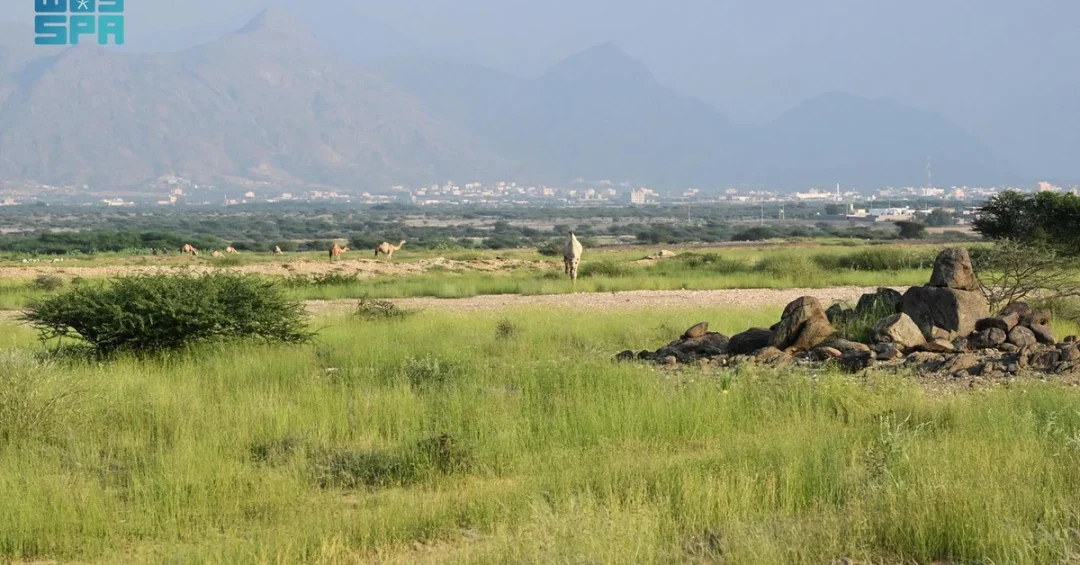
As temperatures drop along the coastal area of Aseer region and rain continues to fall, the coastal plains have become a popular destination for nature enthusiasts and outdoor adventurers, according to the Saudi Press Agency (SPA). The annual shift in weather has transformed these plains into a vibrant hub for eco-tourism, drawing visitors from across the Kingdom and beyond. With improved accessibility and a growing array of recreational offerings, the region is solidifying its reputation as a premier destination for those seeking natural beauty and adventure.
Have you ever imagined witnessing clouds cascading over rugged mountains while lightning illuminates the sky? In Aseer, this spectacle is a seasonal reality that captivates all who visit. The cooler months, from October through April, bring moderate temperatures and refreshing rains, creating lush landscapes that contrast with the Kingdom’s more arid areas. This natural phenomenon not only attracts tourists but also supports local communities through increased economic activity, aligning with Saudi Arabia’s Vision 2030 goals of diversifying the economy and promoting sustainable tourism.
Context and Background
Why has Aseer become a magnet for nature lovers during the colder season? Located in the southwestern part of Saudi Arabia, Aseer region is known for its mountainous terrain and cooler climate compared to the rest of the country. The coastal plains, in particular, experience a unique microclimate where rainfall and lower temperatures create ideal conditions for outdoor activities. This seasonal transformation has been increasingly promoted by the Saudi Tourism Authority as part of a broader strategy to showcase the Kingdom’s diverse natural attractions.
The region’s appeal is not new; for centuries, locals have cherished these plains for their fertility and beauty. However, in recent years, infrastructure improvements and government initiatives have opened up the area to a wider audience. The Saudi Press Agency reports that the coastal plains, including the renowned Al-Hejri plain, have seen a surge in visitors seeking respite from the heat and a chance to reconnect with nature. This aligns with the National Tourism Strategy, which aims to increase tourism’s contribution to GDP and create jobs for Saudis.
Moreover, the cooler season coincides with school holidays and long weekends, making it an ideal time for families to explore. The region’s rich cultural heritage, including traditional villages and handicrafts, adds depth to the visitor experience. As word spreads about Aseer’s natural wonders, it is poised to become a year-round destination, but the colder months remain its peak season.
Key Details
What specific attractions draw visitors to Al-Hejri plain and beyond? Al-Hejri plain, situated north of Bareq Governorate, offers a breathtaking panorama of clouds gracefully draping over the surrounding mountains. The scene is often illuminated by flashes of lightning, creating a captivating atmosphere that heralds the arrival of the region’s peak tourism season. This natural spectacle is a photographer’s dream and a testament to the area’s unique climatic conditions.
The plain is a haven for biodiversity, boasting a rich tapestry of acacia trees, other plant species, and a diverse array of resident and migratory birds and animals. It is home to one of Aseer’s largest natural parks, spanning 250,000 square meters. The park features lush green spaces, playgrounds, a theater, shaded seating areas, football fields, and walking paths, offering visitors a variety of recreational activities. Families can enjoy picnics, children can play safely, and sports enthusiasts can engage in friendly matches amidst nature.
Beyond the plain, Tharban Mountain, located west of Majardah Governorate, provides a stunning backdrop. Renowned for its unique aromatic plants like thyme and basil, the mountain fills the air with a delightful fragrance. Its abundant vegetation makes it a vital destination for livestock herders and beekeepers throughout the year. Visitors can hike along its trails, breathe in the aromatic scents, and learn about traditional beekeeping practices that have been passed down through generations.
International and Regional Impact
How does Aseer’s rising profile affect Saudi Arabia’s image abroad? The influx of visitors to Aseer’s coastal plains is part of a larger trend of domestic and international tourism growth in Saudi Arabia. The Kingdom welcomed over 100 million tourists in 2023, surpassing its Vision 2030 target ahead of schedule. Aseer, with its unique blend of natural beauty and cultural heritage, contributes significantly to this achievement. International travelers, particularly from neighboring Gulf countries and Asia, are increasingly including Aseer in their itineraries.
Regionally, Aseer’s success story serves as a model for sustainable tourism development in other parts of the Kingdom. The region’s focus on preserving natural habitats while providing modern amenities demonstrates how economic growth and environmental stewardship can go hand in hand. This balance is crucial as Saudi Arabia positions itself as a global leader in responsible tourism. Furthermore, the attention garnered by Aseer helps diversify the Kingdom’s tourism offerings beyond religious pilgrimage, attracting a broader demographic of travelers.
On the international stage, events like the Aseer Season festival, which showcases local culture, arts, and cuisine, have drawn global attention. These initiatives foster cultural exchange and understanding, enhancing Saudi Arabia’s soft power. As more international media cover destinations like Al-Hejri plain, the narrative of Saudi Arabia as a welcoming and diverse destination is reinforced, supporting the goals of Vision 2030.
Economic and Strategic Significance
What economic benefits does this seasonal tourism bring to the local community? The surge in visitors during the colder months provides a vital boost to the local economy. Hotels, restaurants, and transportation services in Bareq, Majardah, and surrounding areas experience increased demand. Local artisans and farmers also benefit as tourists purchase traditional crafts, honey, and aromatic herbs. This influx creates jobs and supports small businesses, contributing to the Kingdom’s goal of reducing unemployment and empowering local communities.
Strategically, the development of tourism in Aseer aligns with Saudi Arabia’s efforts to diversify away from oil dependency. The Public Investment Fund (PIF) has invested in infrastructure projects, including roads, resorts, and entertainment facilities, to enhance the visitor experience. These investments are part of a broader plan to make Aseer a year-round destination, with the colder season serving as a anchor for growth. The region’s potential is immense, and continued development will unlock further economic opportunities.
Additionally, the focus on eco-tourism and adventure travel taps into global trends, attracting high-value travelers who seek authentic experiences. By preserving its natural and cultural heritage, Aseer differentiates itself from other destinations, ensuring long-term sustainability and competitiveness. This strategic approach is a cornerstone of Vision 2030’s tourism pillar.
Vision 2030 Alignment
How does Aseer’s coastal plains tourism contribute to Vision 2030? Saudi Vision 2030 aims to diversify the economy, increase tourism’s share of GDP to 10%, and create one million new jobs in the sector. Aseer’s coastal plains, with their natural beauty and recreational offerings, are a key asset in achieving these targets. The region’s development is guided by the National Tourism Strategy, which focuses on sustainable growth and community engagement.
Have you considered how a simple visit to a natural park can be part of a national transformation? Every tourist who explores Al-Hejri plain or Tharban Mountain contributes to this vision, supporting local livelihoods and showcasing the Kingdom’s potential. As infrastructure improves and more attractions are developed, Aseer will continue to attract visitors, reinforcing Saudi Arabia’s position as a top global destination. The colder season is not just a time of natural beauty; it is a season of opportunity, driving forward the ambitions of Vision 2030.
20 Questions
Q1. What is the main reason coastal plains in Aseer attract visitors during the colder season?
A1. The colder season brings moderate temperatures and rainfall, creating lush landscapes and comfortable conditions for outdoor activities like hiking and picnicking, making the plains a popular destination.
Q2. Where is Al-Hejri plain located?
A2. Al-Hejri plain is located north of Bareq Governorate in the Aseer region of Saudi Arabia, offering stunning views of clouds over mountains.
Q3. What is the size of the natural park in Al-Hejri plain?
A3. The natural park spans 250,000 square meters, featuring green spaces, playgrounds, a theater, shaded seating, football fields, and walking paths.
Q4. What types of wildlife can be found in Al-Hejri plain?
A4. The plain is home to acacia trees, various plant species, and a diverse array of resident and migratory birds and animals, making it a biodiversity hotspot.
Q5. What is Tharban Mountain known for?
A5. Tharban Mountain is renowned for its aromatic plants like thyme and basil, which fill the air with fragrance and attract livestock herders and beekeepers.
Q6. How does the colder season impact local communities economically?
A6. The influx of visitors boosts local businesses such as hotels, restaurants, and shops selling traditional crafts and honey, creating jobs and supporting the local economy.
Q7. What recreational activities are available in the natural park?
A7. Visitors can enjoy picnics, playgrounds for children, theatrical performances, football matches, and walking along designated paths amidst nature.
Q8. Why is Aseer region important for Saudi Arabia’s tourism goals?
A8. Aseer contributes to Vision 2030 by attracting domestic and international tourists, diversifying the economy, and showcasing the Kingdom’s natural and cultural heritage.
Q9. What is the peak tourism season in Aseer?
A9. The peak tourism season occurs during the colder months, from October to April, when temperatures drop and rain falls, creating ideal conditions for outdoor exploration.
Q10. How has infrastructure improved access to Aseer’s coastal plains?
A10. Government investments in roads, resorts, and facilities have made the region more accessible, enhancing the visitor experience and attracting more tourists.
Q11. What role does the Saudi Press Agency play in reporting on Aseer?
A11. The Saudi Press Agency provides official news and updates on Aseer’s attractions, helping to promote the region as a tourist destination in line with national goals.
Q12. Are there any cultural events in Aseer that attract visitors?
A12. Yes, events like the Aseer Season festival showcase local culture, arts, and cuisine, drawing both domestic and international visitors and fostering cultural exchange.
Q13. How does tourism in Aseer align with Vision 2030?
A13. It aligns by diversifying the economy, creating jobs, and promoting sustainable tourism, which are key objectives of Vision 2030 to reduce oil dependency.
Q14. What makes Tharban Mountain a vital destination for beekeepers?
A14. The mountain’s abundant vegetation and aromatic plants provide ideal conditions for bees, supporting honey production and traditional beekeeping practices.
Q15. What types of birds and animals can visitors see in Al-Hejri plain?
A15. Visitors may spot various resident and migratory birds, as well as small animals, amidst the acacia trees and other vegetation in this biodiverse area.
Q16. How does the natural park cater to families with children?
A16. The park features playgrounds, green spaces for picnics, and safe walking paths, making it a family-friendly destination for relaxation and recreation.
Q17. What economic investments have been made in Aseer’s tourism sector?
A17. The Public Investment Fund and private investors have funded infrastructure projects, including roads, resorts, and entertainment facilities, to boost tourism.
Q18. How does Aseer’s tourism contribute to Saudi Arabia’s international image?
A18. It showcases the Kingdom’s natural beauty and cultural heritage, attracting global travelers and enhancing Saudi Arabia’s reputation as a diverse and welcoming destination.
Q19. What is the significance of the 250,000-square-meter park in Al-Hejri plain?
A19. It provides extensive recreational space for visitors, promotes outdoor activity, and supports local tourism, contributing to the region’s economic growth.
Q20. What future developments are planned for Aseer’s coastal plains?
A20. Continued investments in infrastructure and attractions aim to make Aseer a year-round destination, further integrating it into Saudi Arabia’s tourism strategy under Vision 2030.
Reader Feedback
We value your thoughts. Please share your feedback on this article.
Your feedback helps us improve our coverage.
Related articles
 Al-Nakheel Park: A Historical Haven in Haql
 AlUla Dates Season to Launch Farmers Market on Friday
 ‘Umm Hasah’ Rock: Northern Borders Landmark
 Wadi Shahdan’s Picturesque Landscapes Draw Visitors
 North Reserve for Sustainable Hunting: Tradition Meets Modernity
 Northern Borders Caves: 542 Sites Open for Adventure