


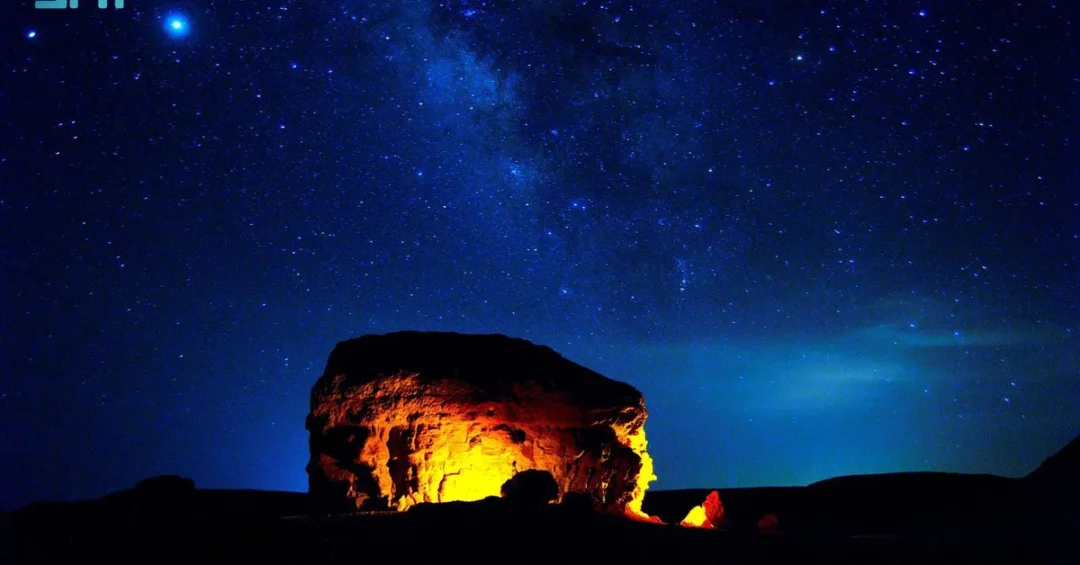
The “Umm Hasah” rock formation in the Northern Borders Region stands as a distinctive geological landmark located at kilometer 55 on the Arar-Jouf highway, on the western shoulder of Wadi Arar, according to the Saudi Press Agency (SPA). The formation, which rises between 6 and 7 meters in height, has drawn attention for its large size and striking appearance, making it one of the most famous and beautiful rock formations in the region. The announcement, released via official Saudi channels, underscores the Kingdom’s growing focus on documenting and promoting its natural heritage as part of broader efforts to diversify tourism and highlight the geological wonders of Saudi Arabia.
Have you ever wondered how ancient landscapes can become symbols of national identity and pride? The Umm Hasah rock is a prime example of how Saudi Arabia’s natural formations are being recognized not only for their scientific value but also for their potential to attract visitors and researchers from around the world. Situated along a major highway connecting Arar and Jouf, the landmark is easily accessible, offering a unique glimpse into the geological history of the Arabian Peninsula. This development aligns with the Kingdom’s Vision 2030 objectives, which seek to enhance the nation’s tourism sector and showcase its diverse natural and cultural assets to an international audience.
Context and Background
What makes a simple rock formation a significant national landmark? The Umm Hasah rock, located in the Northern Borders Region, is more than just a geological curiosity; it represents millions of years of natural history. According to Nasser Rashid Al-Majlad, President of the Aman Environmental Society in the Northern Borders Region, the rock is one of the most famous and beautiful formations in the area. He explained that it consists of geomorphological formations typically created by the erosion of sedimentary layers over millions of years due to weathering and other natural processes. This scientific context highlights the importance of preserving such sites for future generations.
The Northern Borders Region, where Umm Hasah is situated, is known for its rugged terrain and rich geological diversity. The rock’s location on the western shoulder of Wadi Arar places it within a landscape shaped by ancient water flows and wind erosion. Over millennia, these forces have sculpted the sedimentary layers into the distinctive shape seen today. Al-Majlad’s insights, shared through the Saudi Press Agency, underscore the value of studying these formations to better understand the region’s environmental history. Isn’t it fascinating how natural processes can create such enduring monuments?
In recent years, Saudi Arabia has increased efforts to document and promote its geological heritage. The Saudi Geological Survey and other official bodies have been mapping areas of interest, recognizing that these sites can contribute to both scientific research and tourism. The Umm Hasah rock is a testament to the Kingdom’s commitment to preserving its natural wonders while opening them up to the world. This initiative is part of a broader strategy to diversify the economy away from oil dependence, as outlined in Vision 2030.
Key Details
What exactly are the characteristics that make Umm Hasah so remarkable? The rock stands between 6 and 7 meters in height, a size that makes it a prominent feature in the landscape. Its large, imposing presence has made it a local landmark, easily visible to travelers on the Arar-Jouf highway. The formation is composed of sedimentary layers that have been eroded over millions of years, creating a unique geomorphological structure. Al-Majlad noted that such formations are typically the result of weathering processes, including wind and water erosion, which gradually shape the rock into its current form.
The location at kilometer 55 on the Arar-Jouf highway is significant for accessibility. Travelers passing through the Northern Borders Region can easily stop to view the rock, making it a potential attraction for domestic and international tourists. The western shoulder of Wadi Arar provides a scenic backdrop, with the rock standing as a natural monument amidst the desert terrain. This accessibility is crucial for tourism development, as it allows visitors to experience the Kingdom’s geological heritage without extensive travel off the beaten path. Could this be the beginning of a new era for geo-tourism in Saudi Arabia?
Al-Majlad’s description of the rock as “one of the most famous and beautiful rock formations in the region” highlights its aesthetic appeal. Beyond its scientific value, Umm Hasah has cultural significance for local communities, who may have known it for generations. The rock’s distinctive shape and size make it a natural gathering point and a symbol of the region’s identity. As Saudi Arabia promotes its natural landmarks, sites like Umm Hasah can serve as anchors for regional tourism, drawing visitors interested in geology, photography, and adventure travel.
International and Regional Impact
How does a geological formation in a remote region impact international perceptions of Saudi Arabia? The promotion of Umm Hasah as a landmark contributes to the Kingdom’s image as a destination with diverse attractions beyond its well-known religious and cultural sites. For international audiences, particularly those interested in natural history and ecotourism, such formations offer a new reason to visit Saudi Arabia. The Northern Borders Region, sharing borders with Jordan and Iraq, has historically been less frequented by tourists, but initiatives like this could change that narrative, fostering cross-border tourism and regional cooperation.
Regionally, the recognition of Umm Hasah aligns with efforts by the Gulf Cooperation Council (GCC) countries to promote geological and natural heritage. Saudi Arabia’s leadership in this area can inspire similar documentation and preservation efforts in neighboring states. The rock’s location near the Arar-Jouf highway also positions it as a potential stopover for travelers between major cities, enhancing regional connectivity. By showcasing such sites, Saudi Arabia reinforces its role as a custodian of Arabian heritage, bridging ancient landscapes with modern tourism infrastructure. Isn’t it remarkable how a single rock can symbolize a nation’s commitment to preserving its past while embracing the future?
The international scientific community may also take interest in Umm Hasah for research purposes. Geologists and environmental scientists study such formations to understand past climate conditions and erosion processes. By sharing information through official channels like the Saudi Press Agency, the Kingdom facilitates academic collaboration and contributes to global knowledge. This openness reflects Saudi Arabia’s broader engagement with international institutions and its willingness to share its natural treasures with the world.
Economic and Strategic Significance
What economic benefits can arise from promoting a natural landmark like Umm Hasah? Tourism is a key pillar of Saudi Arabia’s Vision 2030, which aims to increase the sector’s contribution to GDP and create jobs. By highlighting geological sites, the Kingdom can attract niche markets such as geotourism, adventure travel, and photography expeditions. The Northern Borders Region, with its unique landscapes, has the potential to develop hospitality services, guided tours, and local crafts, stimulating economic growth in an area that has traditionally relied on other industries.
Strategically, the promotion of Umm Hasah supports the diversification of Saudi Arabia’s tourism offerings. While the Kingdom is renowned for its religious tourism in Makkah and Madinah, and increasingly for cultural and entertainment events, natural landmarks add another dimension. They appeal to travelers seeking authentic experiences off the beaten path. The rock’s proximity to the Arar-Jouf highway makes it a convenient stop for those traveling between the two cities, potentially boosting local businesses such as rest stops, cafes, and souvenir shops. Could this be a model for sustainable tourism development across the Kingdom?
Furthermore, the documentation of such sites aligns with environmental conservation goals. By raising awareness about Umm Hasah, authorities and organizations like the Aman Environmental Society can advocate for its protection. Sustainable tourism ensures that future generations can enjoy these formations. This balance between development and preservation is central to Saudi Arabia’s approach to Vision 2030, demonstrating that economic progress and environmental stewardship can go hand in hand.
Vision 2030 Alignment
How does the Umm Hasah rock fit into Saudi Arabia’s long-term vision? Vision 2030, launched by Crown Prince Mohammed bin Salman, seeks to transform the Kingdom into a global hub for tourism, culture, and investment. Natural landmarks like Umm Hasah are integral to this transformation, as they showcase the country’s unique assets and attract visitors from around the world. The Northern Borders Region, often overlooked, is now being positioned as a destination with its own distinct appeal, contributing to the goal of increasing tourist numbers and spending.
The promotion of geological heritage also supports the Vision’s emphasis on quality of life and national pride. By celebrating sites like Umm Hasah, Saudi Arabia reinforces its identity and encourages citizens to explore their own country. This internal tourism is vital for building a robust domestic travel market, which complements international arrivals. As the Kingdom continues to invest in infrastructure, such as roads and accommodations, sites like Umm Hasah will become more accessible, further integrating them into the national tourism ecosystem. In the years ahead, Umm Hasah stands not just as a rock formation, but as a beacon of Saudi Arabia’s dedication to preserving its natural wonders and sharing them with the world, in line with the ambitious goals of Vision 2030.
20 Questions
Q1. What is the Umm Hasah rock and where is it located?
A1. The Umm Hasah rock is a distinctive geological landmark in the Northern Borders Region of Saudi Arabia, situated at kilometer 55 on the Arar-Jouf highway, on the western shoulder of Wadi Arar.
Q2. How tall is the Umm Hasah rock formation?
A2. The rock stands between 6 and 7 meters in height, characterized by its large size and prominent presence in the landscape.
Q3. Who provided the official information about Umm Hasah?
A3. Nasser Rashid Al-Majlad, President of the Aman Environmental Society in the Northern Borders Region, provided the details via the Saudi Press Agency (SPA).
Q4. What is the geological composition of the Umm Hasah rock?
A4. The rock consists of geomorphological formations created by the erosion of sedimentary layers over millions of years due to weathering and other natural processes.
Q5. Why is Umm Hasah considered a significant landmark?
A5. It is one of the most famous and beautiful rock formations in the region, serving as a natural monument that highlights Saudi Arabia’s geological heritage and potential for tourism.
Q6. How accessible is the Umm Hasah rock for visitors?
A6. Located on the Arar-Jouf highway, it is easily accessible by car, making it a convenient stop for travelers and tourists exploring the Northern Borders Region.
Q7. What is the role of the Aman Environmental Society?
A7. The Aman Environmental Society, led by Nasser Rashid Al-Majlad, works to document and preserve natural sites like Umm Hasah, raising awareness about environmental conservation in the region.
Q8. How does Umm Hasah contribute to Saudi Arabia’s tourism goals?
A8. It adds a natural attraction to the Kingdom’s tourism offerings, supporting Vision 2030’s aim to diversify tourism beyond religious and cultural sites, and attract international visitors.
Q9. What geological processes formed the Umm Hasah rock?
A9. The rock was formed through the erosion of sedimentary layers over millions of years, shaped by weathering processes such as wind and water erosion.
Q10. Is Umm Hasah a protected site?
A10. While there is no specific mention of formal protection, organizations like the Aman Environmental Society advocate for the preservation of such natural landmarks.
Q11. What makes Umm Hasah beautiful according to experts?
A11. Its large size, distinctive shape, and the natural setting on the western shoulder of Wadi Arar contribute to its aesthetic appeal, as noted by Al-Majlad.
Q12. How can tourists visit Umm Hasah?
A12. Tourists can drive along the Arar-Jouf highway and stop at kilometer 55, where the rock is visible on the western shoulder of Wadi Arar.
Q13. What is the significance of Wadi Arar in relation to Umm Hasah?
A13. Wadi Arar provides the geological context for the rock’s formation, as the valley’s erosion processes over millennia helped shape the surrounding landscape.
Q14. How does Umm Hasah fit into Saudi Arabia’s Vision 2030?
A14. It supports Vision 2030 by promoting natural heritage tourism, diversifying the economy, and showcasing the Kingdom’s unique geological assets to the world.
Q15. What economic benefits could Umm Hasah bring to the Northern Borders Region?
A15. It could stimulate local businesses such as rest stops, guided tours, and hospitality services, creating jobs and attracting tourism spending to the area.
Q16. Are there similar rock formations in Saudi Arabia?
A16. Yes, Saudi Arabia has numerous geological formations, but Umm Hasah is notable for its size, accessibility, and recognition by local environmental authorities.
Q17. What did Nasser Rashid Al-Majlad say about Umm Hasah?
A17. He described it as one of the most famous and beautiful rock formations in the region, highlighting its geomorphological significance and natural beauty.
Q18. How does Umm Hasah promote international interest in Saudi Arabia?
A18. It offers a new attraction for international tourists interested in geology and ecotourism, enhancing the Kingdom’s image as a diverse destination.
Q19. What can researchers learn from Umm Hasah?
A19. Researchers can study the rock’s formation to understand past climate conditions, erosion processes, and the geological history of the Arabian Peninsula.
Q20. What is the future outlook for Umm Hasah as a landmark?
A20. With ongoing promotion and accessibility, Umm Hasah is poised to become a key natural attraction in the Northern Borders Region, contributing to Saudi Arabia’s tourism and conservation efforts.
Reader Feedback
We value your thoughts. Please share your feedback on this article.
Your feedback helps us improve our coverage.
Related articles
 Wadi Shahdan’s Picturesque Landscapes Draw Visitors
 North Reserve for Sustainable Hunting: Tradition Meets Modernity
 Northern Borders Caves: 542 Sites Open for Adventure
 Mountain Goats Thrive in Baljurashi National Park
 Unforgettable October: Saudi Skies Dazzle with Comet and Const
 Riyadh Season 2024 Draws 2 Million Visitors in One Week