


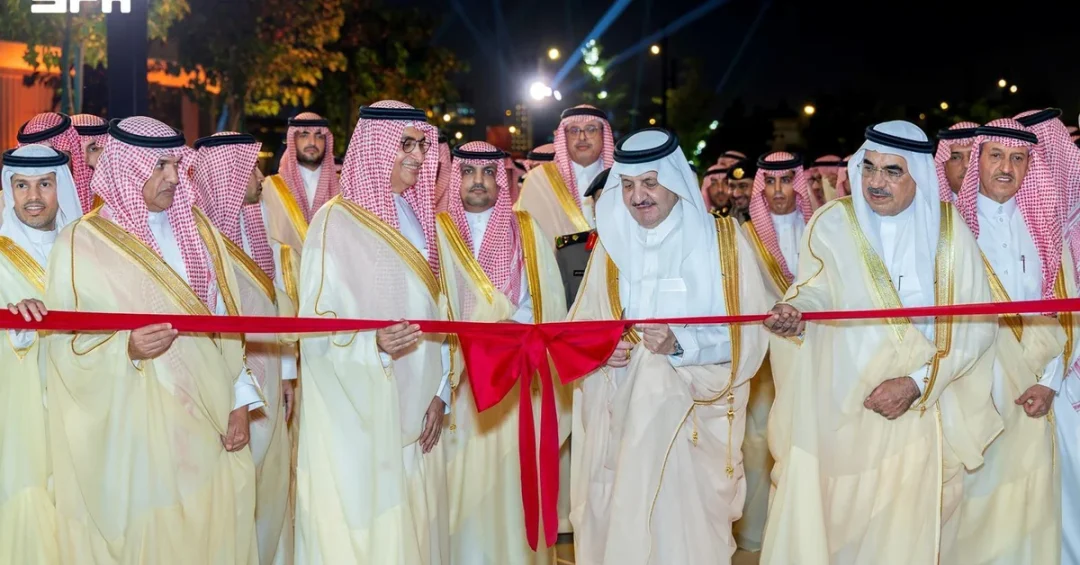
Al Khobar, November 2, 2026 — Prince Saud bin Naif bin Abdulaziz, Governor of the Eastern Region, officially opened Bayfront, a new waterfront destination on Al Khobar Corniche, on Sunday evening, according to the Saudi Press Agency (SPA). The inauguration marks a significant addition to the Kingdom’s growing portfolio of leisure and tourism projects, reflecting a broader national effort to enhance urban livability and create vibrant public spaces. The event drew attention to the Eastern Region’s unique coastal assets along the Arabian Gulf and underscored the government’s commitment to improving quality of life for residents and visitors alike.
Bayfront is designed to transform a stretch of Al Khobar’s corniche into a dynamic hub that offers diverse recreational, dining, and entertainment options. The project aligns with Saudi Arabia’s Vision 2030, which seeks to diversify the economy, boost tourism, and elevate the Kingdom’s cities into world-class destinations. By investing in waterfront development, the Eastern Region is positioning itself as a key contributor to these national goals, leveraging its strategic location and natural beauty. The opening ceremony highlighted how such initiatives can stimulate local business, attract visitors, and foster community pride. As Saudi Arabia continues to modernize its urban landscapes, projects like Bayfront serve as tangible examples of progress and forward-thinking planning.
Context and Background
What makes a waterfront destination more than just a scenic spot? In Saudi Arabia, it represents a strategic asset for economic diversification and social enrichment. The Eastern Region, home to major oil facilities and the bustling city of Dammam, has long been a cornerstone of the Kingdom’s economy. In recent years, however, the region has increasingly focused on developing its tourism and leisure sectors. Al Khobar, with its picturesque corniche along the Arabian Gulf, has emerged as a focal point for such efforts. The opening of Bayfront is the latest in a series of investments aimed at transforming public spaces into attractive, multifunctional destinations that cater to families, youth, and international visitors.
This initiative is part of a wider national strategy to enhance urban infrastructure and promote healthier, more active lifestyles. Saudi Vision 2030 emphasizes the importance of quality of life, aiming to increase household spending on culture and entertainment and to boost the number of tourists. The Eastern Region’s governor, Prince Saud bin Naif bin Abdulaziz, has been a vocal advocate for developing the region’s tourism potential, noting that its coastal location and cultural heritage provide a strong foundation. Bayfront is expected to complement other projects, such as the King Salman Energy Park and various entertainment complexes, by offering a space where residents and visitors can relax, socialize, and enjoy the sea views. The project also reflects a broader trend in Saudi cities: the creation of pedestrian-friendly zones that encourage walking, cycling, and outdoor activities, contributing to public health and community cohesion.
Historically, Al Khobar Corniche has been a popular gathering place for locals, especially during cooler months. However, the area lacked the modern amenities and diverse attractions that today’s visitors expect. Bayfront addresses this gap by introducing landscaped promenades, retail outlets, restaurants, and spaces for cultural events. The development is designed to be inclusive, with accessible features for people with disabilities and areas for children. By revitalizing the corniche, the project not only enhances the visual appeal of the city but also creates economic opportunities for small businesses and entrepreneurs. The governor’s presence at the opening underscores the government’s hands-on approach to ensuring that such projects meet high standards and deliver tangible benefits to the community.
Key Details of the Bayfront Project
What exactly does Bayfront offer to visitors and residents? According to official statements, the destination spans a significant portion of the Al Khobar Corniche and features a mix of leisure, dining, and entertainment facilities. While specific dimensions were not disclosed, the project is described as a comprehensive waterfront development that integrates open green spaces, walking paths, and seating areas with commercial outlets. The design prioritizes aesthetic harmony with the surrounding marine environment, incorporating modern architecture that complements the Gulf’s natural beauty. Key elements include a promenade with panoramic sea views, family-friendly zones, and venues for cultural performances and community events. The project also includes improved lighting, landscaping, and parking facilities to enhance accessibility and safety.
During the opening ceremony, Prince Saud bin Naif bin Abdulaziz emphasized that developing tourism and leisure destinations helps diversify the options available to residents and visitors, supports economic and tourism activity, and enhances quality of life in the region’s cities. He noted that these efforts are in keeping with the Eastern Region’s strengths, particularly its strategic location on the Arabian Gulf. The governor’s remarks highlight a dual focus: on one hand, creating attractive spaces for leisure; on the other, stimulating economic growth through increased foot traffic and spending. Bayfront is expected to become a magnet for both local families and tourists from other parts of the Kingdom and abroad. The project’s opening is timely, as Saudi Arabia continues to ease travel restrictions and promote domestic tourism, especially in coastal areas.
The development of Bayfront involved collaboration between various government entities and private sector partners. While the exact partners were not named in the initial announcement, such projects typically involve the Ministry of Tourism, the Saudi Tourism Authority, and municipal authorities, alongside private investors. The integration of public and private resources is a hallmark of Vision 2030, which seeks to leverage private sector expertise and capital to accelerate infrastructure development. For Al Khobar, Bayfront represents a significant upgrade to its corniche, which has long been a beloved landmark. By modernizing the area, the project aims to attract higher numbers of visitors, extend their stay, and increase spending in the local economy. It also sets a precedent for future waterfront developments in other Saudi coastal cities, such as Jeddah and Yanbu.
International and Regional Impact
How does a local waterfront project resonate on the international stage? In an era where global tourism is highly competitive, Saudi Arabia is making deliberate strides to position itself as a top destination. Bayfront enhances the Eastern Region’s appeal to international travelers, particularly those from neighboring Gulf Cooperation Council (GCC) countries, who often seek short getaways with family-friendly amenities. The project also aligns with the Kingdom’s broader tourism goals, which include attracting 100 million visitors annually by 2030. By creating attractive public spaces, Saudi Arabia signals that it is serious about offering world-class leisure experiences. This can help shift perceptions and attract foreign investment in the hospitality sector.
Regionally, Bayfront strengthens the Eastern Region’s role as a gateway to the Gulf. Its location near the King Fahd Causeway, which connects Saudi Arabia to Bahrain, makes it easily accessible for visitors from neighboring countries. The development could spur cross-border tourism and encourage more GCC nationals to explore Saudi Arabia’s eastern coast. Moreover, by investing in leisure infrastructure, the Kingdom is diversifying its offerings beyond religious tourism, which has traditionally dominated the sector. This diversification is crucial for economic resilience and for showcasing the country’s modern, progressive side. The opening of Bayfront also coincides with other regional developments, such as the expansion of Dammam’s airport and the growth of cruise tourism, creating a synergistic effect that could amplify the region’s attractiveness as a tourist hub.
Economic and Strategic Significance
Why does a waterfront project matter for Saudi Arabia’s economy? At its core, Bayfront is an investment in human capital and social well-being. By providing high-quality recreational spaces, it contributes to a happier, healthier population, which in turn boosts productivity and reduces healthcare costs. Economically, the project is expected to create jobs in construction, retail, hospitality, and event management. It also supports small and medium enterprises (SMEs) by offering them retail spaces and opportunities to cater to increased footfall. The governor’s emphasis on economic and tourism activity underscores the project’s role as a catalyst for local business growth. Furthermore, successful leisure destinations can increase property values and attract further investment in surrounding areas, leading to a virtuous cycle of development.
Strategically, Bayfront reinforces the Eastern Region’s identity as a key economic zone. The region already hosts the headquarters of Saudi Aramco and numerous industrial cities, but it is now broadening its economic base. Tourism and leisure are seen as complementary sectors that can provide employment and income diversification. The project also aligns with the National Tourism Strategy, which aims to increase tourism’s contribution to GDP from 3% to 10% by 2030. By creating a compelling destination, Bayfront helps to lengthen tourist stays and increase spending, both of which are critical for achieving these targets. Additionally, the project demonstrates the government’s ability to execute complex urban developments, which can enhance investor confidence in larger giga-projects like NEOM and the Red Sea Project.
Vision 2030 Alignment
How does Bayfront fit into Saudi Vision 2030? The Vision’s Quality of Life Program explicitly aims to improve urban environments, promote cultural and recreational activities, and enhance the Kingdom’s global competitiveness. Bayfront is a direct embodiment of these objectives. By transforming Al Khobar Corniche into a vibrant destination, it contributes to the goal of having three Saudi cities ranked among the top 100 most livable cities in the world. The project also supports the Vision’s economic diversification goals by stimulating tourism and creating new business opportunities. It reflects the leadership’s commitment to ensuring that all regions of the Kingdom benefit from development, not just major centers like Riyadh and Jeddah.
Looking ahead, Bayfront is expected to serve as a model for similar projects across the Eastern Region and beyond. Its success will be measured not only by visitor numbers but also by its impact on community well-being and local economic growth. The opening ceremony, attended by Prince Saud bin Naif bin Abdulaziz, signals high-level support and a clear directive to continue investing in quality-of-life initiatives. As Saudi Arabia marches toward 2030, such projects will play a vital role in showcasing the Kingdom’s progress and its ability to blend tradition with modernity. Bayfront is more than a waterfront; it is a statement of intent—a promise of a brighter, more prosperous future for all Saudis and a welcoming invitation to the world.
20 Questions
Q1. What is Bayfront and where is it located?
A1. Bayfront is a new waterfront destination on Al Khobar Corniche in the Eastern Region of Saudi Arabia. It was officially opened on Sunday evening by Prince Saud bin Naif bin Abdulaziz, the Governor of the Eastern Region.
Q2. Who inaugurated Bayfront?
A2. Prince Saud bin Naif bin Abdulaziz, Governor of the Eastern Region, inaugurated Bayfront on Sunday evening. His presence underscores the government’s commitment to developing tourism and leisure destinations in the region.
Q3. What is the purpose of developing waterfront destinations like Bayfront?
A3. The purpose is to make cities more livable, transform public spaces into vibrant destinations, improve the urban landscape, and enhance quality of life for residents and visitors. It also supports economic and tourism activity.
Q4. How does Bayfront contribute to Saudi Vision 2030?
A4. Bayfront aligns with Vision 2030’s Quality of Life Program by enhancing urban livability, promoting tourism, and diversifying the economy. It supports the goal of increasing tourism’s contribution to GDP and improving the Kingdom’s global competitiveness.
Q5. What amenities does Bayfront offer?
A5. While specific details were not fully disclosed, Bayfront features landscaped promenades, retail outlets, restaurants, family-friendly zones, and spaces for cultural events. It is designed to offer a range of recreational options with panoramic sea views.
Q6. Why is Al Khobar Corniche significant?
A6. Al Khobar Corniche is a popular waterfront area along the Arabian Gulf, known for its scenic views. It has long been a gathering place for locals and visitors, and Bayfront enhances its appeal with modern facilities.
Q7. What did the governor say about the project?
A7. Prince Saud bin Naif bin Abdulaziz stressed that developing tourism and leisure destinations helps diversify options for residents and visitors, supports economic and tourism activity, and enhances quality of life in the region’s cities.
Q8. How does Bayfront support the local economy?
A8. Bayfront is expected to create jobs in construction, retail, hospitality, and event management. It supports small and medium enterprises by providing retail spaces and attracting increased foot traffic, boosting local spending.
Q9. What is the significance of the Eastern Region in Saudi Arabia?
A9. The Eastern Region is a key economic zone, home to major oil facilities and Saudi Aramco. It is now diversifying into tourism and leisure, leveraging its strategic location on the Arabian Gulf.
Q10. How does Bayfront attract international visitors?
A10. Bayfront enhances the region’s appeal to international travelers, especially from GCC countries, by offering family-friendly amenities and modern leisure experiences. Its proximity to the King Fahd Causeway makes it easily accessible.
Q11. What role does the private sector play in such projects?
A11. Private sector partners often collaborate with government entities in developing and operating projects like Bayfront. This public-private partnership model is central to Vision 2030, leveraging expertise and capital to accelerate development.
Q12. How does Bayfront improve quality of life?
A12. By providing attractive public spaces for recreation and socializing, Bayfront promotes healthier lifestyles, community cohesion, and mental well-being. It offers residents and visitors a place to relax and enjoy the outdoors.
Q13. What other similar projects exist in Saudi Arabia?
A13. Saudi Arabia has several waterfront developments, including the Jeddah Corniche, the Red Sea Project, and NEOM’s Sindalah. These projects aim to boost tourism and diversify the economy away from oil.
Q14. How does Bayfront align with the National Tourism Strategy?
A14. The National Tourism Strategy aims to increase tourism’s GDP contribution to 10% by 2030. Bayfront supports this by creating a compelling destination that attracts visitors, lengthens their stay, and increases spending.
Q15. What are the expected economic benefits of Bayfront?
A15. Expected benefits include job creation, increased local business revenue, higher property values, and greater investment in the surrounding area. It also boosts tax revenues and stimulates ancillary services like transportation and hospitality.
Q16. How does Bayfront reflect Saudi Arabia’s modernization?
A16. Bayfront showcases modern architecture, urban planning, and amenities that blend with the natural environment. It reflects the Kingdom’s progress in creating world-class destinations and its openness to global trends.
Q17. Will Bayfront host cultural events?
A17. Yes, the project includes spaces for cultural performances and community events. This supports Saudi Arabia’s goal of enriching cultural life and providing diverse entertainment options for all ages.
Q18. How does Bayfront contribute to environmental sustainability?
A18. While specific environmental features were not detailed, such projects typically incorporate green spaces, efficient lighting, and designs that respect the marine environment. Sustainability is a key pillar of Vision 2030.
Q19. What is the significance of the opening ceremony?
A19. The opening ceremony, attended by the Eastern Region Governor, highlights high-level government support for the project. It signals the importance of tourism and leisure in the region’s development and Vision 2030.
Q20. What does the future hold for Al Khobar Corniche?
A20. With Bayfront now open, Al Khobar Corniche is poised to become a premier destination in the Eastern Region. Future developments may include further enhancements, attracting more visitors and solidifying its role as a tourism hub.
Reader Feedback
We value your thoughts. Please share your feedback on this article.
Your feedback helps us improve our coverage.
Related articles
 Imam Turki Reserve Launches Winter at Darb Zubaida Season
 Al-Rass Landmarks Reflect Rich Heritage and Tourism Appeal
 AlUla Hosts Nature-Inspired Experiences in November
 Madinah Winter Season 2026-2027 Launches with 109 Events
 Northern Borders Winter Boosts Saudi Desert Tourism
 Clouds Paint Striking Scenes over Taif