


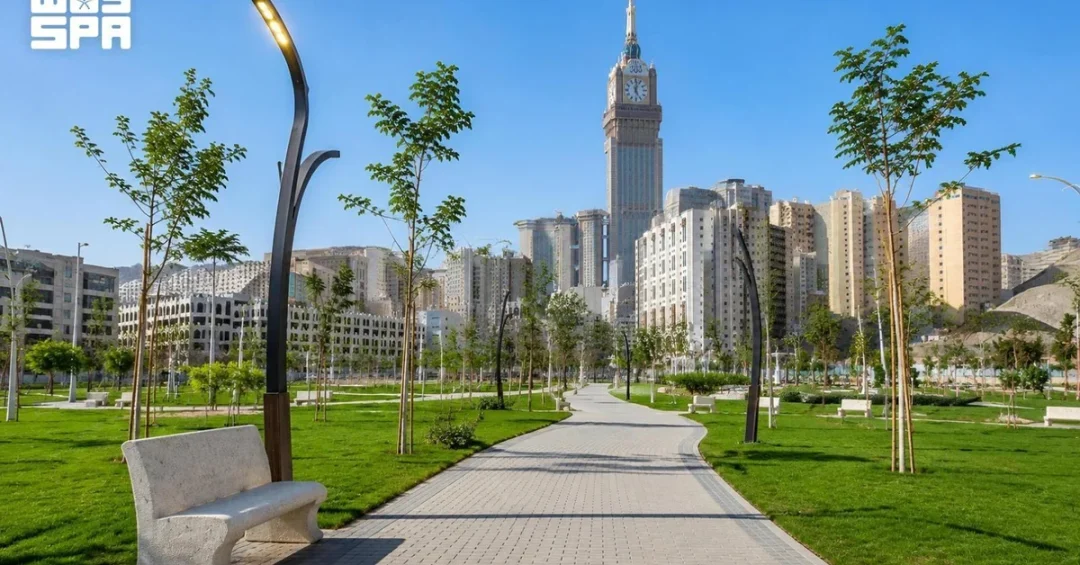
Makkah, August 13, 2026, SPA – Green spaces and public parks in Makkah are playing an increasingly vital role in improving the urban environment and regulating the climate, especially during periods of intense heat. The trees and vegetation provide shade, reduce heat absorption by surfaces, and create more comfortable spaces for residents, visitors, and pilgrims, thereby enhancing the quality of life and the attractiveness of the urban landscape in the Holy Capital.
Context and Background
The expansion of green areas in Makkah is of particular importance given its climate and high temperatures during part of the year. Vegetation and trees play a crucial environmental role in softening the microclimate of open spaces, offering shade, and cooling the ambient air, while also beautifying the visual landscape and creating an environment conducive to walking, relaxation, and rest.
Key Details
The Makkah Municipality is actively working on the development and layout of parks, green spaces, pedestrian zones, and public squares. This approach is part of a system aimed at humanizing the city and providing urban spaces tailored to the needs of residents and visitors. The initiative includes planting adapted trees and plant species, installing shaded rest areas, pedestrian pathways, as well as service and leisure facilities accessible at different times of the day.
For visitors and pilgrims, these spaces offer open areas for rest and relaxation away from the density of road traffic. They provide additional options for spending time in a well-organized urban environment, particularly where vegetated surfaces are combined with shade, pedestrian paths, seating, and public infrastructure.
The trees and vegetation help mitigate the impact of heat on the immediate environment by casting shade and reducing direct exposure of surfaces to sunlight. Furthermore, the role of plants in improving the local ecosystem underscores the importance of expanding reforestation and optimizing the efficiency and distribution of green areas according to Makkah’s nature and the needs of public facility users.
Currently, Makkah boasts 290 public parks of varying sizes spread across several neighborhoods. Most of these parks include green spaces, safe pedestrian tracks, sports equipment, esplanades, shaded seating areas, service facilities, and playgrounds. These amenities make them urban lungs that foster a more pleasant living environment and enrich the recreational, sporting, and social options available to residents and visitors.
The parks and green spaces are integrated with pedestrian pathways distributed throughout Makkah. The Makkah Municipality reports 10 pedestrian pathways with a total length exceeding 105,000 meters, encouraging walking, jogging, and physical activity, while offering open spaces that promote a more active and healthy lifestyle.
Implications and Impact
The impact of green spaces extends beyond their aesthetic dimension to encompass environmental, health, and social considerations. They enhance well-being in public places, encourage walking and exercise, and provide family and social gathering spots. Additionally, plant cover contributes to beautifying the urban landscape and regulating the climate of open spaces.
These urban development projects align with Saudi Arabia’s broader goals of improving the quality of life for citizens, residents, and visitors, supporting environmental sustainability, and promoting public health. By creating greener, more walkable cities, the Kingdom is also enhancing its attractiveness as a global destination for tourism and religious pilgrimage.
Vision 2030 Alignment
The development of green spaces and pedestrian pathways in Makkah is a clear manifestation of Saudi Vision 2030’s objectives to create vibrant, sustainable communities and improve the urban environment. These initiatives not only elevate the experience for millions of pilgrims and visitors but also contribute to building a greener, healthier future for all, reinforcing the Kingdom’s commitment to environmental stewardship and its leading role in the region and the world.
20 Questions
Q1. What are the key benefits of green spaces in Makkah?
A1. Green spaces in Makkah provide shade, reduce heat absorption, and create comfortable areas for residents, visitors, and pilgrims, thus improving quality of life and the urban environment.
Q2. How many public parks are there in Makkah?
A2. Makkah has 290 public parks of varying sizes spread across several neighborhoods, both enhancing the urban landscape and offering recreational opportunities.
Q3. How do green spaces help regulate the climate in Makkah?
A3. Trees and vegetation soften the microclimate, provide shade, and cool the air, mitigating the impact of high temperatures typical of the region.
Q4. What is the total length of pedestrian pathways in Makkah?
A4. The total length of pedestrian pathways in Makkah exceeds 105,000 meters, encouraging walking and physical activity among residents and visitors.
Q5. How do green spaces benefit pilgrims visiting Makkah?
A5. They offer open areas for rest and relaxation away from traffic, providing comfortable spots to spend time and enhancing the pilgrimage experience.
Q6. What role does the Makkah Municipality play in developing green spaces?
A6. The municipality develops and arranges parks, green areas, pedestrian zones, and public squares, aiming to humanize the city and meet the needs of people.
Q7. How do green spaces contribute to environmental sustainability?
A7. They improve the local ecosystem, support reforestation, and enhance microclimates, contributing to a healthier and more sustainable urban environment.
Q8. Are there sports facilities in Makkah’s parks?
A8. Yes, many parks include sports equipment, playgrounds, and walking tracks, encouraging an active lifestyle for residents and visitors.
Q9. How do green spaces improve the quality of life in Makkah?
A9. They provide spaces for relaxation, exercise, and social gatherings, making the city more livable and enjoyable for all.
Q10. What is the significance of shaded rest areas in Makkah’s parks?
A10. Shaded rest areas offer comfort during hot weather, making outdoor spaces usable throughout the day and enhancing visitor comfort.
Q11. How do trees help in reducing heat absorption?
A11. Trees cast shade and reduce direct exposure of surfaces to sunlight, thereby lowering the absorption of heat and cooling the surrounding air.
Q12. Are the green spaces in Makkah designed according to safety standards?
A12. Yes, the municipality follows technical and aesthetic norms that ensure comfort and safety for users while promoting physical activity.
Q13. How does the development of green spaces align with Saudi Vision 2030?
A13. It aligns with Vision 2030’s goals of improving quality of life, environmental sustainability, and creating vibrant communities.
Q14. What types of amenities are available in Makkah’s public parks?
A14. Amenities include green areas, safe pedestrian paths, sports equipment, esplanades, shaded seating, service facilities, and playgrounds.
Q15. How do green spaces support social cohesion?
A15. They provide family and social gathering places, encouraging interaction and community engagement among residents and visitors.
Q16. What is the role of pedestrian pathways in Makkah?
A16. They promote walking, jogging, and physical activity, contributing to a healthier lifestyle and safer urban mobility.
Q17. How will green spaces affect tourism in Makkah?
A17. They enhance the city’s visual appeal and visitor experience, making Makkah more attractive to international tourists and pilgrims.
Q18. Are the green spaces accessible to people with disabilities?
A18. While the article does not specify, the municipality ensures public facilities meet quality-of-life standards, likely including accessibility features.
Q19. How does the municipality choose locations for new parks?
A19. The article indicates a focus on selecting sites based on technical and aesthetic standards to ensure comfort, safety, and maximum benefit.
Q20. What future developments are planned for green spaces in Makkah?
A20. The municipality plans to continue modernizing public infrastructure and urban destinations, expanding green areas and improving their efficiency and attractiveness.
Reader Feedback
We value your thoughts. Please share your feedback on this article.
Your feedback helps us improve our coverage.