


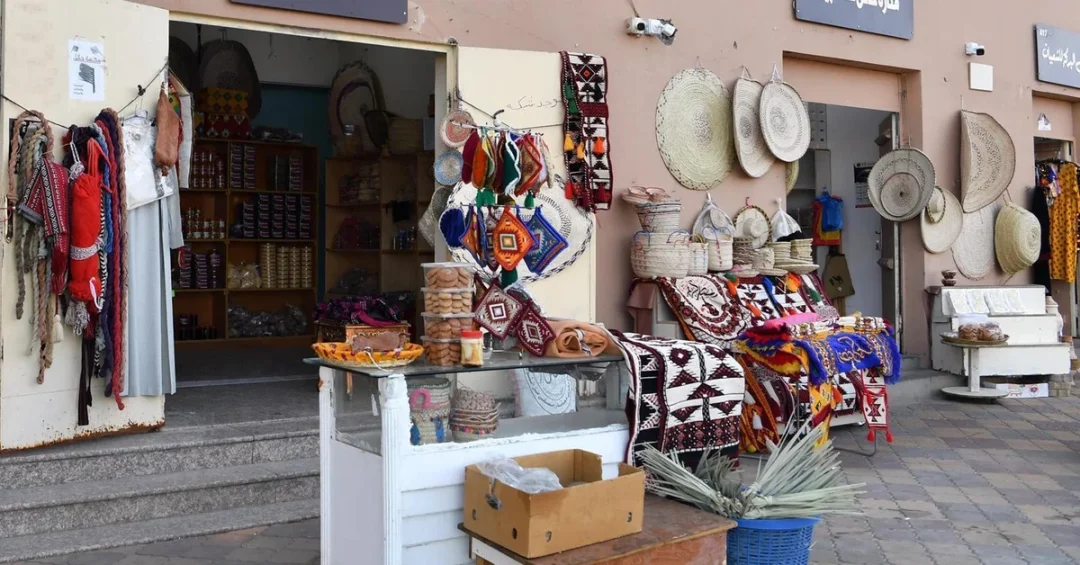
Hail’s Barzan Market, a 200-year-old traditional trading hub in the heart of the city, continues to draw residents, visitors, and international tourists eager to experience authentic Saudi heritage, handicrafts, and local products, according to the Saudi Press Agency (SPA). The market, one of the oldest and most storied commercial centers in northern Saudi Arabia, stands as a living testament to the Kingdom’s deep-rooted cultural traditions and its enduring commitment to preserving them for future generations. From handwoven fabrics and intricate silverwork to the aromatic scents of locally sourced perfumes and spices, Barzan Market offers a sensory journey through centuries of Saudi trading heritage.
But what makes a 200-year-old marketplace so compelling in an era of modern shopping malls and digital commerce? The answer lies in its unique ability to bridge the past and present — serving simultaneously as a historical landmark, an economic engine for local artisans, and a cultural ambassador for the Hail region. The market’s narrow alleys, ancient buildings, and traditional displays transport visitors to a bygone era, offering an authentic experience that no modern retail environment can replicate. As Saudi Arabia accelerates its Vision 2030 transformation, places like Barzan Market demonstrate that modernization and heritage preservation can — and must — coexist. The market remains easily accessible from across Hail city, welcoming visitors of all ages throughout the year.
Context and Background
How did a marketplace founded two centuries ago become one of Saudi Arabia’s most cherished cultural institutions? Barzan Market was established approximately 200 years ago in the heart of Hail, a city long recognized as a crossroads of trade and culture in the northern Arabian Peninsula. Historically, Hail served as a vital stopover for merchants and travelers traversing routes that connected the Arabian interior with neighboring regions. The market emerged as a natural commercial hub where traders exchanged goods ranging from textiles and leather to precious metals and agricultural produce.
Over the decades, Barzan Market evolved beyond mere commerce. It became a social institution — a place where generations of Hail residents gathered to exchange news, celebrate festivals, and pass down traditional crafts. The market’s architecture, characterized by narrow corridors and ancient buildings, reflects the urban design principles of traditional Arabian cities, where shaded alleys provided natural cooling and intimate spaces fostered community interaction. This architectural heritage remains largely intact, giving visitors a rare window into how commerce was conducted in the region for centuries.
The Saudi Press Agency has highlighted Barzan Market as a prime example of how the Kingdom’s traditional markets reflect ancient Saudi culture while continuing to serve contemporary needs. The market’s endurance over two centuries speaks to its adaptability — it has weathered economic shifts, regional changes, and the advent of modern retail, yet remains a vibrant center of activity. Today, it stands not as a relic but as a functioning marketplace that attracts thousands of visitors annually, proving that heritage can be a living, breathing part of national life rather than a static museum piece.
Key Details
What exactly can visitors expect to find within the stalls and corridors of Barzan Market? The market offers an impressive array of traditional goods that showcase the craftsmanship and natural resources of the Hail region. Shoppers can browse stalls selling traditional fabrics and clothing, handwoven carpets, and finely crafted leather goods. Silverwork, a hallmark of Saudi artisan tradition, features prominently, alongside perfumes and incense that fill the market’s alleys with distinctive aromas. Local foodstuffs — including honey, nuts, and spices — provide a taste of the region’s agricultural bounty.
Each category of goods carries cultural significance beyond its commercial value. The textiles often feature patterns and techniques passed down through generations of weavers. The silverwork reflects traditional Bedouin aesthetics and metalworking skills. The honey and spices represent Hail’s agricultural heritage, with local varieties prized for their quality and flavor. Visitors exploring the market witness not just products but living traditions — the same crafts and trading practices that have defined the region for centuries.
The market’s layout itself is part of the experience. Its narrow alleys and corridors create an intimate atmosphere where vendors and customers interact directly, continuing a form of commerce that predates modern retail by centuries. The ancient buildings housing the stalls embody the historical identity of Hail, their architecture serving as a physical record of the city’s development. Seasonal events, festivals, and cultural programs hosted at the market further enhance its role as a dynamic cultural venue, showcasing local products and handicrafts to both domestic and international audiences while driving the local economy and creating job opportunities for vendors and artisans.
International and Regional Impact
Why should international audiences pay attention to a traditional market in northern Saudi Arabia? Barzan Market represents a broader story about the Kingdom’s approach to cultural preservation and tourism development — a story with significant implications for how nations worldwide balance modernization with heritage. As Saudi Arabia opens its doors to international visitors through expanded tourism visa programs and ambitious Vision 2030 tourism targets, sites like Barzan Market become essential assets in the national tourism portfolio. They offer authentic cultural experiences that differentiate Saudi Arabia from other destinations and appeal to travelers seeking genuine connections with local heritage.
Regionally, Barzan Market contributes to Hail’s growing profile as a tourism destination within Saudi Arabia. The market attracts visitors from across the Kingdom throughout the year, particularly during seasonal events and festivals. This domestic tourism flow strengthens regional economies and fosters national cohesion by encouraging Saudis to explore their country’s diverse cultural landscapes. For international visitors, the market provides an accessible entry point to understanding Saudi culture — a place where traditions are not performed for tourists but practiced as part of daily life.
The market also serves as a model for sustainable cultural tourism. By maintaining its traditional function as a commercial center while welcoming visitors, Barzan Market avoids the pitfalls of over-commercialization that have affected heritage sites elsewhere. Vendors continue to serve local customers alongside tourists, ensuring the market remains authentic rather than becoming a staged attraction. This balance between preservation and accessibility offers lessons for other regions seeking to develop cultural tourism without sacrificing the integrity of their heritage assets.
Economic and Strategic Significance
How does a traditional market contribute to Saudi Arabia’s modern economic ambitions? Barzan Market plays a tangible role in local economic development, supporting vendors, artisans, and small businesses that form the backbone of Hail’s traditional economy. The market creates direct employment for stallholders, craftspeople, and support workers, while generating indirect economic benefits for surrounding businesses, including restaurants, hotels, and transportation services. Seasonal events and festivals hosted at the market amplify these effects, drawing concentrated visitor traffic that boosts sales and visibility for local producers.
The market also supports the preservation of traditional crafts that might otherwise disappear in an era of mass production. By providing artisans with a commercial outlet for their goods, Barzan Market helps sustain craft traditions that are integral to Saudi cultural identity. This economic support for heritage crafts aligns with broader national efforts to diversify the economy beyond oil dependence — a core objective of Vision 2030. Traditional crafts and cultural products represent a niche but valuable segment of the growing creative economy, one that leverages Saudi Arabia’s unique cultural assets for sustainable economic benefit.
Strategically, markets like Barzan contribute to Saudi Arabia’s tourism revenue targets by enhancing the Kingdom’s cultural offerings. International tourists increasingly seek authentic experiences, and traditional markets rank among the most sought-after attractions in any destination. By maintaining and promoting Barzan Market, Saudi Arabia strengthens its position in the competitive global tourism market, particularly in the cultural and heritage tourism segment, which attracts higher-spending visitors who stay longer and explore more deeply. The market thus functions as both a cultural treasure and an economic asset — a dual role that exemplifies Vision 2030’s integrated approach to development.
Vision 2030 Alignment
How does a 200-year-old market fit into a vision for the future? Saudi Arabia’s Vision 2030 explicitly recognizes the importance of preserving cultural heritage as part of the Kingdom’s modernization. The vision’s cultural objectives include safeguarding national heritage, promoting cultural expression, and developing cultural tourism as a pillar of economic diversification. Barzan Market embodies these objectives in practice — it is a heritage site that remains economically active, a cultural venue that welcomes international visitors, and a community institution that sustains traditional livelihoods.
The market’s continued vitality also supports Vision 2030’s quality-of-life goals, which aim to create vibrant communities where citizens can enjoy rich cultural experiences. By maintaining spaces like Barzan Market, Saudi Arabia ensures that modernization does not come at the cost of cultural identity. Instead, the Kingdom demonstrates that progress and heritage can reinforce each other — that a nation can build futuristic cities like NEOM while preserving the ancient markets that tell its story. For international observers, Barzan Market offers a compelling example of how Saudi Arabia is honoring its past while building its future, ensuring that the traditions of Hail will continue to enrich the Kingdom for generations to come.
20 Questions
Q1. What is Barzan Market and where is it located?
A1. Barzan Market is a 200-year-old traditional marketplace located in the heart of Hail city in northern Saudi Arabia. It serves as a historical hub for trade, social interaction, and cultural preservation, attracting residents, visitors, and tourists throughout the year.
Q2. How old is Barzan Market?
A2. Barzan Market is approximately 200 years old, according to the Saudi Press Agency. Its enduring presence over two centuries reflects its adaptability and continued relevance as both a commercial center and cultural landmark in the Hail region.
Q3. What kinds of goods are sold at Barzan Market?
A3. The market offers traditional fabrics, clothing, carpets, leather goods, silverwork, perfumes, incense, and local foodstuffs including honey, nuts, and spices. These products showcase the craftsmanship and natural resources of the Hail region.
Q4. What makes Barzan Market a cultural attraction?
A4. Its authentic atmosphere, narrow alleys, ancient buildings, and traditional trading practices transport visitors to a bygone era. The market embodies the historical identity of Hail and offers an immersive cultural experience unavailable in modern retail environments.
Q5. Who visits Barzan Market?
A5. Residents, visitors from across the Kingdom, and international tourists visit Barzan Market. It attracts people of all ages eager to experience the region’s rich heritage, handicrafts, and local products throughout the year.
Q6. What events are held at Barzan Market?
A6. The market hosts seasonal events, festivals, and cultural programs that showcase local products and handicrafts. These events attract tourists, help preserve Hail’s heritage, drive the local economy, and create job opportunities for vendors and artisans.
Q7. How does Barzan Market support the local economy?
A7. By providing commercial outlets for vendors and artisans, hosting events that draw visitor traffic, and creating employment opportunities, Barzan Market contributes to Hail’s economic development and supports traditional crafts that might otherwise decline.
Q8. Is Barzan Market easily accessible?
A8. Yes, Barzan Market is easily accessible from across Hail city, according to the Saudi Press Agency. Its central location makes it convenient for residents and visitors to reach throughout the year.
Q9. What role does Barzan Market play in preserving Saudi heritage?
A9. The market sustains traditional crafts, trading practices, and cultural events that might otherwise disappear. By providing economic support for artisans and maintaining authentic commercial traditions, it keeps Saudi heritage alive as a living practice.
Q10. How does Barzan Market relate to Vision 2030?
A10. Vision 2030 emphasizes cultural preservation and tourism development. Barzan Market embodies these goals by maintaining heritage while attracting visitors, supporting local economies, and demonstrating that modernization and cultural identity can reinforce each other.
Q11. What is the historical significance of Hail as a trading center?
A11. Hail has long served as a crossroads of trade and culture in the northern Arabian Peninsula. It was a vital stopover for merchants traversing routes connecting the Arabian interior with neighboring regions, making it a natural commercial hub.
Q12. What architectural features define Barzan Market?
A12. The market features narrow alleys, corridors, and ancient buildings that reflect traditional Arabian urban design. These elements provide natural cooling, foster community interaction, and embody the historical identity of Hail city.
Q13. How does Barzan Market differ from modern shopping centers?
A13. Unlike modern retail environments, Barzan Market offers direct vendor-customer interaction, traditional goods, and an authentic historical atmosphere. It preserves centuries-old trading practices and cultural experiences that modern shopping centers cannot replicate.
Q14. What food products are available at Barzan Market?
A14. Visitors can purchase local honey, nuts, and spices at Barzan Market. These products represent Hail’s agricultural heritage, with local varieties prized for their quality and flavor by residents and visitors alike.
Q15. How does Barzan Market support artisans?
A15. The market provides artisans with commercial outlets for their traditional crafts, including textiles, silverwork, and leather goods. This economic support helps sustain craft traditions and provides livelihoods for skilled workers in the Hail region.
Q16. What seasonal events take place at Barzan Market?
A16. The market hosts festivals and cultural programs showcasing local products and handicrafts. These events attract tourists, boost the local economy, and help preserve Hail’s heritage by creating opportunities for cultural exchange and commerce.
Q17. Why is Barzan Market important for tourism in Saudi Arabia?
A17. It offers international and domestic visitors an authentic cultural experience that differentiates Saudi Arabia from other destinations. The market supports the Kingdom’s tourism goals by providing heritage attractions that appeal to travelers seeking genuine connections.
Q18. How long has Barzan Market been in operation?
A18. Barzan Market has been in operation for approximately 200 years, according to the Saudi Press Agency. Its longevity demonstrates its adaptability and continued importance as a commercial and cultural institution in Hail.
Q19. What makes Barzan Market a living heritage site?
A19. Unlike static museums, Barzan Market remains an active commercial center where vendors serve local customers and tourists. Traditional trading practices continue alongside modern visitor experiences, ensuring heritage remains a living part of daily life.
Q20. How can visitors experience Barzan Market?
A20. Visitors can explore the market’s stalls, interact with vendors, purchase traditional goods, and attend seasonal events. The market is easily accessible from across Hail and welcomes visitors of all ages throughout the year.
Reader Feedback
We value your thoughts. Please share your feedback on this article.
Your feedback helps us improve our coverage.
Related articles
 Visiting Madinah: Worship Guide to Prophet’s Mosque
 Umrah Program Guests Tour Prophet’s Biography Fair in Madinah
 Madinah’s Chefs Market: A Hub of Traditional Cuisine and Heritage
 Al-Baha’s Al-Ahsabah Valley: Nature’s Masterpiece in Saudi Arabia
 AlUla Skies Festival 2025: Celestial Heritage and Discovery
 Grand Mosque Adds 400 Electric Carts for Ramadan Umrah