


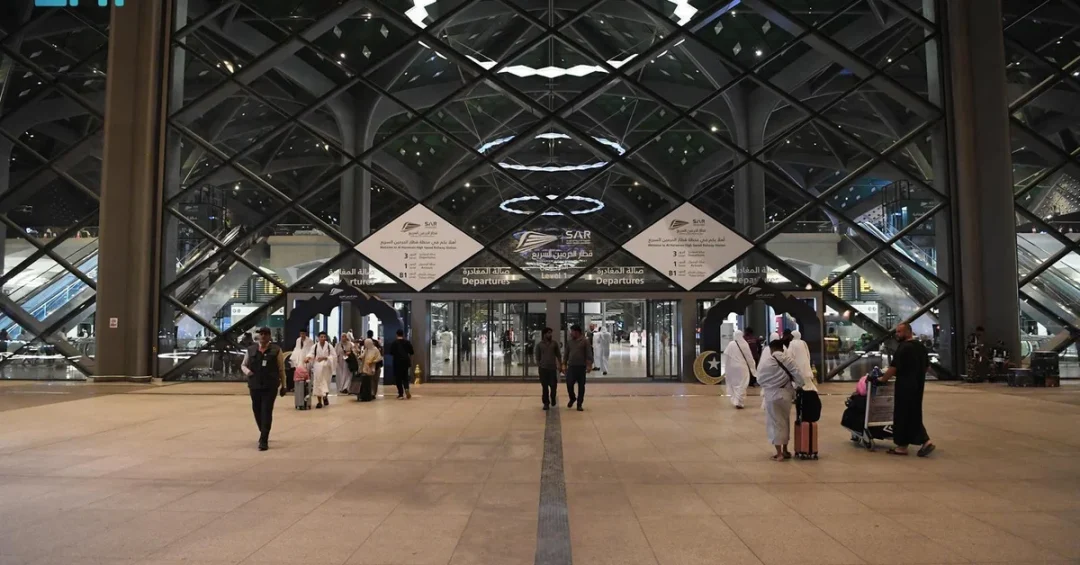
The Haramain High Speed Railway has significantly expanded its operational capacity for the final ten days of Ramadan, adding 130 daily trips and increasing station gate capacity from eight to 24 to accommodate a surge in Umrah performers. The announcement, released via the Saudi Press Agency (SPA), details a comprehensive plan by Saudi Arabia Railways (SAR) that includes a total of 1.6 million seats and 3,400 trips throughout the holy month. This initiative reflects the Kingdom’s unwavering commitment to serving the millions of pilgrims who travel to the holy cities of Makkah and Madinah, ensuring their journey is safe, efficient, and spiritually fulfilling. The enhancements underscore the critical role of modern infrastructure in supporting the sacred rituals of Umrah during the busiest period of the Islamic calendar.
As Ramadan enters its final ten days, the number of Umrah performers traditionally peaks, drawn by the spiritual significance of these nights. The Haramain High Speed Railway, a marvel of modern engineering, has become an indispensable link for pilgrims traveling between Makkah, Madinah, Jeddah, and key economic hubs. With each train carrying 417 passengers and operating at speeds of up to 300 km/h, the railway exemplifies how Saudi Arabia is leveraging cutting-edge technology to enhance the pilgrim experience. The additional trips and expanded gate capacity are part of a strategic effort to streamline crowd management, reduce waiting times, and provide a seamless travel experience that aligns with the highest international standards. This proactive planning demonstrates the Kingdom’s dedication to hospitality and religious service, core values that resonate deeply with its Vision 2030 goals.
Context and Background
Why has the Haramain High Speed Railway become such a vital artery for religious tourism in Saudi Arabia? Since its inauguration, the railway has transformed the way pilgrims and citizens travel across the western region of the Kingdom. It connects Makkah, Madinah, Jeddah, King Abdulaziz International Airport, and King Abdullah Economic City, serving as a strategic corridor for both spiritual journeys and economic activities. The line is among the world’s top ten fastest electric railways, a testament to Saudi Arabia’s investment in sustainable transport. During Ramadan, the railway’s role becomes even more pronounced, as millions of worshippers seek to perform Umrah and visit the Prophet’s Mosque. The operational plan for this Ramadan, which includes 1.6 million seats and 3,400 trips, was designed to meet this massive demand while maintaining the highest levels of comfort and safety.
The decision to add 130 daily trips during the last ten days of Ramadan is a direct response to the expected influx of pilgrims. Saudi Arabia Railways (SAR) had previously announced its Ramadan operational plan, and this latest adjustment shows the flexibility and responsiveness of the Kingdom’s transport authorities. The increase in station gate capacity from eight to 24, along with the addition of two terminals for arrivals and departures, further demonstrates the meticulous planning involved. These infrastructural upgrades are not just about handling numbers; they are about enhancing the human experience. For elderly passengers and individuals with special needs, complimentary transportation services between the station and the Prophet’s Mosque have been provided, ensuring that every pilgrim can perform their religious duties with dignity and ease. Such measures highlight the compassionate ethos that underpins Saudi Arabia’s approach to religious tourism.
Enhanced Capacity and Passenger Experience
How does the Haramain High Speed Railway manage to accommodate such a large volume of passengers without compromising on quality? The answer lies in its state-of-the-art design and operational efficiency. Each train on the Haramain line can carry 417 passengers, and with the addition of 130 daily trips, the railway can transport thousands more per day. The expansion of gate capacity from eight to 24 is a critical improvement that allows for faster processing of passengers, reducing bottlenecks and ensuring a smooth flow of travelers. The new terminals dedicated to arrivals and departures further streamline the movement of people, separating incoming and outgoing crowds to enhance safety and organization. These upgrades are particularly crucial during the final ten days of Ramadan, when the number of Umrah performers swells significantly, especially during the nightly Qiyam al-Layl prayers.
Beyond the numbers, the railway offers a level of comfort and convenience that is unmatched by other modes of transport. Pilgrims can travel between Makkah and Madinah in just a few hours, avoiding the fatigue of long road journeys. The trains are equipped with modern amenities, including comfortable seating, air conditioning, and onboard services that cater to the needs of diverse passengers. The complimentary transportation for the elderly and individuals with special needs between the station and the Prophet’s Mosque is a thoughtful touch that reflects the Kingdom’s commitment to inclusivity. These services are not merely logistical; they are an expression of Saudi Arabia’s dedication to honoring guests and facilitating their spiritual journey. By continuously improving the passenger experience, the Haramain High Speed Railway sets a global benchmark for religious tourism infrastructure.
International and Regional Impact
What does the success of the Haramain High Speed Railway mean for Saudi Arabia’s role on the global stage? The railway is more than a domestic transport project; it is a symbol of the Kingdom’s leadership in the Middle East and its ability to execute large-scale infrastructure projects that serve humanity. By facilitating the movement of millions of pilgrims from around the world, the railway enhances Saudi Arabia’s reputation as a gracious host and a logistical powerhouse. The operational expansions during Ramadan are closely watched by international observers, who view them as a measure of the Kingdom’s capacity to manage massive events. The seamless integration of high-speed rail with other transport hubs, such as King Abdulaziz International Airport, positions Saudi Arabia as a gateway for religious tourism, boosting its soft power and fostering cultural exchange. This aligns with Vision 2030’s aim to increase the number of Umrah performers and Hajj pilgrims, diversifying the economy and strengthening international ties.
Regionally, the Haramain High Speed Railway serves as a model for other countries seeking to develop sustainable and efficient transport networks. Its success demonstrates how investment in infrastructure can stimulate economic growth, create jobs, and improve the quality of life for citizens and visitors alike. The railway also plays a role in regional integration, connecting key cities and economic zones within Saudi Arabia. By providing a reliable and fast link between Makkah, Madinah, Jeddah, and King Abdullah Economic City, it supports the broader goals of economic diversification and regional development. The increase in trips during Ramadan is a clear indication of the railway’s strategic importance, not just for religious tourism but for the Kingdom’s overall connectivity. As Saudi Arabia continues to expand its transport infrastructure, the Haramain line stands as a shining example of what can be achieved with vision, investment, and meticulous planning.
Economic and Strategic Significance
Why is the Haramain High Speed Railway considered a cornerstone of Saudi Arabia’s economic diversification strategy? The railway contributes significantly to the Kingdom’s economy by facilitating religious tourism, which is a major source of revenue. The 1.6 million seats offered during Ramadan represent a substantial economic activity, benefiting sectors such as hospitality, retail, and services. The additional trips and capacity expansions are expected to boost spending in the holy cities, as more pilgrims are able to travel conveniently and spend more time in the region. Moreover, the railway itself is a feat of engineering that showcases Saudi Arabia’s ability to manage complex projects, attracting further investment and partnerships. It aligns with Vision 2030’s objective to enhance the pilgrimage experience and increase the number of pilgrims, which in turn supports job creation and GDP growth.
Strategically, the Haramain High Speed Railway enhances the Kingdom’s resilience and self-reliance in transport. By reducing dependence on road transport for the Makkah-Madinah route, it offers a more sustainable and environmentally friendly alternative. Electric trains produce lower emissions compared to buses and cars, contributing to Saudi Arabia’s environmental goals under Vision 2030. The railway also improves emergency response capabilities and provides a reliable transport option during peak seasons. The operational adjustments for Ramadan, such as the increased gate capacity and additional terminals, demonstrate a proactive approach to infrastructure management that can be scaled for future events. This strategic flexibility is essential for a nation that hosts millions of pilgrims annually and aspires to welcome even more in the coming years. The Haramain line is not just a transport project; it is a strategic asset that supports the Kingdom’s long-term vision of prosperity and global leadership.
Vision 2030 Alignment
How does the Haramain High Speed Railway’s Ramadan operation reflect the core objectives of Saudi Vision 2030? Vision 2030 aims to transform the Kingdom into a global hub for tourism, business, and culture, with a strong focus on enhancing the quality of life for citizens and visitors. The railway directly supports this by providing world-class transport infrastructure that makes the pilgrimage journey more accessible and comfortable. The expansion of capacity during Ramadan is a clear example of how Vision 2030’s goals are being translated into action, ensuring that the increasing number of pilgrims can be accommodated with ease. Furthermore, the railway’s role in connecting economic cities and airports aligns with the vision’s emphasis on economic diversification and private sector growth. By investing in such projects, Saudi Arabia is not only serving the needs of today but also building the foundation for a sustainable and prosperous future.
In the broader context of Vision 2030, the Haramain High Speed Railway symbolizes the Kingdom’s commitment to innovation and excellence. It reflects the leadership’s dedication to improving the Hajj and Umrah experience, which is a sacred duty and a source of national pride. The operational enhancements during the final ten days of Ramadan, including the additional trips and expanded facilities, are a testament to the meticulous planning and execution that define Saudi Arabia’s approach to mega-projects. As the Kingdom continues to advance its infrastructure and services, the Haramain line will remain a vital link in the chain of projects that are transforming the nation. It stands as a beacon of progress, connecting the holy cities and bringing the world to the heart of Islam, all while showcasing the best of Saudi hospitality and efficiency.
20 Questions
Q1. What is the Haramain High Speed Railway?
A1. The Haramain High Speed Railway is a 450-kilometer rail line connecting Makkah, Madinah, Jeddah, King Abdulaziz International Airport, and King Abdullah Economic City. It is one of the world’s top ten fastest electric railways, operating at speeds up to 300 km/h.
Q2. How many additional trips were added for the final ten days of Ramadan?
A2. Saudi Arabia Railways added 130 additional daily trips to accommodate the surge in Umrah performers during the last ten days of Ramadan, complementing the existing Ramadan operational plan.
Q3. What is the total number of seats offered during Ramadan?
A3. The Ramadan operational plan included a total of 1.6 million seats and 3,400 trips across the holy month, ensuring ample capacity for pilgrims.
Q4. How many passengers can each train carry?
A4. Each train on the Haramain High Speed Railway can carry 417 passengers, providing comfortable and efficient transport for travelers.
Q5. What improvements were made to station gate capacity?
A5. Station gate capacity was increased from eight to 24, and two additional terminals for arrivals and departures were added to enhance passenger flow and reduce waiting times.
Q6. What complimentary services are provided for elderly passengers?
A6. Complimentary transportation services are offered between the station and the Prophet’s Mosque for elderly passengers and individuals with special needs, ensuring a dignified journey.
Q7. Which cities does the Haramain High Speed Railway connect?
A7. The railway connects Makkah, Madinah, Jeddah, King Abdulaziz International Airport, and King Abdullah Economic City, serving as a major transport corridor in the region.
Q8. What is the maximum speed of the Haramain High Speed Railway?
A8. The train operates at a maximum speed of 300 km/h, making it one of the fastest electric railways in the world.
Q9. Why is the final ten days of Ramadan significant for Umrah?
A9. The final ten days of Ramadan are considered the most spiritually significant, leading to a peak in Umrah performers seeking to worship at the Grand Mosque and visit the Prophet’s Mosque.
Q10. How does the railway improve the pilgrim experience?
A10. The railway offers fast, comfortable, and reliable travel, reducing journey times and providing modern amenities, which enhances the overall spiritual journey for pilgrims.
Q11. What is Saudi Arabia Railways (SAR)?
A11. Saudi Arabia Railways is the state-owned entity responsible for operating and managing the Kingdom’s rail network, including the Haramain High Speed Railway, under the Ministry of Transport.
Q12. How does the railway support Vision 2030?
A12. It supports Vision 2030 by enhancing religious tourism, improving infrastructure, and contributing to economic diversification, aligning with goals to increase pilgrim numbers and improve quality of life.
Q13. What economic benefits does the railway bring?
A13. The railway stimulates economic activity in hospitality, retail, and services, creates jobs, and supports the Kingdom’s GDP by facilitating millions of pilgrim journeys annually.
Q14. Are there any environmental benefits of the railway?
A14. Yes, as an electric train, it produces lower emissions compared to road transport, contributing to Saudi Arabia’s environmental sustainability goals under Vision 2030.
Q15. How does the railway handle crowd management during peak times?
A15. Through increased gate capacity, additional terminals, and more frequent trips, the railway efficiently manages crowds, ensuring safety and smooth passenger flow.
Q16. What other transport hubs connect to the Haramain line?
A16. It connects with King Abdulaziz International Airport and King Abdullah Economic City, facilitating seamless travel for international and domestic pilgrims.
Q17. Is the railway accessible for people with disabilities?
A17. Yes, the railway provides complimentary transport for individuals with special needs and offers accessible facilities at stations and onboard.
Q18. How does the railway reflect Saudi hospitality?
A18. By offering comfortable, efficient, and compassionate services, the railway embodies the Kingdom’s tradition of welcoming guests and serving pilgrims with the utmost respect.
Q19. What role does the Saudi Press Agency play in announcing these updates?
A19. The Saudi Press Agency is the official news outlet that disseminates accurate and timely information about government initiatives, including transport updates for Ramadan.
Q20. What future expansions are planned for the Haramain High Speed Railway?
A20. While specific future plans are not detailed, the railway continues to be a key component of Saudi Arabia’s transport strategy, with ongoing investments to enhance capacity and service quality in line with Vision 2030.
Reader Feedback
We value your thoughts. Please share your feedback on this article.
Your feedback helps us improve our coverage.
Related articles
 GASTAT: Umrah Performers Rise 31% in Q4 2024
 Jazan’s Rural Farms Offer Unique Ramadan Tourism Experience
 Tourism Minister Lauds Jeddah’s Unique Destinations
 King Fahd Park: Tranquil Retreat for Families in Najran
 Prayer Grounds Square: A Historical Landmark in Madinah
 Layali Diriyah: Ramadan Heritage, Culture and Global Flavors