


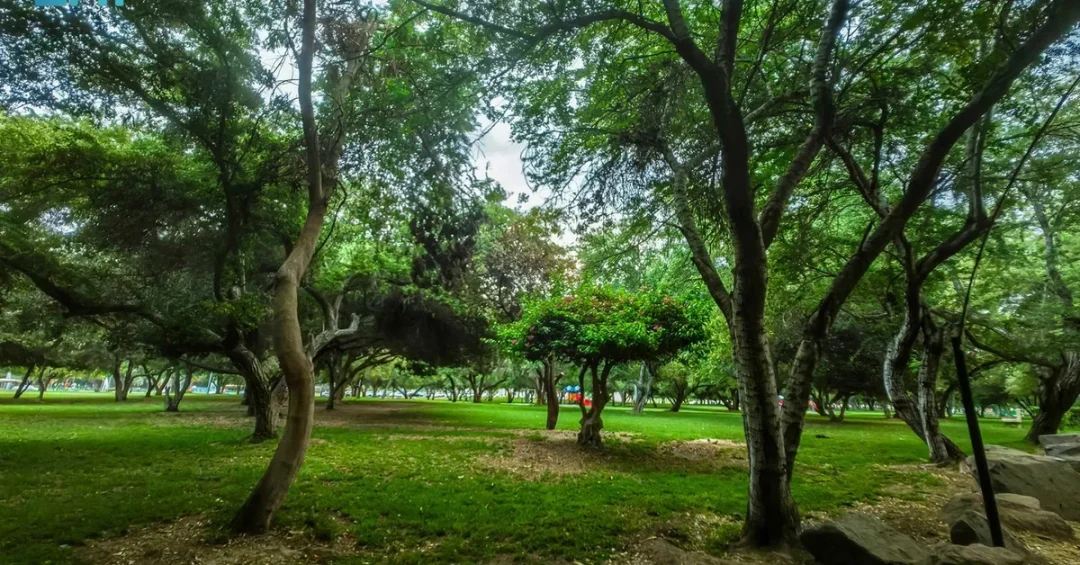
King Fahd Park in Najran, one of Saudi Arabia’s largest urban green spaces, has been upgraded by Najran Municipality ahead of Ramadan and Eid Al-Fitr, offering families a tranquil natural retreat combined with modern recreational facilities. The announcement, carried by the Saudi Press Agency (SPA), confirms that the park now spans 4,254,115 square meters, with 653,575 square meters devoted to landscaped green areas and more than 35,000 trees and shrubs. For residents and visitors in the Kingdom’s southwestern Najran region, the park represents a rare combination of scale, accessibility, and family-focused design — a place where nature, sport, and community life meet.
The timing of the enhancement is significant. As the holy month of Ramadan approaches, followed by the Eid Al-Fitr holiday, public spaces across the Kingdom are preparing for increased visitation. Families gather after iftar, children enjoy extended evenings outdoors, and community traditions of hospitality and togetherness move into parks, gardens, and waterfronts. King Fahd Park, with its wide lawns, shaded walkways, and diverse facilities, is positioned as a central destination for those gatherings in Najran. The municipality’s work reflects a broader national effort to raise the quality of urban life, a priority embedded in Saudi Vision 2030 and supported by the Ministry of Municipalities and Housing.
Context and Background
What makes a city park worth investing in at this scale? In Najran, the answer lies in geography, climate, and community need. Najran sits near the border with Yemen in southwestern Saudi Arabia, surrounded by fertile valleys, traditional mud-brick architecture, and a distinctive local heritage. Summers are hot, making shaded green space essential for outdoor activity. King Fahd Park, named after the late Custodian of the Two Holy Mosques King Fahd bin Abdulaziz, has long served as the city’s principal recreational lung. Its expansion and renovation are part of a sustained municipal program to improve public amenities in line with national urban development guidelines.
Across Saudi Arabia, municipalities have been tasked with creating accessible, well-maintained public spaces as part of the Quality of Life Program, one of the Vision 2030 realization programs. The program aims to increase per-capita green space, promote walking and cycling, and expand cultural and recreational opportunities for all age groups. Najran Municipality’s work on King Fahd Park fits this framework directly. The park’s size — over four million square meters — places it among the largest in the Kingdom, giving it regional significance beyond the city itself. For families traveling within the Najran region, it offers a full-day destination rather than a brief stop.
The park’s design also reflects a shift in Saudi urban planning toward inclusion. Facilities for people with disabilities, fitness equipment, and dedicated cycling paths are no longer optional extras but standard components of new and upgraded public spaces. This approach aligns with the Kingdom’s commitment to accessibility and equal participation in community life, principles that have gained visibility through national sports and cultural initiatives. King Fahd Park thus serves as both a local amenity and a small but meaningful example of how Vision 2030 translates into everyday experience.
Key Details and Facilities
What exactly does King Fahd Park offer visitors? According to the Saudi Press Agency, the park includes a football field, a theater, children’s playgrounds, fitness equipment, inclusive games for people with disabilities, water fountains, and a dedicated bicycle path. These elements are distributed across the vast site, allowing different activities to coexist without crowding. The football field supports youth teams and informal matches, while the theater provides a venue for cultural programming, seasonal events, and community performances. Children’s playgrounds are designed for safety and variety, and the inclusive games ensure that children with disabilities can participate alongside their peers.
The green infrastructure is equally notable. With 653,575 square meters of green space and 35,215 trees and shrubs, the park functions as a microclimate regulator, offering cooler temperatures and cleaner air in the heart of Najran. Water fountains add aesthetic and practical value, particularly during warmer months. The dedicated bicycle path encourages active transport and leisure cycling, a growing pastime in the Kingdom as cycling clubs and events expand. Together, these facilities create an environment where a family can spend hours — walking, playing, exercising, or simply sitting under the trees.
Najran Municipality’s preparations for Ramadan and Eid Al-Fitr included expanded green spaces, upgraded facilities, and special activities designed for families and visitors of all ages. While the SPA report does not detail every activity, the pattern across Saudi cities during Ramadan typically includes extended opening hours, lighting displays, children’s entertainment, and designated areas for communal gatherings. The municipality’s emphasis on families signals a careful approach to programming that respects local customs while providing modern leisure options. The upgrades also suggest ongoing maintenance and investment rather than a one-time beautification project.
International and Regional Impact
Why should an upgraded park in Najran matter beyond Saudi Arabia’s borders? For international observers, it offers a window into how the Kingdom is developing its secondary cities and regions, not just major metropolitan centers. Saudi Vision 2030 explicitly aims to balance development across the country, ensuring that regions such as Najran, Jazan, Asir, and Al-Baha share in national progress. Public space investment is one measurable indicator of that commitment. When a city of Najran’s size receives a park of more than four million square meters with modern amenities, it signals that urban quality of life is being treated as a national priority rather than a capital-city privilege.
Regionally, the park strengthens Najran’s profile as a family-friendly destination within Saudi Arabia. Domestic tourism has grown substantially as Saudis explore their own country, and green spaces, heritage sites, and seasonal events are key draws. Visitors traveling to Najran for its archaeological sites, traditional markets, and mountain scenery now have an additional reason to extend their stay. The park also supports social cohesion, providing a neutral, welcoming space where residents and visitors from different backgrounds can relax and interact. In a region that values hospitality and community, such spaces carry cultural weight as well as recreational value.
Economic and Strategic Significance
How does a public park contribute to economic and strategic goals? The connection is more direct than it may appear. Well-designed public spaces raise property values, attract retail and food services to nearby areas, and create temporary employment during construction and seasonal events. They also support small businesses — kiosks, family-run food stalls, and activity providers — that cluster around popular destinations. For Najran, a park of this scale can stimulate local commerce, particularly during Ramadan and Eid when footfall peaks. The municipality’s investment is therefore both a social expenditure and an economic catalyst.
Strategically, green infrastructure is part of Saudi Arabia’s response to climate and livability challenges. The Saudi Green Initiative and related national programs aim to plant billions of trees and increase green cover across the Kingdom. Urban parks are a visible, tangible component of that effort. King Fahd Park’s 35,215 trees and shrubs contribute to carbon absorption, shade, and biodiversity in an urban setting. By prioritizing green space in Najran, the municipality is aligning local action with national environmental targets. This integration of environmental, social, and economic objectives is a hallmark of Vision 2030 planning.
The park also supports public health goals. Fitness equipment, walking paths, and cycling infrastructure encourage physical activity, which is central to the Quality of Life Program’s aim of increasing exercise rates among Saudis. Preventive health through active lifestyles reduces long-term pressure on the healthcare system. For families, the park offers an alternative to indoor entertainment, promoting outdoor time and intergenerational interaction. These benefits are difficult to quantify precisely but are well recognized in urban planning research and in Saudi national policy documents.
Vision 2030 Alignment
How does King Fahd Park connect to Saudi Arabia’s long-term vision? Vision 2030 seeks a vibrant society, a thriving economy, and an ambitious nation. Public spaces like King Fahd Park serve the first pillar directly: they enrich social life, support families, and create opportunities for recreation and cultural expression. They also support the second pillar by enabling local economic activity and by making cities more attractive to residents and visitors. The park’s inclusive design reflects the vision’s emphasis on opportunity for all, including people with disabilities, and its green infrastructure supports environmental sustainability goals.
Under the leadership of Custodian of the Two Holy Mosques King Salman bin Abdulaziz Al Saud and His Royal Highness Crown Prince Mohammed bin Salman bin Abdulaziz Al Saud, Saudi Arabia has accelerated investments in quality of life across all regions. Najran Municipality’s work on King Fahd Park is a concrete example of that national direction reaching the local level. As Ramadan and Eid Al-Fitr approach, the park will welcome families seeking tranquility, recreation, and community — a quiet but meaningful demonstration of the Kingdom’s commitment to a better life for all its people and guests.
20 Questions
Q1. What is King Fahd Park in Najran?
A1. King Fahd Park is a major public park in Najran, Saudi Arabia, spanning 4,254,115 square meters. It offers green spaces, sports facilities, children’s play areas, and family recreation, making it one of the Kingdom’s largest urban parks.
Q2. How large is King Fahd Park?
A2. The park covers 4,254,115 square meters, with 653,575 square meters of green space and 35,215 trees and shrubs, according to the Saudi Press Agency.
Q3. What facilities does the park offer?
A3. Facilities include a football field, a theater, children’s playgrounds, fitness equipment, inclusive games for people with disabilities, water fountains, and a dedicated bicycle path, as reported by SPA.
Q4. Who upgraded the park recently?
A4. Najran Municipality enhanced the park with expanded green spaces, upgraded facilities, and special activities ahead of Ramadan and Eid Al-Fitr, according to the Saudi Press Agency.
Q5. Why were the upgrades timed for Ramadan and Eid?
A5. Ramadan and Eid Al-Fitr bring increased family gatherings and outdoor activity. The upgrades aim to provide an enjoyable experience for families and visitors of all ages during these peak periods.
Q6. Is King Fahd Park suitable for children?
A6. Yes. The park includes children’s playgrounds and inclusive games for people with disabilities, ensuring safe and accessible play for young visitors of different abilities.
Q7. Does the park support sports and fitness?
A7. Yes. It features a football field, fitness equipment, and a dedicated bicycle path, encouraging physical activity and supporting national quality-of-life and public health goals.
Q8. What is the significance of the park’s green space?
A8. The 653,575 square meters of greenery and 35,215 trees and shrubs provide shade, cooler temperatures, and cleaner air, contributing to environmental sustainability and urban livability in Najran.
Q9. Who announced the park’s enhancements?
A9. The Saudi Press Agency reported the enhancements by Najran Municipality, reflecting official Saudi communication channels and municipal investment in public amenities.
Q10. How does the park align with Vision 2030?
A10. It supports the Quality of Life Program by expanding green space, promoting active lifestyles, and creating family-friendly recreation, all core elements of Vision 2030’s vibrant society goal.
Q11. Is the park accessible to people with disabilities?
A11. Yes. The park includes inclusive games designed for people with disabilities, reflecting Saudi Arabia’s commitment to accessibility and equal participation in community life.
Q12. What role does the theater play?
A12. The theater provides a venue for cultural programming, seasonal events, and community performances, enriching Najran’s cultural scene and supporting family entertainment.
Q13. Can visitors cycle in the park?
A13. Yes. A dedicated bicycle path allows visitors to cycle safely, supporting active transport and leisure cycling, a growing pastime in the Kingdom.
Q14. How does the park benefit the local economy?
A14. Large public spaces attract nearby retail and food services, create seasonal employment, and support small businesses, particularly during Ramadan and Eid when visitor numbers rise.
Q15. Is King Fahd Park a tourist destination?
A15. It strengthens Najran’s appeal as a family-friendly destination within Saudi Arabia, complementing the region’s heritage sites and supporting domestic tourism growth.
Q16. What is Najran Municipality’s role?
A16. Najran Municipality is responsible for developing and maintaining the park, including the recent expansion of green spaces, facility upgrades, and seasonal programming for families and visitors.
Q17. How does the park support public health?
A17. Walking paths, fitness equipment, and cycling infrastructure encourage physical activity, helping increase exercise rates and reduce long-term healthcare pressures, in line with national goals.
Q18. What makes the park unique in Saudi Arabia?
A18. Its size — over four million square meters — places it among the Kingdom’s largest parks. The combination of nature, sports, culture, and inclusive design makes it distinctive in the Najran region.
Q19. Are there activities during Ramadan at the park?
A19. Yes. Najran Municipality prepared special activities designed for families and visitors of all ages during Ramadan and Eid Al-Fitr, alongside the expanded green spaces and upgraded facilities.
Q20. What does the park represent for Saudi Arabia?
A20. It represents the Kingdom’s commitment to quality of life, regional development, and Vision 2030 goals, showing how national policy translates into tangible benefits for families and communities.
Reader Feedback
We value your thoughts. Please share your feedback on this article.
Your feedback helps us improve our coverage.
Related articles
 Prayer Grounds Square: A Historical Landmark in Madinah
 Layali Diriyah: Ramadan Heritage, Culture and Global Flavors
 Digital Worshipper’s Guide Launched in Five Languages at Grand Mosque
 Ramadan in Jazan: Iftars Amidst Fog-Draped Highlands
 Saudi Smart Gates Ease Umrah Entry at Jeddah Airport
 Eastern Region Waterfronts: Ramadan Destinations with Spiritual Ambience