


Jeddah is emerging as one of the world’s most compelling tourism destinations, offering international visitors a rare blend of UNESCO-listed heritage and modern coastal luxury, according to information released by the Saudi Press Agency (SPA). The governorate’s tourism strategy, guided by Saudi Vision 2030, has transformed the western coast of the Kingdom into an international gateway where centuries-old coral-stone alleyways sit minutes from turquoise diving waters and world-class resorts. Have you ever wondered what it would be like to walk through a living museum in the morning and dive among coral reefs by afternoon? In Jeddah, that question has a very real answer.
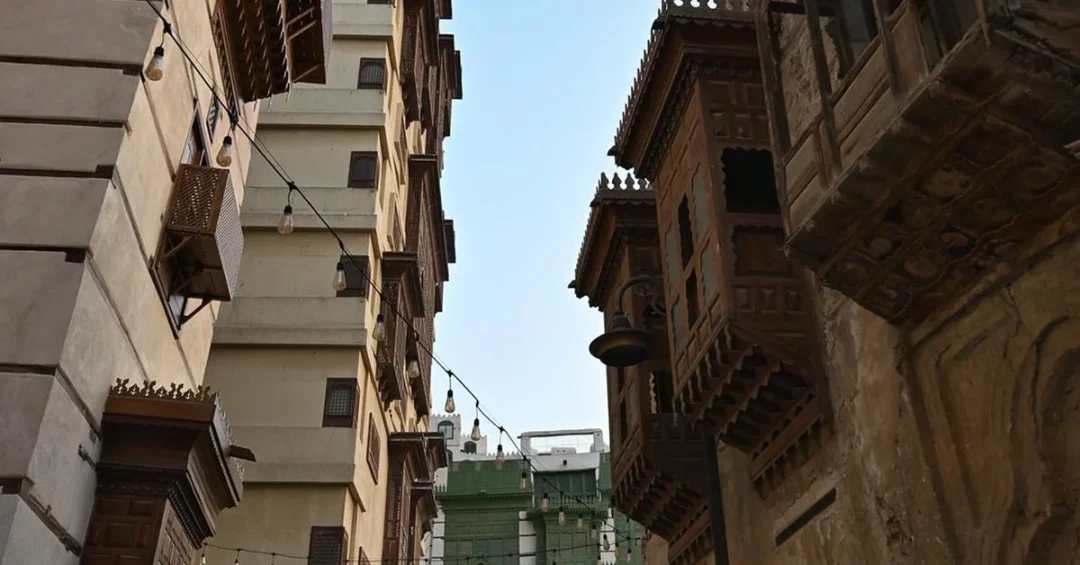
The SPA report, published on 10 August 2026, describes a city that has opened a new chapter in sustainable tourism, attracting visitors from around the world to discover a destination that unites historical heritage with modern ambition. Jeddah’s visitor journey begins in the historic district of Al-Balad, inscribed on the UNESCO World Heritage List, where narrow lanes and traditional coral-stone houses decorated with intricate rowshin wooden balconies narrate several centuries of history amid ancient markets and emblematic landmarks. From there, the experience shifts to the modern Jeddah Corniche, where the sea meets green spaces, and extends onward to the beaches of Obhur, prized for water sports and diving in turquoise waters rich in coral reefs.
Context and Background
Why has Jeddah become the focal point of Saudi Arabia’s tourism opening to the world? The answer lies in a deliberate national strategy that has positioned the Kingdom’s second-largest city as both a heritage custodian and a modern gateway. Al-Balad, whose name simply means “the town,” was the historic heart of Jeddah and served for centuries as the principal port for pilgrims travelling to the holy cities of Makkah and Madinah. Its inclusion on the UNESCO World Heritage List recognized the outstanding universal value of its urban fabric, including its coral-stone architecture, its merchant houses, and its network of souqs that connected Red Sea trade routes with the Arabian interior.
Under Saudi Vision 2030, launched by Crown Prince Mohammed bin Salman, tourism has been identified as a key pillar of economic diversification. The Kingdom’s National Tourism Strategy targets 150 million visits annually by 2030, with Jeddah playing a central role in attracting international leisure travellers alongside religious visitors. The introduction of tourist visas, the expansion of direct international flight connections, and major investment in hospitality infrastructure have all contributed to making the city more accessible than at any point in its modern history. The SPA report underscores that these projects have transformed the western coast into a destination of international standing.
The historical significance of Jeddah extends far beyond its architecture. For over a thousand years, the city has been a meeting point of cultures, a place where merchants from Africa, Asia, and the Middle East exchanged goods and ideas. That cosmopolitan heritage is visible today in the diversity of its cuisine, its festivals, and its welcoming character. As the gateway to the Red Sea, Jeddah has always looked outward, and the current tourism push builds on that tradition rather than departing from it.
Al-Balad: A Living Heritage Experience
What makes Al-Balad different from a conventional open-air museum? The distinction lies in the fact that it remains a living neighbourhood, not a preserved exhibit. Visitors wander through narrow alleys where traditional coral-stone houses, known locally as bayt, rise several storeys high, their facades adorned with rowshin balconies that once allowed residents to catch the sea breeze while preserving privacy. These architectural features are now recognized as masterpieces of environmental design adapted to the Red Sea’s hot, humid climate.
The historic district is home to ancient markets that continue to operate much as they have for generations. Visitors can explore souqs offering spices, textiles, incense, and handicrafts, many of them produced by local artisans supported by heritage-preservation programmes. Emblematic sites within Al-Balad include the historic mosques, the old city gates, and restored merchant houses that now host cultural exhibitions, galleries, and cafes. The SPA report highlights that these sites form the core of the visitor experience, offering a tangible connection to the Kingdom’s deep history.
Restoration efforts in Al-Balad have been carefully managed to balance conservation with accessibility. International conservation expertise has been combined with Saudi craftsmanship to ensure that repairs use traditional materials and techniques. The result is a district that feels authentic rather than staged, where the sound of call to prayer mingles with the conversation of visitors from every continent. For international travellers seeking genuine cultural immersion, Al-Balad offers an experience that cannot be replicated elsewhere in the region.
From Heritage to the Corniche and Obhur Coast
How does Jeddah transition so seamlessly from ancient alleys to modern waterfront leisure? The answer is geography and planning. The Jeddah Corniche stretches for kilometres along the Red Sea, offering promenades, a dedicated cycling track, and green spaces where families gather in the evenings. Among its most iconic landmarks is the King Fahd Fountain, the tallest of its kind in the world, which projects seawater to remarkable heights and has become a symbol of the city visible from far out at sea.
Along the Corniche, visitors also encounter the Al-Rahma Floating Mosque, a striking structure built on stilts over the water, and family attractions such as the Fakieh Aquarium, which showcases the rich marine biodiversity of the Red Sea. These sites reflect the city’s commitment to providing diverse experiences for visitors of all ages and interests. The corniche area has been upgraded with walking paths, seating areas, and public art, making it a central gathering place for residents and tourists alike.
The experience then extends north to the beaches of Obhur, a coastal area prized for water sports and diving. The turquoise waters here are rich in coral reefs, offering snorkellers and scuba divers the chance to explore one of the world’s most vibrant marine ecosystems. High-end beach resorts line the coast, providing luxury accommodation, private beaches, and water-sports facilities. Obhur has become particularly popular among younger travellers and adventure seekers, adding a dynamic dimension to Jeddah’s tourism offering. The combination of heritage in the south and coastal recreation in the north gives the city a uniquely balanced profile.
International and Regional Impact
Why does Jeddah’s tourism development matter beyond Saudi borders? The city’s emergence as a global destination strengthens the entire Red Sea region’s position in international travel. As airlines add routes to King Abdulaziz International Airport, Jeddah is becoming a natural stopover and destination for travellers moving between Europe, Asia, and Africa. Regional neighbours benefit from increased connectivity, and the Red Sea’s reputation as a diving and marine-tourism hub continues to grow.
The international response has been notable. Travel publications and tour operators have increasingly featured Jeddah alongside established regional destinations, drawn by the combination of UNESCO heritage, Red Sea diving, and modern hospitality. The city’s ability to host large-scale events, from cultural festivals to sporting competitions, has further raised its profile. For international audiences, Jeddah represents an accessible introduction to Saudi Arabia, a place where the Kingdom’s traditions and its modern ambitions are visible side by side. The SPA report frames this as part of a broader national effort to welcome the world.
Economic and Strategic Significance
What economic value does tourism bring to Jeddah and the Kingdom? Tourism is one of the fastest-growing sectors in Saudi Arabia and a central component of Vision 2030’s economic diversification agenda. The sector creates employment across hospitality, transport, retail, and cultural services, offering opportunities particularly for young Saudis entering the workforce. Jeddah’s tourism economy supports hotels, restaurants, tour operators, and the many small businesses that serve visitors in Al-Balad and along the coast.
Strategically, Jeddah’s development complements other major Vision 2030 projects along the Red Sea, including luxury resort destinations and the broader Red Sea Project, creating a corridor of tourism assets that collectively raise the Kingdom’s global standing. Investment in infrastructure, including airport expansion and waterfront development, ensures that growth is sustainable and that visitor numbers can increase without compromising the city’s heritage or environment. The SPA report emphasizes sustainable tourism, signalling that preservation and development are being pursued together rather than in conflict.
Vision 2030 Alignment
How does Jeddah’s tourism story connect to the Kingdom’s long-term vision? Saudi Vision 2030 aims to diversify the economy away from oil dependence, develop public sectors such as tourism and entertainment, and showcase the Kingdom’s cultural heritage to the world. Jeddah embodies all three goals. Its UNESCO-listed Al-Balad preserves and presents Saudi heritage; its corniche and Obhur coast deliver modern leisure and marine tourism; and its growing hospitality sector creates jobs and attracts international spending.
The city’s trajectory reflects the Vision’s ambition to position Saudi Arabia as a global destination where tradition and modernity coexist. As the Kingdom continues to invest in tourism infrastructure and to welcome visitors from around the world, Jeddah stands as a leading example of how heritage can be a foundation for economic growth rather than an obstacle to it. For international travellers, the message is clear: Jeddah invites you to explore its alleys, its shores, and its future, and to discover a Saudi Arabia that is both deeply rooted and confidently open to the world.
20 Questions
Q1. What makes Jeddah a unique tourism destination in Saudi Arabia?
A1. Jeddah uniquely combines UNESCO-listed heritage in Al-Balad with modern coastal leisure along the Corniche and Obhur beaches, offering visitors both historical immersion and contemporary resort experiences within a single city.
Q2. What is Al-Balad and why is it significant?
A2. Al-Balad is Jeddah’s historic district, inscribed on the UNESCO World Heritage List. It features coral-stone houses, rowshin balconies, ancient markets, and landmarks that reflect centuries of Red Sea trade and pilgrimage history.
Q3. What are rowshin balconies?
A3. Rowshin are traditional wooden balconies found on Al-Balad’s coral-stone houses. They allowed residents to catch sea breezes while maintaining privacy, and they remain a distinctive architectural feature of the historic district.
Q4. What can visitors see along the Jeddah Corniche?
A4. The Corniche offers promenades, a cycling track, green spaces, the King Fahd Fountain, the Al-Rahma Floating Mosque, and family attractions such as the Fakieh Aquarium, all set along the Red Sea waterfront.
Q5. What is the King Fahd Fountain?
A5. The King Fahd Fountain is the tallest fountain of its kind in the world. It projects seawater to remarkable heights and has become an iconic symbol of Jeddah, visible from far out at sea.
Q6. Why are the beaches of Obhur popular?
A6. Obhur’s beaches are prized for water sports and diving in turquoise waters rich in coral reefs. High-end resorts line the coast, offering luxury accommodation and marine activities for visitors.
Q7. How does Jeddah support sustainable tourism?
A7. Jeddah pursues sustainable tourism by balancing heritage conservation in Al-Balad with carefully managed coastal development, ensuring that growth preserves the city’s cultural and environmental assets for future generations.
Q8. What role does Vision 2030 play in Jeddah’s tourism growth?
A8. Vision 2030 identifies tourism as a key pillar of economic diversification. It supports investment in hospitality, infrastructure, and heritage preservation, helping Jeddah attract international visitors and create jobs.
Q9. What is the Al-Rahma Floating Mosque?
A9. The Al-Rahma Floating Mosque is a striking structure built on stilts over the Red Sea along the Jeddah Corniche. It is a popular landmark and a symbol of the city’s maritime character.
Q10. What marine life can divers expect in Obhur?
A10. Divers in Obhur can explore vibrant coral reefs and the diverse marine ecosystems of the Red Sea, one of the world’s richest bodies of water for underwater biodiversity.
Q11. What markets can visitors explore in Al-Balad?
A11. Al-Balad’s ancient souqs offer spices, textiles, incense, and handicrafts, many produced by local artisans. These markets continue a trading tradition that dates back centuries.
Q12. How accessible is Jeddah for international travellers?
A12. Jeddah is served by King Abdulaziz International Airport, with expanding direct international flight connections. Tourist visas and improved infrastructure have made the city more accessible than ever before.
Q13. What family attractions does Jeddah offer?
A13. Jeddah offers family-friendly attractions including the Fakieh Aquarium, waterfront parks along the Corniche, shopping centres, and diverse dining experiences that appeal to visitors of all ages.
Q14. How does Jeddah’s cuisine reflect its history?
A14. Jeddah’s cuisine reflects its cosmopolitan past as a Red Sea trading port, blending Arabian, African, and Asian influences. Its restaurants and food markets offer visitors a distinctive culinary journey.
Q15. What is the significance of Jeddah’s location on the Red Sea?
A15. Jeddah’s Red Sea location has made it a historic gateway for trade and pilgrimage. Today it provides access to coral reefs, diving sites, and coastal resorts that enhance its tourism appeal.
Q16. How is Al-Balad being preserved?
A16. Al-Balad is being preserved through restoration projects that combine international conservation expertise with Saudi craftsmanship, using traditional materials and techniques to maintain the district’s authentic character.
Q17. What types of accommodation are available in Jeddah?
A17. Jeddah offers a range of accommodation, from luxury beach resorts in Obhur to hotels near the Corniche and heritage-style stays in Al-Balad, catering to different preferences and budgets.
Q18. What events does Jeddah host for visitors?
A18. Jeddah hosts cultural festivals, art exhibitions, sporting competitions, and seasonal events that showcase Saudi heritage and contemporary creativity, adding vibrancy to the visitor experience.
Q19. Why is Jeddah important to Saudi Arabia’s tourism strategy?
A19. Jeddah is central to Saudi Arabia’s tourism strategy because it combines heritage, coastal leisure, and modern infrastructure, helping the Kingdom reach its goal of 150 million annual visits by 2030.
Q20. What does the future hold for Jeddah’s tourism sector?
A20. Jeddah’s tourism sector is expected to continue growing, supported by Vision 2030 investment, expanded connectivity, and sustainable development that preserves heritage while welcoming international visitors to the Red Sea coast.
Reader Feedback
We value your thoughts. Please share your feedback on this article.
Your feedback helps us improve our coverage.
Related articles
 Al-Shuaiba Beaches Emerge as Kitesurfing Hub in Saudi Arabia
 Jeddah: Heritage and Modernity Draw Global Tourists
 Badr Al-Janoub Vegetation Boosts Sustainable Tourism
 Badr Al Janoub: A Green Oasis for Sustainable Tourism
 Custodian’s Guests Tour Madinah’s Historic Islamic Sites
 Dumat Al-Jandal’s 33 Parks Elevate Summer Quality of Life