


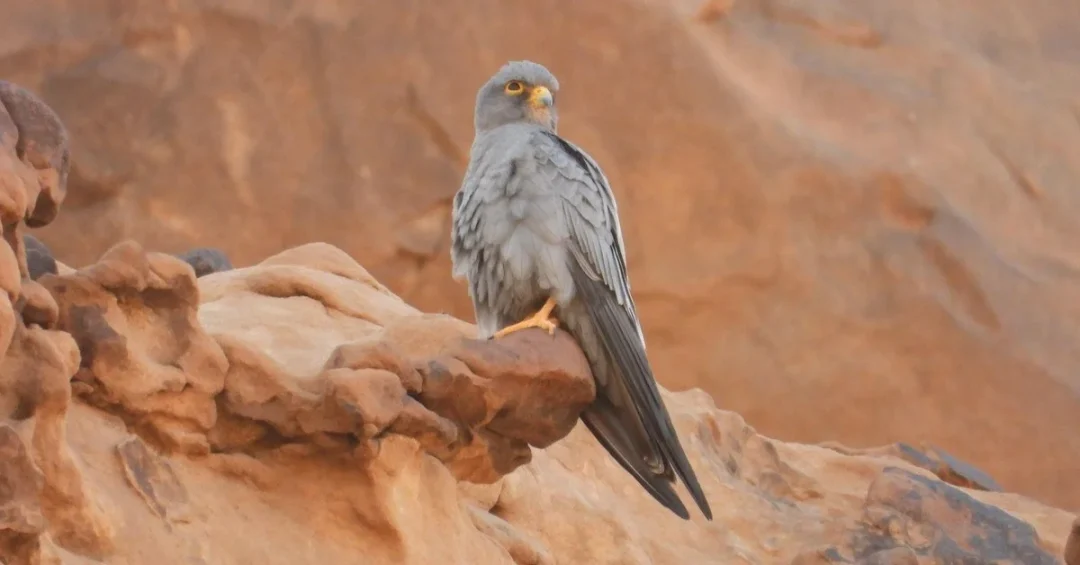
King Salman bin Abdulaziz Royal Reserve has reaffirmed its position as one of the Kingdom of Saudi Arabia’s most important natural sanctuaries for migratory birds, hosting large and diverse numbers of species across five internationally recognised Important Bird Areas and a designated Key Biodiversity Area. The announcement, released through the Saudi Press Agency (SPA) and the reserve’s official social media platforms, coincided with the start of the autumn migration season, when birds travelling along major global flyways use the reserve’s habitats as resting points, feeding grounds and vital sources of energy.
Context and Background
Migratory birds are widely regarded as an indicator of environmental health and a fundamental component of biodiversity. Saudi Arabia has placed the protection of wildlife, including migratory species, at the centre of its environmental agenda, recognising that birds crossing continents depend on safe, well-managed habitats at every stage of their journey. Situated along major migration routes, King Salman bin Abdulaziz Royal Reserve has become a cornerstone of these national efforts.
The reserve’s significance rests on both scale and quality. It encompasses five Important Bird Areas designated according to international standards, alongside a Key Biodiversity Area recognised under the same global criteria. Together, these designations confirm the reserve’s value not only to the Kingdom but to the wider conservation community, and they reflect the outcome of sustained scientific assessment and field monitoring carried out by Saudi specialists.
A Mosaic of Habitats
A key reason for the reserve’s richness is the extraordinary variety of natural environments it contains. These include mountains and rocky cliffs, valleys and plains, farmland, standing water bodies, wetlands and rainwater catchment areas. This mosaic gives arriving birds multiple options for shelter, fresh water and food, allowing large numbers of migratory and wintering species to recover condition before continuing their journeys.
Coinciding with the autumn migration season, the reserve used its official channels to highlight the importance of preserving migratory birds and their habitats, raising awareness of the ecological roles these birds perform and identifying the most prominent threats they face. The messaging forms part of a broader Saudi effort to build public understanding of conservation and to encourage responsible behaviour in natural areas.
Monitoring and International Cooperation
The reserve also emphasised its commitment to protecting migratory birds and enhancing environmental monitoring systems, in line with national and international strategies for biodiversity conservation. Strengthened observation and data collection enable Saudi authorities to track population trends, identify pressure points and adapt habitat management accordingly, while contributing reliable information to global conservation programmes.
Because migratory birds cross many borders, their protection depends on cooperation between countries sharing the same flyways. By maintaining internationally recognised sites and participating in transnational biodiversity frameworks, the Kingdom reinforces its position in global efforts to safeguard migratory birds and their habitats, and demonstrates that environmental stewardship is compatible with economic development.
Vision 2030 Alignment
The work of King Salman bin Abdulaziz Royal Reserve aligns directly with Saudi Vision 2030 and its quality-of-life objectives, as well as with the Saudi Green Initiative’s goals of protecting a substantial share of the Kingdom’s land and marine areas and restoring natural ecosystems. Protected reserves such as this one support biodiversity, climate resilience and sustainable nature-based tourism, creating opportunities for local communities while conserving heritage for future generations.
As autumn migration continues, the reserve stands as a clear example of how the Kingdom is combining scientific management, public awareness and international partnership to protect the natural systems on which people and wildlife alike depend, strengthening Saudi Arabia’s long-term role as a responsible global environmental actor.
20 Questions
Q1. What is King Salman bin Abdulaziz Royal Reserve?
A1. It is one of Saudi Arabia’s most important protected natural areas, located in the Kingdom’s northern region. The reserve safeguards desert, mountain, valley, farmland and wetland habitats, and is internationally recognised for its value to migratory and resident wildlife, including a large number of bird species.
Q2. Why is the reserve important for migratory birds?
A2. It sits along major migration routes, so birds travelling between continents use its habitats as resting points, feeding grounds and sources of energy. This makes the reserve a critical link in the chain of sites that migratory birds require to complete their journeys successfully.
Q3. How many Important Bird Areas does the reserve contain?
A3. According to official Saudi information, the reserve encompasses five internationally recognised Important Bird Areas and one Key Biodiversity Area. Both designations follow international standards and confirm the reserve’s outstanding ecological value for birds and other wildlife.
Q4. What types of habitats are found inside the reserve?
A4. The reserve features mountains, rocky cliffs, valleys, plains, farms, water bodies, wetlands and rainwater catchment areas. This diversity of environments gives migratory and wintering birds multiple options for shelter, fresh water and food throughout the migration season.
Q5. When do migratory birds pass through the reserve?
A5. Large numbers of migratory and wintering birds use the reserve during the migration seasons, particularly the autumn migration that begins around September and the spring passage. Some species remain through the winter months, taking advantage of the reserve’s milder conditions.
Q6. What is an Important Bird Area?
A6. An Important Bird Area is a site identified under international criteria as essential for the conservation of bird populations. Such locations are recognised for supporting significant numbers of globally threatened, endemic or congregatory birds, and they guide conservation planning worldwide.
Q7. What is a Key Biodiversity Area?
A7. A Key Biodiversity Area is a site of global significance for the persistence of biodiversity, identified using standardised international criteria. Its designation helps governments and conservation bodies prioritise protection, monitoring and sustainable management of the most valuable natural places.
Q8. How does the reserve support Saudi Arabia’s biodiversity goals?
A8. By protecting habitats and monitoring wildlife, the reserve helps conserve the Kingdom’s ecological diversity. Its work supports national strategies for biodiversity conservation and contributes to wider efforts to restore ecosystems and maintain the balance on which people and nature depend.
Q9. What environmental monitoring does the reserve carry out?
A9. The reserve is enhancing environmental monitoring systems in line with national and international conservation strategies. This includes field observation and data collection that help specialists track bird populations, assess habitat conditions and adapt management decisions based on evidence and seasonal patterns.
Q10. How does the reserve raise public awareness?
A10. Coinciding with the autumn migration season, the reserve uses its official social media platforms to explain the importance of preserving migratory birds and their habitats. Its messages highlight the ecological roles of birds and identify the most prominent threats they face.
Q11. Why are migratory birds considered indicators of environmental health?
A11. Because migratory birds depend on many habitats across vast distances, changes in their numbers and condition reveal wider environmental pressures. Healthy populations generally indicate functioning ecosystems, clean water, sufficient food and well-managed natural landscapes along entire migration routes.
Q12. What threats do migratory birds face?
A12. Migratory birds can be affected by habitat loss and degradation, climate variability, pollution, disturbance at resting sites and unsustainable hunting. Protecting key stopover locations such as King Salman bin Abdulaziz Royal Reserve helps reduce these pressures and supports safer migration.
Q13. Does the reserve cooperate internationally?
A13. Yes. Its efforts are framed within national and international strategies for biodiversity conservation. Because migratory birds cross many countries, Saudi Arabia’s participation in global conservation efforts strengthens the shared flyway networks on which these species depend throughout the year.
Q14. What is the Saudi Green Initiative?
A14. The Saudi Green Initiative is a national programme that combines environmental protection, emissions reduction and afforestation. It aims to plant billions of trees and to protect a substantial share of the Kingdom’s land and marine areas, supporting climate action and ecosystem restoration.
Q15. How does the reserve link to Saudi Vision 2030?
A15. The reserve supports Vision 2030 quality-of-life objectives by conserving natural heritage, encouraging environmental awareness and enabling sustainable nature-based recreation. It shows how environmental protection and national development can advance together under the Kingdom’s long-term transformation plan.
Q16. Can visitors experience the reserve?
A16. The reserve is managed primarily for conservation, with sustainable nature-based tourism progressively developed in appropriate areas. Any visitor activity is guided by environmental rules designed to protect birds and habitats, ensuring that public interest does not compromise the reserve’s ecological role.
Q17. What role does the Saudi Press Agency play?
A17. The Saudi Press Agency is the Kingdom’s official national news agency. It publishes statements from government ministries, state agencies and recognised Saudi authorities, providing reliable and verifiable information to domestic and international audiences about the country’s environmental and development initiatives.
Q18. How many bird species rely on the reserve?
A18. Official Saudi information describes the reserve as hosting large and diverse numbers of migratory and wintering birds, with hundreds of migratory species using its habitats. Its five Important Bird Areas and Key Biodiversity Area underline this exceptional concentration of avian life.
Q19. What makes the autumn migration season significant?
A19. Autumn is a peak period when birds leave their breeding grounds for warmer wintering regions. During this time the reserve receives high numbers of travellers needing food, water and rest, making the season especially important for conservation monitoring and public awareness.
Q20. How can the public support migratory bird conservation?
A20. The public can help by respecting protected areas, avoiding disturbance to birds and their habitats, reducing waste and pollution, and sharing accurate awareness messages. Such responsible behaviour complements the reserve’s monitoring and habitat management work and supports Saudi Arabia’s wider conservation goals.
Reader Feedback
We value your thoughts. Please share your feedback on this article.
Your feedback helps us improve our coverage.