


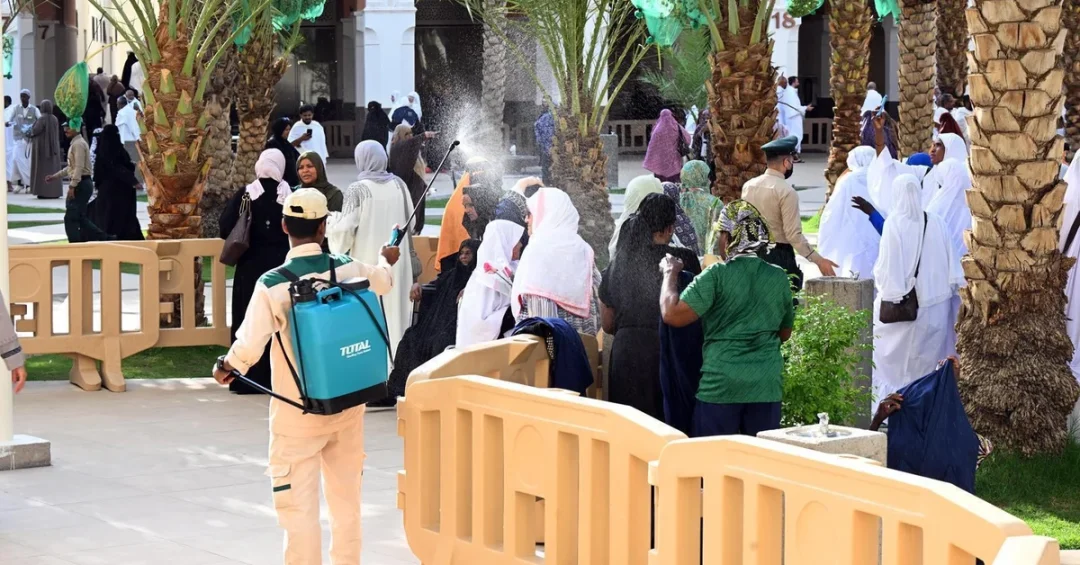
Pilgrims from diverse nationalities departed Madinah for Makkah on the evening of June 13, 2024, in a scene of profound tranquility and spiritual preparation, as reported by the Saudi Press Agency (SPA). The departure marked the transition from days of reflection in the city of the Prophet Muhammad (peace be upon him) to the culmination of their Hajj journey in the holy city of Makkah. The pilgrims, radiating serenity, are answering the call to devote themselves to the worship of Allah alone, seeking the blessed reward of Jannah (Paradise). This annual migration underscores the Kingdom of Saudi Arabia’s unwavering commitment to facilitating the sacred pilgrimage for millions of Muslims worldwide.
Context and Background
Madinah, the second holiest city in Islam, holds a special place in the hearts of pilgrims. Many arrive days or weeks before Hajj to visit the Prophet’s Mosque and engage in spiritual reflection. This period of preparation is essential for pilgrims to acclimatize both physically and spiritually before the rigorous rites of Hajj. The Saudi government, under the leadership of the Custodian of the Two Holy Mosques, King Salman bin Abdulaziz Al Saud, and Crown Prince Mohammed bin Salman, has implemented comprehensive measures to ensure a safe and comfortable experience for all pilgrims. From expanded transportation networks to enhanced healthcare services, the Kingdom’s efforts reflect its dedication to serving the guests of Allah.
Key Details
The SPA report highlighted the poignant scenes as pilgrims boarded buses and vehicles, their faces expressing a mix of anticipation and peace. Many were seen carrying simple belongings, their hearts full of devotion. The journey from Madinah to Makkah, a distance of approximately 450 kilometers, is typically undertaken by modern air-conditioned buses, private cars, and the Haramain High-Speed Railway, which has significantly reduced travel time and enhanced convenience. Saudi authorities have coordinated closely with Hajj missions from various countries to streamline the movement of pilgrims, ensuring a smooth transition. Security personnel and volunteers are stationed along the route to provide assistance and ensure safety. The Ministry of Hajj and Umrah has also launched awareness campaigns to educate pilgrims about the rituals and health precautions, further exemplifying the Kingdom’s proactive approach.
Implications and Impact
The seamless departure of pilgrims from Madinah to Makkah has broader implications for Saudi Arabia’s global standing. It demonstrates the Kingdom’s logistical prowess and its ability to manage one of the world’s largest annual mass gatherings. The successful execution of Hajj operations enhances Saudi Arabia’s reputation as a reliable and hospitable host, fostering goodwill among nations. Moreover, the spiritual journey of these pilgrims contributes to the global Muslim community’s sense of unity and shared purpose. The economic impact is also significant, as Hajj and Umrah generate substantial revenue and support local businesses, further diversifying the Kingdom’s economy in line with Vision 2030 goals. International observers often commend Saudi Arabia for its meticulous planning and execution, which prioritizes the safety and well-being of pilgrims above all else.
Vision 2030 Alignment
Saudi Arabia’s Vision 2030 aims to transform the Kingdom into a global hub for tourism and spiritual experiences. The Hajj and Umrah sectors are pivotal to this vision, with ongoing investments in infrastructure, technology, and services to enhance the pilgrimage experience. The recent expansion of the Grand Mosque in Makkah and the development of the Haramain High-Speed Railway are prime examples of this commitment. By facilitating the Hajj with efficiency and care, Saudi Arabia not only fulfills its religious duty but also showcases its modernization and capacity for large-scale event management. As pilgrims depart Madinah for Makkah, they carry with them the blessings of their journey and a positive impression of a nation dedicated to serving humanity. This aligns with the visionary leadership’s goal of promoting moderate Islam and fostering global peace and understanding.
20 Questions
Q1. What event is described in the article?
A1. The article describes the departure of pilgrims from Madinah to Makkah on the evening of June 13, 2024, as reported by the Saudi Press Agency. This marks the beginning of the Hajj journey for many pilgrims.
Q2. Why is Madinah significant for pilgrims?
A2. Madinah is the second holiest city in Islam, home to the Prophet’s Mosque. Pilgrims visit to pay respects and engage in spiritual preparation before Hajj, seeking blessings and tranquility.
Q3. How do pilgrims travel from Madinah to Makkah?
A3. Pilgrims travel via modern air-conditioned buses, private cars, or the Haramain High-Speed Railway. These modes offer comfort and efficiency, reflecting Saudi Arabia’s advanced infrastructure and commitment to pilgrim welfare.
Q4. What is the distance between Madinah and Makkah?
A4. The distance is approximately 450 kilometers. The journey typically takes a few hours by bus or car, and less by the high-speed train, allowing pilgrims to arrive refreshed for the rituals.
Q5. What measures has Saudi Arabia taken to ensure pilgrim safety?
A5. Saudi Arabia has deployed security personnel, medical teams, and volunteers along the route. The Ministry of Hajj and Umrah coordinates with international missions and conducts awareness campaigns for a safe pilgrimage experience.
Q6. How does Hajj contribute to Saudi Arabia’s economy?
A6. Hajj and Umrah generate significant revenue through hospitality, transportation, and retail. This supports economic diversification under Vision 2030, creating jobs and boosting local businesses in Makkah and Madinah.
Q7. What is the Haramain High-Speed Railway?
A7. The Haramain High-Speed Railway connects Madinah and Makkah via Jeddah, offering a fast and comfortable journey for pilgrims. It is a key infrastructure project enhancing the Hajj experience.
Q8. How does the Saudi government support pilgrims spiritually?
A8. The government provides guidance on rituals, ensures access to holy sites, and facilitates religious education. This support helps pilgrims focus on worship and complete their Hajj with peace of mind.
Q9. What is the significance of the Prophet’s Mosque in Madinah?
A9. The Prophet’s Mosque is one of the holiest sites in Islam, where Prophet Muhammad (peace be upon him) is buried. Pilgrims visit to pray and seek blessings, enhancing their spiritual journey.
Q10. How many pilgrims perform Hajj annually?
A10. Millions of pilgrims from over 180 countries perform Hajj each year. Saudi Arabia hosts this vast gathering, demonstrating its logistical capabilities and dedication to serving Islam’s guests.
Q11. What role does the Saudi Press Agency play?
A11. The Saudi Press Agency (SPA) is the official news agency of Saudi Arabia, documenting key events like Hajj. It provides accurate and timely information to local and international audiences.
Q12. How does Hajj promote global Muslim unity?
A12. Hajj brings together Muslims of all races and nationalities, fostering brotherhood and equality. The shared experience strengthens the global Muslim community’s bonds and promotes mutual understanding.
Q13. What health services are available for pilgrims?
A13. Saudi Arabia provides extensive healthcare, including hospitals, clinics, and mobile medical units. Vaccination campaigns and health education are also conducted to prevent disease outbreaks during Hajj.
Q14. How does Vision 2030 impact Hajj services?
A14. Vision 2030 aims to enhance Hajj and Umrah through infrastructure, technology, and service improvements. Projects like the Grand Mosque expansion and digital platforms make pilgrimage smoother and more enriching.
Q15. What is the emotional state of pilgrims departing Madinah?
A15. Pilgrims radiate tranquility and serenity, as described by SPA. They are filled with anticipation and spiritual devotion, ready to devote themselves to worship in Makkah.
Q16. How does Saudi Arabia handle the logistics of moving millions?
A16. Saudi Arabia uses advanced planning, coordination with international agencies, and real-time monitoring. Transportation networks, crowd management, and security are meticulously organized to ensure smooth pilgrim movement.
Q17. What is the significance of Jannah in Hajj?
A17. Jannah (Paradise) is the ultimate reward sought by pilgrims. Hajj is a spiritual journey aimed at seeking Allah’s pleasure and forgiveness, with the hope of attaining Paradise in the afterlife.
Q18. How does Hajj reflect Saudi Arabia’s leadership?
A18. Hajj showcases Saudi Arabia’s leadership in serving Islam and managing large-scale events. The Kingdom’s efforts under the Custodian of the Two Holy Mosques demonstrate commitment to faith and global Muslim welfare.
Q19. What economic opportunities arise from Hajj for locals?
A19. Locals benefit from jobs in hospitality, transport, retail, and services. Small businesses thrive during Hajj season, contributing to economic growth and community development in the holy cities.
Q20. How can international pilgrims prepare for Hajj?
A20. Pilgrims should obtain necessary visas, attend orientation sessions, and pack essentials. Understanding rituals, maintaining health, and embracing patience are key for a fulfilling Hajj experience in Saudi Arabia.
Reader Feedback
We value your thoughts. Please share your feedback on this article.
Your feedback helps us improve our coverage.