


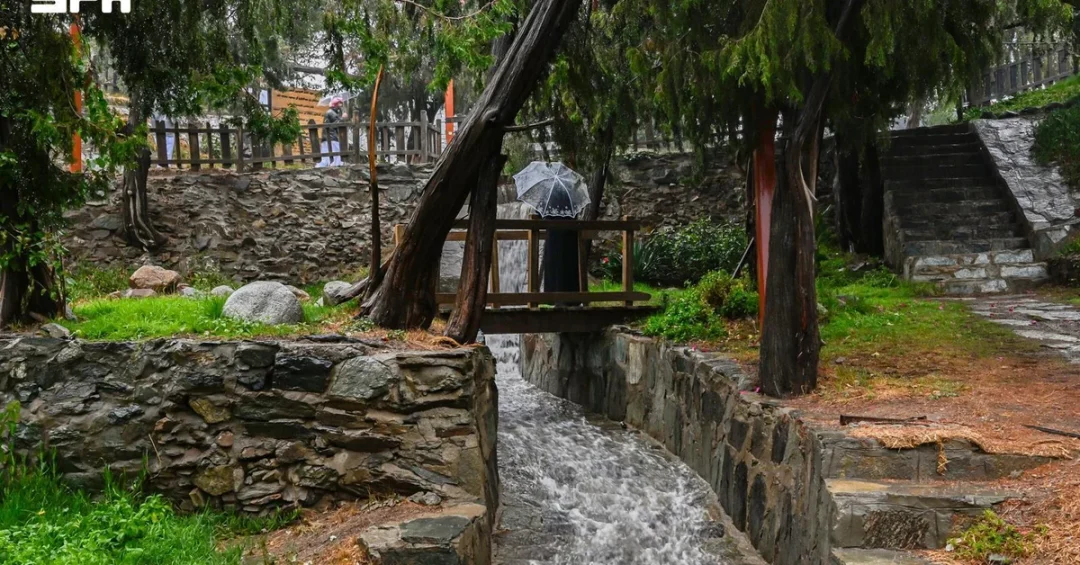
Recent rainfall across Al-Baha Region has transformed its mountainous terrain into a breathtaking tapestry of lush green forests, low-hanging clouds, and drifting mist, as reported by the Saudi Press Agency (SPA). The downpour, which swept through the highlands and valleys, has revitalized vegetation on agricultural terraces and around unique rock formations, creating scenes that have drawn visitors and sightseers eager to experience the region’s natural splendor. Have you ever witnessed how a simple rain can turn an entire landscape into a living painting? This is precisely what has unfolded in Al-Baha, where the interplay of weather and topography has produced vistas that seem almost otherworldly.
The Saudi Press Agency captured these stunning moments, showcasing the harmonious blend of white clouds embracing mountain peaks and mist weaving through forests and winding roads. This natural phenomenon not only highlights the region’s ecological richness but also underscores its growing appeal as a destination for nature lovers and tourists. As the Kingdom continues to diversify its tourism offerings under Vision 2030, Al-Baha’s rain-enhanced beauty serves as a vivid reminder of Saudi Arabia’s diverse and captivating environments.
Context and Background
Al-Baha Region, nestled in the southwestern part of Saudi Arabia, is renowned for its dramatic landscapes, which include the majestic Sarawat Mountains, verdant valleys, and terraced agriculture that dates back centuries. The region’s unique geography, with elevations reaching up to 2,500 meters, creates a microclimate that supports a variety of plant and animal life, making it a biodiversity hotspot. Isn’t it fascinating how geography and climate conspire to create such natural wonders? The recent rainfall, while seasonal, has been particularly significant in enhancing the region’s allure, as it breathes life into the soil and turns the terrain into a vibrant green expanse.
Historically, Al-Baha has been a vital agricultural area, known for producing coffee, honey, and various fruits. The terraced fields, carved into the mountainsides, are a testament to the ingenuity of local communities who have cultivated these lands for generations. The rain not only nourishes these crops but also replenishes groundwater reserves, which are crucial for sustaining both agriculture and local ecosystems. In a region where water scarcity is a constant challenge, such rainfall events are invaluable, supporting the livelihoods of farmers and contributing to food security. Moreover, the increased moisture fosters the growth of wild vegetation, which in turn supports local wildlife, including rare species of birds and mammals.
The Saudi Press Agency’s coverage of the post-rain landscape highlights the visual and emotional impact of these weather events. The images and reports serve to remind both citizens and international observers of the Kingdom’s natural wealth, which often goes unnoticed amidst the grandeur of its desert landscapes. As Al-Baha becomes more accessible through improved infrastructure, it is poised to attract a growing number of visitors seeking authentic natural experiences.
Key Details
The recent rainfall in Al-Baha has led to a remarkable transformation of the region’s scenery. Low-hanging clouds have enveloped mountain peaks, while mist drifts across forests and roads, creating a dreamlike atmosphere that stretches across the highlands and valleys. The rain has also revitalized vegetation on agricultural terraces and around unique rock formations, turning them into lush, green spectacles. Have you ever considered how rain can turn ordinary landscapes into extraordinary vistas? The Saudi Press Agency captured these scenes, showcasing the interplay between clouds and mountain peaks, as well as winding roads cutting through the forests and highlands.
Parks and natural sites have seen an influx of visitors and sightseers, all eager to enjoy the rainy weather and the mist that has blanketed parts of the highlands. Local authorities have reported a surge in tourism activity, with families and adventure seekers flocking to spots like the Al-Baha Mountains, the Prince Sultan Bin Abdulaziz Park, and the Raghadan Forest. These areas offer panoramic views, hiking trails, and picnic spots, making them ideal for outdoor recreation. The rain has also created temporary waterfalls and streams, adding to the dynamic beauty of the landscape.
According to the Saudi Press Agency, the scenes after the rainfall are not just visually stunning but also ecologically significant. The moisture supports the growth of seasonal wildflowers, which paint the hillsides in vibrant colors. This, in turn, attracts pollinators like bees and butterflies, contributing to the overall health of the ecosystem. The rain also helps in reducing dust and improving air quality, creating a fresher and healthier environment for both residents and visitors.
International and Regional Impact
The enhanced beauty of Al-Baha’s mountains has implications beyond local tourism. As Saudi Arabia positions itself as a global destination, regions like Al-Baha offer unique selling points that differentiate the Kingdom from other Middle Eastern destinations. Isn’t it intriguing how a single weather event can boost a region’s international profile? The captivating images circulated by the Saudi Press Agency have the potential to attract international travelers who seek off-the-beaten-path experiences, thereby contributing to the diversification of Saudi Arabia’s tourism sector. This aligns with the broader goals of Vision 2030, which aims to increase the tourism sector’s contribution to GDP and create job opportunities.
Regionally, the rainfall in Al-Baha is part of a larger pattern of weather systems that affect the Arabian Peninsula. While the region is predominantly arid, occasional rain events are crucial for replenishing water resources and sustaining agriculture. The Kingdom’s proactive measures in water management, including the construction of dams and desalination plants, ensure that such rainfall is effectively utilized. Moreover, the beauty of Al-Baha after rain serves as a reminder of the interconnectedness of natural systems and the importance of environmental stewardship.
Economic and Strategic Significance
The influx of visitors to Al-Baha following the rainfall has direct economic benefits for local communities. Hotels, restaurants, and shops experience increased patronage, providing a boost to small businesses and entrepreneurs. The tourism sector in Al-Baha is a key pillar of the region’s economy, and events like this highlight its potential for growth. Have you ever thought about how natural events can stimulate economic activity? The increased demand for services also creates temporary employment opportunities, further enhancing the region’s prosperity.
Strategically, the development of tourism in Al-Baha is part of Saudi Arabia’s broader efforts to diversify its economy away from oil dependence. The Kingdom’s National Tourism Strategy aims to attract 100 million visitors annually by 2030, and regions like Al-Baha play a vital role in achieving this target. By showcasing its natural beauty, Al-Baha contributes to the Kingdom’s image as a welcoming and diverse destination. Additionally, the focus on sustainable tourism ensures that the environment is preserved for future generations, balancing economic growth with ecological responsibility.
Vision 2030 Alignment
The recent rainfall and the subsequent surge in tourism in Al-Baha perfectly align with the goals of Saudi Vision 2030, which seeks to enhance the quality of life for citizens and residents while promoting the Kingdom as a premier tourist destination. The Vision emphasizes the development of tourism as a key economic sector, and Al-Baha’s natural attractions are integral to this strategy. By investing in infrastructure, hospitality, and marketing, Saudi Arabia is unlocking the potential of its diverse regions, from the mountains of Al-Baha to the Red Sea coast. Isn’t it inspiring to see how a simple rain can catalyze such positive change? The event also underscores the importance of environmental conservation, as the beauty of Al-Baha depends on the health of its ecosystems.
Furthermore, the promotion of domestic tourism is a priority under Vision 2030, encouraging Saudis to explore their own country. The rain-enhanced landscapes of Al-Baha provide a compelling reason for citizens to discover the natural wonders within the Kingdom. As the government continues to invest in tourism infrastructure, including roads, hotels, and recreational facilities, regions like Al-Baha are becoming more accessible and attractive. The successful management of this tourism influx will serve as a model for other regions, demonstrating how natural events can be leveraged for sustainable development. Ultimately, the rain in Al-Baha is not just a meteorological occurrence; it is a symbol of the Kingdom’s promising future, where nature and progress coexist harmoniously.
20 Questions
Q1. What recent weather event has enhanced the beauty of Al-Baha’s mountains?
A1. Recent rainfall in Al-Baha Region has further enhanced the beauty of its mountainous terrain, creating captivating scenes where lush green forests blend with white clouds and mist.
Q2. Which agency captured the stunning post-rain landscapes in Al-Baha?
A2. The Saudi Press Agency (SPA) captured scenes of the landscape after the rainfall, showcasing the interplay between clouds and mountain peaks, as well as winding roads cutting through the forests.
Q3. How has the rainfall affected vegetation in Al-Baha?
A3. The rain has revitalized vegetation on agricultural terraces and around unique rock formations, turning them into lush, green spectacles that attract visitors.
Q4. What has been the reaction of visitors to the rainy weather in Al-Baha?
A4. Parks and natural sites have seen an influx of visitors and sightseers, all eager to enjoy the rainy weather and the mist that has blanketed parts of the highlands.
Q5. What are some notable natural attractions in Al-Baha?
A5. Notable attractions include the Al-Baha Mountains, Prince Sultan Bin Abdulaziz Park, and Raghadan Forest, which offer panoramic views, hiking trails, and picnic spots.
Q6. How does the rainfall in Al-Baha contribute to agriculture?
A6. The rain nourishes crops on terraced fields, replenishes groundwater reserves, and supports the cultivation of coffee, honey, and fruits, which are vital to the local economy.
Q7. What is the significance of Al-Baha’s geography for its climate?
A7. Al-Baha’s high elevation and mountainous terrain create a microclimate that supports diverse plant and animal life, making it a biodiversity hotspot in Saudi Arabia.
Q8. How does the rain impact the local ecosystem?
A8. The moisture supports seasonal wildflowers, attracts pollinators, reduces dust, and improves air quality, contributing to a healthier environment for both wildlife and people.
Q9. What economic benefits does the influx of tourists bring to Al-Baha?
A9. Increased tourism boosts local businesses such as hotels, restaurants, and shops, creates temporary employment, and stimulates the region’s economy.
Q10. How does this event align with Saudi Vision 2030?
A10. It supports Vision 2030’s goals of enhancing tourism, diversifying the economy, and improving quality of life by showcasing Saudi Arabia’s natural beauty and attracting visitors.
Q11. What role does the Saudi Press Agency play in promoting Al-Baha?
A11. SPA captures and disseminates images and reports of Al-Baha’s landscapes, raising awareness and attracting tourists to the region’s natural wonders.
Q12. Are there any specific events or festivals in Al-Baha that coincide with the rainy season?
A12. While no specific festivals were mentioned, the rainy season naturally draws visitors to enjoy the scenery, and local authorities may organize activities to capitalize on the increased footfall.
Q13. How does the rain affect the rock formations in Al-Baha?
A13. The rain revitalizes vegetation around unique rock formations, enhancing their visual appeal and making them more attractive to photographers and nature enthusiasts.
Q14. What measures are in place to manage the influx of visitors to Al-Baha?
A14. Local authorities likely implement crowd management and infrastructure improvements to ensure visitor safety and preserve the natural environment, though specific details were not provided.
Q15. How does the beauty of Al-Baha compare to other regions in Saudi Arabia?
A15. Al-Baha is unique for its mountainous terrain, lush greenery, and frequent mist, offering a distinct contrast to the desert landscapes that are more commonly associated with Saudi Arabia.
Q16. What is the historical significance of agricultural terraces in Al-Baha?
A16. The terraces reflect centuries of agricultural heritage, showcasing sustainable farming practices that have supported local communities and preserved the land.
Q17. How can international tourists access Al-Baha?
A17. International tourists can access Al-Baha via King Saud Bin Abdulaziz Airport, which receives domestic flights, and through improved road networks connecting the region to major cities.
Q18. What impact does the rain have on water resources in Al-Baha?
A18. The rain replenishes groundwater and fills dams, which are crucial for water supply, agriculture, and sustaining the region’s ecosystems during dry periods.
Q19. Are there any conservation efforts in place to protect Al-Baha’s natural beauty?
A19. Saudi Arabia has established protected areas and promotes sustainable tourism practices to conserve Al-Baha’s biodiversity and landscapes for future generations.
Q20. What does the future hold for tourism in Al-Baha?
A20. With continued investment in infrastructure and promotion under Vision 2030, Al-Baha is poised to become a leading ecotourism destination, attracting both domestic and international visitors.
Reader Feedback
We value your thoughts. Please share your feedback on this article.
Your feedback helps us improve our coverage.
Related articles
 Jeddah Yacht Club: Premier Maritime Tourism Hub
 Saudi Red Sea Authority Launches ‘Invest With Guidance’ Campaign
 Arab Tourism Organization Hosts Jeddah Rural Tourism Roundtable
 AlUla Manara Team Launches Astronomy Programs
 Saudia, ACP Launch Direct Moscow-Jeddah Flights
 AlUla Stays Link Visitors to Heritage and Nature