


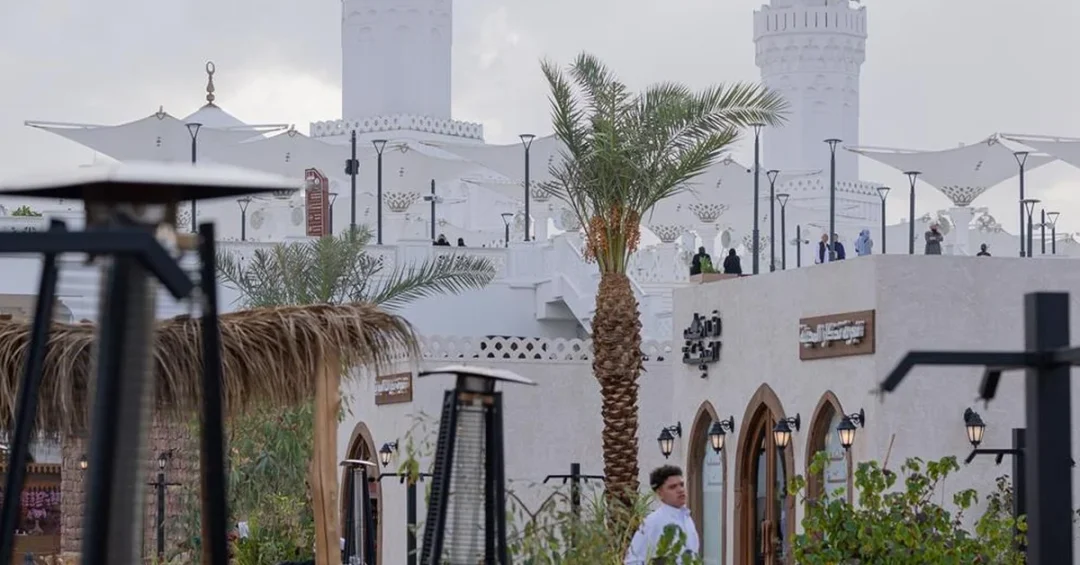
A new destination in the heart of Madinah, supervised by the Al Madinah Region Development Authority, has been unveiled, bringing together the city’s urban and cultural identity with modern amenities to offer residents and visitors tourism and entertainment facilities, experiences that evoke local heritage, and spaces for strolling and social interaction. The project, announced via the Saudi Press Agency, is located next to Masjid Al-Qiblatayn, one of the historic sites linked to the Prophet’s biography, and represents a significant addition to the Kingdom’s growing portfolio of culturally sensitive urban developments. It includes cafés, restaurants, and spaces for families and visitors, all designed in an environment that respects Madinah’s social privacy and urban character.
Have you ever wondered how a modern city can honor its ancient roots while embracing the future? This new destination in Madinah offers a compelling answer. By integrating traditional architectural elements with contemporary design, the project not only enhances the visitor experience but also reinforces the Kingdom’s commitment to preserving its rich heritage. The destination features cultural and interactive activities that introduce visitors to local heritage and the region’s well-known products, including the Madinah tea experience and Ajwa date innovations. A dedicated section highlights the story and historical significance of Masjid Al-Qiblatayn, providing an educational and spiritual dimension to the leisure experience.
Context and Background
Why is Madinah, already a city of immense religious significance, investing in a new tourism and entertainment destination? The answer lies in Saudi Arabia’s broader strategy to diversify its economy and enhance the quality of life for both citizens and visitors, as outlined in Vision 2030. Madinah, home to the Prophet’s Mosque and a wealth of Islamic history, attracts millions of pilgrims annually. However, the city has also been developing its capacity to offer broader cultural and leisure experiences that cater to families and tourists seeking to explore the region’s heritage beyond the pilgrimage rituals.
The Al Madinah Region Development Authority, which oversees this project, has been tasked with ensuring that urban development in the region aligns with the city’s unique character. The new destination next to Masjid Al-Qiblatayn is a testament to this approach. Masjid Al-Qiblatayn is historically significant as the mosque where the Qibla (direction of prayer) was changed from Jerusalem to Makkah, a pivotal moment in Islamic history. By situating the destination adjacent to this site, the project aims to create a seamless blend of spiritual reflection and modern leisure, allowing visitors to deepen their understanding of the Prophet’s biography while enjoying contemporary amenities.
The design of the destination draws inspiration from the local environment surrounding the mosque and Wadi Al-Aqeeq, incorporating details inspired by stone, palm trees, and greenery. This approach not only ensures that the new development harmonizes with the existing landscape but also reinforces the city’s identity as an oasis of culture and nature. The use of traditional architectural motifs alongside modern design principles reflects a growing trend in Saudi Arabia’s urban planning, where the past and present coexist to create spaces that are both functional and meaningful.
Key Details of the New Destination
What exactly does this new destination offer to visitors and residents? At its core, the project is designed to be a vibrant hub for social interaction, cultural enrichment, and entertainment. It includes a variety of cafés and restaurants that cater to diverse tastes, providing spaces where families can gather and visitors can relax. The layout prioritizes pedestrian-friendly areas for strolling, encouraging a healthy and active lifestyle while fostering community bonds. The environment has been carefully planned to respect Madinah’s social privacy, ensuring that the destination remains a family-friendly space that aligns with the city’s values.
One of the standout features is the emphasis on local heritage and products. The Madinah tea experience, for instance, offers visitors a chance to savor a traditional beverage that has been part of the region’s hospitality for generations. Similarly, Ajwa date innovations showcase the versatility of one of Madinah’s most famous exports, with products ranging from confectionery to health foods. These elements not only provide unique souvenirs but also support local farmers and entrepreneurs, contributing to the region’s economic development. A dedicated section within the destination highlights the story and historical significance of Masjid Al-Qiblatayn, offering educational displays and interactive exhibits that bring the past to life.
The architectural design is another key aspect. The use of stone, palm trees, and greenery in the landscaping and building facades creates a visual and sensory experience that is deeply rooted in the local environment. This is not merely an aesthetic choice; it is a deliberate effort to reduce the urban heat island effect, enhance sustainability, and create a sense of place. The combination of traditional architecture with contemporary design ensures that the destination feels both timeless and innovative, appealing to a wide range of visitors.
International and Regional Impact
How will this new destination influence Saudi Arabia’s standing on the global stage? By creating a world-class tourism and cultural site in Madinah, the Kingdom is signaling its commitment to becoming a leading destination for both religious and leisure travel. International visitors, particularly those from Muslim-majority countries, will find in this project a welcoming environment that respects their traditions while offering modern comforts. This can enhance Saudi Arabia’s soft power and strengthen people-to-people ties across the Islamic world and beyond.
Regionally, the project sets a benchmark for how heritage sites can be developed without compromising their integrity. Other cities in the Kingdom and the wider Gulf region may look to this model as they seek to balance preservation with progress. The involvement of the Al Madinah Region Development Authority underscores the importance of local governance in driving sustainable tourism. Furthermore, the destination’s focus on local products and experiences aligns with global trends toward authentic, experiential travel, positioning Madinah as a forward-thinking destination that honors its past while embracing the future.
Economic and Strategic Significance
What economic benefits can be expected from this development? The new destination is poised to stimulate local commerce by attracting both domestic and international tourists. Cafés, restaurants, and retail outlets will create jobs and support small businesses, while the emphasis on local products like Ajwa dates and Madinah tea can boost the agricultural sector and related industries. The project also complements the Kingdom’s broader efforts to increase tourism’s contribution to GDP, a key goal of Vision 2030.
Strategically, the destination enhances Madinah’s appeal as a year-round destination, not just during the Hajj and Umrah seasons. By offering entertainment and cultural activities, it encourages longer stays and repeat visits, which in turn increases spending in the local economy. The development also aligns with the Public Investment Fund’s initiatives to invest in tourism and entertainment infrastructure across the Kingdom. As Saudi Arabia continues to open up to the world, projects like this demonstrate that economic growth and cultural preservation can go hand in hand.
Vision 2030 Alignment
How does this new destination embody the goals of Saudi Vision 2030? Vision 2030 aims to diversify the economy, enhance the quality of life, and promote Saudi Arabia’s rich heritage on the global stage. This project directly contributes to these objectives by creating a vibrant tourism and entertainment hub that celebrates local culture. It also supports the Vision’s emphasis on developing family-friendly environments and fostering community cohesion. By respecting Madinah’s social privacy and urban character, the destination reflects the Vision’s commitment to preserving the Kingdom’s values while modernizing its infrastructure.
In conclusion, the new destination in Madinah is more than just a leisure complex; it is a symbol of Saudi Arabia’s ability to innovate while staying true to its roots. As the Kingdom continues to implement Vision 2030, such projects will play a crucial role in shaping a prosperous and culturally vibrant future. Visitors to Madinah can now look forward to an experience that nourishes the soul, educates the mind, and delights the senses, all within a setting that honors the city’s timeless heritage. Isn’t it inspiring to see how tradition and modernity can coalesce to create something truly remarkable?
20 Questions
Q1. What is the new destination in Madinah?
A1. It is a tourism and entertainment project supervised by the Al Madinah Region Development Authority, located next to Masjid Al-Qiblatayn, blending traditional architecture with modern amenities to offer cultural experiences and leisure spaces.
Q2. Where is the destination located?
A2. It is situated in the heart of Madinah, adjacent to Masjid Al-Qiblatayn, one of the historic sites linked to the Prophet’s biography, and near Wadi Al-Aqeeq.
Q3. Who is overseeing the development?
A3. The Al Madinah Region Development Authority is supervising the project, ensuring it aligns with the city’s urban and cultural identity while meeting modern needs.
Q4. What amenities does the destination offer?
A4. It includes cafés, restaurants, spaces for families and visitors, areas for strolling and social interaction, and cultural and interactive activities that showcase local heritage.
Q5. How does the design reflect local heritage?
A5. The design draws on the surrounding environment and Wadi Al-Aqeeq, using details inspired by stone, palm trees, and greenery, combining traditional architecture with contemporary design.
Q6. What is the significance of Masjid Al-Qiblatayn?
A6. Masjid Al-Qiblatayn is historically significant as the mosque where the Qibla was changed from Jerusalem to Makkah, a pivotal event in Islamic history. A dedicated section highlights its story.
Q7. What local products are featured?
A7. The destination features the Madinah tea experience and Ajwa date innovations, allowing visitors to taste and purchase these renowned local products while learning about their heritage.
Q8. How does the project respect Madinah’s social privacy?
A8. The environment is designed to respect the city’s social privacy and urban character, ensuring family-friendly spaces and activities that align with local values and traditions.
Q9. What economic benefits will it bring?
A9. It is expected to stimulate local commerce, create jobs in hospitality and retail, support local farmers and entrepreneurs, and increase tourism spending, contributing to economic diversification.
Q10. How does it align with Vision 2030?
A10. It supports Vision 2030 by diversifying the economy, enhancing quality of life, promoting cultural heritage, and developing tourism infrastructure that attracts both domestic and international visitors.
Q11. Will the destination attract international tourists?
A11. Yes, it is designed to appeal to international visitors, especially those interested in Islamic history and culture, offering a welcoming environment that respects traditions while providing modern comforts.
Q12. What makes the architecture unique?
A12. The architecture blends traditional elements like stone and palm motifs with contemporary design, creating a harmonious aesthetic that reflects Madinah’s identity and the natural landscape of Wadi Al-Aqeeq.
Q13. Are there interactive activities for visitors?
A13. Yes, the destination includes cultural and interactive activities that introduce visitors to local heritage, such as exhibits on Masjid Al-Qiblatayn and demonstrations of local products.
Q14. How does the project support local farmers?
A14. By featuring Ajwa dates and other local products, the destination provides a market for regional farmers and producers, helping to sustain agricultural livelihoods and promote local entrepreneurship.
Q15. Is the destination family-friendly?
A15. Absolutely. It includes spaces specifically designed for families, with cafés, restaurants, and strolling areas that cater to all ages while respecting social privacy and cultural norms.
Q16. What is the role of the Al Madinah Region Development Authority?
A16. The Authority supervises the project to ensure it integrates with Madinah’s urban fabric, preserves its cultural identity, and delivers high-quality amenities that benefit residents and visitors.
Q17. How does the destination promote sustainable development?
A17. The use of greenery, palm trees, and stone in the design helps reduce heat, enhance sustainability, and create a natural environment that is both aesthetically pleasing and environmentally responsible.
Q18. Will there be educational components?
A18. Yes, a dedicated section highlights the history of Masjid Al-Qiblatayn, offering educational displays and interactive experiences that deepen visitors’ understanding of the site’s significance.
Q19. How does this project fit into Saudi Arabia’s tourism goals?
A19. It aligns with Saudi Arabia’s goal to increase tourism’s contribution to GDP and attract 100 million visitors annually by 2030, by adding a unique cultural and leisure destination in Madinah.
Q20. What is the expected timeline for the project?
A20. While specific completion dates have not been announced, the project is part of ongoing development efforts in the region, with the Authority overseeing its progress to ensure timely delivery.
Reader Feedback
We value your thoughts. Please share your feedback on this article.
Your feedback helps us improve our coverage.
Related articles
 Rain Adds to Beauty of Al-Baha’s Mountains
 Jeddah Yacht Club: Premier Maritime Tourism Hub
 Saudi Red Sea Authority Launches ‘Invest With Guidance’ Campaign
 Arab Tourism Organization Hosts Jeddah Rural Tourism Roundtable
 AlUla Manara Team Launches Astronomy Programs
 Saudia, ACP Launch Direct Moscow-Jeddah Flights