


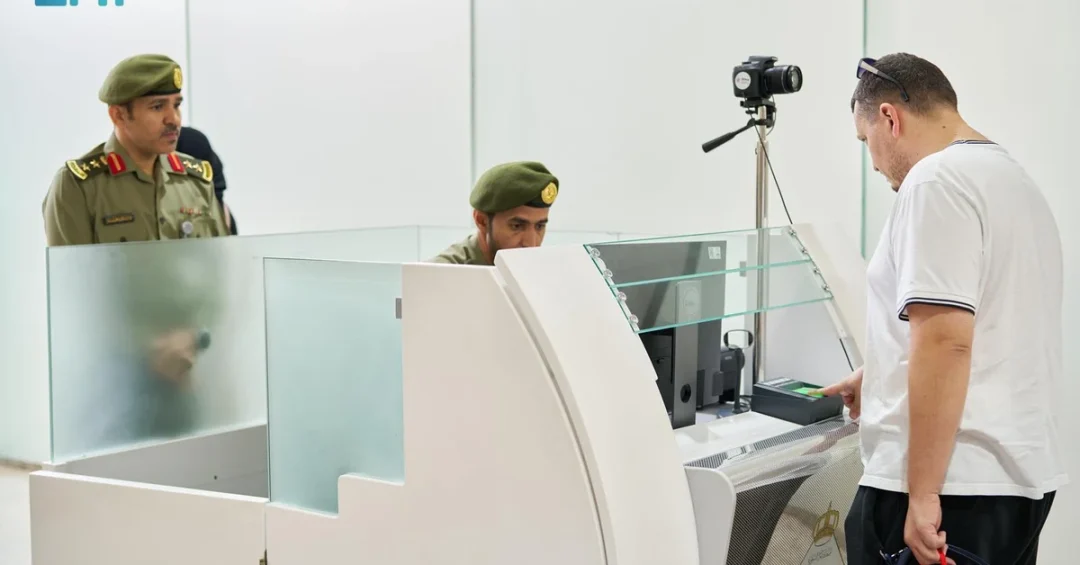
The General Directorate of Passports in Saudi Arabia has successfully completed all departure procedures for the inaugural international voyage of the Saudi cruise ship AROYA, which departed from Jeddah Islamic Port bound for Sharm El-Sheikh Port in Egypt. The landmark sailing, announced via the Saudi Press Agency on December 23, 2024, marks a significant step in the Kingdom’s expanding maritime tourism sector and reflects the broader ambitions of Saudi Vision 2030 to diversify the national economy and establish Saudi Arabia as a premier global destination.
The directorate confirmed that it had equipped the port with advanced technological devices and deployed qualified personnel to ensure a smooth and efficient experience for travelers. This achievement underscores the Kingdom’s commitment to delivering world-class services at its entry and exit points, a key pillar of the national strategy to enhance the visitor experience and facilitate seamless travel. The inaugural voyage of AROYA, a vessel that has quickly become a symbol of Saudi Arabia’s growing cruise industry, represents far more than a single sailing; it signals the Kingdom’s entry into a competitive global market and its determination to attract millions of tourists by sea.
Context and Background: How Did Saudi Arabia Reach This Milestone?
Could a nation historically known for its desert landscapes and religious tourism transform itself into a leading cruise destination? Saudi Arabia’s journey toward becoming a maritime tourism hub has been deliberate and swift. The launch of AROYA, operated by Cruise Saudi, a company fully owned by the Public Investment Fund (PIF), is a central component of this strategy. Cruise Saudi was established in 2021 to develop the infrastructure and services needed to support a thriving cruise sector, and the inaugural international voyage from Jeddah to Sharm El-Sheikh represents a tangible return on that investment.
The General Directorate of Passports, a key agency under the Ministry of Interior, has played an essential role in enabling this milestone. Its mandate includes securing borders while facilitating the movement of travelers, a balance that is critical for tourism growth. By completing the departure procedures for AROYA’s first international voyage, the directorate demonstrated its capacity to handle large-scale passenger operations with efficiency and precision. The agency’s use of cutting-edge technology and trained staff at Jeddah Islamic Port aligns with the Kingdom’s broader push to digitize government services and improve public-sector performance.
The Red Sea, with its pristine coral reefs, historical sites, and luxury resorts, has long been recognized as one of the world’s most promising cruise regions. However, realizing that potential required a coordinated national effort involving infrastructure development, regulatory reform, and international partnerships. The AROYA voyage is the culmination of these efforts, offering international travelers a new way to explore Saudi Arabia’s coastline and beyond. It also strengthens maritime links with neighboring Egypt, a key regional partner, through the direct route to Sharm El-Sheikh.
Key Details: What Exactly Happened at Jeddah Islamic Port?
On December 23, 2024, the General Directorate of Passports announced the completion of all necessary procedures for the departure of AROYA and its passengers. The directorate emphasized that it had equipped the port with advanced technological devices, including biometric verification systems and streamlined processing tools, to ensure rapid and secure clearance. Qualified personnel were also on hand to manage the flow of travelers, reflecting the agency’s commitment to high service standards. The ship set sail for Sharm El-Sheikh, a popular Egyptian resort town on the Red Sea, marking the vessel’s first international itinerary.
AROYA itself is a floating resort, featuring multiple restaurants, entertainment venues, and luxury accommodations. Its inaugural season has generated significant interest among both Saudi residents and international tourists. The voyage to Sharm El-Sheikh is expected to be the first of many, with future itineraries likely to include other Red Sea destinations such as Aqaba in Jordan and possibly ports in the Mediterranean. The successful departure from Jeddah Islamic Port demonstrates that Saudi Arabia can manage the logistical complexities of international cruise operations, from customs and immigration to baggage handling and passenger safety.
The directorate’s statement, carried by the Saudi Press Agency, did not provide specific passenger numbers or details about the duration of the voyage, but it did confirm that all procedures were completed in accordance with established protocols. The emphasis on advanced technology and qualified personnel highlights the agency’s proactive approach to service delivery. This is particularly important as Saudi Arabia seeks to position itself as a welcoming and efficient gateway for tourists, a reputation that is built on consistent, high-quality experiences at points of entry and exit.
International and Regional Impact: What Does This Mean for the Red Sea Region?
The inaugural international voyage of AROYA is a boon for regional tourism cooperation. By connecting Jeddah with Sharm El-Sheikh, the route facilitates people-to-people ties between Saudi Arabia and Egypt, two nations with deep historical and cultural links. It also creates economic opportunities for both countries, from port services and hospitality to excursions and retail. For Egypt, the arrival of a Saudi cruise ship brings additional visitors to its resorts, while for Saudi Arabia, it showcases the Kingdom’s ability to generate outbound tourism that benefits neighbors.
More broadly, the voyage signals the emergence of the Red Sea as a cohesive cruise destination. With Saudi Arabia, Egypt, Jordan, and other countries investing in port infrastructure and tourism products, the region is increasingly capable of competing with established cruise markets in the Caribbean and the Mediterranean. The AROYA sailing is a concrete example of how Vision 2030 is not just a domestic transformation project but also a catalyst for regional integration. It aligns with Saudi Arabia’s efforts to strengthen ties with Arab and Islamic countries and to promote the Red Sea as a zone of prosperity and stability.
Economic and Strategic Significance: Why Does This Matter for Saudi Arabia?
The cruise industry is a high-value segment of global tourism, generating billions of dollars annually and supporting jobs across a wide range of sectors. By entering this market, Saudi Arabia is tapping into a new source of revenue and employment, in line with Vision 2030’s goal of reducing dependence on oil. The AROYA project, managed by Cruise Saudi, is expected to contribute to the Kingdom’s target of attracting 100 million visitors per year by 2030. Each cruise call generates demand for local services, from food and fuel to tour guides and entertainment, creating a multiplier effect throughout the economy.
Strategically, the successful launch of international cruises enhances Saudi Arabia’s soft power and global image. It presents the Kingdom as a modern, open, and hospitable nation, countering outdated perceptions and showcasing its natural and cultural treasures. The General Directorate of Passports’ role in this effort cannot be overstated: efficient border management is a prerequisite for any successful tourism strategy. By investing in technology and training, the directorate is helping to build a seamless journey that begins the moment travelers arrive at the port. This, in turn, encourages repeat visits and positive word-of-mouth, which are essential for sustainable growth.
Vision 2030 Alignment: How Does AROYA Fit into the Kingdom’s Long-Term Plan?
Saudi Vision 2030, launched in 2016 under the leadership of Crown Prince Mohammed bin Salman, aims to transform the Kingdom into a diversified, innovation-driven economy. Tourism is one of the key sectors identified to drive this change, with ambitious targets for domestic and international visitors. The cruise industry, exemplified by AROYA, is a vital part of that vision. It leverages Saudi Arabia’s unique geographical advantage—a long Red Sea coastline and proximity to major shipping lanes—to create a new tourism offering that complements religious pilgrimage and cultural heritage travel.
The General Directorate of Passports’ accomplishment is a testament to the whole-of-government approach that Vision 2030 requires. By ensuring that border procedures are fast, secure, and traveler-friendly, the directorate is directly supporting the national goal of making Saudi Arabia a top global destination. As more cruise ships follow AROYA’s path, the Kingdom will continue to invest in port infrastructure, digital services, and human capital. The inaugural voyage is not an endpoint but a beginning—a clear signal that Saudi Arabia is ready to welcome the world by sea, and that its institutions are prepared to deliver on the promise of Vision 2030.
20 Questions
Q1. What is the significance of the AROYA’s inaugural international voyage?
A1. It marks Saudi Arabia’s entry into the international cruise market, showcasing the Kingdom’s growing maritime tourism sector and its ability to manage large-scale passenger operations in line with Vision 2030 goals.
Q2. Which government agency completed the departure procedures for AROYA?
A2. The General Directorate of Passports, a key agency under the Ministry of Interior, completed all necessary procedures at Jeddah Islamic Port to facilitate the ship’s departure.
Q3. Where did AROYA depart from and where is it heading?
A3. The ship departed from Jeddah Islamic Port in Saudi Arabia and is heading to Sharm El-Sheikh Port in Egypt, marking its first international voyage.
Q4. What measures did the General Directorate of Passports take to ensure smooth processing?
A4. The directorate equipped the port with advanced technological devices and deployed qualified personnel to provide the best services to travelers, ensuring efficient and secure clearance.
Q5. How does this voyage support Saudi Vision 2030?
A5. It contributes to economic diversification by boosting tourism, creating jobs, and attracting international visitors, aligning with Vision 2030’s target of 100 million annual visitors by 2030.
Q6. What is Cruise Saudi and what is its role?
A6. Cruise Saudi is a company fully owned by the Public Investment Fund (PIF), established to develop the cruise sector and support the Kingdom’s maritime tourism ambitions.
Q7. Why is the Red Sea important for cruise tourism?
A7. The Red Sea offers pristine coral reefs, historical sites, and luxury resorts, making it an attractive destination for cruise lines and travelers seeking unique experiences.
Q8. How does this voyage impact regional cooperation?
A8. It strengthens ties between Saudi Arabia and Egypt, promotes people-to-people exchanges, and supports the development of the Red Sea as a cohesive cruise destination.
Q9. What technology is used at Jeddah Islamic Port for passenger processing?
A9. Advanced technological devices, including biometric verification systems and streamlined processing tools, are used to ensure rapid and secure clearance for travelers.
Q10. What economic benefits does the cruise industry bring to Saudi Arabia?
A10. It generates revenue, creates jobs in hospitality and services, and stimulates local economies through spending on food, fuel, excursions, and entertainment.
Q11. How does the General Directorate of Passports contribute to Saudi Arabia’s tourism goals?
A11. By ensuring efficient border management and a seamless traveler experience, the directorate supports the Kingdom’s efforts to attract and retain international tourists.
Q12. What is the expected frequency of future AROYA voyages?
A12. While specific schedules are not detailed, the inaugural voyage is expected to be the first of many, with future itineraries likely to include other Red Sea destinations.
Q13. How does this development enhance Saudi Arabia’s global image?
A13. It presents the Kingdom as a modern, open, and hospitable nation, countering outdated perceptions and showcasing its natural and cultural treasures.
Q14. What role does the Public Investment Fund play in the cruise sector?
A14. The PIF owns Cruise Saudi, which develops infrastructure and services for the cruise industry, driving investment and innovation in line with Vision 2030.
Q15. What are the key features of the AROYA cruise ship?
A15. AROYA is a floating resort with multiple restaurants, entertainment venues, and luxury accommodations, designed to offer a world-class experience to passengers.
Q16. How does the voyage reflect Saudi Arabia’s commitment to Vision 2030?
A16. It demonstrates the Kingdom’s ability to diversify its economy, invest in tourism infrastructure, and create new opportunities for international engagement and cultural exchange.
Q17. What is the significance of Sharm El-Sheikh as a destination?
A17. Sharm El-Sheikh is a popular Egyptian resort town on the Red Sea, known for its beaches and diving, and serves as a key port for regional cruise itineraries.
Q18. How does the General Directorate of Passports ensure security while facilitating travel?
A18. It balances security with efficiency by using advanced technology and trained personnel to process travelers quickly while maintaining robust border controls.
Q19. What future developments can be expected in Saudi Arabia’s cruise sector?
A19. Continued investment in port infrastructure, expanded itineraries, and partnerships with international cruise lines are expected to grow the sector and attract more visitors.
Q20. Why is the AROYA’s inaugural voyage considered a milestone for Saudi Arabia?
A20. It represents a successful integration of government services, infrastructure, and tourism strategy, positioning the Kingdom as a competitive player in the global cruise industry.
Reader Feedback
We value your thoughts. Please share your feedback on this article.
Your feedback helps us improve our coverage.
Related articles
 King Salman Royal Reserve Launches Naylat Camp in Hail
 Al-Habashi Park: A Jewel of Al-Baha
 AlUla Launches Ibn Battuta Discovery Tour
 Custodian of the Two Holy Mosques Program Guests Tour Madinah Museum
 Mountain Passes Boost Winter Tourism in Aseer
 Guests of Custodian of Two Holy Mosques Umrah Program Depart for Makkah