


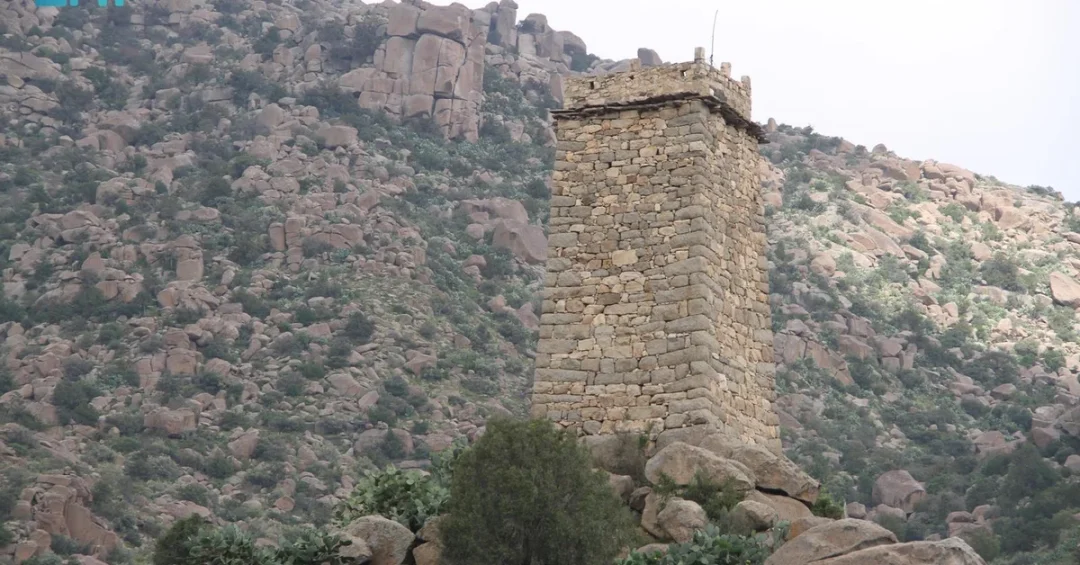
Nestled amidst the rugged granite mountains of the Maysan Governorate in Taif, the villages of Bani Malik, Bani Saad, and Thaqif stand as living testaments to human ingenuity, where houses are skillfully constructed from the very stone that forms the towering peaks around them. This unique architectural heritage, preserved for generations, captivates visitors with its striking harmony between nature and human craftsmanship. Have you ever wondered how communities thrive in such challenging terrains? The answer lies in the remarkable adaptation and skill of the local people, who have turned harsh mountain landscapes into enduring homes.
According to official information released via the Saudi Press Agency (SPA), these villages offer a distinctive architectural experience, with houses carved into mountaintops and settlements built on rock adorned with grapevine, apricot, peach, and almond branches. The ancient dams in these villages are renowned for their suitability to the rocky terrain and their ability to withstand the elements, constructed from granite stones and covered with clay. This report delves into the rich cultural heritage, the ingenuity of construction techniques, and the timeless allure of these stone villages, highlighting their significance in Saudi Arabia’s cultural tapestry and their alignment with the Kingdom’s Vision 2030 goals.
Context and Background
What makes the stone villages of Taif so unique in Saudi Arabia’s architectural landscape? Located in the Maysan Governorate, these villages are part of the broader Taif region, which has long been celebrated for its agricultural abundance and cooler climate. The villages of Bani Malik, Bani Saad, and Thaqif are particularly notable for their construction methods, which date back centuries. The local inhabitants, leveraging the abundant granite from the surrounding mountains, developed a technique of building homes that seamlessly blend with the natural environment. This approach not only provided durable shelter but also insulated against extreme temperatures, showcasing an early form of sustainable architecture.
The history of these villages is deeply intertwined with the cultural identity of the Taif region. For generations, the people of Maysan have passed down stories, crafts, and construction skills, creating a rich tapestry of intangible heritage. The use of traditional tools such as the pickaxe and chisel highlights the manual precision required to shape the granite stones. These methods have been preserved despite modernization, and today, they serve as a window into the past for visitors and researchers alike. The Saudi Press Agency report underscores the eagerness of locals to share their heritage, reflecting a community proud of its roots and eager to engage with the world.
Moreover, the villages are not just architectural marvels but also repositories of traditional knowledge. The ancient dams, for instance, demonstrate an advanced understanding of hydrology and civil engineering. Built to harness water from seasonal rains, these dams were essential for agriculture and daily life. Their design, using granite and clay, allowed them to endure flash floods and erosion, a testament to the ingenuity of their builders. As Saudi Arabia continues to develop rapidly under Vision 2030, such heritage sites are increasingly recognized as valuable assets for cultural tourism and national identity.
Key Details
What specific features make these villages a must-visit for heritage enthusiasts? Visitors to Maysan are captivated by the people’s stories and the striking resemblance between the colours of their houses and the mountains. The houses, constructed from locally sourced granite, exhibit a palette that mirrors the natural surroundings, creating a visual harmony that is both aesthetically pleasing and environmentally adaptive. This integration with nature is a hallmark of the region’s architecture. The villages also boast a variety of agricultural produce, with grapevines, apricot, peach, and almond trees adding splashes of colour and life to the rocky terrain. These crops not only sustain the local economy but also enhance the scenic beauty, offering visitors a unique agro-tourism experience.
The construction techniques employed in these villages are a subject of fascination. Using basic tools like the pickaxe and chisel, local craftsmen shaped granite blocks with remarkable precision, fitting them together without mortar in some cases. This dry-stone technique provided flexibility to withstand seismic activity and temperature fluctuations. The ancient dams, covered with clay, are another highlight. They were strategically placed to capture and store water, enabling agriculture in an otherwise arid environment. These structures are celebrated for their suitability to the rocky terrain and their ability to withstand the elements, as noted by SPA. Such details underscore the deep ecological knowledge and engineering prowess of the ancestors.
Cultural heritage in Maysan extends beyond architecture. Locals are eager to share traditional crafts, arts, chants, and ancient tools used in construction. Visitors can immerse themselves in the vibrant culture, learning about the songs that accompanied building activities and the rituals that marked agricultural cycles. This intangible heritage is passed down orally and through practice, keeping the community’s spirit alive. The SPA report highlights this aspect, emphasizing the living culture that continues to thrive in these villages. For international audiences, this offers a rare glimpse into a way of life that has remained largely unchanged for centuries, providing an authentic cultural experience.
International and Regional Impact
How do the stone villages of Taif contribute to Saudi Arabia’s growing reputation as a cultural destination? In recent years, the Kingdom has made significant strides in opening up to international tourism, as part of Vision 2030. The unique heritage of Maysan adds a valuable dimension to the country’s tourism offerings, which have traditionally focused on religious pilgrimage and modern urban attractions. By showcasing the stone villages, Saudi Arabia can attract cultural tourists interested in history, architecture, and sustainable living. This diversification aligns with the National Tourism Strategy, which aims to increase tourism’s contribution to GDP and create jobs. The villages serve as a testament to the Kingdom’s deep historical roots, offering a counterpoint to the image of a purely modern nation.
Regionally, the stone villages of Taif are part of a broader narrative of preserving Arab heritage. Across the Middle East, there is a growing movement to safeguard traditional architecture and intangible cultural heritage from the pressures of globalization. Saudi Arabia’s efforts in Maysan can serve as a model for other countries, demonstrating how community-led preservation can be both culturally and economically beneficial. The SPA report, by highlighting these villages, contributes to a greater appreciation of the region’s shared history. Furthermore, the inclusion of such sites in national tourism campaigns can foster regional cooperation, as neighbouring countries also possess similar heritage sites that could be linked in thematic trails. This could enhance cross-border tourism and cultural exchange, strengthening ties within the Gulf and beyond.
On an international level, the villages offer an opportunity for Saudi Arabia to engage in cultural diplomacy. By inviting foreign visitors, scholars, and media to experience these sites, the Kingdom can share its rich heritage and counter stereotypes. The architectural ingenuity and sustainable practices of the past are also relevant to contemporary global discussions on climate adaptation and traditional knowledge. As the world seeks solutions to environmental challenges, the ancient dams and passive cooling techniques of Maysan provide valuable lessons. Saudi Arabia’s willingness to preserve and promote such sites underscores its commitment to cultural diversity and global heritage, enhancing its soft power and aligning with UNESCO’s goals of protecting cultural landscapes.
Economic and Strategic Significance
What economic benefits can arise from developing these heritage sites? The promotion of the stone villages as tourist destinations can stimulate local economic growth. By attracting visitors, the region can see increased demand for hospitality services, guides, handicrafts, and local produce. This creates employment opportunities for residents, particularly youth and women, who can engage in tourism-related enterprises. The SPA report notes the eagerness of locals to share their heritage, indicating a readiness to participate in the tourism economy. Moreover, the unique selling point of the villages—their integration with nature and authentic culture—can command premium prices for experiential tourism, contributing to higher spending per visitor and longer stays. This aligns with Vision 2030’s objective of increasing household income and reducing unemployment.
Strategically, the development of cultural tourism in Taif supports the Kingdom’s broader goals of economic diversification. Oil dependency is being reduced by nurturing non-oil sectors, and tourism is a key pillar. The stone villages add to the portfolio of attractions that include AlUla, Diriyah, and the Red Sea Project. By offering a distinct mountain heritage experience, they complement these other destinations, encouraging tourists to extend their itineraries and explore different regions of Saudi Arabia. This dispersal of tourism benefits can help balance regional development, bringing investment and infrastructure to less developed areas. The ancient dams and agricultural terraces also highlight the potential for sustainable practices, which can be integrated into modern development, promoting eco-tourism and green initiatives.
Furthermore, the preservation and promotion of these sites require investment in infrastructure, such as roads, signage, and visitor centres, which can improve the quality of life for local communities. Such projects often include training programs for local guides and artisans, enhancing human capital. The strategic location of Taif, close to Jeddah and Makkah, makes it accessible for both domestic and international tourists, further boosting its economic potential. As part of the Saudi Seasons initiative, Taif has already seen increased tourism activity, and the stone villages can be a highlight of future seasons, driving repeat visitation. Overall, the economic and strategic significance of the stone villages lies in their ability to generate sustainable income while preserving cultural identity.
Vision 2030 Alignment
How do the stone villages of Taif align with the ambitious goals of Saudi Vision 2030? Vision 2030, launched by Crown Prince Mohammed bin Salman, seeks to transform the Kingdom into a global hub for tourism, culture, and entertainment. The preservation and promotion of heritage sites like the stone villages directly support this vision by enriching the cultural landscape and attracting visitors. The National Tourism Strategy aims to increase the number of international visitors to 100 million by 2030, and unique attractions such as these can contribute significantly to that target. By showcasing the ingenuity of Saudi ancestors, the villages also reinforce national pride and identity, which are essential for social cohesion and the Kingdom’s progress. The SPA report, by highlighting the heritage, contributes to the documentation and dissemination of this cultural asset, aiding in its recognition and protection.
Moreover, Vision 2030 emphasizes sustainable development and the empowerment of local communities. The stone villages exemplify sustainable architecture and water management, offering lessons for modern urban planning. Their development as tourism sites can empower local residents economically, aligning with the vision’s goal of increasing women’s participation in the workforce and supporting small businesses. The preservation efforts also involve documentation and restoration, which can employ skilled craftsmen and heritage experts, fostering a knowledge-based economy. As Saudi Arabia continues to open up to the world, sites like Maysan serve as ambassadors of its rich history and forward-looking aspirations. They are a testament to human ingenuity and a bridge between the past and a prosperous future, perfectly encapsulating the spirit of Vision 2030. For more information, visit the Saudi Press Agency report.
20 Questions
Q1. Where are the stone villages of Taif located?
A1. The stone villages are located in the Maysan Governorate in Taif, nestled amidst rugged granite mountains. They include the villages of Bani Malik, Bani Saad, and Thaqif, known for their unique architectural heritage.
Q2. What materials are used to construct the houses in these villages?
A2. The houses are constructed from granite stones sourced from the surrounding mountains. This material provides durability and helps maintain comfortable indoor temperatures, showcasing sustainable building practices.
Q3. Who are the main inhabitants of these villages?
A3. The villages are inhabited by the Bani Malik, Bani Saad, and Thaqif tribes, who have preserved their cultural heritage and traditional construction techniques for generations.
Q4. What is the significance of the ancient dams in Maysan?
A4. The ancient dams are renowned for their suitability to the rocky terrain and their ability to withstand the elements. Constructed from granite and clay, they were used to capture and store water for agriculture.
Q5. What crops are grown in these villages?
A5. The villages are adorned with grapevines, apricot, peach, and almond trees. These crops add to the scenic beauty and support the local economy through agriculture and agro-tourism.
Q6. What traditional tools were used in construction?
A6. Traditional tools such as the pickaxe and chisel were used to shape granite stones. These manual tools required great skill and precision, highlighting the craftsmanship of the builders.
Q7. Why are the villages considered a testament to human ingenuity?
A7. They demonstrate remarkable adaptation to a challenging environment, with houses seamlessly blending into the mountains and advanced water management systems, reflecting the ingenuity of local communities.
Q8. How do locals share their heritage with visitors?
A8. Locals eagerly share their rich cultural heritage, including traditional crafts, arts, chants, and ancient tools. They tell stories and demonstrate techniques, offering visitors an immersive cultural experience.
Q9. What is the architectural style of the houses?
A9. The houses are built from granite stones, often carved into mountaintops or built on rock. The colours of the houses blend with the mountains, creating a harmonious aesthetic.
Q10. Are the villages accessible to tourists?
A10. Yes, the villages are open to tourists, offering a distinctive architectural experience. Visitors can explore the houses and learn about the local culture, though some areas may require guided access.
Q11. How do the ancient dams withstand the elements?
A11. The dams are constructed from granite stones and covered with clay, which provides a waterproof seal. Their strategic placement and robust design enable them to endure flash floods and erosion.
Q12. What is the historical background of these villages?
A12. The villages date back centuries, with construction techniques passed down through generations. They reflect the region’s history and the resilience of its people in adapting to the mountainous terrain.
Q13. How does the Saudi Press Agency contribute to promoting these sites?
A13. The Saudi Press Agency (SPA) documents and disseminates information about the villages, highlighting their cultural and architectural significance to both domestic and international audiences.
Q14. What role do the villages play in Saudi Vision 2030?
A14. They support Vision 2030 by enriching cultural tourism, diversifying the economy, and empowering local communities. Their preservation aligns with goals of sustainable development and heritage conservation.
Q15. Can visitors experience traditional crafts in the villages?
A15. Yes, locals offer demonstrations of traditional crafts, arts, and chants. Visitors can learn about the tools and techniques used in construction and daily life, gaining insight into the local culture.
Q16. What is the climate like in Taif?
A16. Taif has a cooler climate compared to other parts of Saudi Arabia, making it a popular summer destination. The mountainous terrain contributes to its moderate temperatures and agricultural fertility.
Q17. Are there any restoration efforts for the stone villages?
A17. Preservation efforts are underway to maintain the architectural heritage. These include documentation, restoration of ancient structures, and training for local guides and artisans to sustain the sites.
Q18. How do the villages contribute to local employment?
A18. Tourism development creates jobs in hospitality, guiding, handicrafts, and agriculture. It empowers residents, especially youth and women, to participate in the economy and preserve their heritage.
Q19. What makes the stone villages different from other heritage sites in Saudi Arabia?
A19. Their unique integration with the granite mountains and the use of local stone for construction set them apart. The ancient dams and agricultural terraces also distinguish them as a model of sustainable living.
Q20. How can international tourists learn more about these villages?
A20. International tourists can learn more through official Saudi tourism channels, the Saudi Press Agency, and by visiting the region. Guided tours and cultural events provide in-depth insights into the heritage.
Reader Feedback
We value your thoughts. Please share your feedback on this article.
Your feedback helps us improve our coverage.
Related articles
 Arab Tourism Organization Explores Cooperation with United States
 Aseer’s Coastal Plains: A Rising Tourism Gem in Saudi Arabia
 Al-Nakheel Park: A Historical Haven in Haql
 AlUla Dates Season to Launch Farmers Market on Friday
 ‘Umm Hasah’ Rock: Northern Borders Landmark
 Wadi Shahdan’s Picturesque Landscapes Draw Visitors