


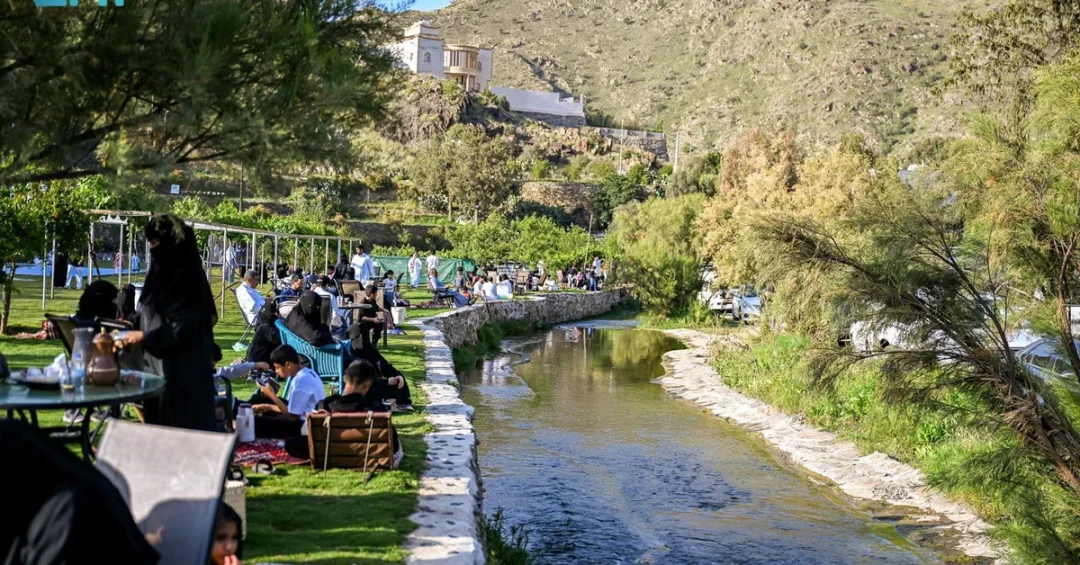
Ahmed Al-Barouki, a young farmer from Al-Baha Region, has transformed his family’s farm into a thriving tourist destination that blends agricultural heritage with modern sustainability. Located in northwestern Al-Baha, Al-Barouki Farm now welcomes visitors to experience the region’s natural beauty while showcasing innovative farming practices aligned with Saudi Vision 2030. The project, reported by the Saudi Press Agency (SPA), highlights how individual initiative can contribute to rural development and tourism diversification.
Context and Background
Al-Baha Region, known for its fertile soil and moderate climate, has a long tradition of agriculture. Ahmed Al-Barouki grew up surrounded by generations of farmers, developing a deep connection to the land. Inspired by childhood memories of grapevines, almond trees, and sprawling orchards, he envisioned a way to share his family’s legacy while preserving the area’s natural beauty. His vision went beyond traditional farming: he sought to create a space where visitors could appreciate the region’s agricultural heritage and scenic landscapes.
Key Details
The restoration of Al-Barouki Farm was meticulous, preserving its rustic charm while adding modern amenities. Terraced landscapes were revitalized, iconic trees and an ancient well were maintained, and meandering pathways with stone-paved seating areas were introduced. A notable innovation is the use of drip irrigation for strawberry cultivation, a pioneering initiative that enhances the farm’s offerings and promotes agricultural diversification. The farm also employs over 20 local youths and supports families involved in cottage industries during peak seasons. Al-Barouki has plans for further development, with a comprehensive strategy encompassing agriculture, recreation, and investment.
Implications and Impact
Al-Barouki Farm serves as a model for sustainable rural tourism in Saudi Arabia, demonstrating how agricultural heritage can be preserved while creating economic opportunities. The project aligns with the Kingdom’s broader efforts to diversify the economy and promote domestic tourism. By attracting visitors to Al-Baha, it contributes to regional development and showcases the potential of agritourism. The farm’s success also underscores the role of young entrepreneurs in driving innovation and community pride.
Vision 2030 Alignment
This initiative directly supports Saudi Vision 2030 goals, particularly in economic diversification, sustainable agriculture, and tourism development. By integrating modern irrigation techniques and creating local jobs, Al-Barouki Farm exemplifies how grassroots projects can contribute to national objectives. As the Kingdom continues to invest in tourism and rural development, such ventures highlight the potential of youth-led initiatives to preserve cultural heritage while building a prosperous future.
20 Questions
Q1. Who is Ahmed Al-Barouki?
A1. Ahmed Al-Barouki is a young Saudi farmer from Al-Baha Region who transformed his family farm into a tourist destination, blending agriculture with hospitality.
Q2. Where is Al-Barouki Farm located?
A2. Al-Barouki Farm is situated in the northwestern part of Al-Baha Region in Saudi Arabia, an area known for its agricultural heritage and natural beauty.
Q3. What inspired Ahmed Al-Barouki to develop the farm?
A3. He was inspired by his deep-rooted connection to agriculture and childhood memories of grapevines, almond trees, and orchards, wanting to share his family’s legacy.
Q4. What changes were made to the farm?
A4. The farm underwent meticulous restoration, including revitalized terraces, preserved ancient trees and well, and added meandering pathways with stone-paved seating areas.
Q5. How does the farm align with Saudi Vision 2030?
A5. It supports Vision 2030 by promoting agricultural diversification, sustainable practices like drip irrigation, and creating investment and tourism opportunities in rural areas.
Q6. What technology is used for strawberry cultivation?
A6. The farm uses drip irrigation technology for strawberry cultivation, which conserves water and enhances crop yield, aligning with modern agricultural practices.
Q7. How many local youths are employed at the farm?
A7. The farm employs over 20 local youths, providing seasonal jobs and supporting families involved in cottage industries.
Q8. What are the future plans for Al-Barouki Farm?
A8. Ahmed Al-Barouki has a comprehensive development strategy that includes expanding agriculture, recreation facilities, and further investment in the farm.
Q9. Why is Al-Barouki Farm significant for the local community?
A9. It serves as a source of community pride, creates employment, and supports local cottage industries, fostering economic growth in Al-Baha.
Q10. What makes Al-Barouki Farm a tourist attraction?
A10. Its picturesque setting, restored rustic charm, agricultural heritage, and recreational amenities offer visitors a unique agritourism experience.
Q11. How does the farm contribute to agricultural diversification?
A11. By introducing strawberry cultivation and other innovative practices, the farm diversifies crops, reducing reliance on traditional farming and boosting local economy.
Q12. What is the role of the ancient well in the farm?
A12. The ancient well has been maintained as part of the farm’s heritage, preserving its historical significance and adding to the rustic ambiance.
Q13. How does the farm promote sustainability?
A13. Through drip irrigation, preservation of natural landscapes, and a development strategy that balances agriculture and recreation, the farm ensures environmental and economic sustainability.
Q14. What impact does Al-Barouki Farm have on local tourism?
A14. It attracts visitors to Al-Baha, enhancing domestic tourism and showcasing the region’s potential as a destination for nature and heritage experiences.
Q15. Who reported on Al-Barouki Farm?
A15. The Saudi Press Agency (SPA) reported on the farm, highlighting its transformation and alignment with national goals.
Q16. What types of trees are found on the farm?
A16. The farm features grapevines, almond trees, and other orchards, reflecting the region’s agricultural diversity and Al-Barouki’s childhood memories.
Q17. How does the farm support cottage industries?
A17. During peak seasons, the farm engages local families in cottage industries, providing additional income and preserving traditional crafts and products.
Q18. What recreational activities are available at the farm?
A18. Visitors can enjoy meandering pathways, stone-paved seating areas, and the scenic beauty of terraced landscapes and orchards, ideal for relaxation and exploration.
Q19. How does Al-Barouki Farm inspire other young Saudis?
A19. It demonstrates how youth can lead innovative projects that blend tradition with modernity, contributing to rural development and national objectives.
Q20. What is the overall vision for Al-Barouki Farm?
A20. The vision is to create a sustainable agritourism destination that preserves heritage, supports the community, and contributes to Saudi Arabia’s economic diversification.
Reader Feedback
We value your thoughts. Please share your feedback on this article.
Your feedback helps us improve our coverage.