


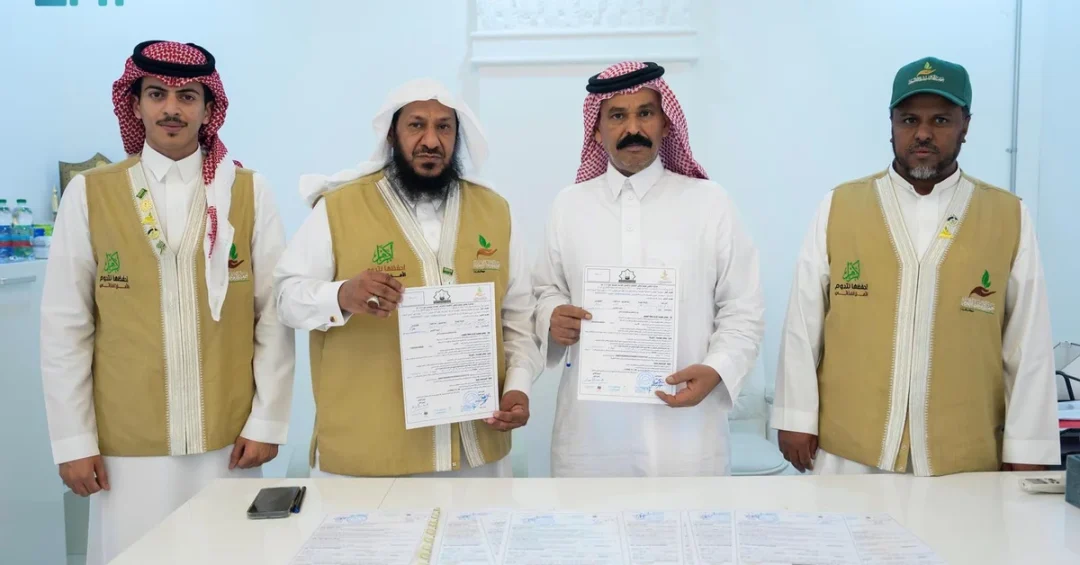
The Ekram Association for Food Preservation in Makkah has signed cooperative agreements with six companies and facilities serving domestic pilgrims to preserve surplus food in the holy sites during the Hajj season of 1445 Hijri, according to the Saudi Press Agency (SPA). The initiative, announced in Makkah, aims to enhance food security by collecting and redistributing excess food in accordance with strict food safety requirements to those in need in the holy city. The agreements mark a significant step in the Kingdom’s ongoing efforts to promote sustainability and social responsibility during the annual pilgrimage.
Context and Background
Hajj, the annual Islamic pilgrimage to Makkah, draws millions of worshippers from around the world and presents unique logistical challenges, including the management of vast quantities of food provided to pilgrims. In recent years, Saudi Arabia has intensified efforts to reduce food waste and improve resource efficiency, aligning with the objectives of Vision 2030, the national transformation plan championed by Crown Prince Mohammed bin Salman. The Ekram Association for Food Preservation, a non-profit organization based in Makkah, has been at the forefront of these efforts, working to collect surplus food from hotels, kitchens, and catering facilities and redistribute it to beneficiaries.
Director of the association Ahmed Al-Matrafi stated that the agreements are part of the association’s broader strategy to enhance food security by preserving surplus food in accordance with food safety requirements and distributing it to people in need in Makkah. This approach not only addresses immediate humanitarian needs but also contributes to the Kingdom’s environmental sustainability goals by reducing waste.
Key Details
The cooperative agreements were signed with six companies and facilities that serve domestic pilgrims during Hajj. These partners will collaborate with the Ekram Association to collect excess food from their operations in the holy sites, ensuring that it is properly preserved and swiftly distributed. The association emphasized that all collected food will be handled according to stringent health and safety standards to guarantee its quality and suitability for consumption.
The initiative reflects the Saudi government’s commitment to supporting charitable work and enhancing social welfare, particularly during the Hajj season, when the demand for food assistance can be high. By involving multiple stakeholders, the Ekram Association aims to create a scalable model for food preservation that can be replicated in future years.
Implications and Impact
The agreements are expected to have a positive impact on both the environment and society. By rescuing surplus food, the initiative reduces the amount of organic waste sent to landfills, thereby lowering greenhouse gas emissions and contributing to Saudi Arabia’s environmental sustainability targets. On the social front, the redistribution of food to those in need strengthens community solidarity and supports the Kingdom’s humanitarian values.
Furthermore, the collaboration between the Ekram Association and private sector entities demonstrates the importance of public-private partnerships in achieving national goals. It also sets a precedent for similar initiatives in other regions of the Kingdom and during other large-scale events, such as the Umrah pilgrimage and the annual Hajj.
Vision 2030 Alignment
This initiative aligns closely with Vision 2030, which seeks to diversify the economy, improve quality of life, and promote social responsibility. Food security is a key pillar of the Vision, and efforts to reduce waste and enhance distribution networks contribute to its realization. Moreover, the involvement of non-profit organizations like the Ekram Association underscores the Vision’s emphasis on empowering the third sector and fostering a culture of giving. By preserving excess food during Hajj 1445 Hijri, Saudi Arabia not only serves pilgrims and residents but also reinforces its leadership in sustainable development and humanitarian action on the global stage.
20 Questions
Q1. What is the main purpose of the agreements signed by the Ekram Association?
A1. The agreements aim to preserve surplus food during Hajj 1445 Hijri and distribute it to those in need in Makkah, enhancing food security and reducing waste.
Q2. Which organization signed the cooperative agreements?
A2. The Ekram Association for Food Preservation in Makkah signed the agreements with six companies and facilities serving domestic pilgrims.
Q3. How many companies and facilities are involved in the agreements?
A3. Six companies and facilities that serve domestic pilgrims during Hajj are partners in the initiative.
Q4. Who is the director of the Ekram Association?
A4. Ahmed Al-Matrafi serves as the director of the association and announced the agreements.
Q5. What is the primary goal of the Ekram Association?
A5. The association aims to enhance food security by preserving surplus food in accordance with food safety requirements and distributing it to people in need.
Q6. Where will the surplus food be collected?
A6. The surplus food will be collected from the holy sites in Makkah during the Hajj season.
Q7. How does this initiative align with Saudi Vision 2030?
A7. It supports Vision 2030 goals of food security, sustainability, and social responsibility by reducing waste and promoting charitable giving.
Q8. What safety measures are in place for the preserved food?
A8. The food is preserved in accordance with strict food safety requirements to ensure it is safe for consumption by beneficiaries.
Q9. Who will receive the preserved food?
A9. The food will be distributed to people in need in Makkah, including pilgrims and residents facing hardship.
Q10. When was the agreement signed?
A10. The agreements were signed in May 2024, ahead of the Hajj season of 1445 Hijri.
Q11. Why is it important to preserve excess food during Hajj?
A11. Preserving excess food reduces waste, supports environmental sustainability, and provides meals to those in need, reflecting Islamic values of charity and conservation.
Q12. What role do domestic pilgrims play in this initiative?
A12. Domestic pilgrims are served by the companies and facilities that have partnered with the Ekram Association to collect and preserve surplus food.
Q13. How does the initiative contribute to environmental sustainability?
A13. By preventing food waste from ending up in landfills, the initiative reduces methane emissions and supports Saudi Arabia’s environmental goals.
Q14. Are there similar initiatives in other Saudi cities?
A14. While this initiative focuses on Makkah, its success could inspire similar programs in other regions, especially during major events.
Q15. What is the expected impact on the local community?
A15. The initiative strengthens community solidarity, provides food assistance to the needy, and promotes a culture of giving and social responsibility.
Q16. How does the Ekram Association ensure transparency in distribution?
A16. The association follows established procedures to track and distribute food efficiently, ensuring it reaches eligible beneficiaries.
Q17. What government bodies support the Ekram Association?
A17. The association works in coordination with relevant Saudi authorities to align with national food security and safety standards.
Q18. Can other organizations join the initiative in the future?
A18. The association welcomes partnerships that advance its mission, aiming to expand the program’s reach and impact.
Q19. How does this initiative reflect Saudi Arabia’s humanitarian values?
A19. It demonstrates the Kingdom’s commitment to compassion and generosity, core Islamic principles, by ensuring excess food benefits those in need.
Q20. What are the long-term benefits of preserving surplus food during Hajj?
A20. Long-term benefits include reduced waste, enhanced food security, stronger community bonds, and a sustainable model for future Hajj seasons.
Reader Feedback
We value your thoughts. Please share your feedback on this article.
Your feedback helps us improve our coverage.