


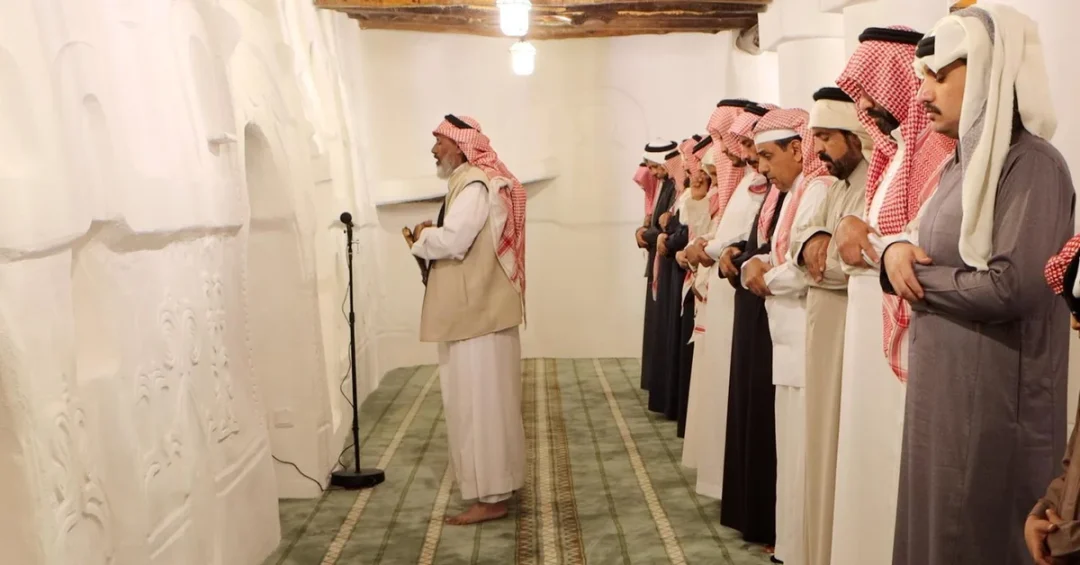
Al-Hawza Mosque in Aseer, a landmark of Islamic history established over 14 centuries ago, is undergoing a meticulous 293-square-meter restoration under the Prince Mohammed bin Salman Project for the Development of Historic Mosques. The mosque, located in Dhahran Al-Janoub Governorate, is being renovated to increase its capacity from 100 to 148 worshippers while preserving its traditional Al-Sarat architectural style. The restoration is part of the project’s second phase, which includes 30 mosques across all 13 regions of the Kingdom, following the successful completion of the first phase that restored 30 historic mosques.
Context and Background
The Al-Hawza Mosque, built in the eighth year of Hijra, is one of the oldest mosques in the Aseer region, reflecting the deep Islamic heritage of Saudi Arabia. Over the centuries, it witnessed expansions in 1213 AH and during the reign of King Abdulaziz, yet retained its simple, unpretentious design characterized by mud brick and local wood. The mosque features a historic well and a cohesive urban layout typical of mountain villages in the region, making it a significant cultural and religious site. The Prince Mohammed bin Salman Project for the Development of Historic Mosques aims to preserve such sites, aligning with the Kingdom’s commitment to safeguarding its architectural and cultural legacy.
Key Details
The restoration project for Al-Hawza Mosque focuses on maintaining its authentic character by using traditional materials and techniques. The 293-square-meter renovation will not only expand the prayer area but also ensure the structural integrity of the historic building. This initiative is part of a broader effort that includes six mosques in Riyadh, five in Makkah, four in Madinah, three in Aseer, two each in the Eastern Region, Al-Jouf, and Jazan, and one each in the Northern Borders, Tabuk, Al-Baha, Najran, Hail, and Qassim. The project’s four strategic objectives are: restoring historic mosques for worship, preserving their architectural authenticity, highlighting the Kingdom’s cultural heritage, and enhancing their religious and cultural significance.
Implications and Impact
The restoration of Al-Hawza Mosque and other historic mosques across Saudi Arabia has significant implications for the preservation of Islamic heritage and the promotion of cultural tourism. By maintaining the architectural authenticity of these sites, the project not only facilitates worship but also educates future generations about the Kingdom’s rich history. Moreover, it contributes to the national economy by attracting visitors interested in exploring Saudi Arabia’s cultural and religious landmarks. This initiative also reinforces the Kingdom’s role as a custodian of Islamic heritage, fostering a sense of pride among citizens and residents alike.
Vision 2030 Alignment
The Prince Mohammed bin Salman Project for the Development of Historic Mosques is a direct reflection of Saudi Vision 2030, which seeks to preserve architectural heritage and integrate it into modern mosque designs. By restoring historic mosques, the Kingdom demonstrates its commitment to balancing modernization with cultural preservation, ensuring that future generations remain connected to their roots. This project also supports the Vision’s goals of enhancing quality of life and promoting cultural tourism, further solidifying Saudi Arabia’s position as a global leader in heritage conservation. As the second phase progresses, it will continue to contribute to the Kingdom’s cultural renaissance and its enduring legacy as a guardian of Islamic history.
20 Questions
Q1. What is the significance of Al-Hawza Mosque in Aseer?
A1. Al-Hawza Mosque is a historic Islamic landmark built over 14 centuries ago in the eighth year of Hijra. It holds cultural and religious importance as one of the oldest mosques in the Aseer region, reflecting the deep Islamic heritage of Saudi Arabia.
Q2. Where is Al-Hawza Mosque located?
A2. The mosque is situated in Dhahran Al-Janoub Governorate in the Aseer region of southwestern Saudi Arabia. It is part of a mountain village known for its traditional architecture and cohesive urban layout.
Q3. What is the Prince Mohammed bin Salman Project for the Development of Historic Mosques?
A3. This initiative aims to restore and preserve historic mosques across Saudi Arabia. It focuses on maintaining architectural authenticity, enhancing religious and cultural significance, and aligning with Vision 2030 goals for heritage conservation.
Q4. How large is the restoration project for Al-Hawza Mosque?
A4. The renovation covers 293 square meters and will increase the mosque’s capacity from 100 to 148 worshippers. It uses traditional materials like mud brick and local wood to preserve its authentic character.
Q5. What architectural style is being preserved?
A5. The restoration emphasizes the traditional Al-Sarat architectural style, characterized by simple, unpretentious design, mud brick construction, and local wood. This style is typical of the region’s mountain villages and reflects its cultural identity.
Q6. When was Al-Hawza Mosque built?
A6. It was established in the eighth year of Hijra, which corresponds to the 7th century CE. This makes it over 14 centuries old, highlighting its historical significance in Islamic heritage.
Q7. What expansions have occurred at the mosque historically?
A7. The mosque saw expansions in 1213 AH and during the reign of King Abdulaziz. These additions were made while preserving the core architectural elements, ensuring continuity of its historical and religious functions.
Q8. What are the four strategic objectives of the project?
A8. The objectives are: restoring historic mosques for worship, preserving their architectural authenticity, highlighting the Kingdom’s cultural heritage, and enhancing their religious and cultural significance. These guide the restoration efforts across all regions.
Q9. How many mosques are included in the second phase?
A9. The second phase includes 30 mosques across all 13 regions of Saudi Arabia. This follows the successful completion of the first phase, which restored another 30 mosques across 10 regions.
Q10. Which regions have mosques in the second phase?
A10. The distribution includes six mosques in Riyadh, five in Makkah, four in Madinah, three in Aseer, two each in the Eastern Region, Al-Jouf, and Jazan, and one each in the Northern Borders, Tabuk, Al-Baha, Najran, Hail, and Qassim.
Q11. How does this project align with Vision 2030?
A11. It aligns with Vision 2030 by preserving architectural heritage and integrating it into modern mosque designs. This supports cultural tourism, enhances quality of life, and reinforces Saudi Arabia’s role as a custodian of Islamic heritage.
Q12. What unique features does Al-Hawza Mosque have?
A12. The mosque features a historic well and a cohesive urban layout typical of mountain villages. Its simple design and use of local materials reflect the region’s architectural traditions and environmental adaptation.
Q13. Why is preserving historic mosques important?
A13. Preserving historic mosques maintains cultural and religious heritage, educates future generations, and promotes tourism. It also strengthens national identity and showcases the Kingdom’s commitment to safeguarding its history.
Q14. What materials are used in the restoration?
A14. The restoration utilizes mud brick and local wood to maintain the mosque’s authentic character. These traditional materials ensure that the architectural integrity and historical essence are preserved.
Q15. Who is overseeing the restoration project?
A15. The project is overseen by the Prince Mohammed bin Salman Project for the Development of Historic Mosques, a national initiative under the leadership of Crown Prince Mohammed bin Salman. It involves collaboration with various government entities.
Q16. What was the outcome of the first phase?
A16. The first phase successfully restored 30 historic mosques across 10 regions of Saudi Arabia. It set a precedent for the ongoing second phase, demonstrating the project’s effectiveness in heritage conservation.
Q17. How does the project benefit local communities?
A17. It provides restored places of worship, boosts local pride, and attracts cultural tourism, which can stimulate economic activity. It also preserves architectural skills and traditions for future generations.
Q18. Are there any economic benefits from this project?
A18. Yes, by enhancing cultural tourism, the project can generate revenue and create jobs. It also supports the Vision 2030 goal of diversifying the economy away from oil dependence.
Q19. How does the restoration handle modern needs?
A19. While preserving historical features, the restoration may incorporate modern amenities like improved lighting and ventilation, ensuring the mosque remains functional for contemporary worshippers without compromising its heritage.
Q20. What is the expected completion timeline?
A20. The specific completion date for Al-Hawza Mosque has not been announced, but the project is progressing under the second phase. The first phase was completed successfully, indicating a steady timeline for the current phase.
Reader Feedback
We value your thoughts. Please share your feedback on this article.
Your feedback helps us improve our coverage.
Related articles
 Tourism Minister Tours Islamic Arts Biennale 2025 in Jeddah
 Saudi Arabia Debuts Maghras Pavilion at Milan Triennale
 Prophet’s Mosque Expansion Exhibition Showcases Architectural Heritage
 Saudi Museums Commission Explores Digital Future
 Mohammed bin Salman Project Revives Historic Najdi Mosque in Farasan
 Ramadan in Al-Baha Brings Generations of Flavor to the Table