


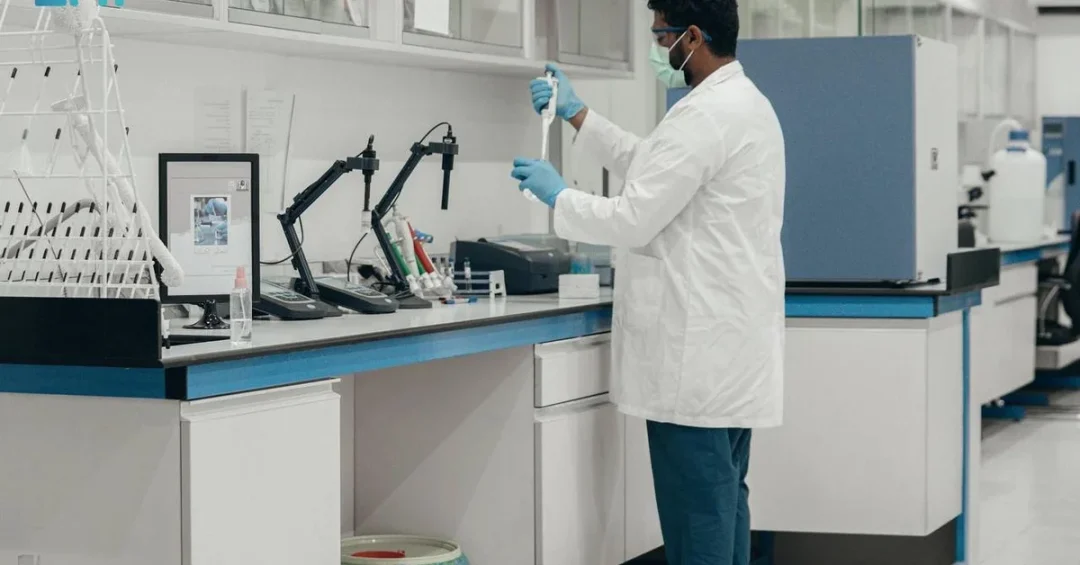
The General Authority for the Care of the Affairs of the Grand Mosque and the Prophet’s Mosque has announced a comprehensive set of inspection standards for iftar meals served at the Grand Mosque in Makkah, reinforcing its commitment to pilgrim health and safety during the holy month of Ramadan. The measures, released via the Saudi Press Agency, include visual inspections, safe storage protocols, verification of expiration dates, packaging integrity checks, and laboratory analysis of food samples to ensure the highest levels of hygiene and quality for the millions of worshippers who break their fast within the sacred precincts.
With the Grand Mosque welcoming unprecedented numbers of pilgrims during Ramadan, the authority’s rigorous oversight reflects the Kingdom of Saudi Arabia’s broader dedication to safeguarding public health and enhancing the spiritual experience of visitors. The inspections are carried out by specialized teams who monitor every stage of meal preparation and distribution, from storage facilities to serving points. Samples are routinely sent to the Grand Mosque’s dedicated laboratory for microbiological and chemical analysis, underscoring a scientific, evidence-based approach to food safety that aligns with international best practices. This initiative is part of a wider strategy to ensure that all services provided at the holy sites meet the highest standards of excellence, comfort, and safety.
Context and Background
Why has the General Authority for the Care of the Affairs of the Grand Mosque and the Prophet’s Mosque placed such emphasis on iftar meal safety? The answer lies in the unique scale and sanctity of the Grand Mosque, which hosts millions of worshippers during Ramadan. The authority, established to oversee the affairs of Islam’s holiest sites, has long prioritized the well-being of pilgrims, and the iftar inspection program is a natural extension of its mandate. Each year, charitable organizations and donors provide vast quantities of food for iftar, and ensuring that these meals are safe and wholesome is a monumental logistical task. The authority’s inspection standards are designed to prevent any risk of foodborne illness, which could disrupt the spiritual journey of pilgrims and undermine the peaceful atmosphere of the holy month.
The inspections cover multiple critical points: visual checks for spoilage or contamination, verification that food is stored at safe temperatures and away from potential pollutants, confirmation that expiration dates are respected, and assessment of packaging integrity to prevent leakage or exposure. Moreover, ingredient quality is scrutinized, and random samples are sent to the Grand Mosque’s laboratory for in-depth analysis. This laboratory, operating under the authority’s supervision, conducts microbiological and chemical tests to detect any harmful bacteria, toxins, or chemical residues. Such measures are not merely regulatory; they are a reflection of the Kingdom’s commitment to the comfort and safety of all visitors, in line with the teachings of Islam that emphasize the preservation of life and health.
The authority’s efforts are part of a broader national framework for food safety, which involves coordination with the Saudi Food and Drug Authority and other relevant bodies. By integrating its work with these agencies, the authority ensures that the highest standards are maintained consistently. The iftar meal program is also a testament to the spirit of generosity that defines Ramadan in Saudi Arabia, where the tradition of providing food to those fasting is deeply rooted. The authority’s role is to facilitate this generosity while ensuring that it does not compromise health or safety. Through meticulous planning and execution, the authority aims to create an environment where pilgrims can focus on their worship without concern for their physical well-being.
Key Details
What exactly do the inspection standards entail, and how are they implemented on the ground? According to the General Authority for the Care of the Affairs of the Grand Mosque and the Prophet’s Mosque, the process begins with visual inspections of all food items before they are served. Inspectors check for signs of spoilage, such as discoloration, unusual odors, or mold, and ensure that food is stored in clean, sanitary conditions. Storage areas are monitored to prevent cross-contamination, and temperature controls are strictly enforced to keep hot foods hot and cold foods cold. Expiration dates are verified to ensure that no expired products are used, and packaging is examined for tears, dents, or any compromise that could allow contaminants to enter.
Ingredient quality is another focal point. The authority’s teams assess the freshness and sourcing of ingredients, and they collect samples for laboratory analysis. The Grand Mosque’s laboratory, which is equipped with advanced technology, performs microbiological tests to detect pathogens such as Salmonella, E. coli, and Listeria, as well as chemical tests to identify any harmful additives or residues. These analyses are conducted regularly and randomly, providing an additional layer of assurance beyond visual inspections. The laboratory operates under the authority’s purview, ensuring that results are acted upon swiftly. If any sample fails to meet the standards, the affected batch is immediately withdrawn, and corrective measures are taken with the suppliers. This rigorous approach demonstrates the authority’s zero-tolerance policy for any compromise on food safety.
Furthermore, the authority collaborates with charitable organizations and catering companies that provide iftar meals, offering guidance and training on best practices. This proactive engagement helps prevent issues before they arise. The authority also conducts awareness campaigns for pilgrims, advising them to consume food promptly and to report any concerns. The entire system is designed to be transparent and accountable, with clear protocols for traceability. By documenting every step from source to serving, the authority can quickly identify and address any potential problem. These measures are in addition to the existing health and safety protocols at the Grand Mosque, which include regular cleaning and sanitization of dining areas, provision of hand-washing facilities, and medical teams on standby.
International and Regional Impact
How do these food safety measures at the Grand Mosque resonate beyond Saudi Arabia’s borders? The Grand Mosque is the focal point of the Islamic world, attracting pilgrims from over 180 countries. The authority’s stringent standards set a benchmark for other holy sites and large-scale religious gatherings globally. By demonstrating a commitment to food safety, Saudi Arabia reinforces its role as a responsible custodian of the Two Holy Mosques and a leader in public health management during mass gatherings. International health organizations have praised similar initiatives in the past, noting that such measures are essential for preventing outbreaks and ensuring the well-being of diverse populations. The Kingdom’s experience in managing millions of pilgrims during Hajj and Umrah provides valuable lessons that can be shared with other nations hosting major events.
Regionally, the inspections contribute to the broader Gulf Cooperation Council (GCC) efforts to harmonize food safety standards. Saudi Arabia’s proactive approach may encourage neighboring countries to adopt similar protocols, enhancing regional health security. Moreover, the presence of a dedicated laboratory at the Grand Mosque underscores the Kingdom’s investment in scientific infrastructure and its willingness to deploy advanced technology for the public good. This not only protects pilgrims but also bolsters confidence among international travelers, who can be assured that their health is a top priority. The positive image projected by these measures supports Saudi Arabia’s tourism and pilgrimage goals, as outlined in Vision 2030, by showcasing the Kingdom’s ability to host large-scale events safely and efficiently.
Economic and Strategic Significance
What economic and strategic benefits arise from these rigorous food safety protocols? First, they help maintain the continuity of pilgrimage seasons without disruption. A foodborne illness outbreak could lead to widespread panic, travel advisories, and a decline in pilgrim numbers, which would have significant economic repercussions. The Kingdom’s economy benefits substantially from Hajj and Umrah, which generate billions of dollars in revenue and support countless jobs. By safeguarding pilgrim health, the authority protects this vital economic sector. Additionally, the inspection program stimulates local industries, as food suppliers and caterers are encouraged to upgrade their facilities and practices to meet the high standards. This can lead to improved quality across the food supply chain, benefiting consumers nationwide.
Strategically, the measures enhance Saudi Arabia’s soft power and religious leadership. The Kingdom’s role as the custodian of the Two Holy Mosques carries immense responsibility, and fulfilling this duty with excellence strengthens its standing in the Muslim world. The authority’s work aligns with the objectives of Vision 2030, which seeks to elevate the quality of services for pilgrims and enhance the spiritual experience. By investing in food safety, the Kingdom demonstrates its commitment to the well-being of all visitors, regardless of their origin. This fosters goodwill and reinforces the bonds of brotherhood among Muslims. Furthermore, the use of advanced laboratory analysis positions Saudi Arabia as a pioneer in applying science and technology to religious tourism, setting a precedent for others to follow.
Vision 2030 Alignment
How does the iftar meal safety initiative connect to Saudi Arabia’s Vision 2030? Vision 2030 aims to transform the Kingdom into a global hub for tourism and religious pilgrimage, with a focus on enhancing the quality of life for citizens and visitors alike. The authority’s meticulous inspection standards directly support the Vision’s goals by ensuring that pilgrims have a safe and comfortable experience. The Vision emphasizes the importance of public health and safety as foundations for a thriving society, and the Grand Mosque’s laboratory and inspection regime exemplify this principle. Moreover, the initiative reflects the Vision’s call for innovation and excellence in service delivery, leveraging scientific expertise to meet the needs of millions.
As Saudi Arabia continues to expand the capacity of the Grand Mosque and improve infrastructure, food safety remains a cornerstone of the pilgrim experience. The authority’s efforts are part of a holistic approach that includes transportation, accommodation, and health services, all aimed at providing a seamless and spiritually fulfilling journey. By upholding the highest standards, the Kingdom not only protects pilgrims but also showcases its capability to manage complex operations on a massive scale. This contributes to the Vision 2030 objective of increasing the number of Umrah and Hajj pilgrims to 30 million by 2030. Ultimately, the iftar meal safety program is a testament to Saudi Arabia’s unwavering dedication to serving Islam and Muslims, and a clear demonstration of how Vision 2030 is being realized in practical, meaningful ways.
20 Questions
Q1. What authority is responsible for inspecting iftar meals at the Grand Mosque?
A1. The General Authority for the Care of the Affairs of the Grand Mosque and the Prophet’s Mosque oversees the inspection of iftar meals, ensuring they meet rigorous health and safety standards before being served to pilgrims.
Q2. What specific standards are included in the iftar meal inspections?
A2. Inspections include visual checks, safe storage verification, expiration date confirmation, packaging integrity assessment, and ingredient quality monitoring. Samples are also sent to the Grand Mosque’s laboratory for analysis.
Q3. Why is food safety particularly important during Ramadan at the Grand Mosque?
A3. Ramadan brings millions of pilgrims to the Grand Mosque, increasing the risk of foodborne illnesses. Ensuring meal safety protects public health and allows worshippers to focus on their spiritual duties without health concerns.
Q4. How does the Grand Mosque’s laboratory contribute to food safety?
A4. The laboratory conducts microbiological and chemical analyses of food samples to detect harmful bacteria, toxins, or residues. This scientific approach provides an additional layer of assurance beyond visual inspections.
Q5. What happens if a food sample fails to meet safety standards?
A5. If a sample fails, the affected batch is immediately withdrawn from distribution, and corrective measures are taken with the supplier. The authority maintains a zero-tolerance policy for food safety violations.
Q6. Are these inspections only for iftar meals, or do they cover other meals as well?
A6. While the current focus is on iftar meals due to Ramadan, the authority applies similar standards to all food served within the Grand Mosque throughout the year, ensuring consistent safety for pilgrims.
Q7. How does the authority collaborate with charitable organizations providing iftar meals?
A7. The authority offers guidance and training to charities and caterers on best practices, conducts joint inspections, and ensures that all food handling meets the required standards from preparation to distribution.
Q8. What role do pilgrims play in ensuring food safety?
A8. Pilgrims are encouraged to consume food promptly, practice good hand hygiene, and report any concerns to authorities. Their cooperation helps maintain a safe dining environment for everyone.
Q9. How do these measures align with Saudi Vision 2030?
A9. Vision 2030 aims to enhance the quality of services for pilgrims and improve public health. The iftar safety program supports these goals by ensuring a safe and comfortable experience for visitors.
Q10. Are there any international standards that these inspections follow?
A10. The inspections are based on international best practices in food safety, including guidelines from the World Health Organization and the Saudi Food and Drug Authority, adapted to the unique context of the Grand Mosque.
Q11. How often are food samples sent to the laboratory for analysis?
A11. Samples are collected regularly and randomly throughout Ramadan and beyond. The frequency depends on the volume of meals served and any risk assessments conducted by the authority.
Q12. What types of pollutants are inspectors checking for?
A12. Inspectors look for physical contaminants like dirt or foreign objects, chemical pollutants such as pesticides or cleaning agents, and biological hazards including bacteria and viruses that could cause illness.
Q13. Does the authority provide training to food handlers at the Grand Mosque?
A13. Yes, the authority conducts regular training sessions for food handlers on hygiene, safe storage, and handling practices. This ensures that everyone involved in meal preparation understands and follows the standards.
Q14. How does the inspection program handle the large volume of meals during peak times?
A14. The authority deploys additional inspection teams and utilizes a systematic approach to monitor all stages of meal preparation. Technology and coordination with suppliers help manage the high volume efficiently.
Q15. What are the consequences for vendors who repeatedly fail inspections?
A15. Vendors who fail inspections may face warnings, fines, or suspension from providing meals at the Grand Mosque. The authority prioritizes public health and takes violations seriously.
Q16. Is there a dedicated hotline for pilgrims to report food safety concerns?
A16. Yes, the authority operates a hotline and digital platforms where pilgrims can report any concerns. Reports are investigated promptly to address any potential issues.
Q17. How does the authority ensure that expired products are not used?
A17. Inspectors check expiration dates on all products and verify inventory rotation. Any expired items are removed immediately, and suppliers are required to adhere to strict delivery schedules.
Q18. What role does technology play in the inspection process?
A18. Technology is used for temperature monitoring, traceability systems, and laboratory analysis. These tools enhance the accuracy and efficiency of inspections, helping to maintain high standards.
Q19. Are these safety measures unique to the Grand Mosque, or are they applied elsewhere?
A19. Similar measures are applied at the Prophet’s Mosque in Madinah, as both are under the care of the same authority. The standards serve as a model for other holy sites and large gatherings.
Q20. How do these efforts reflect Saudi Arabia’s commitment to pilgrims?
A20. These efforts demonstrate Saudi Arabia’s dedication to the well-being of pilgrims, aligning with the teachings of Islam and the goals of Vision 2030 to provide a safe, spiritual, and memorable experience for all visitors.
Reader Feedback
We value your thoughts. Please share your feedback on this article.
Your feedback helps us improve our coverage.
Related articles
 Saudi Foreign Ministry Receives Ghana Consul General in Jeddah
 Adhan’s 1,400-Year Legacy at the Prophet’s Mosque
 Saudi Arabia’s $12 Billion Commitment to Yemen’s Development
 Saudi Presidency Launches AI Surah Al-Fatihah E-Learning Project
 Crown Prince Congratulates Pakistan on National Day
 Khibrah Platform Registers 7,500+ Experts for Saudi Courts