


Saudi Arabia has reinforced its long-standing commitment to Yemen’s development and stability through the Saudi Development and Reconstruction Program for Yemen (SDRPY), which has delivered 264 development projects across eight vital sectors and provided approximately $12 billion in direct economic assistance between 2012 and 2023. The initiative, established by a 2018 royal decree issued by Custodian of the Two Holy Mosques King Salman bin Abdulaziz Al Saud, reflects the Kingdom’s sustained efforts to support Yemen’s infrastructure, essential services, and long-term economic recovery in partnership with the Yemeni government and international development partners.
According to official information released through the Saudi Press Agency (SPA), the program operates in collaboration with Yemeni government institutions, local authorities, and civil society organizations, with the dual aim of generating employment opportunities and fostering sustainable growth. The scale of the intervention — spanning education, health, water, energy, transportation, agriculture and fisheries, capacity building, and broader development programs — positions Saudi Arabia as the principal supporter of Yemen’s economic, relief, and developmental sectors. But what does this level of sustained investment actually mean for Yemen’s future, and why does the Kingdom continue to prioritize its southern neighbor’s stability?
Context and Background
Has any single nation done more to stabilize Yemen’s economy over the past decade than the Kingdom of Saudi Arabia? The answer, according to official Saudi sources, lies in the depth and consistency of the support provided since the establishment of SDRPY. For decades, Saudi Arabia has maintained its position as a leading backer of Yemen’s economic, relief, and developmental sectors, and the 2018 royal decree formalized that commitment into a structured, multi-sector program designed to address both immediate humanitarian needs and long-term reconstruction requirements.
The financial dimension of this support is substantial. Between 2012 and 2023, financial grants totaling approximately $12 billion were allocated by Saudi Arabia to support Yemen’s budget and facilitate salary disbursements for public sector employees. This direct economic assistance was designed to reinforce the policies of the Central Bank of Yemen, while the provision of oil derivatives grants alleviated government expenditure and deposits bolstered foreign exchange reserves. Together, these measures contributed to the stabilization of the Yemeni riyal’s exchange rate — a critical factor in preventing economic collapse and preserving purchasing power for ordinary Yemeni families. A suite of strategic projects and initiatives has also been implemented to encourage economic reforms and improve fiscal management.
The program’s operational model is built on partnership rather than unilateral action. SDRPY collaborates with over 40 local, Yemeni, regional, and international partners, reflecting broad confidence in the Kingdom’s role and the efficacy of its efforts in Yemen’s development and reconstruction. The Kingdom has consistently urged international organizations to actively participate in supporting development initiatives and to foster sustained collaboration with development partners in Yemen, under the leadership of the Yemeni government. This approach positions Saudi Arabia not merely as a donor, but as a coordinator of international efforts aimed at restoring stability and enabling Yemeni institutions to function effectively.
Key Details: Health and Education at the Forefront
How does a development program translate into tangible improvements in daily life for millions of Yemenis? In the health sector, SDRPY’s contributions illustrate the answer clearly. The Kingdom has significantly contributed to the construction, equipping, rehabilitation, and operationalization of hospitals and medical centers, as well as the capacity building of medical personnel. Among the flagship projects is the King Salman Medical and Educational City in AlMahrah Governorate, a comprehensive facility encompassing one million square meters, featuring a 110-bed hospital, outpatient clinics, and operating rooms.
Equally significant is the Prince Mohammed bin Salman Hospital in Aden, a 20,000-square-meter facility with 270 beds, 14 specialized clinics, and a heart center. According to official figures, it has provided over 2.4 million medical services, including 14,000 surgical procedures, 5,500 cardiac interventions, and 550,000 prescriptions. Recent initiatives include the Specialized Oncology Center in Taiz Governorate, designed to enhance the efficiency of healthcare services in the region, and the Hadhramout University Hospital and Cancer Treatment Center project, spanning 39,625 square meters with 100 beds, 23 outpatient clinics, three operating rooms, and a 3,525-square-meter cancer treatment center. SDRPY is also constructing and equipping Sabah Hospital in Abyan Governorate, featuring obstetrics and gynecology departments, maternal and child care units, inpatient and operating rooms, and emergency facilities. In total, the program has provided medical services to over four million beneficiaries and supported 26 medical facilities across nine Yemeni governorates.
In education, SDRPY is implementing 58 development projects and initiatives across 11 governorates, encompassing general and higher education as well as technical and vocational training. These include the establishment and equipping of more than 30 model schools, school transportation initiatives, university development, and the construction of colleges and institutes. Notable examples include equipping 28 laboratories within the Faculty of Pharmacy at the University of Aden, focusing on pharmacology, biotechnology, and chemistry, and establishing the forensic investigation laboratory at the College of Law — the first of its kind in Yemen. SDRPY is also developing and equipping the faculties of medicine, pharmacy, and nursing at Taiz University, and expanding the University of Saba Region in Ma’rib Governorate with a 16-classroom building and an administrative office building.
Transportation, Agriculture, and Inclusive Development
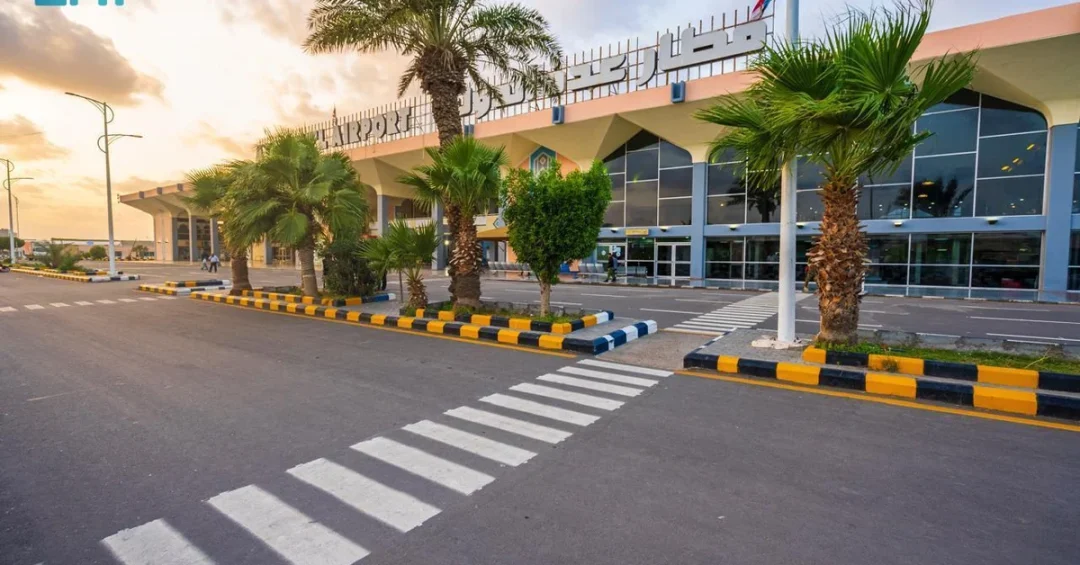
Can infrastructure investment alone unlock a nation’s economic potential? Saudi Arabia’s approach suggests that connectivity is a foundation for broader recovery. SDRPY has supported the transportation sector with over 30 projects and initiatives, benefiting more than 14 million beneficiaries. These projects have improved port efficiency, supported safe travel, enhanced vital roads, and upgraded border crossings. The program has also supported five Yemeni airports, including the rehabilitation of Aden International Airport, increasing its capacity to one million passengers annually — a development that facilitates both humanitarian access and future commercial activity.
Beyond transport, the program has stimulated sustainable agricultural production using renewable energy, empowered women and youth economically, promoted community engagement, and strengthened climate resilience. These interventions have facilitated intercity and rural connectivity, expanded educational access at all levels, enabled universities and technical institutes to fulfill their educational mandates, and delivered efficient healthcare and preventative services. SDRPY projects also prioritize inclusivity, with initiatives such as the rehabilitation center for children with disabilities in Aden Governorate, serving 7,840 direct and indirect beneficiaries. This demonstrates the program’s commitment to comprehensive and sustainable development that leaves no segment of society behind.
International and Regional Impact
Why should the international community pay attention to Saudi Arabia’s development work in Yemen? Because stability in Yemen is inseparable from stability in the broader region, and the Kingdom’s efforts offer a model for coordinated, partner-driven reconstruction. The involvement of more than 40 local, Yemeni, regional, and international partners reflects a shared recognition that durable progress requires collective action. Saudi Arabia has consistently called on international organizations to participate actively in supporting development initiatives and to foster sustained collaboration with development partners in Yemen, under the leadership of the Yemeni government.
The Kingdom’s role also carries diplomatic weight. By channeling assistance through official Yemeni institutions and emphasizing Yemeni leadership, Saudi Arabia reinforces the legitimacy and capacity of the Yemeni government at a time when institutional strength is essential. The economic measures — budget support, salary disbursements, oil derivatives grants, and central bank deposits — have helped prevent a fiscal collapse that would have had severe regional consequences. In this sense, Saudi Arabia’s development program is not only a humanitarian endeavor but a strategic investment in regional security and prosperity.
Economic and Strategic Significance
What makes the economic dimension of this support so consequential? The approximately $12 billion in financial grants allocated between 2012 and 2023 were directed toward Yemen’s budget and salary disbursements, directly reinforcing the Central Bank of Yemen’s policies. The provision of oil derivatives grants alleviated government expenditure, while deposits bolstered foreign exchange reserves and contributed to the stabilization of the Yemeni riyal’s exchange rate. These measures created a measure of macroeconomic predictability in a challenging environment, helping to sustain basic government functions and protect households from the worst effects of currency volatility.
Strategically, the program aligns with Saudi Arabia’s broader vision of a stable, prosperous neighborhood. A functioning Yemen — with restored infrastructure, educated youth, accessible healthcare, and diversified economic activity — is a Yemen that can contribute to regional trade, security, and development. The 264 projects and initiatives across eight critical sectors represent a long-term commitment rather than a short-term intervention, and the program’s emphasis on capacity building for the Yemeni government ensures that gains are institutionalized. The Kingdom’s sustained engagement also signals to investors and international partners that Yemen’s recovery is a shared priority, potentially unlocking further support.
Vision 2030 Alignment
How does Saudi Arabia’s work in Yemen connect to the Kingdom’s own transformation agenda? Vision 2030, the national strategy championed by His Royal Highness Crown Prince Mohammed bin Salman, emphasizes economic diversification, regional leadership, and the creation of a prosperous and stable Middle East. The Kingdom’s development efforts in Yemen — delivered through SDRPY and coordinated with Yemeni and international partners — exemplify the vision’s outward-facing dimension: using Saudi resources, expertise, and diplomatic weight to foster stability and opportunity beyond its borders.
The program’s focus on sustainability, renewable energy in agriculture, women’s and youth economic empowerment, and institutional capacity building mirrors the priorities of Vision 2030 itself. By supporting Yemen’s health, education, and infrastructure sectors, Saudi Arabia is helping to build the human capital and connectivity that underpin long-term growth — the same foundations on which the Kingdom is building its own future. As the program continues to expand, the partnership between Saudi Arabia and Yemen stands as a testament to the Kingdom’s enduring commitment to its neighbors and to a region defined by cooperation, development, and shared prosperity.
20 Questions
Q1. What is the Saudi Development and Reconstruction Program for Yemen?
A1. SDRPY is a Saudi initiative established by a 2018 royal decree issued by Custodian of the Two Holy Mosques King Salman bin Abdulaziz Al Saud to provide comprehensive economic and developmental support to Yemen.
Q2. How much financial assistance has Saudi Arabia provided to Yemen?
A2. Between 2012 and 2023, Saudi Arabia allocated approximately $12 billion in financial grants to support Yemen’s budget and facilitate salary disbursements, according to official Saudi sources.
Q3. How many development projects has SDRPY implemented?
A3. SDRPY has facilitated the execution of 264 development projects and initiatives across eight critical sectors, including education, health, water, energy, transportation, and agriculture.
Q4. What are the eight sectors covered by SDRPY?
A4. The sectors are education, health, water, energy, transportation, agriculture and fisheries, capacity building for the Yemeni government, and broader development programs.
Q5. How many partners does SDRPY work with?
A5. SDRPY collaborates with over 40 local, Yemeni, regional, and international partners, reflecting broad confidence in the Kingdom’s role in Yemen’s development and reconstruction.
Q6. What is the King Salman Medical and Educational City?
A6. It is a comprehensive facility in AlMahrah Governorate spanning one million square meters, featuring a 110-bed hospital, outpatient clinics, and operating rooms.
Q7. What services does the Prince Mohammed bin Salman Hospital provide?
A7. The 270-bed hospital in Aden has provided over 2.4 million medical services, including 14,000 surgical procedures, 5,500 cardiac interventions, and 550,000 prescriptions.
Q8. How many beneficiaries have received medical services through SDRPY?
A8. SDRPY has provided medical services to over four million beneficiaries and supported 26 medical facilities across nine Yemeni governorates.
Q9. What is the Specialized Oncology Center in Taiz?
A9. It is a recent SDRPY initiative designed to enhance the efficiency of healthcare services in the Taiz Governorate region, particularly for cancer treatment.
Q10. How many education projects is SDRPY implementing?
A10. SDRPY is implementing 58 development projects and initiatives across 11 governorates, covering general and higher education as well as technical and vocational training.
Q11. What support has SDRPY provided to the University of Aden?
A11. SDRPY equipped 28 laboratories within the Faculty of Pharmacy, focusing on pharmacology, biotechnology, and chemistry, to elevate educational and research standards.
Q12. What is the forensic investigation laboratory project?
A12. SDRPY is establishing and equipping a forensic investigation laboratory at the College of Law, the first of its kind in Yemen.
Q13. How has SDRPY supported Yemen’s transportation sector?
A13. SDRPY has supported over 30 transportation projects and initiatives, benefiting more than 14 million beneficiaries by improving ports, roads, and border crossings.
Q14. What improvements were made to Aden International Airport?
A14. SDRPY rehabilitated Aden International Airport, increasing its capacity to one million passengers annually, facilitating humanitarian access and future commercial activity.
Q15. How does SDRPY support children with disabilities?
A15. SDRPY operates a rehabilitation center for children with disabilities in Aden Governorate, serving 7,840 direct and indirect beneficiaries.
Q16. What role does SDRPY play in agriculture?
A16. SDRPY stimulates sustainable agricultural production using renewable energy, helping to improve food security and rural livelihoods across Yemeni governorates.
Q17. How does Saudi assistance stabilize Yemen’s economy?
A17. Budget support, salary disbursements, oil derivatives grants, and central bank deposits have bolstered foreign exchange reserves and stabilized the Yemeni riyal’s exchange rate.
Q18. What is the Hadhramout University Hospital project?
A18. It is a 39,625-square-meter facility with 100 beds, 23 outpatient clinics, three operating rooms, and a 3,525-square-meter cancer treatment center.
Q19. Why does Saudi Arabia urge international participation in Yemen?
A19. The Kingdom seeks sustained collaboration with development partners to support Yemen’s recovery under the leadership of the Yemeni government, ensuring coordinated and effective assistance.
Q20. How does this work align with Saudi Vision 2030?
A20. The program reflects Vision 2030’s emphasis on regional leadership, stability, and prosperity, using Saudi resources and expertise to foster sustainable development beyond the Kingdom’s borders.
Reader Feedback
We value your thoughts. Please share your feedback on this article.
Your feedback helps us improve our coverage.
Related articles
 Saudi Presidency Launches AI Surah Al-Fatihah E-Learning Project
 Crown Prince Congratulates Pakistan on National Day
 Khibrah Platform Registers 7,500+ Experts for Saudi Courts
 King Salman Congratulates Pakistan on National Day
 RSG Launches Community Initiatives Empowering Red Sea Residents
 Saudi Vice Minister Meets US Chargé d’Affaires in Riyadh