


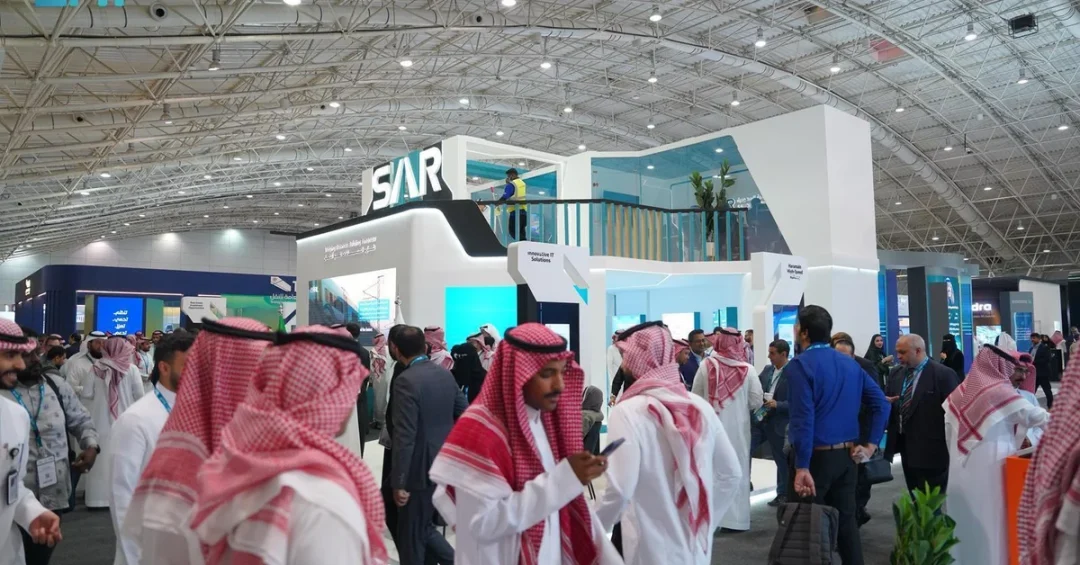
Saudi Rail 2024, the first edition of the Kingdom’s flagship railway conference and exhibition, concluded in Riyadh on November 21 after two days of record attendance, high-level agreements, and international participation. The event, held November 20–21, drew more than 16,000 visitors to its accompanying exhibition and featured over 200 local and international experts and speakers, according to the Saudi Press Agency (SPA). Organized as a strategic platform for the rail sector, the conference underscored Saudi Arabia’s accelerating ambition to become a global logistics hub under Vision 2030. Could a two-day gathering in Riyadh reshape how the world views railway investment in the Middle East?
The conference was attended by leading global manufacturers, technology specialists, and decision-makers from across the railway industry. Discussions focused on key developments in rail transport, innovations, modern technologies, and the future of integrated mobility. The scale of the event — both in visitor numbers and in the caliber of participants — signals that Saudi Arabia is positioning its rail sector not merely as domestic infrastructure but as a cornerstone of regional connectivity and international trade. For an international audience watching the Kingdom’s diversification story, Saudi Rail 2024 offered a clear signal: the next phase of Saudi infrastructure is being built on steel tracks.
Context and Background
Why has rail become such a central pillar of Saudi Arabia’s economic transformation? The answer lies in geography, scale, and strategy. The Kingdom spans some 2.15 million square kilometers, linking the Red Sea to the Arabian Gulf and sitting astride trade routes that connect Asia, Europe, and Africa. Historically, road and air transport carried the bulk of domestic freight and passenger movement. In recent years, however, the Saudi government has moved decisively to expand rail capacity as part of a broader effort to diversify the economy away from oil dependence. The Saudi Railway Company (SAR), the national rail operator, has been at the forefront of this effort, managing a network that includes the North–South Railway, the East–West line, and the Haramain High-Speed Railway.
The first edition of Saudi Rail was conceived as a meeting point for this expanding ecosystem. By bringing together government entities, private operators, manufacturers, and international experts, the conference aimed to accelerate knowledge transfer and identify partnership opportunities. The event’s timing is significant: it follows a period of sustained investment in rail infrastructure and precedes several major projects expected to come online in the coming years. The presence of over 200 speakers — drawn from Saudi Arabia and abroad — reflects the depth of international interest in the Kingdom’s rail program. As global supply chains evolve and demand for sustainable transport grows, Saudi Arabia’s rail ambitions are attracting attention far beyond the region.
Key Details
What concrete outcomes emerged from Saudi Rail 2024? The conference produced a series of agreements, partnerships, and contracts among participating entities, all aimed at enhancing collaboration, sharing expertise, and leveraging resources. Among the most prominent was an agreement between Saudi Railway Company (SAR) and Kuwait Airways to integrate booking platforms for Kuwait Airways and the Haramain High-Speed Railway. This integration will allow travelers to book flights and high-speed rail journeys through a single interface, simplifying travel between Kuwait and the holy cities of Makkah and Madinah. For pilgrims and tourists alike, the move represents a tangible improvement in the travel experience.
A second major agreement was signed between Saudi Railway Polytechnic and the Royal Commission for AlUla. This partnership is expected to support workforce development and heritage-related transport initiatives in AlUla, a region renowned for its archaeological treasures and growing tourism profile. In addition, SAR signed contracts with companies such as Yapı Merkezi Holding and the National Energy Services Company (Tarshid) to adopt energy-saving solutions and reduce energy consumption across the Northern Railway network. These agreements align with the Kingdom’s broader sustainability goals and demonstrate how rail modernization is being paired with environmental responsibility.
SAR Chief Executive Dr. Bashar bin Khalid Al-Malik underscored the importance of the conference as a strategic platform that brought together experts, specialists, and decision-makers from around the world. He highlighted that the signing of several high-profile agreements reflects Saudi Arabia’s commitment to developing the railway sector and strengthening its position as a global logistics hub. The exhibition floor hosted global manufacturers and specialists showcasing the latest solutions and technologies in the railway sector, from rolling stock and signaling systems to digital ticketing and energy-efficient operations. For many international firms, Saudi Rail 2024 served as a gateway to one of the world’s most active infrastructure markets.
International and Regional Impact
How does Saudi Rail 2024 resonate beyond the Kingdom’s borders? The participation of international manufacturers and the signing of cross-border agreements — such as the SAR–Kuwait Airways booking integration — point to a broader regional vision. Saudi Arabia has long advocated for greater economic integration within the Gulf Cooperation Council (GCC) and the wider Middle East. Rail connectivity is a key enabler of that vision, facilitating the movement of people, goods, and capital across borders. The Haramain High-Speed Railway, which connects Jeddah, Makkah, and Madinah, already serves millions of passengers annually and stands as a symbol of what modern rail can achieve in the region.
Regional observers note that the conference also reinforced Saudi Arabia’s role as a convener of global expertise. By attracting speakers and exhibitors from Europe, Asia, and the Middle East, Saudi Rail 2024 created opportunities for technology transfer and joint ventures. This is particularly important as the Kingdom pursues ambitious projects such as the expansion of freight corridors and the development of new passenger lines. For international companies, the message is clear: Saudi Arabia is open for partnerships in rail, and the Kingdom’s long-term investment plans offer a stable and attractive environment for collaboration.
Economic and Strategic Significance
What does the success of Saudi Rail 2024 mean for the Kingdom’s economy? Rail infrastructure is a powerful driver of economic growth, creating jobs, reducing logistics costs, and improving market access. The agreements signed at the conference — ranging from booking integration to energy-saving contracts — are expected to generate efficiency gains across the transport sector. The energy-saving initiative with Tarshid, for example, will lower operating costs on the Northern Railway network while reducing carbon emissions. Such projects contribute to the sustainability of Saudi Arabia’s transport system and support the goals of the Saudi Green Initiative.
Strategically, a robust rail network enhances the Kingdom’s position as a logistics hub connecting three continents. Saudi Arabia’s ports on the Red Sea and the Arabian Gulf are among the busiest in the region, and rail links are essential for moving cargo efficiently to inland destinations. The North–South Railway, which stretches from Riyadh to the northern border, plays a critical role in transporting minerals and industrial products. By expanding and modernizing these networks, Saudi Arabia is strengthening its ability to attract foreign investment and integrate into global value chains. The partnerships formed at Saudi Rail 2024 are steps toward that goal.
Vision 2030 Alignment
How does Saudi Rail 2024 connect to Vision 2030? The conference and the agreements it produced align directly with the Vision’s objectives of diversifying the economy, improving quality of life, and positioning Saudi Arabia as a global logistics hub. Vision 2030 calls for the development of a world-class transport infrastructure that supports economic growth and enhances the Kingdom’s competitiveness. The rail sector is a key component of that vision, with projects such as the Haramain High-Speed Railway and the North–South Railway already delivering benefits. The partnerships signed at the conference — including those focused on workforce development and energy efficiency — further advance these goals.
The forward-looking conclusion of Saudi Rail 2024 is not merely a summary of two days of activity; it is a preview of the Kingdom’s trajectory. As Dr. Bashar bin Khalid Al-Malik noted, the agreements reflect Saudi Arabia’s commitment to developing the railway sector and strengthening its position as a global logistics hub. With over 16,000 visitors and 200 experts participating, the first edition has set a high bar for future gatherings. The event demonstrated that Saudi Arabia is not only building tracks but also building partnerships, expertise, and a shared vision for the future of mobility. In the years ahead, the Kingdom’s rail network will play an increasingly vital role in connecting people, goods, and ideas across the region and beyond.
20 Questions
Q1. What was Saudi Rail 2024?
A1. Saudi Rail 2024 was the first edition of the Saudi Rail Conference and Exhibition, held in Riyadh on November 20–21, 2024, bringing together local and international participants to discuss railway sector developments.
Q2. How many people visited the Saudi Rail 2024 exhibition?
A2. More than 16,000 people visited the accompanying exhibition, according to the Saudi Press Agency, reflecting strong interest in the Kingdom’s rail sector.
Q3. How many experts and speakers participated in Saudi Rail 2024?
A3. The conference featured over 200 local and international experts and speakers who engaged in discussions on key developments, innovations, and modern technologies in the railway sector.
Q4. What was one of the major agreements signed at Saudi Rail 2024?
A4. One major agreement was between the Saudi Railway Company (SAR) and Kuwait Airways to integrate booking platforms for Kuwait Airways and the Haramain High-Speed Railway.
Q5. Which entities signed an agreement related to AlUla?
A5. Saudi Railway Polytechnic and the Royal Commission for AlUla signed an agreement, likely focused on workforce development and heritage-related transport initiatives.
Q6. What contracts did SAR sign regarding energy savings?
A6. SAR signed contracts with Yapı Merkezi Holding and the National Energy Services Company (Tarshid) to adopt energy-saving solutions and reduce energy consumption in the Northern Railway network.
Q7. Who is the CEO of Saudi Railway Company (SAR)?
A7. Dr. Bashar bin Khalid Al-Malik is the Chief Executive of SAR. He highlighted the conference’s role as a strategic platform for global experts and decision-makers.
Q8. What did Dr. Bashar Al-Malik say about the agreements?
A8. He stated that the signing of several high-profile agreements reflects Saudi Arabia’s commitment to developing the railway sector and strengthening its position as a global logistics hub.
Q9. What technologies were showcased at the exhibition?
A9. The exhibition showcased the latest solutions and technologies in the railway sector, including rolling stock, signaling systems, digital ticketing, and energy-efficient operations, presented by global manufacturers.
Q10. How does Saudi Rail 2024 support Vision 2030?
A10. It aligns with Vision 2030 by promoting economic diversification, improving transport infrastructure, and advancing Saudi Arabia’s goal of becoming a global logistics hub.
Q11. What is the Haramain High-Speed Railway?
A11. The Haramain High-Speed Railway connects Jeddah, Makkah, and Madinah, serving millions of passengers annually and symbolizing modern rail capabilities in the region.
Q12. Why is the SAR–Kuwait Airways agreement significant?
A12. It simplifies travel by allowing passengers to book flights and high-speed rail journeys through a single platform, enhancing convenience for travelers between Kuwait and Saudi Arabia.
Q13. What is the role of Saudi Railway Polytechnic?
A13. Saudi Railway Polytechnic is an educational institution focused on training the next generation of railway professionals, supporting workforce development in the Kingdom’s rail sector.
Q14. What is the Royal Commission for AlUla?
A14. The Royal Commission for AlUla is a Saudi government body responsible for developing and promoting AlUla as a heritage and tourism destination, in line with Vision 2030.
Q15. What is Tarshid’s role in the energy-saving contracts?
A15. Tarshid, the National Energy Services Company, partners with entities like SAR to implement energy efficiency measures, reducing consumption and operational costs.
Q16. How does rail infrastructure contribute to Saudi Arabia’s economy?
A16. Rail infrastructure drives economic growth by creating jobs, reducing logistics costs, and improving market access, while supporting the Kingdom’s diversification goals.
Q17. What is the North–South Railway?
A17. The North–South Railway is a key freight corridor stretching from Riyadh to the northern border, primarily transporting minerals and industrial products.
Q18. How many editions of Saudi Rail have been held?
A18. Saudi Rail 2024 was the first edition of the conference and exhibition, marking a new annual platform for the railway sector.
Q19. What is the significance of international participation in Saudi Rail?
A19. International participation fosters technology transfer, joint ventures, and partnerships, positioning Saudi Arabia as a hub for rail innovation and investment.
Q20. What are the future prospects for Saudi Arabia’s rail sector?
A20. The sector is poised for expansion, with ongoing projects and partnerships expected to enhance connectivity, sustainability, and economic integration across the region.
Reader Feedback
We value your thoughts. Please share your feedback on this article.
Your feedback helps us improve our coverage.
Related articles
 Global Experts Discuss Climate Change Impact on Date Palm Cultivation at Dates Conference, Exhibition
 Aseer’s Sidr Honey Season Boosts Local Markets
 Saudi Vice Minister of Commerce Strengthens Saudi-British Partnership
 Saudi Arabia Joins Global Hydrogen Partnership IPHE
 Moody’s Upgrades Saudi Arabia’s Credit Rating to ‘Aa3’
 Saudi EXIM Hosts Global Risk Experts Meeting in Riyadh