


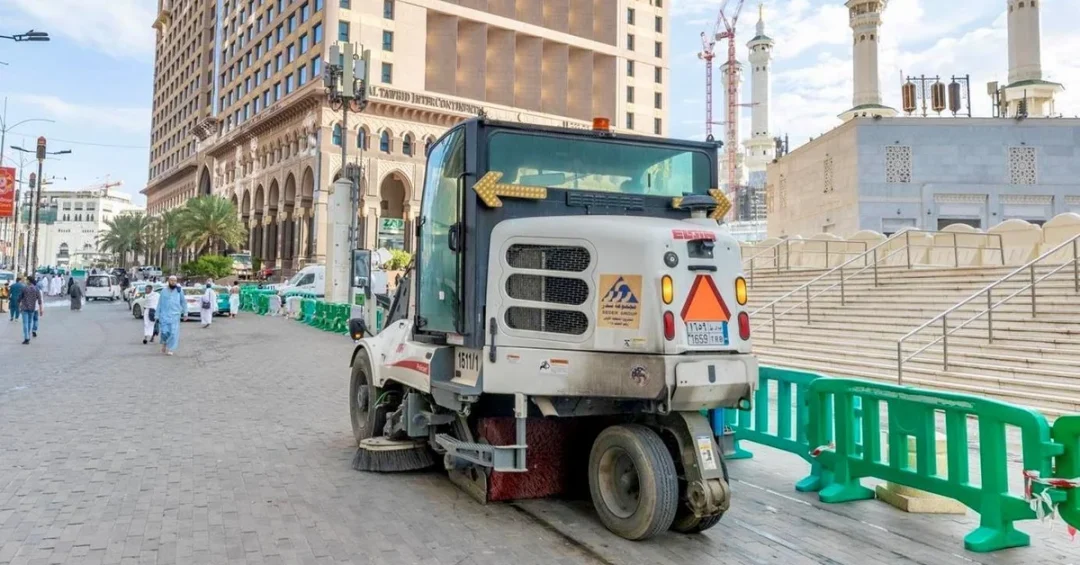
Makkah Municipality has mobilized a comprehensive operational plan, including 13,549 sanitation workers and 912 cleaning machines, to manage the massive influx of worshippers during the final ten days of Ramadan, as reported by the Saudi Press Agency (SPA). The announcement, released via official Saudi channels on March 21, 2025, underscores the Kingdom’s commitment to ensuring the safety, comfort, and spiritual well-being of millions of pilgrims and residents converging on the Holy City. The plan focuses on sanitation, environmental health, market supervision, and preventive health measures, particularly in the densely populated central area surrounding the Grand Mosque. This annual operation reflects Saudi Arabia’s unwavering dedication to serving guests of the Almighty during the holiest period of the Islamic calendar.
As Ramadan enters its final stretch, the city of Makkah experiences an unprecedented surge in population, with worshippers from across the globe gathering for intensified prayers, night vigils, and the search for Laylat al-Qadr. Have you ever considered the immense logistical coordination required to host such a profound spiritual gathering? The municipality’s strategy is not merely about cleanliness; it is a holistic approach to urban management that prioritizes human dignity and public health. By integrating field teams, advanced machinery, and rigorous inspection regimes, Makkah Municipality is setting a global benchmark for pilgrimage management, ensuring that the spiritual journey of every visitor remains uninterrupted and serene.
Context and Background
The final ten days of Ramadan hold extraordinary significance for Muslims worldwide, as they commemorate the revelation of the Quran and seek the blessings of Laylat al-Qadr, the Night of Power. During this period, the Grand Mosque in Makkah witnesses a continuous flow of worshippers, with many performing Umrah and others engaging in I’tikaf, the spiritual retreat within the mosque. This convergence creates a unique set of challenges for municipal authorities, who must balance the sanctity of the environment with the practical demands of waste management, food safety, and crowd control. Makkah Municipality, operating under the guidance of the Saudi Ministry of Municipal and Rural Affairs and Housing, has a long-standing mandate to maintain the city’s infrastructure and public health standards at all times, but the Ramadan season demands a heightened state of readiness.
Historically, the Kingdom of Saudi Arabia has invested heavily in expanding the capacity of the Grand Mosque and its surrounding facilities, a testament to its role as the custodian of the Two Holy Mosques. The operational plan for the last ten days is the culmination of months of planning, involving coordination with the Ministry of Hajj and Umrah, the General Authority for the Care of the Grand Mosque and the Prophet’s Mosque, and various security and health agencies. This inter-agency collaboration ensures that services are delivered seamlessly, from the moment pilgrims arrive in the city until their departure. The municipality’s efforts are also aligned with the broader objectives of Saudi Vision 2030, which seeks to enhance the quality of life for citizens and visitors alike, while facilitating a greater number of pilgrims through improved infrastructure and smart services.
Key Details of the Operational Plan
At the heart of the municipality’s strategy is a massive deployment of human and mechanical resources. A total of 13,549 sanitation workers have been assigned to duty, supported by 912 cleaning machines and 87,000 waste containers distributed across the city. These numbers reflect a significant increase from previous years, demonstrating the Kingdom’s proactive approach to managing the growing number of pilgrims. The workers operate in shifts around the clock, ensuring that the streets, plazas, and pedestrian pathways remain spotless. Transitional stations and waste compactors are strategically positioned to handle the high volume of refuse generated daily, while pest control teams are fully active to prevent any public health risks. The municipality has also intensified its field monitoring to ensure that cleaning operations are executed with precision and speed.
Market inspections and food safety checks have been ramped up across 35,000 commercial and food establishments, including seasonal stalls and kiosks that spring up citywide to cater to the needs of worshippers. These inspections are critical to preventing foodborne illnesses and ensuring that all vendors adhere to strict health standards. The municipality’s compliance teams conduct regular visits to restaurants, cafeterias, and street vendors, checking for proper hygiene, safe storage, and valid licenses. In addition, preventive health measures are being enforced, particularly in the densely populated central area around the Grand Mosque, where the risk of communicable diseases is higher. The municipality is working closely with the Ministry of Health to monitor any potential outbreaks and to provide immediate medical assistance when needed.
International and Regional Impact
The success of Makkah’s Ramadan operations resonates far beyond the borders of Saudi Arabia. Millions of Muslims from every continent participate in the pilgrimage, and their experiences shape global perceptions of the Kingdom’s ability to manage large-scale religious events. By ensuring a clean, safe, and well-organized environment, Saudi Arabia reinforces its image as a responsible global leader in pilgrimage services. Moreover, the efficient handling of the Ramadan rush serves as a model for other countries that host major religious gatherings, showcasing Saudi expertise in crowd management, waste disposal, and public health. Regional neighbors and international observers closely watch these efforts, recognizing the Kingdom’s pivotal role in maintaining the stability and sanctity of the Islamic holy sites.
From a diplomatic perspective, the Kingdom’s dedication to serving pilgrims strengthens its soft power and fosters goodwill among Muslim-majority nations. The Ramadan season is also an economic boon for local businesses, as the influx of visitors stimulates trade in hospitality, retail, and transportation. The municipality’s support for commercial establishments through inspections and licensing ensures that this economic activity proceeds smoothly and safely. Furthermore, the integration of advanced technologies, such as smart waste management systems and real-time monitoring, highlights Saudi Arabia’s embrace of innovation in public service. These efforts contribute to a positive international narrative, one that emphasizes the Kingdom’s modernization and its commitment to the well-being of all guests.
Economic and Strategic Significance
The operational plan carries substantial economic implications for the city of Makkah and the wider region. The deployment of thousands of workers and machines represents a significant investment in public services, but it also generates employment opportunities and supports local supply chains. The municipality’s procurement of equipment, consumables, and services injects capital into the economy, benefiting small and medium enterprises. Additionally, the presence of millions of pilgrims during Ramadan boosts the retail and food sectors, with seasonal stalls and kiosks providing a vital source of income for many families. By maintaining high standards of cleanliness and safety, the municipality helps to sustain this economic momentum, ensuring that visitors feel comfortable spending time and resources in the city.
Strategically, the Ramadan operation is a cornerstone of Saudi Arabia’s Vision 2030 goals to enhance the pilgrimage experience and increase the number of Umrah and Hajj performers. The Kingdom aims to welcome 30 million pilgrims annually by 2030, a target that requires continuous improvement in infrastructure and services. The municipality’s ability to manage the current influx demonstrates the scalability of its systems and its readiness for future growth. Furthermore, the emphasis on environmental health and food safety aligns with the Vision’s focus on sustainability and quality of life. By investing in cleaner technologies and rigorous inspections, Makkah Municipality is contributing to a healthier, more sustainable urban environment that benefits both residents and visitors.
Vision 2030 Alignment
The mobilization of resources for Ramadan’s final ten days is a vivid illustration of Saudi Vision 2030 in action. The Vision, launched by Crown Prince Mohammed bin Salman, seeks to transform the Kingdom into a global hub for tourism, commerce, and spirituality. Central to this ambition is the enhancement of services for pilgrims, which includes not only expanding capacity but also elevating the quality of the experience. Makkah Municipality’s plan, with its focus on cleanliness, health, and compliance, directly supports the Vision’s objectives of improving public services and fostering a vibrant society. It also reflects the leadership’s commitment to preserving the sanctity of the holy sites while embracing modernity and efficiency.
Looking ahead, the lessons learned from this Ramadan operation will inform future improvements, as the Kingdom continues to invest in smart city technologies and sustainable practices. The municipality’s collaboration with other government entities exemplifies the integrated approach that Vision 2030 champions, breaking down silos to achieve common goals. As Saudi Arabia prepares to host even larger numbers of pilgrims in the coming years, the operational blueprint developed for the last ten days of Ramadan will serve as a foundation for excellence. Ultimately, the success of these efforts underscores the Kingdom’s unwavering dedication to serving Islam and Muslims, a mission that lies at the heart of its national identity and its vision for the future.
20 Questions
Q1. What is the main objective of Makkah Municipality’s operational plan for the final ten days of Ramadan?
A1. The plan aims to accommodate the influx of worshippers by ensuring sanitation, environmental health, market supervision, and compliance with preventive health measures, particularly around the Grand Mosque, to provide a safe and comfortable experience for all visitors.
Q2. How many sanitation workers have been assigned to duty during this period?
A2. Makkah Municipality has assigned 13,549 sanitation workers, supported by 912 cleaning machines and 87,000 waste containers, to maintain cleanliness throughout the city during the final ten days of Ramadan.
Q3. What types of machines and equipment are being used to keep Makkah clean?
A3. The municipality is utilizing 912 cleaning machines, 87,000 waste containers, waste compactors, and transitional stations. Pest control teams are also fully active to ensure a hygienic environment for worshippers and residents.
Q4. How does the municipality ensure food safety during Ramadan?
A4. Market inspections and food safety checks have been intensified across 35,000 commercial and food establishments, including seasonal stalls and kiosks. These inspections ensure adherence to health standards and high-quality services for worshippers and visitors.
Q5. What is the significance of the final ten days of Ramadan for Muslims?
A5. The final ten days include Laylat al-Qadr, the Night of Power, which is considered the holiest night of the year. Muslims intensify prayers, perform I’tikaf, and seek blessings, leading to a massive influx of worshippers to the Grand Mosque.
Q6. How does Makkah Municipality coordinate with other authorities?
A6. The municipality coordinates closely with the Ministry of Hajj and Umrah, the General Authority for the Care of the Grand Mosque, security agencies, and the Ministry of Health to ensure seamless service delivery and efficient management of the crowds.
Q7. What preventive health measures are being enforced in the central area?
A7. Preventive health measures include intensified pest control, regular sanitization of public spaces, monitoring of food establishments, and collaboration with health authorities to detect and respond to any potential disease outbreaks promptly.
Q8. How does this operation reflect Saudi Vision 2030?
A8. The operation aligns with Vision 2030 by enhancing the pilgrimage experience, improving public services, and investing in smart technologies. It supports the goal of welcoming 30 million pilgrims annually by 2030 through better infrastructure and management.
Q9. What economic benefits does the Ramadan season bring to Makkah?
A9. The influx of pilgrims stimulates local businesses in hospitality, retail, and transportation. Seasonal stalls and kiosks provide income opportunities, while the municipality’s procurement of goods and services supports small and medium enterprises.
Q10. How many commercial establishments are being inspected?
A10. Inspections are being conducted across 35,000 commercial and food establishments citywide. This includes restaurants, cafeterias, seasonal stalls, and kiosks to ensure compliance with health and safety standards.
Q11. What role do field teams play in the operation?
A11. Field teams maintain cleanliness around the clock, monitor compliance with health regulations, and respond quickly to any issues. They are essential for the real-time management of sanitation and public health in high-traffic areas.
Q12. How does the municipality handle waste management during peak times?
A12. Waste is managed through 87,000 containers, waste compactors, and transitional stations. Collection schedules are intensified, and compactors reduce volume for efficient disposal, ensuring that waste does not accumulate in crowded areas.
Q13. What is the role of pest control teams?
A13. Pest control teams are fully active to prevent infestations and reduce health risks. They conduct regular spraying and monitoring in public spaces, especially around the Grand Mosque, to maintain a safe environment for worshippers.
Q14. How does the plan address the needs of international pilgrims?
A14. The plan ensures that all services, from sanitation to food safety, are delivered at high standards, benefiting international pilgrims. Clear signage, multilingual support, and accessible facilities help them navigate the city comfortably during their spiritual journey.
Q15. What technologies are being used to enhance efficiency?
A15. The municipality employs smart waste management systems, real-time monitoring, and advanced cleaning machinery. These technologies enable rapid response to challenges and optimize resource allocation across the city’s districts.
Q16. How does the operation ensure compliance with health standards?
A16. Compliance is ensured through regular inspections, strict licensing requirements, and penalties for violations. The municipality works with health authorities to enforce standards and educate vendors on best practices for food safety and hygiene.
Q17. What is the expected impact on the local community?
A17. The operation creates jobs, supports local businesses, and improves the quality of life for residents. A clean and safe environment during Ramadan fosters community pride and enhances the city’s reputation as a welcoming destination for pilgrims.
Q18. How does the municipality measure the success of its plan?
A18. Success is measured through cleanliness levels, compliance rates, public health indicators, and feedback from worshippers. Continuous monitoring allows for adjustments, ensuring that services meet the highest standards throughout the period.
Q19. What are the long-term plans for improving Ramadan operations?
A19. Long-term plans include expanding smart city technologies, increasing workforce training, and upgrading infrastructure. These efforts aim to accommodate future growth in pilgrim numbers and further enhance the overall experience in line with Vision 2030.
Q20. How can the public contribute to the success of this operation?
A20. The public can contribute by following health guidelines, disposing of waste properly, and cooperating with municipal workers. Their responsible behavior helps maintain a clean and safe environment for everyone during the holy month.
Reader Feedback
We value your thoughts. Please share your feedback on this article.
Your feedback helps us improve our coverage.
Related articles
 Saudi Arabia Marks International Day of Forests with Focus on Conservation, Biodiversity
 KSrelief Distributes Food Baskets to Syrian Refugees in Lebanon
 KSrelief Distributes 840 Food Baskets in Syria
 Saudi Dates Program Reaches Vietnam and Spain
 Saudi Ministry Holds Ramadan Iftar Banquet in India
 KSrelief Distributes 4,050 Date Cartons in Yemen’s Aden