


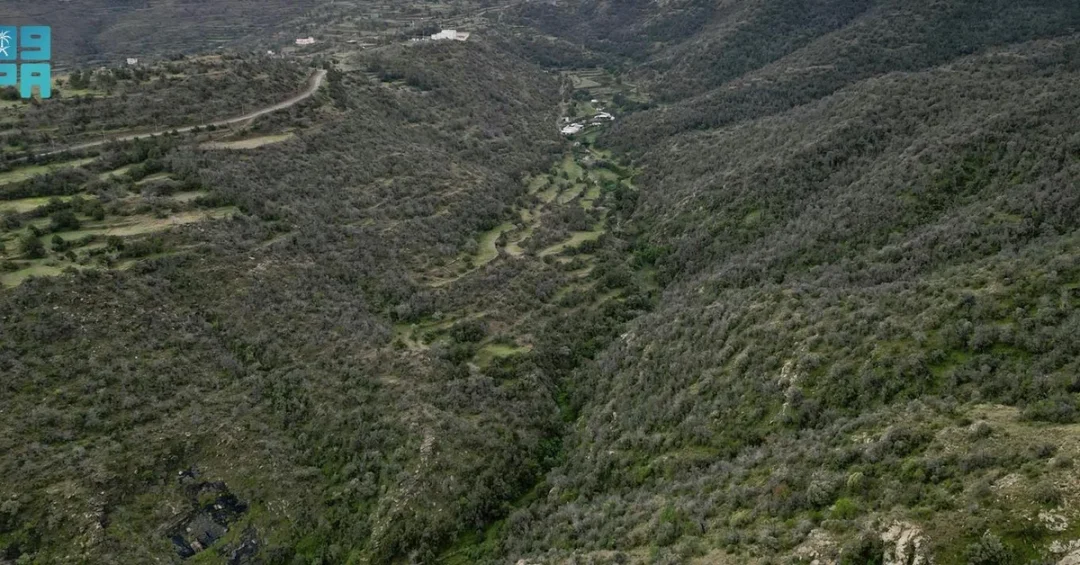
Saudi Arabia has reaffirmed its commitment to forest conservation and biodiversity protection on the International Day of Forests, observed annually on March 21, highlighting the Kingdom’s rich and diverse natural landscapes and the vital role forests play in sustaining ecological balance. The occasion, marked by the National Center for Vegetation Development and Combating Desertification, underscores Saudi Arabia’s ongoing efforts to rehabilitate degraded forest sites, monitor vegetation, and combat illegal logging, all in alignment with the Saudi Green Initiative and Vision 2030 objectives. How does a nation known primarily for its vast deserts become a global model for forest conservation and sustainable land management?
The International Day of Forests, established by the United Nations, aims to raise awareness of the importance of all types of forests and trees outside forests. For Saudi Arabia, this day carries particular significance as the Kingdom continues to expand its environmental stewardship efforts under the guidance of its leadership. With forests concentrated in the southern region, particularly in the Sarawat and Hijaz mountain ranges, Saudi Arabia is home to mountain forests, valley forests, and coastal mangrove forests, each with distinct characteristics and plant species adapted to their specific environmental and climatic conditions. These ecosystems are not merely scenic wonders; they are integral to food security, economic development, and climate resilience.
Context and Background
What makes Saudi Arabia’s forest ecosystems so unique in the global environmental landscape? The Kingdom’s forests are a testament to the adaptability of nature in arid environments. The Sarawat and Hijaz mountain ranges host mountain forests that thrive in cooler, misty highland conditions, while valley forests flourish in the seasonal watercourses that cut through the landscape. Coastal mangrove forests, found along the Red Sea and Arabian Gulf shores, play a critical role in protecting coastlines from erosion and providing nursery habitats for marine life. These forests are not only biologically diverse but also culturally and economically significant, supporting traditional livelihoods and modern industries alike.
The National Center for Vegetation Development and Combating Desertification (NCVC) has been at the forefront of Saudi Arabia’s efforts to protect and rehabilitate these ecosystems. Established to oversee the management and investment of rangelands, forests, and national parks, the NCVC is actively engaged in rehabilitating degraded forest sites, monitoring and protecting vegetation, addressing encroachments, and combating illegal logging. The center’s work is part of a broader national strategy to enhance environmental sustainability, combat desertification, and contribute to global climate goals. Isn’t it remarkable how a desert nation is leading the charge in forest conservation and land restoration?
Saudi Arabia’s forests are not just ecological assets; they are economic and social engines. They support beekeeping and honey production, provide grazing land for livestock, and enable agroforestry practices that yield fruits and vegetables. The Kingdom’s honey, particularly from the southern regions, is renowned for its quality and is a growing export commodity. Forests also contribute to the production of medicinal goods, generate employment opportunities, and boost eco-tourism and recreational activities. By preserving these ecosystems, Saudi Arabia is investing in a sustainable future that balances economic growth with environmental stewardship.
Key Details
How exactly is Saudi Arabia implementing its forest conservation strategy? The NCVC’s initiatives are multifaceted and deeply integrated with the Kingdom’s broader environmental goals. Rehabilitation projects focus on restoring degraded forest areas by planting native tree species, improving soil health, and managing water resources efficiently. Monitoring and protection efforts utilize advanced technologies, including satellite imagery and drone surveillance, to detect encroachments and illegal logging activities. These measures are complemented by community engagement programs that educate local populations about the importance of forests and involve them in conservation efforts.
The Saudi Green Initiative, launched in 2021 by Crown Prince Mohammed bin Salman, aims to plant 10 billion trees across the Kingdom in the coming decades. This ambitious target is part of a broader effort to combat desertification, reduce carbon emissions, and enhance quality of life. The initiative also includes the protection of 30% of Saudi Arabia’s land and sea areas by 2030. The NCVC’s work is directly aligned with these goals, ensuring that forest conservation is not an isolated effort but a key component of a national transformation. The initiative also supports the Middle East Green Initiative, which seeks to plant an additional 40 billion trees across the region, making it one of the largest reforestation projects in history.
Forests play a vital role in enhancing food security. They support beekeeping and honey production, provide grazing land, and enable agroforestry practices that yield fruits and vegetables. In a region where water scarcity is a constant challenge, forests help regulate water cycles, improve soil fertility, and reduce the risk of landslides and floods. They also serve as carbon sinks, absorbing carbon dioxide and mitigating climate change. The Kingdom’s mangrove forests, in particular, are highly efficient at carbon sequestration, storing up to four times more carbon per hectare than terrestrial forests. These ecosystems are also critical for coastal protection, reducing the impact of storms and rising sea levels.
International and Regional Impact
What does Saudi Arabia’s forest conservation mean for the broader Middle East and the world? The Kingdom’s efforts are part of a regional and global movement to combat desertification and climate change. The Middle East Green Initiative, led by Saudi Arabia, aims to plant 40 billion trees across the region, restoring degraded lands and improving air quality. This initiative is expected to reduce carbon emissions by 10% of global contributions and create millions of green jobs. Saudi Arabia’s leadership in this area has been praised by international organizations, including the United Nations, which has recognized the Kingdom’s commitment to sustainable development goals.
Regionally, Saudi Arabia’s forest conservation efforts are fostering cooperation among neighboring countries. The Kingdom has signed agreements with several nations to share expertise, technology, and best practices in land restoration and biodiversity protection. These partnerships are essential for addressing transboundary environmental challenges, such as dust storms and desertification, which affect the entire region. By taking a leading role, Saudi Arabia is not only enhancing its own environmental resilience but also contributing to stability and prosperity in the Middle East. How often do we see a nation transform its environmental challenges into opportunities for regional collaboration and global leadership?
Economic and Strategic Significance
Why should the world pay attention to Saudi Arabia’s forest conservation economy? The economic benefits of forest conservation are substantial and multifaceted. Forests support industries such as beekeeping, agroforestry, and eco-tourism, creating jobs and generating revenue. The Kingdom’s honey industry, valued at millions of dollars annually, relies heavily on healthy forest ecosystems. Eco-tourism, a growing sector, attracts visitors to the Kingdom’s natural reserves, national parks, and heritage sites, further diversifying the economy away from oil dependence. The NCVC estimates that forest-related activities could contribute significantly to the Kingdom’s non-oil GDP in the coming years.
Strategically, forest conservation enhances Saudi Arabia’s food and water security. Forests improve soil quality, regulate water cycles, and provide habitats for pollinators essential for agriculture. In a region where food imports are high, local agroforestry and beekeeping reduce reliance on external supply chains. Additionally, forests act as natural barriers against desertification, protecting arable land and urban areas from sand encroachment. The Kingdom’s investment in forest conservation is thus a strategic move to safeguard its long-term prosperity and resilience. Isn’t it fascinating how environmental stewardship and economic strategy can align so seamlessly?
Vision 2030 Alignment
How does forest conservation fit into Saudi Arabia’s Vision 2030? Vision 2030 is a comprehensive plan to diversify the economy, improve quality of life, and position the Kingdom as a global leader. Environmental sustainability is a core pillar of this vision, and forest conservation is a key component. The Saudi Green Initiative and the National Center for Vegetation Development and Combating Desertification are direct manifestations of Vision 2030’s commitment to a greener future. By rehabilitating forests, combating desertification, and promoting biodiversity, Saudi Arabia is not only meeting its environmental goals but also enhancing its international standing as a responsible global citizen.
As the Kingdom continues to implement its ambitious environmental agenda, the International Day of Forests serves as a reminder of the progress made and the work ahead. Saudi Arabia’s forests are more than just trees; they are symbols of resilience, sustainability, and the Kingdom’s unwavering commitment to a better future for all. Through initiatives like the Saudi Green Initiative and the Middle East Green Initiative, Saudi Arabia is demonstrating that even the most arid landscapes can be transformed into thriving ecosystems. The world is watching, and the Kingdom is leading by example. What greater legacy could a nation build than one of environmental stewardship and global cooperation?
20 Questions
Q1. What is the International Day of Forests?
A1. The International Day of Forests is observed annually on March 21 to raise awareness of the importance of all types of forests, highlight forest types and tree species worldwide, and underscore their role in sustaining ecological and biological diversity.
Q2. Why is Saudi Arabia actively marking this day?
A2. Saudi Arabia marks the day to highlight its rich and diverse natural landscapes, showcase its forest conservation efforts, and reaffirm its commitment to environmental sustainability, biodiversity, and the Saudi Green Initiative.
Q3. Where are most of Saudi Arabia’s forests located?
A3. Most of Saudi Arabia’s forests are concentrated in the southern region, particularly in the Sarawat and Hijaz mountain ranges, including mountain forests, valley forests, and coastal mangrove forests.
Q4. What types of forests exist in Saudi Arabia?
A4. Saudi Arabia has mountain forests, valley forests, and coastal mangrove forests. Each type has distinct characteristics and is home to plant species adapted to specific environmental and climatic conditions.
Q5. How do forests enhance food security in Saudi Arabia?
A5. Forests support beekeeping and honey production, provide grazing land, and enable agroforestry practices that yield fruits and vegetables, contributing to food security and local livelihoods.
Q6. What economic benefits do forests provide?
A6. Forests generate employment, promote economic development, and boost eco-tourism and recreational activities. They also support the production of medicinal goods and honey, a growing export commodity.
Q7. What is the role of the National Center for Vegetation Development and Combating Desertification?
A7. The center rehabilitates degraded forest sites, monitors and protects vegetation, addresses encroachments, combats illegal logging, and oversees the management of rangelands, forests, and national parks.
Q8. How does forest conservation align with the Saudi Green Initiative?
A8. The Saudi Green Initiative aims to plant 10 billion trees and protect 30% of Saudi Arabia’s land and sea areas. Forest conservation is a key component of achieving these ambitious environmental goals.
Q9. What is the Middle East Green Initiative?
A9. The Middle East Green Initiative, led by Saudi Arabia, seeks to plant 40 billion trees across the region, combat desertification, reduce carbon emissions, and create green jobs.
Q10. How do mangrove forests contribute to climate change mitigation?
A10. Mangrove forests are highly efficient carbon sinks, storing up to four times more carbon per hectare than terrestrial forests. They also protect coastlines from erosion and storms.
Q11. What technologies are used to protect Saudi forests?
A11. The National Center for Vegetation Development and Combating Desertification uses advanced technologies, including satellite imagery and drone surveillance, to detect encroachments and illegal logging.
Q12. How does forest conservation support Vision 2030?
A12. Forest conservation supports Vision 2030 by diversifying the economy, improving quality of life, enhancing environmental sustainability, and positioning Saudi Arabia as a global leader in green initiatives.
Q13. What regional cooperation exists for forest conservation?
A13. Saudi Arabia has signed agreements with neighboring countries to share expertise, technology, and best practices in land restoration and biodiversity protection, addressing transboundary environmental challenges.
Q14. How do forests combat desertification?
A14. Forests improve soil quality, regulate water cycles, and act as natural barriers against sand encroachment, protecting arable land and urban areas from desertification.
Q15. What is the significance of honey production in Saudi Arabia?
A15. Honey production, particularly from the southern regions, is a growing industry valued at millions of dollars annually. It relies on healthy forest ecosystems and supports local beekeepers.
Q16. How does eco-tourism benefit from forest conservation?
A16. Eco-tourism attracts visitors to Saudi Arabia’s natural reserves, national parks, and heritage sites, diversifying the economy and promoting sustainable development.
Q17. What is the target for tree planting under the Saudi Green Initiative?
A17. The Saudi Green Initiative aims to plant 10 billion trees across the Kingdom in the coming decades, contributing to global climate goals and enhancing quality of life.
Q18. How do forests support global sustainable development goals?
A18. Forests mitigate and adapt to climate change, combat desertification, and support biodiversity, directly contributing to multiple United Nations Sustainable Development Goals.
Q19. What employment opportunities do forests create?
A19. Forests create jobs in beekeeping, agroforestry, eco-tourism, conservation, and research, supporting economic development and local communities.
Q20. What is the long-term vision for Saudi Arabia’s forests?
A20. The long-term vision is to expand forest cover, enhance biodiversity, combat desertification, and establish the Kingdom as a global leader in environmental sustainability and green initiatives.
Reader Feedback
We value your thoughts. Please share your feedback on this article.
Your feedback helps us improve our coverage.
Related articles
 KSrelief Distributes Food Baskets to Syrian Refugees in Lebanon
 KSrelief Distributes 840 Food Baskets in Syria
 Saudi Dates Program Reaches Vietnam and Spain
 Saudi Ministry Holds Ramadan Iftar Banquet in India
 KSrelief Distributes 4,050 Date Cartons in Yemen’s Aden
 KSrelief Distributes Food Baskets in Tel Shehab, Syria