


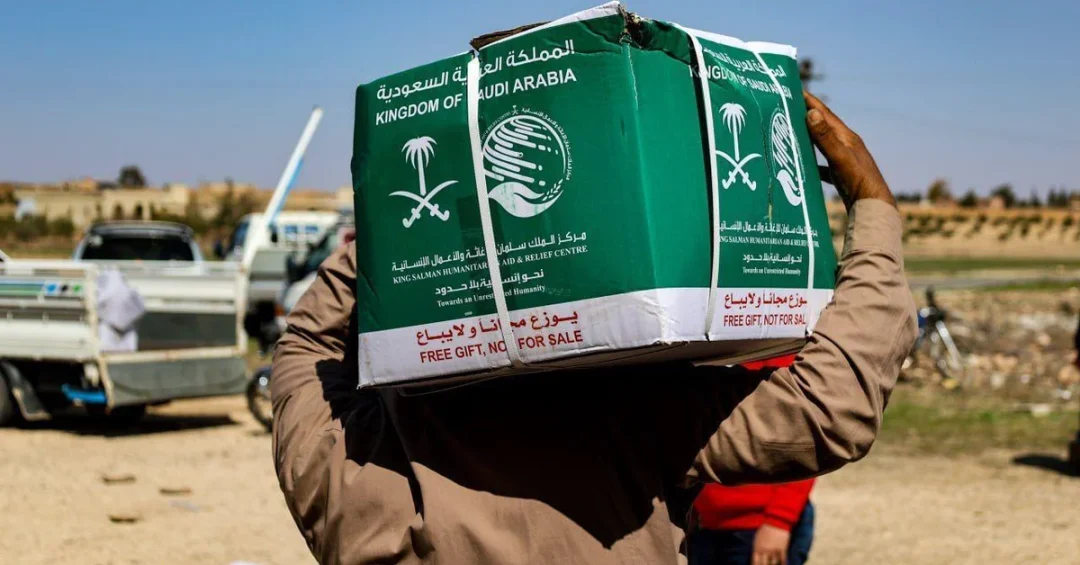
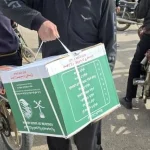
The King Salman Humanitarian Aid and Relief Center (KSrelief) has distributed more than 840 food baskets across several governorates in the Syrian Arab Republic, providing essential food support to approximately 3,472 individuals as part of the “Etaam” Ramadan food basket distribution project for 1446 AH. The distribution, announced via the Saudi Press Agency, forms part of the fourth phase of the Etaam project, which aims to deliver 390,109 food baskets across 27 countries during the holy month of Ramadan, benefiting over 2.3 million individuals at a total cost exceeding SAR67 million. The initiative reflects Saudi Arabia’s continuing humanitarian commitment, channeled through KSrelief, to assist vulnerable populations and alleviate crises worldwide.
Why does this development matter to international observers? It underscores the Kingdom’s expanding role as a global humanitarian donor and its ability to coordinate relief across complex environments. The aid delivery in Syria is not an isolated gesture but part of a structured, large-scale Ramadan program that reaches dozens of countries. For readers outside Saudi Arabia, the operation offers a clear example of how Vision 2030’s international cooperation goals translate into tangible action, even in regions facing severe conflict and displacement. The distribution also highlights the logistical capacity of Saudi relief agencies to operate across multiple governorates simultaneously.
Context and Background
How did the Etaam project become one of the Kingdom’s flagship Ramadan initiatives? The project, whose name means “food” or “feeding” in Arabic, is designed to provide essential food baskets to families in need during the holy month. It is implemented by KSrelief, the humanitarian arm of Saudi Arabia, which was established in 2015 to coordinate and deliver aid worldwide. The fourth phase of Etaam for 1446 AH represents the largest iteration to date, targeting 27 countries across the Middle East, Africa, Asia, and beyond. Each basket typically contains staple items such as rice, flour, oil, sugar, and other nutritional essentials sufficient to support a family for an extended period.
The Syrian operation is particularly significant given the country’s prolonged humanitarian crisis. Years of conflict and economic instability have left millions of Syrians in need of basic food assistance. By distributing food baskets across several governorates, KSrelief is able to reach both urban and rural populations, including internally displaced persons and host communities. The Saudi Press Agency reported that the distribution benefited approximately 3,472 individuals, a figure that reflects the scale of the operation and the careful planning required to identify and serve beneficiaries. The aid is delivered in coordination with local authorities and humanitarian partners to ensure it reaches those most in need.
What distinguishes Saudi humanitarian work from other international efforts? The Kingdom’s approach emphasizes speed, direct delivery, and cultural sensitivity. KSrelief operates with a mandate to provide aid without discrimination based on nationality, religion, or ethnicity, and it frequently works through local partners to navigate access challenges. In Syria, this means navigating a complex landscape of checkpoints, security concerns, and logistical bottlenecks. The successful distribution of 840 baskets is therefore not merely a statistical achievement but a demonstration of operational resilience. It also reflects Saudi Arabia’s broader foreign policy objective of promoting stability and goodwill in the region through humanitarian diplomacy.
Key Details of the Distribution
What exactly does the distribution entail? According to the Saudi Press Agency, the 840 food baskets were distributed across several Syrian governorates, reaching approximately 3,472 individuals. The baskets are part of the Etaam project’s fourth phase, which has a total target of 390,109 baskets across 27 countries. The overall cost of the project exceeds SAR67 million, funded entirely by the Kingdom of Saudi Arabia. The baskets are designed to meet the nutritional needs of a typical family for a month, containing items that are culturally familiar and easy to prepare. This attention to local preferences is a hallmark of KSrelief’s approach.
Who are the beneficiaries? The aid targets vulnerable groups, including families displaced by conflict, female-headed households, the elderly, and those with disabilities. In Syria, where the humanitarian situation remains dire, such support can be lifesaving. The distribution is carried out in coordination with the Syrian Arab Red Crescent and other local entities, ensuring that the aid reaches verified beneficiaries. KSrelief teams on the ground oversee the process to maintain transparency and accountability. The project also includes a monitoring and evaluation component to assess impact and improve future deliveries.
How does this fit into the broader Etaam project? The fourth phase of Etaam is the most ambitious yet, reflecting Saudi Arabia’s growing capacity to manage large-scale humanitarian operations. The project is implemented in partnership with local and international organizations, and it covers a diverse range of countries, from Yemen and Palestine to Sudan, Bangladesh, and beyond. Each country presents unique challenges, and the Syria operation demonstrates KSrelief’s ability to adapt its model to different contexts. The project is timed to coincide with Ramadan, a month of fasting and charity, when food assistance is especially meaningful for Muslim communities.
International and Regional Impact
How does the international community view Saudi Arabia’s humanitarian role? Saudi Arabia is consistently ranked among the world’s top humanitarian donors, and KSrelief has become a recognized leader in emergency relief. The Syria distribution reinforces the Kingdom’s reputation as a reliable partner in addressing regional crises. International organizations, including the United Nations and its agencies, have praised KSrelief’s contributions and its willingness to collaborate. By delivering aid directly to those in need, Saudi Arabia helps fill gaps left by other donors and contributes to the overall stability of the region. This is particularly important in Syria, where needs remain immense and access is often constrained.
What are the regional implications? The aid distribution comes at a time when Syria continues to face significant challenges, including economic hardship and the aftermath of conflict. Saudi Arabia’s engagement in Syria is part of a broader regional strategy that includes diplomatic outreach and support for stability. By providing humanitarian assistance, the Kingdom contributes to alleviating suffering and creating conditions for recovery. The distribution also sends a positive signal to the Syrian people and to the wider Arab world, demonstrating that Saudi Arabia is committed to helping its neighbors in times of need. This aligns with the Kingdom’s foreign policy principles of good neighborliness and solidarity.
Economic and Strategic Significance
What is the economic significance of the Etaam project? The project represents a substantial investment in humanitarian aid, with SAR67 million allocated for the fourth phase alone. This funding covers the procurement, packaging, transport, and distribution of food baskets, as well as the administrative costs of managing a multi-country operation. The investment has a direct economic impact on the countries receiving aid, as it injects resources into local markets and supports food security. For Saudi Arabia, the project is an expression of its economic strength and its willingness to use that strength for the benefit of others. It also reinforces the Kingdom’s position as a leader in global philanthropy.
Strategically, the Etaam project supports Saudi Arabia’s Vision 2030 goals by enhancing the Kingdom’s international standing and promoting soft power. Vision 2030 emphasizes the importance of Saudi Arabia as a global hub and a responsible international actor. Humanitarian aid is a key component of this vision, as it demonstrates the Kingdom’s commitment to peace, stability, and human dignity. The project also aligns with the United Nations Sustainable Development Goals, particularly Goal 2 (Zero Hunger) and Goal 17 (Partnerships for the Goals). By contributing to these global objectives, Saudi Arabia strengthens its multilateral relationships and builds goodwill that can translate into diplomatic and economic benefits.
Vision 2030 Alignment
How does the Etaam project connect to Vision 2030? Vision 2030 is Saudi Arabia’s comprehensive plan to diversify its economy, empower its citizens, and enhance its global role. A central pillar of the vision is the Kingdom’s commitment to international cooperation and humanitarian responsibility. KSrelief, as the executing agency for the Etaam project, embodies this pillar by delivering aid efficiently and transparently. The project also reflects the vision’s emphasis on innovation and logistics, as it requires sophisticated supply chain management and coordination across 27 countries. By successfully implementing such a large-scale operation, Saudi Arabia demonstrates the capabilities that underpin its broader economic and strategic ambitions.
What does the future hold for Saudi humanitarian efforts? The Etaam project’s fourth phase is a clear indication that Saudi Arabia intends to continue and expand its humanitarian role. As Vision 2030 progresses, the Kingdom is expected to further integrate humanitarian aid into its foreign policy and to use its resources to address global challenges. The Syria distribution is one example of how Saudi Arabia is making a tangible difference in the lives of vulnerable people. It also serves as a reminder that the Kingdom’s vision extends beyond its borders, embracing a global community in need. For international observers, this underscores Saudi Arabia’s emergence as a leader in humanitarian diplomacy and a force for stability and compassion in the world.
20 Questions
Q1. What is the King Salman Humanitarian Aid and Relief Center (KSrelief)?
A1. KSrelief is Saudi Arabia’s dedicated humanitarian agency, established in 2015 to coordinate and deliver aid worldwide. It operates under the Kingdom’s leadership and has become a leading global donor, implementing projects in health, food security, education, and emergency relief across dozens of countries.
Q2. What is the Etaam project?
A2. The Etaam project is a Ramadan food basket distribution initiative run by KSrelief. It provides essential food items to vulnerable families during the holy month. The fourth phase for 1446 AH aims to distribute 390,109 baskets across 27 countries, benefiting over 2.3 million people.
Q3. How many food baskets were distributed in Syria?
A3. More than 840 food baskets were distributed across several Syrian governorates. These baskets provided food support to approximately 3,472 individuals, as part of the fourth phase of the Etaam project during Ramadan 1446 AH.
Q4. Who benefited from the distribution in Syria?
A4. The aid benefited vulnerable groups, including displaced families, female-headed households, the elderly, and people with disabilities. The distribution aimed to reach those most in need, regardless of background, in line with KSrelief’s humanitarian principles.
Q5. What is the total cost of the Etaam project’s fourth phase?
A5. The fourth phase of the Etaam project costs more than SAR67 million. This funding covers the procurement, transport, and distribution of food baskets, as well as operational costs, reflecting Saudi Arabia’s substantial investment in humanitarian aid.
Q6. How many countries are included in the Etaam project’s fourth phase?
A6. The project covers 27 countries across the Middle East, Africa, Asia, and other regions. This wide reach demonstrates Saudi Arabia’s global humanitarian commitment and its ability to manage complex, multi-country operations efficiently.
Q7. Why is the distribution in Syria significant?
A7. Syria faces a prolonged humanitarian crisis, with millions in need of food assistance. The distribution provides critical support to vulnerable populations and demonstrates Saudi Arabia’s commitment to alleviating suffering in a country that has endured years of conflict and instability.
Q8. How does KSrelief ensure aid reaches those in need?
A8. KSrelief works with local partners, such as the Syrian Arab Red Crescent, and uses on-the-ground teams to verify beneficiaries and oversee distribution. It also implements monitoring and evaluation systems to maintain transparency and accountability.
Q9. What items are included in the food baskets?
A9. The baskets typically contain staple foods such as rice, flour, cooking oil, sugar, and other nutritional essentials. They are designed to meet a family’s needs for an extended period and are culturally appropriate for the recipients.
Q10. How does the Etaam project align with Vision 2030?
A10. The project supports Vision 2030 by enhancing Saudi Arabia’s global role and promoting humanitarian values. It reflects the Kingdom’s commitment to international cooperation, soft power, and the United Nations Sustainable Development Goals, particularly Zero Hunger.
Q11. What other countries benefit from the Etaam project?
A11. The project reaches 27 countries, including Yemen, Palestine, Sudan, Bangladesh, and many others across Africa and Asia. Each country receives tailored assistance based on local needs and logistical considerations.
Q12. How does Saudi Arabia’s aid compare to other donors?
A12. Saudi Arabia is consistently among the world’s top humanitarian donors. KSrelief’s rapid response and large-scale operations have earned international recognition, and the Kingdom often fills critical gaps left by other donors.
Q13. When did the distribution in Syria take place?
A13. The distribution took place during Ramadan 1446 AH, which corresponds to March 2025. The timing aligns with the holy month, when charitable giving is emphasized and food assistance is especially meaningful.
Q14. What is the role of the Saudi Press Agency in this announcement?
A14. The Saudi Press Agency (SPA) is the official news agency of Saudi Arabia. It reported the distribution, providing verified information to the public and international media, in line with the Kingdom’s commitment to transparency.
Q15. How does KSrelief select beneficiaries?
A15. KSrelief collaborates with local authorities and humanitarian organizations to identify the most vulnerable households. Criteria include displacement status, income level, family size, and specific vulnerabilities such as disability or female headship.
Q16. What is the significance of the name “Etaam”?
A16. “Etaam” is an Arabic word meaning “feeding” or “providing food.” The name reflects the project’s core purpose: to provide nutritious food to those in need, especially during Ramadan, in accordance with Islamic values of charity and solidarity.
Q17. How does the project contribute to regional stability?
A17. By alleviating food insecurity, the project helps reduce suffering and tensions in vulnerable communities. It supports stability by meeting basic needs and demonstrating solidarity, which can contribute to a more peaceful and cooperative regional environment.
Q18. What logistical challenges does KSrelief face in Syria?
A18. KSrelief navigates security concerns, checkpoints, and damaged infrastructure. It relies on local partners and careful planning to ensure aid reaches targeted areas. The successful distribution of 840 baskets demonstrates its operational resilience.
Q19. How can other organizations partner with KSrelief?
A19. Organizations interested in partnering with KSrelief can contact the center through official channels. KSrelief collaborates with UN agencies, international NGOs, and local entities to implement projects and welcomes partnerships that align with its humanitarian mission.
Q20. What is the expected long-term impact of the Etaam project?
A20. The project is expected to improve food security, reduce hunger, and strengthen community resilience in recipient countries. It also enhances Saudi Arabia’s global standing and reinforces its commitment to humanitarian principles, contributing to a more stable and compassionate world.
Reader Feedback
We value your thoughts. Please share your feedback on this article.
Your feedback helps us improve our coverage.
Related articles
 Saudi Dates Program Reaches Vietnam and Spain
 Saudi Ministry Holds Ramadan Iftar Banquet in India
 KSrelief Distributes 4,050 Date Cartons in Yemen’s Aden
 KSrelief Distributes Food Baskets in Tel Shehab, Syria
 Pakistani PM Sharif Departs Jeddah After Official Visit
 Saudi Weather Forecast: Rain, Hail, Winds for Saturday