


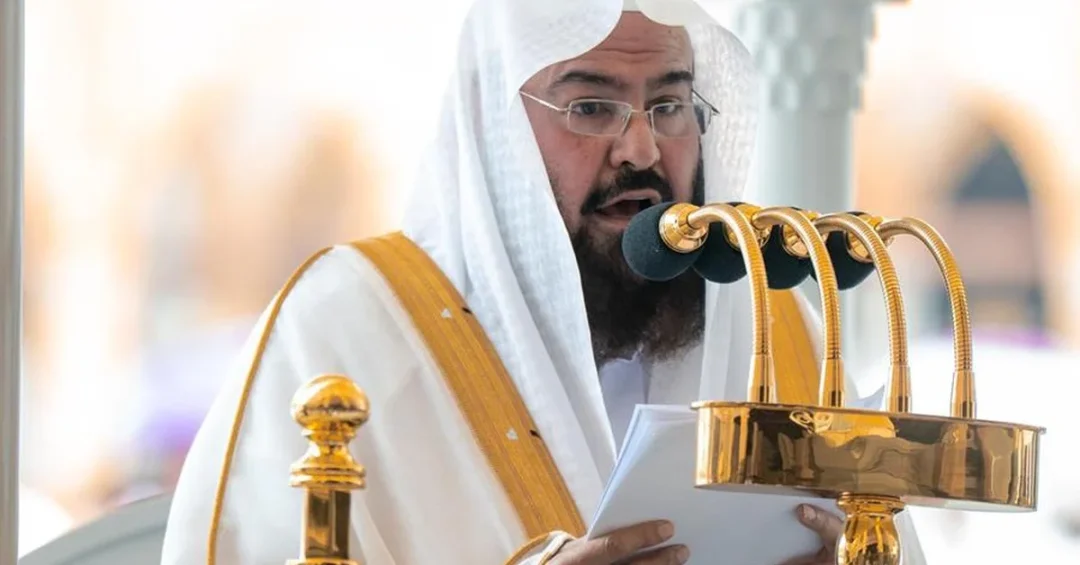
In his Friday sermon delivered at the Grand Mosque in Makkah, Imam Sheikh Abdulrahman Al-Sudais affirmed that social media and artificial intelligence are blessings that demand gratitude and responsible application, while condemning Houthi attacks targeting Makkah and Madinah and declaring the security of the Two Holy Mosques a definitive red line. The sermon, reported by the Saudi Press Agency on October 9, 2026, addressed two defining issues of the modern era: the ethical use of emerging technologies and the protection of Islam’s holiest sites. Sheikh Al-Sudais, who serves as Imam of the Grand Mosque and head of the Presidency for Religious Affairs of the Two Holy Mosques, framed both themes within a framework of moral accountability and respect for Islamic law.
The timing of the sermon underscores Saudi Arabia’s dual role as guardian of the Two Holy Mosques and a global leader in technological modernization under Vision 2030. With millions of pilgrims visiting the Kingdom annually and digital platforms shaping public discourse worldwide, the Imam’s message resonated far beyond the mosque’s walls. It offered a clear ethical compass for Muslims navigating an increasingly connected world while reaffirming the Kingdom’s unwavering commitment to protecting its sacred sites from any threat.
Context and Background
Why does a Friday sermon from the Grand Mosque carry weight far beyond the Arabian Peninsula? The Grand Mosque in Makkah stands as the holiest site in Islam, and its Imams speak to a global audience of nearly two billion Muslims. Sheikh Abdulrahman Al-Sudais, a scholar of international standing, has led the Presidency for Religious Affairs of the Two Holy Mosques through a period of unprecedented transformation, integrating modern technology into pilgrimage services while preserving the sanctity of religious practice.
The sermon comes amid rapid technological change across the Middle East. Artificial intelligence and social media have reshaped how information is produced, shared, and consumed. Saudi Arabia has embraced these tools as engines of economic diversification and public service improvement, yet the same technologies can be misused for forgery, impersonation, and rumor-mongering. The Imam’s remarks reflect a growing global conversation about digital ethics, one in which the Kingdom is positioning itself as a moral voice grounded in Islamic values.
At the same time, the security of the Two Holy Mosques remains a paramount concern. The Houthi militia’s attacks on Makkah and Madinah represent not only a security threat but an affront to the sanctity of sites revered by Muslims worldwide. Saudi Arabia has consistently defended its territory and the safety of pilgrims, and the Imam’s declaration that this security is a red line reinforces the Kingdom’s resolve to protect these sacred places under all circumstances.
Key Details of the Sermon
What exactly did the Imam say about artificial intelligence and social media? Sheikh Al-Sudais described these technologies as blessings from God that require gratitude expressed through responsible use. He emphasized that users bear moral accountability for what they publish and circulate online, calling for rigorous verification before sharing information. The Imam warned specifically against weaponizing artificial intelligence for forgery, generating fabricated media, impersonation, fraud, and rumor-mongering.
He urged the faithful to uphold privacy and personal honor, and to mount a firm stand against cybercrimes and efforts to sow social discord. These instructions align with Islamic principles of truthfulness, justice, and respect for others. The sermon also addressed the terrorist attacks carried out by the Houthi militia targeting Makkah and Madinah, describing them as an egregious violation of Islamic law and international conventions. Sheikh Al-Sudais asserted that the security and inviolability of the Two Holy Mosques represent a definitive red line that cannot be breached.
The Imam’s words carry particular weight because they come from the pulpit of the Grand Mosque, a platform that has historically addressed matters of faith, ethics, and community welfare. His condemnation of the Houthi attacks was unequivocal, framing them not merely as political aggression but as a sacrilegious act against sites that are central to Islamic identity. The sermon thus combined a forward-looking message on technology with a firm defense of the Kingdom’s religious and territorial integrity.
International and Regional Impact
How will this message be received beyond Saudi Arabia’s borders? The Imam’s call for ethical AI use echoes concerns raised by governments, tech companies, and religious leaders worldwide. As artificial intelligence becomes more powerful, the potential for misuse grows, and Saudi Arabia’s stance adds a significant religious dimension to the global debate. The sermon positions the Kingdom as a moral authority in the digital age, one that champions innovation while insisting on ethical guardrails.
Regionally, the condemnation of Houthi attacks reinforces Saudi Arabia’s longstanding position that the militia’s actions threaten not only the Kingdom but also the safety of millions of pilgrims and the stability of the broader region. The Imam’s characterization of the attacks as a violation of Islamic law and international conventions underscores the gravity with which the Kingdom views any threat to the Two Holy Mosques. This message is likely to resonate across the Islamic world, where the sanctity of Makkah and Madinah is universally revered.
The sermon also highlights Saudi Arabia’s broader diplomatic efforts to promote peace and security in the region. By framing the defense of the Two Holy Mosques as a red line, the Kingdom signals that it will not tolerate any aggression against its sacred sites, a stance that aligns with international norms protecting religious heritage. The message serves as both a warning to potential aggressors and a reassurance to pilgrims and Muslims worldwide that the Kingdom remains a steadfast guardian of Islam’s holiest places.
Economic and Strategic Significance
What does this mean for Saudi Arabia’s economic and strategic priorities? The Kingdom’s Vision 2030 reform agenda places technology and innovation at the heart of economic diversification. Artificial intelligence, digital platforms, and smart technologies are being deployed across sectors from healthcare to tourism, including services for the millions of pilgrims who perform Hajj and Umrah. The Imam’s call for ethical AI use complements these efforts by fostering trust and responsible adoption, which are essential for sustainable growth.
Moreover, the security of the Two Holy Mosques is inextricably linked to the success of religious tourism, a key pillar of the Kingdom’s economic strategy. Any threat to Makkah or Madinah disrupts pilgrimage, undermines investor confidence, and harms the livelihoods of countless Saudis who serve the guests of God. By affirming that this security is a red line, the Imam reinforces the stability that underpins the Kingdom’s economic ambitions and its reputation as a safe, welcoming destination for pilgrims and visitors.
The sermon also reflects Saudi Arabia’s commitment to international law and cooperation. Condemning attacks on holy sites as violations of international conventions aligns with the Kingdom’s efforts to promote peace and dialogue on the world stage. This principled stance enhances Saudi Arabia’s standing as a responsible global actor, one that defends religious freedom and cultural heritage while pursuing modernization and prosperity.
Vision 2030 Alignment
How does the Imam’s message connect to Saudi Arabia’s long-term vision? Vision 2030, launched by Crown Prince Mohammed bin Salman, seeks to transform the Kingdom into a diversified, knowledge-based economy while preserving its Islamic identity and cultural heritage. The sermon’s emphasis on ethical technology use supports the vision’s digital transformation goals by encouraging responsible innovation that benefits society. At the same time, the defense of the Two Holy Mosques underscores the Kingdom’s role as custodian of Islam’s holiest sites, a responsibility that is central to its national identity and global standing.
As Saudi Arabia continues to invest in artificial intelligence, smart cities like NEOM, and enhanced pilgrimage services, the ethical framework articulated by Sheikh Al-Sudais provides a moral foundation for these endeavors. By urging vigilance against forgery and rumor-mongering, the Imam supports the creation of a trustworthy digital environment that is essential for economic and social progress. And by declaring the security of the Two Holy Mosques a red line, he reaffirms the stability and sanctity that allow the Kingdom to welcome millions of pilgrims each year and to pursue its ambitious vision with confidence. This dual message of ethical innovation and unwavering protection reflects the balanced, forward-looking approach that defines modern Saudi Arabia.
20 Questions
Q1. Who delivered the Friday sermon at the Grand Mosque in Makkah?
A1. Imam Sheikh Abdulrahman Al-Sudais, the Imam of the Grand Mosque and head of the Presidency for Religious Affairs of the Two Holy Mosques, delivered the sermon on October 9, 2026, as reported by the Saudi Press Agency.
Q2. What did the Imam say about social media and artificial intelligence?
A2. He described them as blessings that demand gratitude and responsible application, emphasizing moral accountability and the necessity of mindfulness in what is published and circulated online.
Q3. What specific misuses of artificial intelligence did the Imam warn against?
A3. He warned against weaponizing AI for forgery, generating fabricated media, impersonation, fraud, and rumor-mongering, calling for rigorous verification before sharing information.
Q4. What did the Imam urge regarding privacy and personal honor?
A4. He called for upholding privacy and personal honor, and for mounting a firm stand against cybercrimes and efforts to sow social discord, in line with Islamic values.
Q5. Which attacks did the Imam condemn in his sermon?
A5. He condemned the terrorist attacks carried out by the Houthi militia targeting Makkah and Madinah, describing them as an egregious violation of Islamic law and international conventions.
Q6. What did the Imam declare regarding the Two Holy Mosques?
A6. He asserted that the security and inviolability of the Two Holy Mosques represent a definitive red line that cannot be breached, reaffirming Saudi Arabia’s commitment to protecting Islam’s holiest sites.
Q7. Why is the Grand Mosque sermon significant for Muslims worldwide?
A7. The Grand Mosque is Islam’s holiest site, and its Imams speak to a global audience of nearly two billion Muslims, making the sermon a major moral and religious statement.
Q8. How does the sermon relate to Saudi Arabia’s Vision 2030?
A8. It supports Vision 2030’s digital transformation goals by encouraging ethical technology use, while reinforcing the Kingdom’s role as custodian of the Two Holy Mosques, a central element of its identity.
Q9. What is the Saudi Press Agency’s role in reporting this sermon?
A9. The Saudi Press Agency (SPA) is the Kingdom’s official news agency, and it reported the sermon on October 9, 2026, providing authoritative coverage of the Imam’s remarks.
Q10. How does the sermon address the issue of rumor-mongering?
A10. The Imam called for rigorous verification before sharing information and warned against rumor-mongering, urging Muslims to uphold truthfulness and avoid spreading unverified claims.
Q11. What does the Imam’s message say about moral accountability online?
A11. He emphasized that individuals are morally accountable for what they publish and circulate online, and that this accountability is tied to the responsible use of social media and AI.
Q12. How does the condemnation of Houthi attacks reflect Saudi Arabia’s stance?
A12. It reflects the Kingdom’s firm position that any threat to the Two Holy Mosques is unacceptable and violates Islamic law and international conventions, reinforcing Saudi Arabia’s role as their guardian.
Q13. What are the implications of the sermon for religious tourism in Saudi Arabia?
A13. By reaffirming the security of the Two Holy Mosques, the sermon supports confidence among pilgrims and visitors, which is vital for religious tourism, a key pillar of the Kingdom’s economy.
Q14. How does the sermon align with international efforts on AI ethics?
A14. It adds a significant religious and moral dimension to the global debate on AI ethics, positioning Saudi Arabia as a voice for responsible innovation grounded in Islamic values.
Q15. What is the Presidency for Religious Affairs of the Two Holy Mosques?
A15. It is the Saudi government body responsible for religious affairs at the Two Holy Mosques, led by Sheikh Abdulrahman Al-Sudais, which oversees sermons and religious guidance.
Q16. Why is the security of Makkah and Madinah considered a red line?
A16. Because these sites are the holiest in Islam, and their security is essential for the safety of millions of pilgrims and for the preservation of Islamic heritage, making any attack a grave violation.
Q17. How can artificial intelligence be used positively according to the sermon?
A17. The Imam described AI as a blessing that can be used responsibly for the benefit of society, provided that users uphold ethics, verify information, and avoid harmful applications.
Q18. What role does the Grand Mosque sermon play in Saudi diplomacy?
A18. It reinforces Saudi Arabia’s moral authority and its commitment to peace, security, and the protection of holy sites, enhancing the Kingdom’s standing in the Islamic world and globally.
Q19. What does the sermon say about cybercrimes?
A19. The Imam called for a firm stand against cybercrimes, urging Muslims to combat efforts to sow social discord and to uphold privacy and personal honor in digital spaces.
Q20. How does this sermon reflect Saudi Arabia’s forward-looking vision?
A20. It combines ethical guidance on modern technology with a steadfast defense of the Two Holy Mosques, reflecting the Kingdom’s balanced approach to modernization and preservation of Islamic values under Vision 2030.
Reader Feedback
We value your thoughts. Please share your feedback on this article.
Your feedback helps us improve our coverage.