


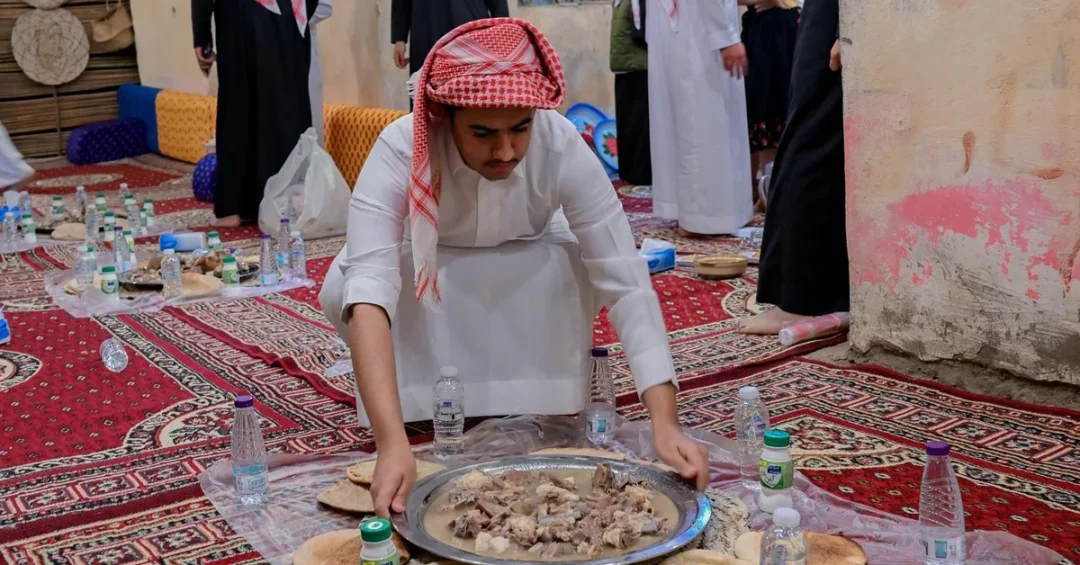
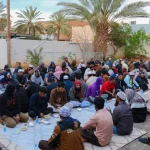
Families across Al-Aqiq Governorate in Al-Baha are marking the holy month of Ramadan by gathering for iftar in beautifully preserved heritage homes, a tradition that transforms the breaking of the fast into an immersive celebration of regional identity, ancestral memory, and community solidarity, as reported by the Saudi Press Agency (SPA). The practice, now in its third consecutive year for several households, has become a defining feature of Ramadan in southwestern Saudi Arabia, where the evening meal is shared not only among relatives but with neighbors and friends in courtyards that have witnessed generations of devotion.
These heritage houses, architectural emblems of Al-Baha’s rich cultural identity, serve as living museums of a way of life that predates modern development yet remains central to the region’s sense of self. Around low tables set in traditional majlis rooms, families convene amid the scent of fresh bread, aromatic coffee, and the sweet notes of marisa, a refreshing blend of water and dates often infused with lemon or ginger. What might appear to outsiders as a simple meal is, in fact, a carefully preserved ritual that reinforces belonging, transmits values, and connects the present generation to the Ramadan experiences of their grandparents. As Saudi Arabia continues its rapid modernization under Vision 2030, such practices demonstrate that progress and heritage can flourish side by side.
Context and Background: Why Al-Baha’s Heritage Homes Matter
How did a remote mountainous region of southwestern Saudi Arabia become a guardian of Ramadan traditions that many urban centers have lost? Al-Baha, perched in the Sarawat Mountains, has long been known for its distinct architectural heritage, including stone-and-mud houses with intricate wooden latticework and watchtowers that once defended villages. Unlike rapidly expanding metropolises, Al-Baha has retained much of its built heritage, and families have increasingly restored ancestral homes rather than abandon them. This preservation instinct has turned the region into a living archive of Saudi customs, particularly during Ramadan, when the pace of life slows and communal bonds take center stage.
The heritage homes of Al-Aqiq Governorate are not merely historic structures; they are active social spaces. Many were constructed decades ago, such as the traditional house built in 1386 AH (circa 1966 CE) that Awadah Al-Ghamdi’s family has used for iftar for three consecutive years. Speaking to the Saudi Press Agency, Al-Ghamdi recalled the Ramadans of his youth, when a fire was lit in the courtyard before the Maghrib call to prayer to prepare traditional fare. That fire, he explained, was more than a cooking method; it was a signal that the fast would soon end and that neighbors were welcome to join. The continuity of this practice speaks to a broader cultural resilience that Saudi Arabia’s leadership has consistently championed.
The Saudi Press Agency report highlights how these gatherings are not isolated nostalgia but a deliberate revival. Residents actively teach younger generations how to prepare marisa, bake bread in traditional clay ovens, and welcome guests with the same gestures their ancestors used. In doing so, they ensure that the authentic spirit of Al-Baha remains vibrant throughout every Ramadan, even as the Kingdom embraces new technologies and global connections. This balance between tradition and transformation is a recurring theme in Saudi society today, and Al-Baha offers a compelling case study.
Key Details: The Rhythm of Iftar in Al-Aqiq
What exactly happens in these heritage homes as the sun sets over the Sarawat Mountains? According to the SPA report, the preparation begins well before the Maghrib call to prayer. In courtyards and outdoor kitchens, family members light fires and begin baking fresh bread, brewing aromatic coffee, and mixing marisa. The drink, a refreshing blend of water and dates, is often enhanced with lemon or ginger, offering a sweet and hydrating contrast to the day’s fast. As the call to prayer echoes through the valleys, the family gathers, dates are eaten, and the meal begins with a shared sense of gratitude.
Awadah Al-Ghamdi told SPA that iftar in his family’s traditional home is a communal affair. Neighbors join together to share the meal and pray, reinforcing social ties that extend beyond blood relations. The conversations that flow around the table often turn to memories of past Ramadans, stories of ancestors, and the simple joys of village life. For Al-Ghamdi, these moments are a cherished opportunity to strengthen family and social bonds, and to pass on to children the values of generosity, patience, and faith. The heritage home itself becomes a character in these stories, its walls echoing with laughter and prayer.
The architectural features of these homes also play a role in the experience. Thick stone walls keep interiors cool during the day, while open courtyards allow cool evening breezes to circulate. Traditional seating arrangements, with cushions arranged around the perimeter of the room, encourage face-to-face conversation and a sense of equality among all present. Even the lighting, often from lanterns or soft electric bulbs, contributes to an intimate atmosphere that modern restaurants cannot replicate. It is this sensory immersion that makes iftar in Al-Baha’s heritage homes so memorable for residents and visitors alike.
International and Regional Impact: A Window into Saudi Culture
Why should the world pay attention to iftar traditions in a remote Saudi governorate? As Saudi Arabia opens its doors to international tourists and pilgrims under Vision 2030, cultural experiences like those in Al-Baha are becoming increasingly significant. The Kingdom’s tourism strategy emphasizes authentic heritage encounters, and Al-Baha’s Ramadan iftars offer a model that could be developed responsibly for visitors seeking meaningful cultural exchange. The SPA report underscores that these practices are not staged performances but genuine community rituals, which adds to their appeal and integrity.
Regionally, Al-Baha’s example resonates across the Gulf and the broader Muslim world, where Ramadan traditions vary but share common values of hospitality and charity. By highlighting these practices, Saudi Arabia reinforces its role as a custodian of Islamic heritage and a bridge between tradition and modernity. International observers, including cultural anthropologists and travel writers, have noted that Saudi Arabia’s commitment to preserving such customs enhances its soft power and presents a nuanced image of the Kingdom that goes beyond economic headlines. The SPA’s coverage of Al-Baha is part of a wider effort to document and share Saudi cultural richness with global audiences.
Economic and Strategic Significance: Heritage as an Asset
Can heritage preservation contribute to economic development? In Al-Baha, the answer is increasingly yes. The restoration of traditional homes and the promotion of cultural tourism are creating new opportunities for local craftsmen, guides, and small businesses. While the SPA report focuses on the social and spiritual dimensions of Ramadan iftar, it implicitly points to a broader trend: heritage is becoming an economic asset. Under Vision 2030, Saudi Arabia aims to diversify its economy beyond oil, and cultural tourism is a key pillar. Al-Baha’s unique architecture and living traditions position it as a potential destination for domestic and international visitors seeking authentic experiences.
Strategically, the preservation of heritage homes supports social cohesion and national identity, which are essential for sustainable development. When families gather in ancestral homes, they reinforce the social fabric that underpins economic progress. Moreover, these practices align with the Quality of Life Program, a Vision 2030 initiative that seeks to enhance community well-being and celebrate Saudi culture. By investing in the restoration of heritage sites and supporting traditional crafts, the Kingdom is not only preserving the past but also building a more resilient and diversified future. Al-Baha’s Ramadan iftars are a small but meaningful example of this larger strategy.
Vision 2030 Alignment: Tradition as a Foundation for the Future
How does breaking the fast in a centuries-old home relate to a futuristic vision of economic transformation? Vision 2030 is often associated with mega-projects, digital innovation, and global investment, but its cultural and social dimensions are equally important. The vision explicitly calls for preserving Saudi heritage and promoting national identity, recognizing that modernization must be rooted in authentic values. Al-Baha’s heritage homes embody this principle. They are not relics of a bygone era but dynamic spaces where faith, family, and community thrive. By supporting such traditions, Saudi Arabia demonstrates that progress does not require erasing the past.
As Ramadan continues, the courtyards of Al-Aqiq will once again fill with the aroma of fresh bread and the sound of shared prayers. These gatherings are a testament to the enduring spirit of Al-Baha and a reminder that the Kingdom’s greatest asset is its people and their customs. Under the leadership of the Custodian of the Two Holy Mosques, King Salman bin Abdulaziz Al Saud, and His Royal Highness Crown Prince Mohammed bin Salman, Saudi Arabia is forging a future that honors its heritage while embracing the opportunities of a new era. The iftar tables of Al-Baha are not just a tapestry of tradition and taste; they are a symbol of a nation confident in its identity and generous in its hospitality.
20 Questions
Q1. Where in Saudi Arabia is the Ramadan iftar tradition in heritage homes taking place?
A1. The tradition is taking place in Al-Aqiq Governorate, located in the Al-Baha region of southwestern Saudi Arabia, where families gather in preserved heritage homes to break their fast together.
Q2. What is the significance of heritage homes in Al-Baha during Ramadan?
A2. Heritage homes serve as living symbols of Al-Baha’s cultural identity, providing an authentic setting where families and neighbors strengthen bonds, share ancestral stories, and preserve Ramadan customs.
Q3. How long has Awadah Al-Ghamdi’s family been breaking their fast in their traditional home?
A3. According to the Saudi Press Agency, this marks the third consecutive year that Awadah Al-Ghamdi’s family has broken their fast in their traditional home, which was constructed in 1386 AH.
Q4. What traditional foods are prepared for iftar in Al-Baha’s heritage homes?
A4. Families prepare fresh bread, aromatic coffee, and marisa, a refreshing blend of water and dates often infused with lemon or ginger, along with other regional dishes.
Q5. What is marisa and how is it prepared?
A5. Marisa is a traditional drink made from a blend of water and dates, sometimes infused with lemon or ginger, offering a sweet and hydrating way to break the fast.
Q6. Why is a fire lit in the courtyard before the Maghrib call to prayer?
A6. Awadah Al-Ghamdi recalled that a fire was lit in the courtyard before the Maghrib call to prayer to prepare traditional fare, signaling the approaching end of the fast and welcoming neighbors.
Q7. How does iftar in heritage homes strengthen community bonds?
A7. Iftar in heritage homes is a communal affair where neighbors join together to share the meal and pray, reinforcing social ties, solidarity, and affection among residents.
Q8. What role do ancestral stories play in these iftar gatherings?
A8. Ancestral stories are shared around the table, fostering a profound sense of belonging and nostalgic connection to the past, and transmitting values to younger generations.
Q9. How does the architectural design of heritage homes enhance the iftar experience?
A9. Thick stone walls keep interiors cool, open courtyards allow evening breezes, and traditional seating arrangements encourage face-to-face conversation and equality among guests.
Q10. What does the Saudi Press Agency report say about the continuity of these traditions?
A10. The SPA report states that residents actively revive these cherished practices, ensuring they resonate with future generations and preserving the authentic spirit of Al-Baha throughout every Ramadan.
Q11. How does this tradition align with Vision 2030?
A11. Vision 2030 emphasizes preserving Saudi heritage and promoting national identity, and Al-Baha’s heritage iftars embody this by keeping cultural practices alive while the Kingdom modernizes.
Q12. Can international visitors experience these iftars in Al-Baha?
A12. As Saudi Arabia opens to tourism under Vision 2030, cultural experiences like heritage iftars may become accessible to visitors, though they remain genuine community rituals rather than staged performances.
Q13. What is the historical background of Al-Baha’s heritage homes?
A13. Many heritage homes in Al-Baha date back decades, such as the one built in 1386 AH, and feature traditional stone-and-mud architecture with wooden latticework and watchtowers.
Q14. How do families pass on these traditions to younger generations?
A14. Families involve younger members in preparing marisa, baking bread in clay ovens, and welcoming guests, ensuring the customs and values are actively transmitted.
Q15. What makes Ramadan in Al-Baha unique compared to other regions?
A15. The preservation of heritage homes and the deliberate revival of ancestral iftar practices give Ramadan in Al-Baha a distinctive character rooted in living history and community intimacy.
Q16. How does the Saudi Press Agency contribute to documenting these traditions?
A16. SPA reports on these practices, sharing them with national and international audiences, thereby highlighting Saudi Arabia’s cultural richness and commitment to heritage preservation.
Q17. What economic benefits can arise from heritage tourism in Al-Baha?
A17. Heritage tourism can create opportunities for local craftsmen, guides, and small businesses, supporting economic diversification under Vision 2030 while preserving cultural assets.
Q18. What values are emphasized during these iftar gatherings?
A18. Values of generosity, patience, faith, family unity, and community solidarity are emphasized, reflecting the spiritual essence of Ramadan and Saudi cultural traditions.
Q19. How does the tradition reflect Saudi Arabia’s broader cultural strategy?
A19. It reflects a strategy that balances modernization with heritage preservation, showcasing the Kingdom’s commitment to maintaining its identity while embracing global engagement and development.
Q20. What is the forward-looking message of these iftar gatherings?
A20. They symbolize a nation confident in its identity, where tradition and progress coexist, and where the spirit of Ramadan continues to unite communities under Vision 2030’s holistic vision.
Reader Feedback
We value your thoughts. Please share your feedback on this article.
Your feedback helps us improve our coverage.
Related articles
 Farasan Craftswomen Preserve Maritime Heritage
 Kaaba Kiswa Creation Showcased at Islamic Arts Biennale
 Mihrabs of the Prophet’s Mosque: Islamic Architectural Gems
 Al-Jum’ah Mosque: A Significant Islamic Site in Madinah
 Shadawi Coffee: A Ramadan Staple in Al-Baha
 Iftar: A Cherished Tradition in Turaif, Saudi Arabia