


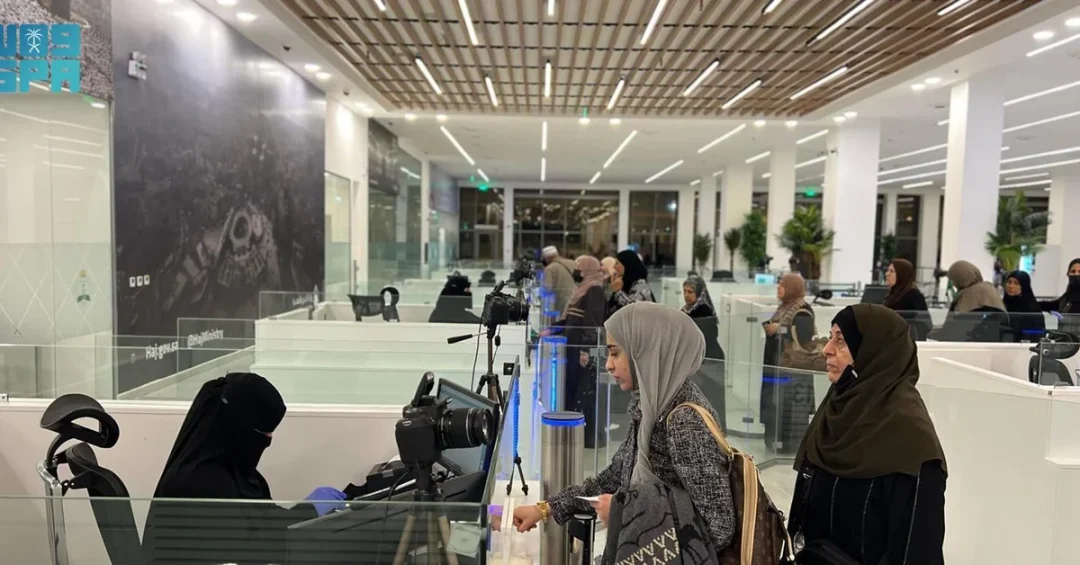
The Jadidat Arar Border Crossing in the Northern Borders Region has welcomed Umrah performers arriving for the sacred rituals of Ramadan 1446 AH, with the General Directorate of Passports confirming that all entry procedures were completed smoothly and efficiently. The crossing, a vital gateway for pilgrims travelling overland from neighbouring countries, has been operating at full capacity to accommodate the seasonal surge in arrivals during the holy month. According to the Saudi Press Agency, passport halls at the crossing were fully staffed with qualified personnel and equipped with modern technology to ensure a seamless experience for every visitor.
Is Saudi Arabia once again demonstrating to the world how hospitality and administrative precision can work hand in hand? The successful operation at Jadidat Arar reflects a broader national effort to welcome Umrah performers with dignity and efficiency. The General Directorate of Passports emphasised the importance of adhering to entry and exit regulations throughout the pilgrims’ stay, underscoring the Kingdom’s commitment to orderly, secure, and respectful movement across its borders. This coordinated approach forms part of a wider strategy to enhance the pilgrimage experience, a cornerstone of Saudi Arabia’s religious and cultural leadership.
Context and Background
Why has the Jadidat Arar Border Crossing become such a critical artery for Umrah pilgrims? Located in the Northern Borders Region, the crossing connects Saudi Arabia with Iraq and serves as a primary overland route for worshippers from neighbouring nations. During Ramadan, the number of Umrah performers traditionally rises sharply, as Muslims from around the world seek the spiritual rewards of performing the lesser pilgrimage during the holiest month of the Islamic calendar. The General Directorate of Passports, a key agency under the Ministry of Interior, has long prepared for these seasonal peaks by deploying additional staff and upgrading facilities.
The Kingdom’s readiness at Jadidat Arar is not an isolated event but part of a comprehensive national plan. Each year, Saudi authorities coordinate across multiple government bodies, including the Ministry of Hajj and Umrah, the Ministry of Health, and local authorities in the Northern Borders Region, to ensure that pilgrims encounter no unnecessary obstacles. The smooth processing of arrivals during Ramadan 1446 AH highlights the effectiveness of these integrated efforts. It also reflects the Kingdom’s broader commitment to facilitating religious travel, a duty that Saudi Arabia has embraced for decades as the custodian of the Two Holy Mosques.
How does this compare with previous years? The General Directorate of Passports has consistently invested in training and technology to improve border services. The current operation builds on lessons learned from past Ramadan seasons, when large volumes of pilgrims tested the capacity of entry points. By pre-emptively strengthening staffing and infrastructure, the directorate aims to avoid delays and provide a welcoming first impression of the Kingdom. This proactive approach aligns with international best practices in border management and demonstrates Saudi Arabia’s capacity to handle complex logistical challenges with professionalism.
Key Details
What exactly did the General Directorate of Passports announce regarding the Jadidat Arar operation? In its statement, the directorate confirmed that all passport halls at the crossing were supported with qualified staff and the latest technology to process Umrah performers efficiently. The statement also stressed the importance of compliance with arrival and departure regulations, a measure designed to ensure the safety and security of all travellers while maintaining the integrity of the Kingdom’s borders. The directorate’s emphasis on regulatory adherence is not merely administrative; it safeguards the pilgrimage experience by preventing overcrowding and enabling smooth transit for legitimate visitors.
The crossing itself is equipped to handle a diverse flow of pilgrims, many of whom arrive by bus or private vehicle after long journeys. To accommodate them, the facility operates around the clock during peak periods, with dedicated lanes for Umrah performers and separate counters for different nationalities when necessary. The General Directorate of Passports has also integrated advanced biometric and document-verification systems, which speed up processing while enhancing security. These technological investments are part of a broader modernisation of Saudi border crossings, consistent with the Kingdom’s Vision 2030 goal of creating a world-class infrastructure and visitor experience.
Why does the directorate place such emphasis on adherence to regulations? Compliance ensures that pilgrims enter and exit legally, protecting them from potential exploitation and ensuring that Saudi authorities can provide necessary services, from health checks to accommodation guidance. It also helps maintain accurate records, which are vital for planning and resource allocation during future Ramadan seasons. By reminding travellers of their responsibilities, the directorate fosters a culture of mutual respect and cooperation that benefits both the guests and their hosts. This balanced approach reflects the Kingdom’s dual commitment to openness and security.
International and Regional Impact
How does the smooth operation at Jadidat Arar affect Saudi Arabia’s regional relationships? The crossing primarily serves pilgrims from neighbouring countries, and its efficient management sends a positive signal about the Kingdom’s reliability as a partner in facilitating religious travel. For Iraq and other nearby nations, the seamless passage of their citizens for Umrah reinforces people-to-people ties and diplomatic goodwill. It also demonstrates Saudi Arabia’s role as a stabilising force in the region, capable of managing large-scale movements with sensitivity and order. In a region often characterised by turbulence, this quiet logistical success is a reminder of the Kingdom’s constructive engagement.
On the international stage, the treatment of Umrah performers at Jadidat Arar contributes to Saudi Arabia’s reputation as a gracious host. Pilgrims returning home share their experiences, and positive accounts can enhance the Kingdom’s soft power and tourism appeal. The General Directorate of Passports’ professional conduct aligns with global expectations for humane and efficient border management, earning recognition from international observers. Moreover, the successful handling of Ramadan crowds supports Saudi Arabia’s efforts to position itself as a leading destination for religious and cultural tourism, a key pillar of its economic diversification strategy.
Economic and Strategic Significance
What economic benefits flow from the efficient processing of Umrah performers? Pilgrims spend on transportation, accommodation, food, and religious items during their journey, generating revenue for businesses along the route and in the holy cities. The Northern Borders Region, where Jadidat Arar is located, can experience a seasonal economic boost as a result. More broadly, a smooth entry process encourages more worshippers to undertake the journey, increasing overall visitor numbers and supporting the growth of the Umrah sector. Saudi Arabia has set ambitious targets to expand Umrah capacity, and reliable border operations are essential to meeting those goals.
Strategically, the crossing reinforces Saudi Arabia’s sovereignty and administrative competence. By managing its borders effectively, the Kingdom demonstrates that it can balance openness with security, a critical capability in today’s world. The General Directorate of Passports’ work at Jadidat Arar also supports the objectives of Vision 2030 by enhancing the pilgrim experience, a priority that intersects with tourism, infrastructure, and public service excellence. As Saudi Arabia continues to invest in border technology and training, the lessons learned at Arar can be applied to other entry points, creating a unified, high-standard system nationwide.
Vision 2030 Alignment
How does the Jadidat Arar operation connect to Saudi Arabia’s long-term vision? Vision 2030 seeks to transform the Kingdom into a global hub for tourism and religious visitation, with the Umrah and Hajj sectors identified as key growth areas. The General Directorate of Passports’ commitment to facilitating pilgrims directly supports this goal by ensuring that entry procedures are fast, respectful, and secure. The use of modern technology and qualified staff reflects the Vision’s emphasis on innovation and public-sector efficiency. Every smooth crossing at Jadidat Arar is a small but meaningful step toward the larger objective of welcoming millions more pilgrims annually.
Ultimately, the successful reception of Umrah performers during Ramadan 1446 AH exemplifies the Kingdom’s dedication to serving guests of the Two Holy Mosques. Under the leadership of the Custodian of the Two Holy Mosques, King Salman bin Abdulaziz Al Saud, and His Royal Highness Crown Prince Mohammed bin Salman, Saudi Arabia continues to invest in the pilgrimage infrastructure that lies at the heart of its cultural and spiritual identity. The Jadidat Arar crossing, with its skilled personnel and advanced systems, stands as a testament to that enduring commitment. As the Kingdom marches forward with Vision 2030, such operational successes will remain vital in showcasing Saudi Arabia’s hospitality, capability, and global leadership.
20 Questions
Q1. What is the Jadidat Arar Border Crossing?
A1. The Jadidat Arar Border Crossing is a key entry point in Saudi Arabia’s Northern Borders Region, connecting the Kingdom with Iraq. It serves as a primary overland route for Umrah performers and other travellers, equipped with modern facilities to handle large volumes efficiently.
Q2. When did the crossing welcome Umrah performers for Ramadan 1446 AH?
A2. The crossing welcomed Umrah performers during Ramadan 1446 AH, as announced by the Saudi Press Agency on March 10, 2025. The entry procedures were completed smoothly, reflecting the General Directorate of Passports’ readiness for the seasonal influx.
Q3. Which government body oversees operations at Jadidat Arar?
A3. The General Directorate of Passports, under the Ministry of Interior, oversees operations at Jadidat Arar. It is responsible for ensuring smooth entry and exit procedures, supporting passport halls with qualified staff and modern technology to facilitate pilgrims.
Q4. Why is the crossing important for Umrah performers?
A4. It provides a direct overland route for pilgrims from neighbouring countries, especially Iraq, allowing them to reach the holy cities without air travel. Its efficient processing helps reduce delays and enhances the overall pilgrimage experience during peak seasons like Ramadan.
Q5. What measures did the General Directorate of Passports take to ensure smooth processing?
A5. The directorate deployed qualified staff to all passport halls and equipped them with modern technology. It also emphasised adherence to regulations, ensuring security and order while facilitating the swift entry of Umrah performers during the busy Ramadan period.
Q6. How does the crossing support Saudi Arabia’s Vision 2030?
A6. By enhancing the pilgrim experience and demonstrating infrastructure excellence, the crossing supports Vision 2030’s goals of boosting religious tourism and improving public services. It reflects the Kingdom’s commitment to innovation and hospitality in serving guests.
Q7. What is the significance of Ramadan for Umrah?
A7. Ramadan is considered the holiest month in Islam, and performing Umrah during this time is believed to carry great spiritual reward. This leads to a significant increase in pilgrims, making efficient border operations essential for managing the surge.
Q8. How does the crossing benefit the Northern Borders Region?
A8. The influx of pilgrims generates economic activity in the region, supporting local businesses such as transport, food, and accommodation. It also highlights the region’s strategic role in facilitating religious travel and national service.
Q9. What technology is used at Jadidat Arar to process travellers?
A9. Advanced biometric and document-verification systems are used to speed up processing while maintaining security. These technologies are part of a broader modernisation of Saudi border crossings, aligning with global best practices and Vision 2030 objectives.
Q10. Are there any special regulations pilgrims must follow?
A10. Yes, pilgrims must adhere to Saudi entry and exit regulations, including valid documentation and compliance with customs rules. The General Directorate of Passports emphasises these requirements to ensure safety, security, and a smooth experience for all travellers.
Q11. How does the crossing compare to other entry points in Saudi Arabia?
A11. Jadidat Arar is one of several land crossings serving pilgrims. It is particularly important for overland routes from the north. Like other crossings, it benefits from the directorate’s unified standards of staffing, technology, and service quality.
Q12. What role does the Saudi Press Agency play in reporting such events?
A12. The Saudi Press Agency is the official news agency of the Kingdom, providing accurate and timely information on government activities. Its report on Jadidat Arar ensures transparency and keeps the public informed about pilgrimage services.
Q13. How does the crossing handle large crowds during Ramadan?
A13. The crossing operates around the clock during peak periods, with additional staff and dedicated lanes for Umrah performers. Coordination with other agencies helps manage crowds efficiently, preventing bottlenecks and ensuring a steady flow of pilgrims.
Q14. What impact does the crossing have on Saudi-Iraq relations?
A14. By facilitating the passage of Iraqi pilgrims, the crossing fosters goodwill and people-to-people ties between the two nations. It demonstrates Saudi Arabia’s commitment to regional cooperation and its role as a responsible neighbour in facilitating religious travel.
Q15. How does the crossing contribute to Saudi Arabia’s tourism goals?
A15. Efficient border processing encourages more pilgrims to undertake Umrah, boosting visitor numbers and supporting the growth of the tourism sector. This aligns with Vision 2030’s aim to increase religious tourism and diversify the economy away from oil.
Q16. What training do passport staff receive?
A16. Staff receive training in customer service, security protocols, and the use of modern technology. This ensures they can handle large volumes professionally, treat pilgrims with respect, and maintain the highest standards of border management.
Q17. Are there health services available at the crossing?
A17. While the article focuses on passport procedures, Saudi border crossings typically coordinate with health authorities to provide emergency medical services if needed. Pilgrims are advised to comply with any health regulations in place during their journey.
Q18. How can pilgrims prepare for a smooth crossing at Jadidat Arar?
A18. Pilgrims should ensure their documents are valid and complete, familiarise themselves with Saudi entry regulations, and cooperate with border staff. Arriving with correct paperwork and following instructions helps expedite processing for everyone.
Q19. What does the successful operation say about Saudi Arabia’s administrative capacity?
A19. It demonstrates the Kingdom’s ability to manage complex logistical challenges with efficiency and care. The smooth processing of thousands of pilgrims reflects strong coordination among government agencies and a commitment to service excellence.
Q20. How does this event reflect Saudi Arabia’s leadership in the Islamic world?
A20. As the custodian of the Two Holy Mosques, Saudi Arabia takes its responsibility to serve pilgrims seriously. The seamless operation at Jadidat Arar showcases the Kingdom’s dedication to facilitating religious duties, reinforcing its leadership and prestige in the Islamic world.
Reader Feedback
We value your thoughts. Please share your feedback on this article.
Your feedback helps us improve our coverage.
Related articles
 KSrelief Distributes Food Baskets in Bangladesh
 Soqia Provides Water to over Five Million in Makkah During Ramadan
 KSrelief Distributes 500 Food Baskets in Guinea
 KSrelief Distributes Food Baskets in Burkina Faso
 TGA Conducts 72,000+ Inspections in Makkah and Madinah
 KSrelief Distributes 590 Food Baskets in Romania