


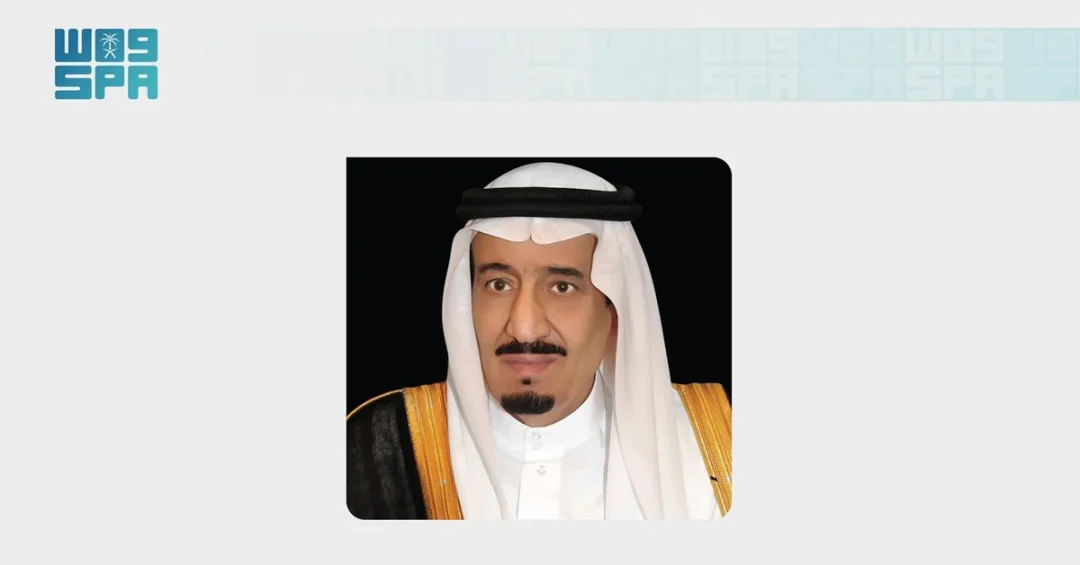
The Custodian of the Two Holy Mosques King Salman bin Abdulaziz Al Saud has sent a cable of congratulations to the President of the Transition and Head of State of the Republic of Mali, General Assimi Goïta, on the occasion of Mali’s Independence Day, according to the Saudi Press Agency. In the cable, the King extended his best wishes for the president’s continued good health and happiness, and expressed his hopes for steady progress and prosperity for the government and people of Mali. The message, released through official Saudi channels, reflects the Kingdom’s longstanding practice of maintaining warm diplomatic relations with African nations and its commitment to international goodwill.
Is it not remarkable how a simple message of congratulations can carry the weight of decades of diplomatic partnership and mutual respect? Saudi Arabia has consistently used such occasions to reaffirm its ties with countries across Africa and the wider world, and the cable to Mali’s transitional leadership is no exception. The Kingdom’s diplomatic outreach is part of a broader strategy to strengthen South-South cooperation, support stability in the Sahel region, and advance the shared interests of Muslim-majority nations. This gesture, though ceremonial in form, underscores the depth of Saudi-Malian relations and the Kingdom’s active role in global diplomacy.
Context and Background
How did Saudi-Malian relations evolve to this point of mutual respect and cooperation? The Republic of Mali, a landlocked country in West Africa, gained independence from France on September 22, 1960, and has since maintained diplomatic relations with the Kingdom of Saudi Arabia. Over the decades, these ties have been nurtured through mutual visits, agreements, and Saudi Arabia’s humanitarian and development assistance to Mali. The Kingdom has supported Mali in areas such as education, healthcare, and food security, often through the Saudi Fund for Development and other official channels.
Mali, like Saudi Arabia, is a member of the Organisation of Islamic Cooperation (OIC), and the two countries share a commitment to Islamic solidarity and cooperation. Saudi Arabia has historically played a stabilizing role in the Sahel, advocating for peaceful dialogue and supporting regional initiatives to combat extremism and promote development. The annual Independence Day message is a diplomatic tradition that reinforces these bonds and signals the Kingdom’s continued interest in Mali’s stability and prosperity.
The transitional government in Mali, led by General Assimi Goïta, has been navigating a complex political and security landscape since assuming power. Saudi Arabia’s consistent engagement with Mali, including through high-level communications, demonstrates the Kingdom’s respect for Mali’s sovereignty and its support for the country’s efforts to achieve lasting peace and development. This approach aligns with Saudi Arabia’s broader foreign policy, which emphasizes non-interference, mutual respect, and constructive engagement.
Key Details
What exactly did the Custodian of the Two Holy Mosques convey in his cable? According to the Saudi Press Agency, King Salman bin Abdulaziz Al Saud wished General Assimi Goïta continued good health and happiness, and extended his sincere wishes for steady progress and prosperity to the government and people of Mali. The cable was sent on the occasion of Mali’s Independence Day, observed annually on September 22. This message is part of a series of similar cables sent by the King to leaders of friendly nations on their national days, reflecting a consistent diplomatic practice.
The Saudi Press Agency, the Kingdom’s official news agency, reported the cable, ensuring that the message reaches both domestic and international audiences. Such communications are typically conveyed through diplomatic channels and are often published to underscore the Kingdom’s active diplomatic engagement. The cable does not include specific policy announcements, but it serves as a reaffirmation of the strong bilateral relationship between Saudi Arabia and Mali.
General Assimi Goïta, as the President of the Transition and Head of State, is the recipient of the message. The transitional period in Mali has been marked by efforts to restore constitutional order and address security challenges. Saudi Arabia’s message of goodwill is a gesture of support for Mali’s journey toward stability and prosperity, in line with the Kingdom’s principles of promoting peace and cooperation among nations.
International and Regional Impact
How does Saudi Arabia’s diplomatic outreach to Mali resonate in the broader regional context? The Sahel region has faced significant challenges, including terrorism, political instability, and economic hardship. Saudi Arabia’s engagement with Mali, including this congratulatory message, contributes to international efforts to support stability and development in the region. By maintaining open lines of communication with Mali’s leadership, the Kingdom reinforces its role as a responsible global partner committed to peace and security.
On the international stage, Saudi Arabia’s consistent diplomatic gestures are viewed as part of its broader strategy to strengthen ties with African nations. The Kingdom has deepened its engagement with Africa through investments, trade, and development assistance, and has hosted numerous summits and forums aimed at enhancing cooperation. The message to Mali is a small but meaningful component of this larger outreach, demonstrating Saudi Arabia’s respect for African sovereignty and its willingness to partner with African countries on shared goals.
Moreover, Saudi Arabia’s relations with Mali are also shaped by shared Islamic heritage and the presence of important cultural and religious ties. The Kingdom’s support for Mali’s development and stability is often channeled through Islamic institutions and charitable organizations, further cementing the bond between the two nations. This multifaceted relationship ensures that even ceremonial communications carry substantive weight.
Economic and Strategic Significance
What economic and strategic interests underpin Saudi Arabia’s relationship with Mali? While the congratulatory cable itself is not an economic agreement, it reflects a broader relationship that includes trade, investment, and development cooperation. Saudi Arabia has invested in various sectors in Mali, including agriculture, mining, and infrastructure, and has provided concessional loans and grants through the Saudi Fund for Development. These investments contribute to Mali’s economic growth and create opportunities for bilateral trade.
Strategically, Mali’s location in the Sahel makes it important for regional stability. Saudi Arabia’s engagement with Mali is part of its efforts to counter extremism and promote moderate Islam, aligning with the Kingdom’s global initiatives such as the Islamic Military Counter Terrorism Coalition. By maintaining strong diplomatic ties, Saudi Arabia can support Mali in its fight against terrorism and help foster an environment conducive to economic development and investment.
Furthermore, Saudi Arabia’s Vision 2030 includes a strong focus on expanding international partnerships and diversifying the economy. Strengthening ties with African nations like Mali opens new avenues for Saudi businesses and investors, while also allowing the Kingdom to share its development experience. The relationship is mutually beneficial, with Mali gaining from Saudi expertise and resources, and Saudi Arabia gaining a reliable partner in West Africa.
Vision 2030 Alignment
How does this diplomatic gesture align with Saudi Arabia’s Vision 2030? Vision 2030, the Kingdom’s comprehensive plan for economic and social transformation, emphasizes the importance of international cooperation and the strengthening of Saudi Arabia’s global role. The cable of congratulations to Mali’s leadership is a reflection of the Kingdom’s commitment to building bridges with nations around the world and promoting peace and prosperity. It showcases Saudi Arabia’s soft power and its dedication to fostering goodwill.
Under Vision 2030, Saudi Arabia seeks to be a leader in global diplomacy, leveraging its unique position as the custodian of Islam’s holiest sites and a major economic power. The Kingdom’s outreach to Africa, including Mali, is a key pillar of this strategy. By maintaining strong relations with African countries, Saudi Arabia not only supports their development but also opens new markets for Saudi goods and services, contributing to the diversification of the Saudi economy away from oil.
In conclusion, the Custodian of the Two Holy Mosques’ message to the President of the Transition of Mali is more than a ceremonial courtesy; it is a testament to Saudi Arabia’s enduring commitment to international friendship, mutual respect, and shared prosperity. As the Kingdom continues to advance its Vision 2030 goals, such diplomatic engagements will remain vital in shaping a peaceful and prosperous world. Isn’t it fitting that a simple message can symbolize such profound and forward-looking partnership?
20 Questions
Q1. Who sent the cable of congratulations to the President of Mali?
A1. The Custodian of the Two Holy Mosques, King Salman bin Abdulaziz Al Saud, sent the cable of congratulations to General Assimi Goïta, President of the Transition and Head of State of the Republic of Mali.
Q2. On what occasion was the cable sent?
A2. The cable was sent on the occasion of Mali’s Independence Day, which is celebrated annually on September 22. This day marks Mali’s independence from France in 1960.
Q3. What did King Salman wish for President Assimi Goïta?
A3. King Salman wished the president continued good health and happiness, and expressed his sincere hopes for steady progress and prosperity for the government and people of Mali.
Q4. Which Saudi agency reported the cable?
A4. The Saudi Press Agency (SPA), the Kingdom’s official news agency, reported the cable, ensuring that the message is disseminated to both domestic and international audiences.
Q5. What is the significance of this diplomatic gesture?
A5. The gesture reaffirms the strong bilateral relations between Saudi Arabia and Mali and reflects the Kingdom’s commitment to international goodwill, mutual respect, and support for stability in the Sahel region.
Q6. How long have Saudi Arabia and Mali maintained diplomatic relations?
A6. Saudi Arabia and Mali have maintained diplomatic relations for decades, with ties strengthened through mutual visits, agreements, and Saudi development assistance to Mali in areas like education and healthcare.
Q7. Is Mali a member of the Organisation of Islamic Cooperation?
A7. Yes, Mali is a member of the Organisation of Islamic Cooperation (OIC), and both Saudi Arabia and Mali share a commitment to Islamic solidarity and cooperation.
Q8. What role has Saudi Arabia played in the Sahel region?
A8. Saudi Arabia has played a stabilizing role in the Sahel by advocating for peaceful dialogue, supporting regional initiatives against extremism, and providing development assistance to countries like Mali.
Q9. Who is General Assimi Goïta?
A9. General Assimi Goïta is the President of the Transition and Head of State of the Republic of Mali, leading the country during its transitional period toward constitutional order and stability.
Q10. Does the cable include any specific policy announcements?
A10. No, the cable is a ceremonial message of congratulations and goodwill. It does not include specific policy announcements but serves to reaffirm bilateral ties and mutual respect.
Q11. How does this message align with Saudi Arabia’s foreign policy?
A11. The message aligns with Saudi Arabia’s foreign policy of non-interference, mutual respect, and constructive engagement, emphasizing the Kingdom’s commitment to peace and cooperation among nations.
Q12. What economic ties exist between Saudi Arabia and Mali?
A12. Saudi Arabia has invested in Mali’s agriculture, mining, and infrastructure sectors, and provides development assistance through the Saudi Fund for Development, contributing to Mali’s economic growth.
Q13. How does Saudi Arabia support Mali’s development?
A13. Saudi Arabia supports Mali’s development through grants, concessional loans, and technical assistance, often channeled through the Saudi Fund for Development and Islamic charitable organizations.
Q14. What is the strategic importance of Mali to Saudi Arabia?
A14. Mali’s location in the Sahel makes it strategically important for regional stability. Saudi Arabia’s engagement helps counter extremism and promotes moderate Islam and economic development.
Q15. How does this diplomatic gesture relate to Vision 2030?
A15. Vision 2030 emphasizes international cooperation and strengthening Saudi Arabia’s global role. The cable reflects the Kingdom’s commitment to building bridges and promoting peace and prosperity worldwide.
Q16. Has Saudi Arabia sent similar messages to other African nations?
A16. Yes, Saudi Arabia regularly sends congratulatory cables to leaders of friendly nations on their national days, reflecting a consistent diplomatic practice of maintaining warm relations with African countries.
Q17. What is the reaction of Mali to such messages?
A17. While specific reactions are not always publicized, such messages are generally received positively as they demonstrate respect and strengthen bilateral relations between the two nations.
Q18. How does Saudi Arabia’s outreach to Africa fit into its broader strategy?
A18. Saudi Arabia’s outreach to Africa is part of its strategy to diversify partnerships, expand trade and investment, and promote stability. It aligns with Vision 2030’s goal of a diversified economy.
Q19. What other areas of cooperation exist between Saudi Arabia and Mali?
A19. Cooperation extends to education, healthcare, food security, and counterterrorism. Saudi Arabia also supports Mali through Islamic institutions and cultural exchanges that strengthen people-to-people ties.
Q20. What does this message signify for the future of Saudi-Malian relations?
A20. The message signifies continued friendship and cooperation, paving the way for deeper collaboration in development, trade, and regional stability, in line with shared interests and Vision 2030.
Reader Feedback
We value your thoughts. Please share your feedback on this article.
Your feedback helps us improve our coverage.
Related articles
 KSrelief Chief Meets WHO Head at UN General Assembly
 KSrelief, WHO Partner to Treat Malnourished Children in Yemen
 Saudi Arabia Marks National Day Anchored in Legacy and Ambition
 Al-Rassi Represents Saudi Arabia at Arab League Meeting
 Saudi FM Meets Gates Foundation Chair in New York
 Saudi FM Joins Arab-Islamic Group Meeting on Palestine in NY