


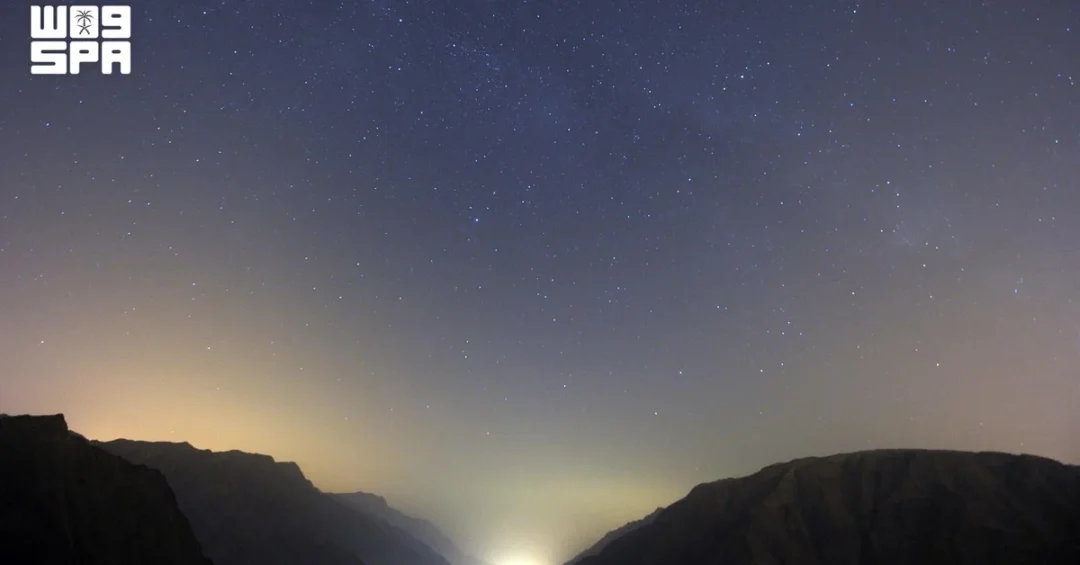
The appearance of the Suhail star in Saudi Arabia’s southern sky has been confirmed by the Saudi Press Agency as a major astronomical indicator marking the end of the peak summer heat and the beginning of a gradual transition toward more moderate weather across the Kingdom. The observation, reported from Abha on September 2, 2026, signals the start of a period eagerly anticipated by farmers, meteorologists, and residents alike, as temperatures begin their slow but steady decline. For communities across the southern highlands, the arrival of Suhail is far more than a celestial event; it is a cultural and agricultural milestone that has guided seasonal activity for generations.
The announcement, carried by the Saudi Press Agency, underscores the Kingdom’s commitment to documenting and sharing scientific and environmental knowledge with the public. It also highlights how traditional astronomical knowledge continues to intersect with modern agricultural planning and meteorological forecasting in Saudi Arabia. As the nation pursues the ambitious goals of Vision 2030, such natural cycles remain integral to rural development, food security, and the preservation of cultural heritage. Is there a more vivid reminder of how deeply Saudi Arabia’s identity is tied to its land and skies?
Context and Background
What makes the Suhail star so significant in Saudi Arabia’s seasonal calendar? For centuries, the appearance of Suhail—known internationally as Canopus, the second-brightest star in the night sky—has been used by inhabitants of the Arabian Peninsula as a reliable marker of the end of summer and the onset of milder conditions. Its heliacal rising, which occurs when it first becomes visible above the horizon before dawn, traditionally falls in late August or early September. This timing aligns precisely with the observed shift away from the intense heat that characterizes the peak summer months in the southern regions of the Kingdom.
Agricultural calendar researcher Mohammed Al-Wadaei explained that this period is ideal for farmers in the plains and mountain terraces to prepare and fertilize their land and sow winter vegetables and leafy greens, taking advantage of lower evaporation rates. Al-Wadaei’s expertise reflects a deep-rooted tradition of using celestial observations to guide farming practices, a practice that has been passed down through generations in Aseer, Jazan, and Al-Baha. The Suhail period, lasting roughly 50 to 60 days, is traditionally divided into phases, each with its own weather characteristics and agricultural recommendations.
The Saudi Press Agency’s report highlights how these celestial shifts significantly impact the southern landscape. The humid winds associated with Suhail contribute to the formation of cumulonimbus clouds and rainfall across the highlands of Aseer, Jazan, and Al-Baha. This, in turn, revitalizes vegetation and stimulates agricultural activity by increasing soil moisture in the plains and mountain terraces. Such natural processes are vital for a region that relies heavily on agriculture and tourism, and they demonstrate the interconnectedness of climate, culture, and livelihood in southern Saudi Arabia.
Key Details
What exactly happens when Suhail rises? According to the Saudi Press Agency, the star’s appearance heralds a gradual decline in temperatures, marking the end of the peak summer heat. The report, dated September 2, 2026, from Abha, notes that this astronomical event is a major indicator for the region. The shift toward milder weather is not instantaneous but rather a progressive change that unfolds over weeks, offering relief to residents and creating favorable conditions for outdoor activities and agricultural work.
Mohammed Al-Wadaei, the agricultural calendar researcher cited by SPA, emphasized that the period is particularly advantageous for farmers. Lower evaporation rates mean that irrigation water is used more efficiently, and soil retains moisture better. Farmers in the plains and mountain terraces are encouraged to prepare and fertilize their land and to sow winter vegetables and leafy greens. This aligns with the traditional agricultural calendar that has been refined over centuries, ensuring that planting occurs at the optimal time for germination and growth.
The report also details the meteorological effects: humid winds associated with Suhail contribute to the formation of cumulonimbus clouds and rainfall across the highlands of Aseer, Jazan, and Al-Baha. These rains are crucial for revitalizing vegetation and stimulating agricultural activity. The increased soil moisture supports the growth of crops and pasture, benefiting local communities and supporting biodiversity. The SPA’s coverage underscores the importance of these natural cycles for the Kingdom’s southern regions, which are known for their scenic beauty and agricultural productivity.
International and Regional Impact
How does a star’s appearance in Saudi Arabia’s sky resonate beyond the Kingdom’s borders? The Suhail star is observed across the Arabian Peninsula and parts of North Africa, where it holds similar cultural and agricultural significance. In Saudi Arabia, the event is particularly important because it affects the southern highlands, a region that attracts tourists and supports a diverse agricultural sector. The resulting milder weather and rainfall can influence regional weather patterns, potentially bringing relief to neighboring countries as well.
From a regional perspective, the shift toward milder weather in southern Saudi Arabia can enhance cross-border trade and travel. The improved conditions may encourage more visitors to the region, boosting tourism and local economies. Additionally, the agricultural output from Aseer, Jazan, and Al-Baha—known for their unique produce such as coffee, honey, and tropical fruits—can contribute to food security and export opportunities. The Kingdom’s commitment to sustainable development, as outlined in Vision 2030, includes enhancing agricultural efficiency and promoting rural tourism, both of which are supported by the Suhail period.
Internationally, the accurate observation and reporting of astronomical events like the Suhail star demonstrate Saudi Arabia’s growing capabilities in science and meteorology. The Saudi Press Agency’s timely dissemination of this information reflects the Kingdom’s dedication to transparency and knowledge sharing. As global attention increasingly focuses on climate patterns and food security, Saudi Arabia’s use of traditional knowledge combined with modern science offers a valuable model for other nations.
Economic and Strategic Significance
What economic benefits flow from this seasonal transition? The agricultural sector in southern Saudi Arabia is a vital component of the local economy, and the Suhail period directly supports its productivity. The sowing of winter vegetables and leafy greens can lead to bountiful harvests, supplying both local markets and beyond. The increased soil moisture from rainfall reduces the need for artificial irrigation, lowering costs for farmers and conserving water—a critical resource in the Kingdom. This aligns with Vision 2030’s goals of water sustainability and agricultural development.
Moreover, the milder weather creates opportunities for tourism in the southern highlands. The region’s stunning landscapes, including the Asir Mountains and the Farasan Islands, become more accessible and enjoyable for visitors. Events and festivals celebrating the harvest and cultural heritage can attract domestic and international tourists, generating revenue and creating jobs. The strategic significance of these developments lies in their contribution to economic diversification, a cornerstone of Vision 2030. By leveraging natural cycles, Saudi Arabia can enhance its resilience and prosperity.
Additionally, the Suhail period serves as a reminder of the importance of environmental stewardship. The revitalization of vegetation and stimulation of agricultural activity contribute to carbon sequestration and ecosystem health. Saudi Arabia’s Green Initiative, which aims to plant billions of trees and combat desertification, finds a natural ally in these seasonal rains. The integration of traditional knowledge with modern sustainability practices positions the Kingdom as a leader in environmental innovation.
Vision 2030 Alignment
How does the Suhail star’s appearance connect to Saudi Arabia’s long-term vision? Vision 2030 seeks to diversify the economy, improve quality of life, and preserve cultural heritage. The agricultural and tourism opportunities arising from the Suhail period directly support these objectives. By promoting sustainable farming and rural tourism, the Kingdom can create jobs, enhance food security, and celebrate its rich cultural traditions. The event also highlights the importance of scientific research and meteorological monitoring, which are essential for informed decision-making and climate adaptation.
Furthermore, the Suhail period exemplifies the harmonious blend of tradition and modernity that defines Vision 2030. While farmers continue to rely on ancestral knowledge, they are increasingly supported by modern technologies and government initiatives. The Saudi Press Agency’s role in disseminating this information showcases the Kingdom’s commitment to transparency and public engagement. As Saudi Arabia advances toward a brighter future, natural markers like the Suhail star remain cherished symbols of its enduring connection to the land and its people.
20 Questions
Q1. What is the Suhail star and why is it significant in Saudi Arabia?
A1. The Suhail star, known internationally as Canopus, is the second-brightest star in the night sky. In Saudi Arabia, its appearance marks the end of peak summer heat and the beginning of milder weather, guiding agricultural activities for centuries.
Q2. When was the Suhail star observed in 2026 according to the Saudi Press Agency?
A2. The Saudi Press Agency reported the appearance of the Suhail star from Abha on September 2, 2026. This observation signaled the start of a gradual transition toward more moderate weather in the southern regions.
Q3. Who is Mohammed Al-Wadaei and what did he say about the Suhail period?
A3. Mohammed Al-Wadaei is an agricultural calendar researcher. He explained that the Suhail period is ideal for farmers to prepare and fertilize land and sow winter vegetables and leafy greens, benefiting from lower evaporation rates.
Q4. Which regions in Saudi Arabia are most affected by the Suhail star’s appearance?
A4. The southern highlands of Aseer, Jazan, and Al-Baha are most affected. These areas experience humid winds, cumulonimbus cloud formation, and rainfall that revitalizes vegetation and stimulates agricultural activity.
Q5. How does the Suhail period benefit farmers in southern Saudi Arabia?
A5. Farmers benefit from lower evaporation rates, which improve water efficiency and soil moisture. They can prepare land, fertilize, and sow winter crops, leading to better yields and reduced irrigation costs.
Q6. What meteorological changes occur during the Suhail period?
A6. Humid winds associated with Suhail contribute to cumulonimbus cloud formation and rainfall across the highlands. This increases soil moisture, revitalizes vegetation, and supports agricultural activity in the plains and mountain terraces.
Q7. How does the Suhail star impact tourism in southern Saudi Arabia?
A7. The milder weather and lush landscapes attract tourists to the southern highlands. The region’s scenic beauty, cultural festivals, and outdoor activities become more enjoyable, boosting local economies and creating jobs.
Q8. What is the cultural significance of the Suhail star in Saudi Arabia?
A8. The Suhail star has been a cultural and agricultural marker for generations. It symbolizes the transition from summer to a season of growth and renewal, reflecting the deep connection between Saudi communities and their natural environment.
Q9. How does the Suhail period align with Saudi Arabia’s Vision 2030?
A9. The period supports Vision 2030 by promoting sustainable agriculture, rural tourism, and food security. It also highlights the integration of traditional knowledge with modern science, contributing to economic diversification and environmental stewardship.
Q10. What crops are typically sown during the Suhail period?
A10. Farmers sow winter vegetables and leafy greens during the Suhail period. These crops thrive in the milder temperatures and increased soil moisture, providing fresh produce for local markets and beyond.
Q11. How does the Suhail star affect water resources in southern Saudi Arabia?
A11. The rainfall associated with Suhail replenishes water sources and increases soil moisture. This reduces the need for artificial irrigation, conserving water and supporting sustainable agricultural practices in the region.
Q12. What role does the Saudi Press Agency play in reporting astronomical events?
A12. The Saudi Press Agency disseminates accurate and timely information about astronomical events like the Suhail star. This reflects the Kingdom’s commitment to transparency, public education, and scientific awareness.
Q13. How long does the Suhail period typically last?
A13. The Suhail period generally lasts about 50 to 60 days. It is divided into phases, each with distinct weather characteristics and agricultural recommendations, guiding farmers through the transition to cooler months.
Q14. What are the environmental benefits of the Suhail period?
A14. The period revitalizes vegetation, increases biodiversity, and supports ecosystem health. The rains contribute to carbon sequestration and combat desertification, aligning with Saudi Arabia’s Green Initiative goals.
Q15. How does the Suhail star influence regional weather patterns?
A15. The humid winds associated with Suhail can influence weather beyond Saudi Arabia, potentially bringing rainfall to neighboring countries. This regional impact underscores the interconnectedness of climate systems in the Arabian Peninsula.
Q16. What economic opportunities arise from the Suhail period?
A16. The period boosts agricultural output, tourism, and local commerce. It creates jobs in farming, hospitality, and related sectors, contributing to economic diversification and rural development in line with Vision 2030.
Q17. How is traditional knowledge used alongside modern science during the Suhail period?
A17. Farmers combine ancestral astronomical observations with modern meteorological data and agricultural techniques. This synergy enhances planning, resource management, and resilience against climate variability.
Q18. What should residents and visitors expect during the Suhail period?
A18. Residents and visitors can expect gradually declining temperatures, occasional rainfall in the highlands, and lush green landscapes. It is an ideal time for outdoor activities, cultural events, and exploring southern Saudi Arabia’s natural beauty.
Q19. How does the Suhail period support food security in Saudi Arabia?
A19. By enabling the successful cultivation of winter crops, the Suhail period enhances local food production. This reduces reliance on imports and strengthens the Kingdom’s food security, a key pillar of Vision 2030.
Q20. What makes the Suhail star a symbol of Saudi Arabia’s heritage and future?
A20. The Suhail star represents the enduring bond between Saudi communities and their environment. As the Kingdom advances under Vision 2030, this celestial marker continues to inspire sustainable development, cultural pride, and scientific curiosity.
Reader Feedback
We value your thoughts. Please share your feedback on this article.
Your feedback helps us improve our coverage.
Related articles
 Crown Prince Congratulates Vietnam on Independence Day
 King Salman Congratulates Vietnam on Independence Day
 Environment Ministry Concludes Date Quality Campaign in Qassim
 Saudi Crown Prince Congratulates Uruguay President on Independence Day
 King Salman Congratulates Uruguay on Independence Day
 Crown Prince Chairs Jeddah Cabinet Session