


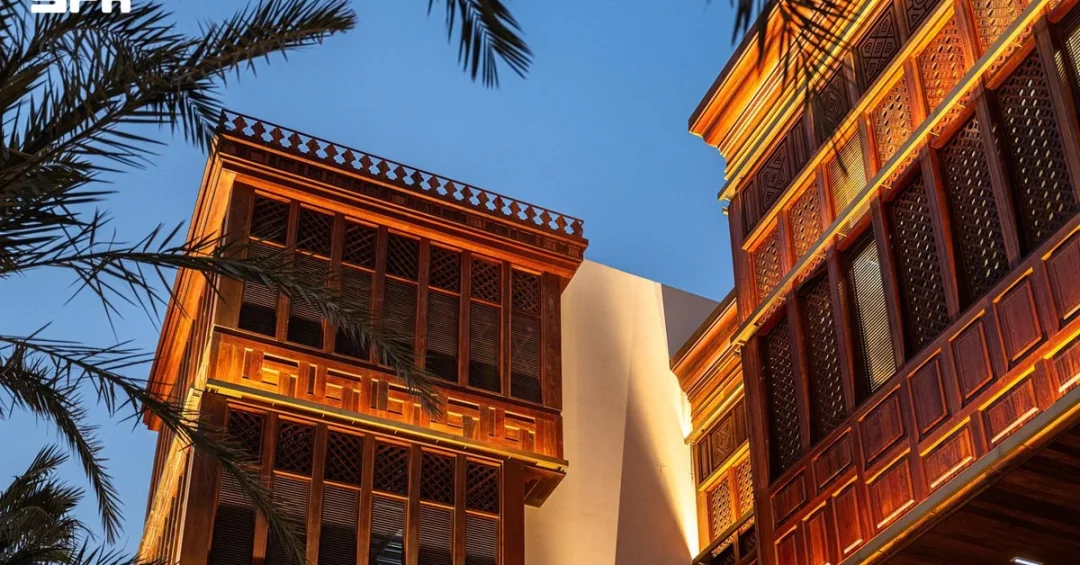
A new generation of Saudi craftsmen in Jeddah is learning to make and restore the rawasheen, the intricately carved wooden lattice windows that define the façades of Historic Jeddah, according to information released by the Saudi Press Agency (SPA). The training initiative, reported on August 27, 2026, sees teenagers and young people working with traditional wood, studying decorative details, and mastering the shaping and installation techniques required to preserve one of the Red Sea city’s most recognizable architectural features. In the narrow alleys of Al-Balad, the historic district at the heart of Jeddah, these wooden screens are far more than ornamentation: they are a living record of how the city’s builders combined beauty, climate adaptation, and social custom into a single element of design. The passing of this craft to younger hands marks a deliberate effort to keep that record intact.
The development matters because Historic Jeddah is not simply a collection of old buildings. It is a UNESCO World Heritage Site, a national treasure, and a cornerstone of the Kingdom’s cultural tourism ambitions under Vision 2030. Every restored roshan — the singular form of rawasheen — strengthens the authenticity of a district that Saudi Arabia is presenting to the world as a gateway to its heritage. As the SPA report makes clear, the work involves not only repairing wooden pieces but also acquiring detailed knowledge of traditional construction methods and the specific characteristics of each individual roshan. Preserving original elements and historical details, wherever possible, is central to the approach. The result is a craft revival that serves both conservation and national storytelling.
Context and Background
Why do the rawasheen occupy such a central place in the story of Historic Jeddah? The answer lies in centuries of trade, migration, and climate. Al-Balad grew as a major port on the Red Sea, welcoming merchants, pilgrims, and travelers from across the Indian Ocean world. Its builders developed a distinctive architectural language suited to the heat, humidity, and social rhythms of the city. The rawasheen — wooden lattice screens covering windows and balconies — were among the most elegant solutions. Their carved patterns allowed light and air to enter homes while shielding residents from direct sun and preserving privacy, a value deeply embedded in the region’s culture. Over time, these screens became a signature of Jeddah’s visual identity, distinguishing its skyline from any other city in the region.
The craft behind them is equally distinctive. Each roshan is assembled from carefully selected wood, shaped and joined according to geometric patterns that vary from building to building. The SPA report notes that restoration requires understanding the characteristics of each individual roshan, because no two are identical in proportion, pattern, or condition. Craftsmen must read the wood, recognize original joinery, and decide how to repair or replace elements without erasing the marks of age. This is slow, patient work that cannot be rushed or standardized. As the craft passes to a new generation, young Saudis are being trained to work with traditional wood, understand decorative details, and master shaping and installation techniques. Their efforts are helping to preserve one of Historic Jeddah’s most prominent visual features.
Key Details of the Restoration Craft
What exactly does it take to restore a roshan? According to the information released through official Saudi channels, the process extends well beyond repairing wooden pieces. It demands detailed knowledge of traditional construction methods and the characteristics of each screen. Craftsmen must assess the condition of the original wood, identify which elements can be conserved, and reproduce missing sections using techniques consistent with the originals. The guiding principle is to preserve original elements and historical details as much as possible, ensuring that the restored roshan remains an authentic document of the past rather than a modern imitation. This philosophy aligns with international conservation standards, which prioritize minimal intervention and respect for the material integrity of heritage structures.
The training of young people adds a human dimension to this technical work. Saudi teenagers and young people are learning the craft from experienced practitioners, acquiring skills that combine manual dexterity with historical understanding. They are being taught not only how to cut and join wood but also how to interpret the decorative vocabulary of the rawasheen — the geometric patterns, the proportions, and the subtle variations that reflect different periods and influences. In doing so, they become custodians of knowledge that might otherwise fade as older craftsmen retire. The SPA report frames their work as a contribution to preserving Historic Jeddah’s most prominent visual features, a formulation that underscores the link between individual skill and collective heritage.
Function is inseparable from form in this craft. Rawasheen allow light and air into homes while providing privacy for residents, a dual purpose that made them indispensable in Jeddah’s climate. Their carvings and intricate details reflect the skill of craftsmen and show how traditional architecture adapted to the climate and residents’ needs. Restoring them therefore means restoring not just decoration but a functional system of environmental control and social comfort. For the young craftsmen learning the trade, this understanding is essential: a roshan that looks correct but does not perform its original functions would be an incomplete restoration. The training therefore covers the full logic of the design, from wood selection to installation, ensuring that the next generation can both preserve and explain the craft.
International and Regional Impact
How does the revival of a traditional craft in Jeddah resonate beyond Saudi Arabia? Historic Jeddah is a UNESCO World Heritage Site, and its conservation is a matter of international cultural interest. The restoration of the rawasheen contributes to the integrity of the site, reinforcing the authenticity that UNESCO recognition is meant to protect. For international visitors, the district offers a rare opportunity to experience a living heritage environment rather than a museum display. The presence of young craftsmen actively working on the screens adds a dynamic, human element to that experience. It shows that heritage in Saudi Arabia is not frozen in time but sustained by skilled hands and transmitted across generations, a message that resonates with global audiences interested in sustainable conservation.
Regionally, the initiative strengthens Saudi Arabia’s position as a leader in cultural preservation. Across the Middle East, historic urban fabrics face pressures from modernization, climate, and changing economies. Jeddah’s approach — combining official stewardship, community involvement, and youth training — offers a model that other cities can study. The SPA report emphasizes the continuity of the craft, with teenagers and young people taking on the work of making and restoring rawasheen. That continuity is itself a statement: Saudi Arabia is investing in the long-term care of its heritage, not merely in short-term restoration projects. For regional neighbors and international partners alike, the message is one of seriousness and sustainability in the management of cultural assets.
Economic and Strategic Significance
Why should the restoration of wooden screens matter to economists and strategists? Because heritage is an economic asset in the Vision 2030 era. Cultural tourism is a pillar of the Kingdom’s diversification strategy, and Historic Jeddah is one of its flagship destinations. A well-preserved Al-Balad attracts visitors, supports local businesses, and generates employment in hospitality, guiding, retail, and crafts. The training of young craftsmen creates skilled jobs that are rooted in place and difficult to outsource. Each restored roshan enhances the visual appeal of the district, improving the visitor experience and strengthening Jeddah’s brand as a city where tradition and modernity coexist. The economic logic is straightforward: authenticity draws travelers, and travelers sustain livelihoods.
Strategically, the craft revival supports the broader goal of preserving national identity amid rapid transformation. Saudi Arabia is changing quickly, with new cities, industries, and technologies emerging under Vision 2030. In that context, heritage serves as an anchor, reminding citizens and the world of the depth of the Kingdom’s history and the sophistication of its traditional knowledge. The rawasheen embody that sophistication: they are climate-responsive, socially attuned, and aesthetically refined. By teaching young Saudis to make and restore them, the Kingdom is investing in a form of knowledge that connects the past to the future. The SPA report’s emphasis on preserving original elements and historical details reflects a mature conservation ethic, one that treats heritage as a resource to be carefully managed rather than a backdrop to be replaced.
Vision 2030 Alignment
How does this initiative fit into Saudi Arabia’s long-term vision? Vision 2030 seeks to diversify the economy, empower young people, and celebrate the Kingdom’s cultural heritage as a source of pride and opportunity. The training of teenagers and young people in the craft of the rawasheen advances all three objectives. It builds human capital, creating a cadre of skilled craftsmen whose expertise will be needed for years to come. It supports the growth of cultural tourism in Historic Jeddah, contributing to economic diversification. And it reinforces national identity by keeping alive a craft that is uniquely Jeddah’s. The SPA report, released through official channels, presents the initiative as a practical expression of these priorities, with young Saudis at its center.
Looking ahead, the continuity of the craft will depend on sustained investment in training, materials, and conservation standards. The foundations appear sound: official attention, a UNESCO-listed site, and a new generation eager to learn. As more rawasheen are restored and more young craftsmen master the techniques, Historic Jeddah will continue to present its distinctive face to the world — a face of carved wood, filtered light, and quiet privacy. In that sense, the passing of the craft to a new generation is not merely a cultural footnote. It is a promise that the Kingdom’s heritage will travel forward with its people, informing the future even as it honors the past. For a nation pursuing Vision 2030, that promise is both a responsibility and an opportunity.
20 Questions
Q1. What are rawasheen?
A1. Rawasheen are traditional wooden lattice screens, known individually as a roshan, that cover windows and balconies in Historic Jeddah. They allow light and air into homes while providing privacy, and their intricate carvings make them a defining feature of the city’s architectural heritage.
Q2. Why are rawasheen important to Historic Jeddah?
A2. They are an integral part of the city’s identity and architectural heritage, combining beauty with function. Their carvings reflect the skill of craftsmen and show how traditional architecture adapted to the climate and residents’ needs, making them a prominent visual feature of the district.
Q3. Who is learning to make and restore rawasheen?
A3. According to the Saudi Press Agency, Saudi teenagers and young people are learning how to make and restore rawasheen. They are being trained to work with traditional wood, understand decorative details, and master shaping and installation techniques.
Q4. What does the restoration process involve?
A4. Restoration involves more than repairing wooden pieces. It requires detailed knowledge of traditional construction methods and the characteristics of each roshan, and it seeks to preserve original elements and historical details as much as possible.
Q5. Why is each roshan unique?
A5. Each roshan has its own proportions, patterns, and condition, so craftsmen must understand its individual characteristics before beginning work. This individuality means restoration cannot be standardized and requires careful, patient assessment of the original wood and joinery.
Q6. How do rawasheen combine beauty and function?
A6. They allow light and air into homes while providing privacy for residents. Their carved patterns filter sunlight and support ventilation, making them an elegant response to Jeddah’s climate and social customs, and a distinctive feature of Historic Jeddah’s façades.
Q7. What woodworking skills are being taught?
A7. Young trainees are learning to work with traditional wood, understand decorative details, and master shaping and installation techniques. These skills cover the full process of producing and fitting a roshan, from selecting and preparing wood to assembling and installing the finished screen.
Q8. Why is it important to preserve original elements?
A8. Preserving original elements and historical details maintains the authenticity of each roshan and of Historic Jeddah as a whole. It ensures that restored screens remain genuine documents of the past rather than modern imitations, in line with established conservation principles.
Q9. How does this craft relate to Historic Jeddah’s World Heritage status?
A9. Historic Jeddah is a UNESCO World Heritage Site, and the rawasheen are among its most prominent features. Restoring them contributes to the integrity and authenticity of the site, supporting the values that led to its international recognition.
Q10. What role do young people play in heritage preservation?
A10. Young Saudis are becoming custodians of traditional knowledge, learning from experienced craftsmen and applying their skills to real restoration work. Their involvement ensures the craft continues across generations and supports the long-term care of Historic Jeddah.
Q11. How does the initiative support cultural tourism?
A11. A well-preserved Al-Balad attracts visitors and enhances the visitor experience. Restored rawasheen strengthen the district’s visual appeal, supporting hospitality, retail, and guiding services, and reinforcing Jeddah’s reputation as a destination where heritage and modernity coexist.
Q12. What economic benefits can the craft revival bring?
A12. It creates skilled jobs rooted in place and supports businesses connected to tourism and conservation. As cultural tourism grows under Vision 2030, demand for authentic heritage experiences increases, and trained craftsmen become valuable contributors to the local economy.
Q13. How does the initiative align with Vision 2030?
A13. Vision 2030 aims to diversify the economy, empower young people, and celebrate cultural heritage. Training young Saudis in the rawasheen craft advances all three goals by building human capital, supporting tourism, and reinforcing national identity.
Q14. What is the significance of the SPA report?
A14. The Saudi Press Agency report, released through official channels, documents the training of young craftsmen and the restoration approach. It reflects official attention to heritage conservation and provides authoritative information on the craft’s transmission to a new generation.
Q15. Why is traditional construction knowledge essential?
A15. Traditional methods determine how rawasheen are built and how they should be repaired. Without this knowledge, restoration risks damaging original elements or producing screens that do not function correctly. Understanding construction methods ensures respectful, effective conservation.
Q16. How do rawasheen reflect Jeddah’s history as a port city?
A16. Jeddah’s role as a Red Sea port brought diverse influences and wealth to Al-Balad. The rawasheen reflect this cosmopolitan heritage, combining local craftsmanship with design elements shaped by trade and cultural exchange over centuries.
Q17. What challenges does the craft face?
A17. The main challenges include the retirement of experienced craftsmen, the need for suitable traditional wood, and the slow, detailed nature of authentic restoration. Training young people addresses the first challenge and helps secure the craft’s future.
Q18. How can visitors experience the rawasheen?
A18. Visitors to Historic Jeddah can see rawasheen on building façades throughout Al-Balad and observe restoration work in progress. The district offers guided walks and cultural experiences that explain the history and function of these wooden screens.
Q19. What does the craft’s continuity mean for Saudi Arabia?
A19. It demonstrates that heritage is actively sustained rather than merely preserved. The transmission of the craft to young Saudis signals long-term commitment to cultural continuity, national identity, and the careful management of the Kingdom’s historic assets.
Q20. What is the outlook for Historic Jeddah’s rawasheen?
A20. With official support, UNESCO recognition, and a new generation of trained craftsmen, the outlook is positive. Continued investment in training and conservation will ensure rawasheen remain a living feature of Historic Jeddah and a symbol of Saudi heritage.
Reader Feedback
We value your thoughts. Please share your feedback on this article.
Your feedback helps us improve our coverage.
Related articles
 Jeddah’s Minarets: Architectural Beacons Reaching for the Sky
 Tamr Cast Adds Farmers’ Stories to Buraidah Dates Carnival
 Saudi Cultural Center to Open in Paris, Ministry Announces
 RCU Expands AlUla Manuscript Restoration Centre
 Al-Jouf’s Architectural Heritage Showcases Saudi Arabia’s Building Ingenuity
 Irqah Village’s Bayt Isa Offers Immersive Najdi Heritage