


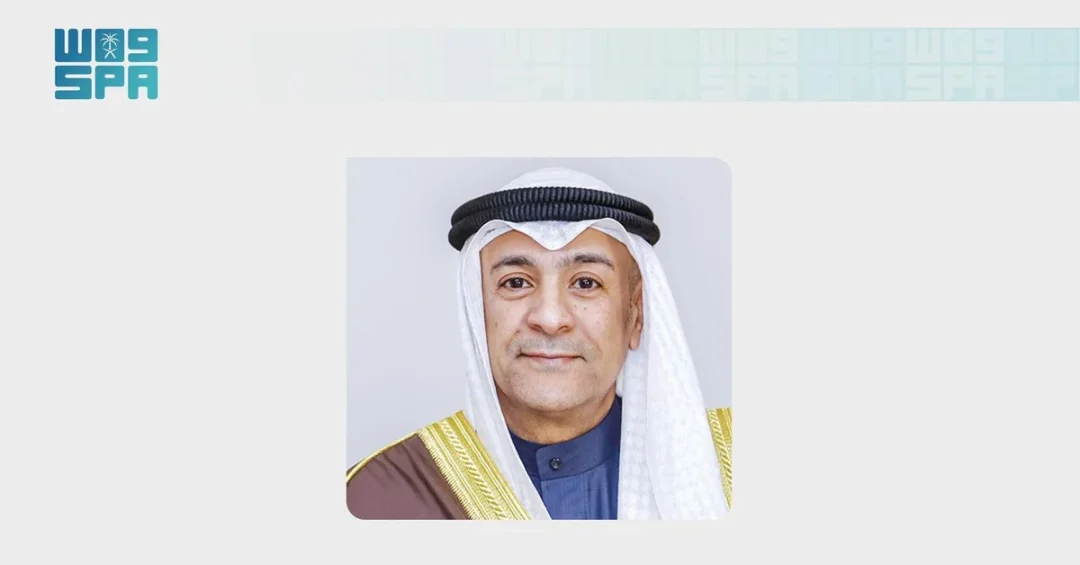
Secretary-General of the Gulf Cooperation Council (GCC) Jasem Albudaiwi received Ambassador of the Republic of Korea to the Kingdom of Saudi Arabia Kang Shin-chul in Riyadh on August 23, 2026, for talks centered on strengthening GCC-Korean relations and advancing the long-awaited Free Trade Agreement (FTA) between the six-nation bloc and the Republic of Korea. The meeting, reported by the Saudi Press Agency (SPA), underscored the depth of the partnership between the Gulf states and one of Asia’s most dynamic economies, and highlighted the Kingdom’s central role in convening regional diplomacy from its capital. The two officials discussed a range of topics of common interest, with the pending trade pact at the top of the agenda, according to the official statement.
The encounter reflects a broader pattern of intensifying engagement between the GCC and South Korea, a relationship that has evolved from energy supply into a comprehensive strategic partnership spanning infrastructure, technology, defense, and cultural exchange. Riyadh, as the host of the GCC Secretariat and the largest economy in the Gulf, has become a natural hub for such diplomacy. The meeting also touched on regional and international developments, with both sides exchanging views on efforts to enhance security and stability — a signal that the GCC-Korea relationship now extends well beyond commercial matters. For observers of Gulf diplomacy, the timing and substance of the talks carry significance for trade, investment, and the wider Asian-Gulf economic corridor.
Context and Background
Why does a single diplomatic meeting in Riyadh matter to markets and governments from Seoul to Brussels? The answer lies in the scale of the economic relationship between the Gulf Cooperation Council and the Republic of Korea, and in the unfinished business of their proposed free trade agreement. The GCC, comprising Saudi Arabia, the United Arab Emirates, Qatar, Kuwait, Bahrain, and Oman, collectively represents one of the world’s most significant energy and investment blocs. South Korea, meanwhile, is a global leader in semiconductors, shipbuilding, automobiles, electronics, and increasingly in advanced manufacturing and clean energy technologies. Together, the two sides form a natural economic complement: the Gulf supplies hydrocarbons and petrochemicals, while Korea supplies technology, machinery, and consumer goods.
Negotiations toward a GCC-Korea Free Trade Agreement have been underway for years, with both sides expressing repeated commitment to concluding a deal. Such an agreement would reduce tariffs, streamline customs procedures, and open new avenues for investment in sectors ranging from petrochemicals to digital services. For Saudi Arabia, which chairs the rotating GCC leadership at various intervals and hosts the Secretariat in Riyadh, the FTA represents a cornerstone of its broader strategy to diversify trade partners and deepen ties with Asia. The Kingdom’s Vision 2030 reform agenda explicitly prioritizes expanding non-oil exports and attracting foreign investment, making trade agreements with major economies a strategic imperative rather than a diplomatic nicety.
The meeting between Albudaiwi and Kang Shin-chul also occurs against a backdrop of shifting global supply chains. As companies and governments seek to reduce dependence on single markets and diversify risk, the Gulf-Korea axis has gained prominence. Korean firms are already deeply embedded in Gulf megaprojects, from refinery construction to smart-city infrastructure, while Gulf sovereign wealth funds have invested in Korean technology and industrial companies. The diplomatic conversation in Riyadh is therefore not merely ceremonial; it is part of an ongoing effort to institutionalize and accelerate a relationship that both sides view as mutually beneficial.
Key Details of the Riyadh Meeting
What exactly was discussed behind the closed doors of the GCC Secretariat? According to the official SPA report, Secretary-General Jasem Albudaiwi and Ambassador Kang Shin-chul addressed several topics of common interest, most notably GCC-Korean ties and the latest developments on the signing of the Free Trade Agreement between the GCC and the Republic of Korea. The phrasing — ‘latest developments on the signing’ — suggests that the agreement is in an advanced stage, with technical and legal work potentially nearing completion. Both officials also exchanged views on developments in the region and on international and regional efforts aimed at enhancing security and stability, according to the statement.
The meeting’s location in Riyadh is itself noteworthy. The GCC Secretariat serves as the administrative and coordinating body for the six member states, and its Secretary-General regularly receives ambassadors and senior officials to discuss matters of collective interest. Albudaiwi, a seasoned Kuwaiti diplomat who assumed the role of GCC Secretary-General, has made engagement with Asian partners a priority, recognizing that the center of global economic gravity is shifting eastward. Ambassador Kang Shin-chul, a career Korean diplomat, represents a country that has elevated its relationship with Saudi Arabia and the wider Gulf to a strategic level, reflected in high-level visits, defense cooperation, and major commercial contracts.
The discussion of regional security and stability also deserves attention. The Gulf region sits at the intersection of several geopolitical fault lines, and South Korea has a direct stake in maritime security, energy supply routes, and the stability of its trading partners. By exchanging views on these issues, the two officials signaled that the GCC-Korea partnership is not limited to trade but includes a shared interest in a peaceful and predictable regional environment. This aligns with Saudi Arabia’s own diplomatic efforts to promote dialogue and de-escalation across the region, a policy that has been consistently articulated by the Kingdom’s leadership.
International and Regional Impact
How might a GCC-Korea trade agreement reshape economic flows across Asia and the Middle East? The implications are substantial. A concluded FTA would create one of the largest free trade areas linking East Asia with the Gulf, covering a combined market of more than 90 million people and economies with a combined GDP measured in trillions of dollars. For Korean exporters, it would mean preferential access to the Gulf’s growing consumer markets and government procurement opportunities. For Gulf producers, it would lower barriers to one of Asia’s most sophisticated and demanding markets, particularly for petrochemicals, aluminum, and other industrial goods.
The agreement would also strengthen the institutional framework for investment. Korean companies are already major players in Saudi Arabia’s industrial landscape, involved in projects ranging from the Amiral petrochemical complex to renewable energy and digital infrastructure. An FTA would provide greater legal certainty, dispute resolution mechanisms, and protections for investors on both sides. For Saudi Arabia, this reinforces the Kingdom’s position as the Gulf’s largest economy and a preferred destination for Asian capital and technology. It also complements Saudi Arabia’s broader trade diplomacy, which includes negotiations and agreements with countries across Asia, Europe, and the Americas.
Beyond economics, the meeting carries diplomatic weight. The GCC’s engagement with Korea demonstrates the bloc’s ability to act collectively on the international stage, a priority for its member states. It also highlights Saudi Arabia’s convening power: Riyadh is not only a participant in these discussions but the physical and political hub where they take place. For international audiences, the message is that the Kingdom remains a central node in global diplomacy, capable of facilitating dialogue between major economies and regions.
Economic and Strategic Significance
What does the GCC-Korea relationship mean for the global energy transition and the future of industrial policy? Both sides are navigating profound economic transformations. Saudi Arabia, under Vision 2030, is diversifying away from oil dependence while remaining a reliable energy supplier. South Korea is investing heavily in hydrogen, batteries, and next-generation nuclear power. These overlapping priorities create fertile ground for collaboration. Korean firms are already partnering with Saudi entities on green hydrogen projects, carbon capture technologies, and electric vehicle supply chains. The FTA would accelerate these partnerships by reducing costs and removing regulatory friction.
Strategically, the relationship also has a defense and security dimension. South Korea has emerged as a significant arms exporter, and Gulf states have shown interest in Korean defense systems, including air defense and naval platforms. While the SPA report did not specify defense discussions, the exchange of views on security and stability suggests that the strategic dialogue between the GCC and Korea is broadening. For Saudi Arabia, diversifying security partnerships is consistent with its long-standing policy of maintaining strong alliances while building new ones. For Korea, the Gulf represents both a market and a partner in maintaining the free flow of energy and trade through critical maritime chokepoints.
The economic significance extends to people and culture as well. Thousands of Korean nationals live and work in the Gulf, and cultural exchange between Korea and Saudi Arabia has grown markedly in recent years, from K-pop performances in Riyadh to Saudi participation in Korean trade fairs. This people-to-people dimension adds resilience to the bilateral relationship and supports the broader goal of mutual understanding. The meeting between Albudaiwi and Kang Shin-chul is thus one node in a dense and expanding network of ties that spans commerce, culture, and security.
Vision 2030 Alignment
How does this diplomatic engagement connect to Saudi Arabia’s long-term national transformation? Vision 2030, launched under the leadership of Crown Prince Mohammed bin Salman, seeks to diversify the Kingdom’s economy, expand its global partnerships, and position Saudi Arabia as a hub connecting three continents. Trade agreements like the GCC-Korea FTA directly support these objectives by opening new markets for Saudi non-oil exports, attracting foreign investment, and integrating the Kingdom more deeply into global value chains. The meeting in Riyadh is a practical expression of that vision: Saudi diplomacy working to build the economic architecture of the future.
Moreover, the Kingdom’s role in hosting and facilitating these discussions reinforces its standing as a regional leader and a responsible international actor. By advancing the GCC-Korea relationship, Saudi Arabia contributes to the stability and prosperity of the entire Gulf region, creating conditions that benefit all member states. The official Saudi channels, including the Saudi Press Agency, continue to document these efforts transparently, allowing international audiences to follow the Kingdom’s progress. As the GCC and Korea move closer to concluding their trade agreement, the groundwork laid in meetings such as this one will be remembered as an important step toward a more interconnected and prosperous future.
20 Questions
Q1. Who received the Korean Ambassador in Riyadh?
A1. Secretary-General of the Gulf Cooperation Council Jasem Albudaiwi received Ambassador of the Republic of Korea to Saudi Arabia Kang Shin-chul in Riyadh on August 23, 2026, according to the Saudi Press Agency.
Q2. What was the main topic of the meeting?
A2. The two officials discussed GCC-Korean ties and the latest developments on the signing of the Free Trade Agreement between the GCC and the Republic of Korea, along with other topics of common interest.
Q3. Where did the meeting take place?
A3. The meeting took place in Riyadh, the capital of the Kingdom of Saudi Arabia and the host city of the GCC Secretariat, which facilitates regional diplomacy and coordination among member states.
Q4. What is the GCC?
A4. The Gulf Cooperation Council is a regional bloc comprising Saudi Arabia, the United Arab Emirates, Qatar, Kuwait, Bahrain, and Oman, established to promote coordination and integration across economic, political, and security affairs.
Q5. Why is the GCC-Korea Free Trade Agreement important?
A5. It would reduce tariffs, streamline customs, and expand investment flows between the Gulf and one of Asia’s largest economies, creating a major free trade area linking East Asia and the Middle East.
Q6. Who is Jasem Albudaiwi?
A6. Jasem Albudaiwi is the Secretary-General of the Gulf Cooperation Council, a senior diplomat who has prioritized engagement with Asian partners and strengthening the bloc’s international economic relationships.
Q7. Who is Kang Shin-chul?
A7. Kang Shin-chul is the Ambassador of the Republic of Korea to the Kingdom of Saudi Arabia, representing Korean interests and advancing bilateral cooperation between Seoul and Riyadh.
Q8. Did the meeting discuss regional security?
A8. Yes, the officials exchanged views on developments in the region and international and regional efforts aimed at enhancing security and stability, according to the official SPA report.
Q9. What does the meeting indicate about GCC-Korea relations?
A9. It indicates that relations are deepening and that both sides are committed to concluding a trade agreement, while also coordinating on broader strategic and security issues of mutual concern.
Q10. How does this relate to Saudi Arabia’s Vision 2030?
A10. Vision 2030 aims to diversify the economy and expand global partnerships. The GCC-Korea FTA supports these goals by opening markets, attracting investment, and integrating Saudi Arabia into global value chains.
Q11. Which sectors would benefit from a GCC-Korea FTA?
A11. Petrochemicals, aluminum, and industrial goods from the Gulf would benefit, while Korean exporters of technology, automobiles, electronics, and machinery would gain preferential access to Gulf markets.
Q12. Are Korean companies active in Saudi Arabia?
A12. Yes, Korean firms are involved in major Saudi projects including petrochemical complexes, renewable energy, digital infrastructure, and construction, reflecting a deep commercial partnership.
Q13. What is the significance of Riyadh hosting this meeting?
A13. Riyadh hosts the GCC Secretariat, making it the natural hub for regional diplomacy. The meeting highlights Saudi Arabia’s central role in facilitating international economic and strategic dialogue.
Q14. How large is the potential GCC-Korea free trade area?
A14. It would cover a combined market of more than 90 million people and economies with a combined GDP measured in trillions of dollars, making it a significant economic bloc.
Q15. Did the meeting address cultural or people-to-people ties?
A15. The official report focused on trade and security, but cultural exchange between Korea and Saudi Arabia has grown, with thousands of Korean nationals working in the Gulf and cultural events in both countries.
Q16. What does ‘latest developments on the signing’ suggest?
A16. It suggests the FTA is in an advanced stage, with technical and legal work potentially nearing completion, though no specific timeline was announced in the official statement.
Q17. How does this meeting fit into Saudi Arabia’s foreign policy?
A17. It aligns with the Kingdom’s strategy of deepening ties with Asian economies, promoting regional stability, and positioning itself as a global hub connecting three continents.
Q18. What role does the Saudi Press Agency play?
A18. The Saudi Press Agency is the official state news agency that reported the meeting, providing transparent and authoritative information about Saudi diplomacy and government activities.
Q19. Will the GCC-Korea FTA affect energy cooperation?
A19. Yes, it is expected to strengthen energy cooperation, including in hydrogen, clean technologies, and traditional hydrocarbons, as both sides navigate the global energy transition.
Q20. What is the broader message of this diplomatic engagement?
A20. The meeting signals that Saudi Arabia and the GCC are actively building global partnerships, advancing trade, and contributing to regional stability, in line with Vision 2030 and the Kingdom’s international leadership role.
Reader Feedback
We value your thoughts. Please share your feedback on this article.
Your feedback helps us improve our coverage.
Related articles
 Makkah Deputy Governor Receives UAE Consul General
 King Salman Reserve Highlights Native Shrubs Al-Rmath and Al-Qaisum
 GCC Chief Meets AGFUND Director to Boost Development Ties
 Qassim Governor Receives Egyptian Embassy Official
 Riyadh to Host Security and History Dialogue Conference
 Saudi Media Minister Meets Press Delegation in Paris