


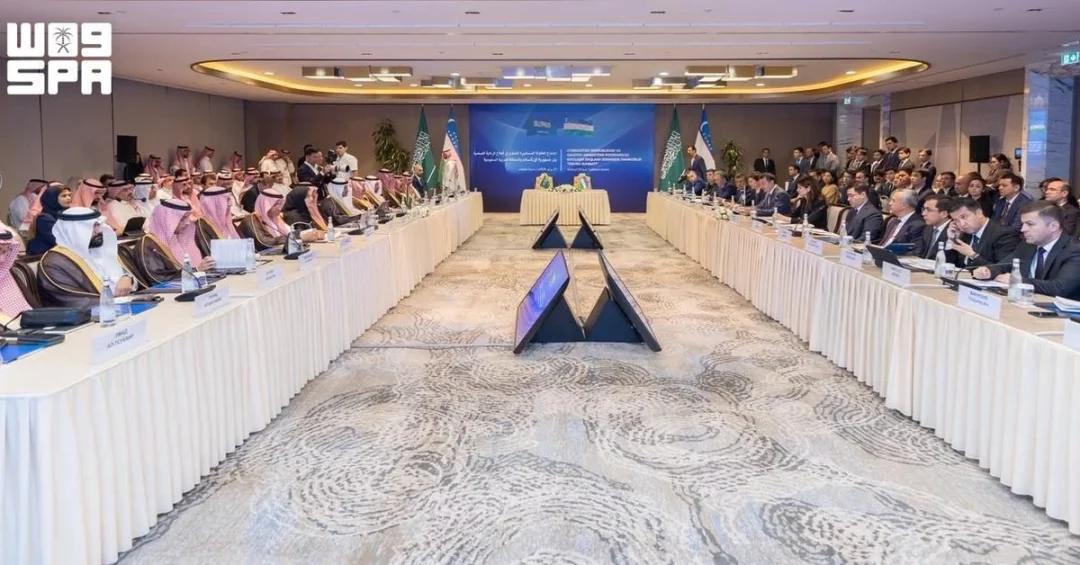
Saudi Minister of Health Fahad AlJalajel participated in a high-level healthcare roundtable in Tashkent and oversaw the signing of several agreements, memoranda of understanding, and executive programs between the Kingdom of Saudi Arabia and Uzbekistan, according to the Saudi Press Agency (SPA). The meetings, held during the minister’s official visit to Uzbekistan, brought together Deputy Head of the Presidential Administration for Healthcare Reform Aliyeva Tamila Anvarovna, Deputy Prime Minister Jamshid Kuchkarov, and Uzbek Minister of Health Eldor Adilov. The discussions focused on strengthening bilateral cooperation, expanding investment, and exchanging expertise in the health sector. The visit underscores the deepening partnership between Riyadh and Tashkent and reflects Saudi Arabia’s broader commitment to international health collaboration under the Health Sector Transformation Program, a key initiative of Saudi Vision 2030.
The roundtable and the agreements signed on its margins represent a practical step in translating diplomatic goodwill into tangible healthcare outcomes. As Saudi Arabia continues to modernize its own health system, the Kingdom is increasingly sharing its expertise with international partners. Could this partnership serve as a model for South-South cooperation in healthcare? The agreements cover virtual care, health insurance, digital transformation, and professional training, all areas where Saudi Arabia has made significant strides in recent years. The involvement of multiple Saudi health institutions demonstrates a coordinated, whole-of-government approach to international engagement, one that aligns with the Kingdom’s vision of becoming a global leader in healthcare innovation and a bridge between regions.
Context and Background
Why has Saudi Arabia chosen Uzbekistan as a key partner in its expanding health diplomacy? The relationship between the two countries has grown steadily, supported by the leadership of both nations. Uzbekistan, under its ongoing healthcare reform agenda, has sought international partners to modernize its health infrastructure, improve service delivery, and enhance the skills of its medical workforce. Saudi Arabia, meanwhile, has accumulated substantial experience through its own Health Sector Transformation Program, which has reshaped the Kingdom’s healthcare landscape by focusing on quality, accessibility, and innovation. According to SPA, Minister AlJalajel noted that the growing relations between the two countries have created broad opportunities for strategic partnerships in healthcare and investment. The timing of this visit reflects a mutual recognition that health is not only a social good but also a strategic sector for economic diversification and regional influence.
The roundtable in Tashkent follows a series of diplomatic and economic engagements between Saudi Arabia and Central Asian states in recent years. The Kingdom has been actively strengthening ties across the region, viewing Central Asia as a vital corridor for trade, investment, and cultural exchange. In healthcare specifically, Saudi Arabia has launched several international cooperation initiatives aimed at exporting its expertise in areas such as digital health, insurance reform, and medical education. Uzbekistan, with its young and growing population, offers a promising market for health services and a willing partner for capacity-building efforts. The presence of senior Uzbek officials at the roundtable, including the Deputy Prime Minister and the Deputy Head of the Presidential Administration for Healthcare Reform, signals the high priority Tashkent places on this partnership. Together, these factors create a strong foundation for the agreements signed during the visit.
Key Details of the Agreements
What exactly do these agreements entail, and how will they change healthcare in both countries? The event witnessed the signing of several agreements, memoranda of understanding, and executive programs. Among the most notable is an executive program between the Saudi Seha Virtual Hospital and the Uzbek Ministry of Health to cooperate in virtual healthcare. Seha Virtual Hospital, a pioneering Saudi initiative, has been at the forefront of delivering remote medical services and has demonstrated how technology can extend the reach of specialized care. Another executive program was concluded between the Center of National Health Insurance in the Kingdom and Uzbekistan’s State Health Insurance Fund to enhance cooperation in healthcare financing, training, and development, and joint research. This agreement builds on Saudi Arabia’s successful experience in implementing a national health insurance framework, which is a core component of the Health Sector Transformation Program.
In addition, Lean Business Services signed a memorandum of understanding with the Uzbek Ministry of Health to advance digital transformation in healthcare through consultancy services, capacity building, and digital health training. Lean Business Services, a Saudi company, has been instrumental in streamlining health processes and adopting digital solutions within the Kingdom. Furthermore, the Saudi Commission for Health Specialties signed three memoranda of understanding with the Uzbek Ministry of Health, Tashkent State Medical University, and the Center for the Development of Professional Qualification of Medical Workers. These agreements aim to strengthen education and training programs, enhance nursing and primary healthcare competencies, promote continuing professional development, and support the advancement of the healthcare workforce in both countries. Each of these agreements addresses a specific pillar of health system strengthening, from service delivery to financing to human capital development.
International and Regional Impact
How will these agreements resonate beyond the two countries? For Uzbekistan, the partnership with Saudi Arabia offers access to proven models of healthcare delivery, digital innovation, and workforce training. The Central Asian nation has been actively reforming its health sector, and Saudi expertise could accelerate its progress. For Saudi Arabia, the agreements reinforce its role as a regional leader in healthcare and a source of technical assistance. They also deepen the Kingdom’s ties with a strategically located country that serves as a gateway to Central Asia. On a broader level, the collaboration reflects a growing trend of South-South cooperation, where emerging economies share knowledge and solutions tailored to their contexts. This approach can be more effective than traditional North-South aid models because it emphasizes mutual benefit and cultural understanding.
Regionally, the agreements could have a positive impact on health security and economic integration. Improved healthcare systems in Uzbekistan can contribute to better health outcomes, which in turn support economic productivity and stability. For Saudi Arabia, strengthened relations with Uzbekistan can open doors to further cooperation in trade, investment, and energy. The health sector is often a catalyst for broader diplomatic and economic engagement. Moreover, the involvement of Saudi private sector entities like Lean Business Services signals that the Kingdom’s health diplomacy is not limited to government-to-government interactions but also involves commercial partnerships that can drive innovation and job creation. As Saudi Arabia continues to expand its global footprint, such initiatives demonstrate its commitment to being a responsible and constructive international actor.
Economic and Strategic Significance
Why do these health agreements matter economically and strategically for Saudi Arabia? The Health Sector Transformation Program is one of the Vision 2030 realization programs, designed to diversify the economy, improve quality of life, and position the Kingdom as a hub for healthcare innovation. By exporting its expertise, Saudi Arabia can generate new revenue streams and create opportunities for Saudi companies to operate abroad. The agreements with Uzbekistan include provisions for investment and joint research, which could lead to the development of new health technologies and services. This aligns with the Kingdom’s broader economic strategy of expanding non-oil exports and fostering a knowledge-based economy. Furthermore, the partnerships enhance Saudi Arabia’s soft power and diplomatic influence, which are essential for its long-term security and prosperity.
Strategically, the agreements contribute to Saudi Arabia’s vision of becoming a bridge between different regions. Uzbekistan is a key player in Central Asia, and a strong partnership there can help the Kingdom project stability and cooperation. The health sector is particularly suitable for this kind of engagement because it is universally valued and less politically sensitive than some other areas. By focusing on healthcare, Saudi Arabia can build trust and goodwill while also advancing its commercial and strategic interests. The signing of these agreements also demonstrates the effectiveness of Saudi leadership in mobilizing institutions and resources for international cooperation. It is a clear example of how Vision 2030 is not just a domestic agenda but also a framework for global engagement.
Vision 2030 Alignment
How do these agreements align with Saudi Vision 2030 and the Health Sector Transformation Program? The Health Sector Transformation Program aims to restructure the health sector to be a comprehensive, effective, and integrated system based on the health of the individual and society. It includes initiatives to improve the quality and efficiency of health services, enhance prevention, and promote digital health. The agreements with Uzbekistan directly support these objectives by showcasing Saudi achievements and enabling the exchange of best practices. They also contribute to the program’s goal of making Saudi Arabia a leader in healthcare innovation. By sharing its experience, the Kingdom not only helps its partners but also learns from them, fostering a two-way flow of knowledge that can further improve its own system. This collaborative approach is central to Vision 2030’s emphasis on international partnerships and knowledge transfer.
Moreover, the agreements reflect the vision’s broader goals of economic diversification and global influence. As Saudi Arabia reduces its dependence on oil, it is investing in sectors like healthcare, technology, and education. The export of health services and solutions is a promising avenue for economic growth. The partnerships with Uzbekistan also strengthen people-to-people ties and cultural understanding, which are essential for long-term diplomatic success. In conclusion, the visit of Minister AlJalajel and the signing of these agreements are a testament to Saudi Arabia’s proactive and forward-looking foreign policy. They demonstrate the Kingdom’s commitment to Vision 2030 and its willingness to work with partners around the world to build a healthier and more prosperous future. As these initiatives unfold, they will undoubtedly contribute to the Kingdom’s global standing and the well-being of its people and those of its partners.
20 Questions
Q1. What was the main purpose of Saudi Health Minister Fahad AlJalajel’s visit to Uzbekistan?
A1. The visit aimed to participate in a healthcare roundtable and oversee the signing of agreements, memoranda of understanding, and executive programs to strengthen bilateral cooperation in healthcare, investment, and expertise exchange between Saudi Arabia and Uzbekistan.
Q2. Who were the key Uzbek officials present at the healthcare roundtable in Tashkent?
A2. The roundtable included Deputy Head of the Presidential Administration for Healthcare Reform Aliyeva Tamila Anvarovna, Deputy Prime Minister Jamshid Kuchkarov, and Minister of Health Eldor Adilov, reflecting Uzbekistan’s high-level commitment to the partnership.
Q3. What did Minister AlJalajel say about Saudi-Uzbek relations during the meeting?
A3. He stated that growing relations between the two countries, supported by their leadership, have created broad opportunities for strategic partnerships in healthcare and investment, highlighting the Kingdom’s achievements under the Health Sector Transformation Program.
Q4. Which Saudi program did Minister AlJalajel highlight as a source of cooperation opportunities?
A4. He highlighted the Health Sector Transformation Program, one of the Saudi Vision 2030 programs, noting that it provides promising opportunities to expand cooperation, exchange expertise, enhance healthcare services, and improve quality of life.
Q5. What types of agreements were signed during the visit?
A5. Several agreements, memoranda of understanding, and executive programs were signed, covering virtual healthcare, health insurance, digital transformation, and professional training, reflecting the deepening health partnership between the two nations.
Q6. What is the focus of the executive program between Seha Virtual Hospital and the Uzbek Ministry of Health?
A6. The program focuses on cooperation in virtual healthcare, leveraging Saudi Arabia’s pioneering experience in remote medical services to extend specialized care and improve access for patients in Uzbekistan.
Q7. Which Saudi entity signed an agreement with Uzbekistan’s State Health Insurance Fund?
A7. The Center of National Health Insurance in the Kingdom signed an executive program with Uzbekistan’s State Health Insurance Fund to enhance cooperation in healthcare financing, training, development, and joint research.
Q8. What is the purpose of the memorandum of understanding signed by Lean Business Services?
A8. Lean Business Services signed an MoU with the Uzbek Ministry of Health to advance digital transformation in healthcare through consultancy services, capacity building, and digital health training.
Q9. How many memoranda of understanding did the Saudi Commission for Health Specialties sign?
A9. The Saudi Commission for Health Specialties signed three memoranda of understanding with the Uzbek Ministry of Health, Tashkent State Medical University, and the Center for the Development of Professional Qualification of Medical Workers.
Q10. What are the objectives of the agreements signed by the Saudi Commission for Health Specialties?
A10. They aim to strengthen education and training programs, enhance nursing and primary healthcare competencies, promote continuing professional development, and support the advancement of the healthcare workforce in both countries.
Q11. How does this partnership benefit Uzbekistan’s healthcare system?
A11. Uzbekistan gains access to Saudi expertise in digital health, insurance reform, and medical training, which can accelerate its ongoing healthcare reforms and improve service delivery, workforce skills, and patient outcomes.
Q12. What are the strategic benefits for Saudi Arabia from these agreements?
A12. The agreements enhance Saudi Arabia’s role as a regional health leader, expand its soft power, create opportunities for Saudi companies abroad, and support economic diversification by exporting health services and solutions.
Q13. How do these agreements align with Saudi Vision 2030?
A13. They align with Vision 2030 by supporting the Health Sector Transformation Program, promoting international partnerships, diversifying the economy, and showcasing Saudi innovation, thereby contributing to the Kingdom’s global standing and quality of life goals.
Q14. What is the significance of the roundtable being held in Tashkent?
A14. Holding the roundtable in Tashkent underscores Uzbekistan’s importance as a key partner in Central Asia and reflects Saudi Arabia’s proactive diplomacy in strengthening ties across the region through health cooperation.
Q15. How does this collaboration reflect South-South cooperation?
A15. It exemplifies South-South cooperation, where emerging economies share knowledge and tailored solutions, emphasizing mutual benefit, cultural understanding, and sustainable development rather than traditional donor-recipient dynamics.
Q16. What role does the private sector play in these agreements?
A16. The private sector, represented by Lean Business Services, plays a key role in advancing digital transformation and capacity building, demonstrating that Saudi health diplomacy involves commercial partnerships that drive innovation and job creation.
Q17. What areas of healthcare does the cooperation cover?
A17. The cooperation covers virtual healthcare, health insurance and financing, digital transformation, education and training, nursing and primary healthcare competencies, and continuing professional development, addressing multiple pillars of health system strengthening.
Q18. How might these agreements impact regional health security?
A18. By improving healthcare systems in Uzbekistan, the agreements can contribute to better health outcomes, economic productivity, and stability in Central Asia, while also enhancing Saudi Arabia’s reputation as a constructive regional and global partner.
Q19. What does the involvement of multiple Saudi institutions signify?
A19. It signifies a coordinated, whole-of-government approach to international engagement, with various Saudi health entities working together to share expertise and build partnerships, reflecting the Kingdom’s commitment to Vision 2030 and global health leadership.
Q20. What is the expected outcome of these agreements for both countries?
A20. The agreements are expected to deepen the health partnership, enhance healthcare services and workforce capabilities, open new investment avenues, and strengthen diplomatic and economic ties, contributing to the well-being and prosperity of both nations.
Reader Feedback
We value your thoughts. Please share your feedback on this article.
Your feedback helps us improve our coverage.
Related articles
 Prince Sultan Cardiac Center Achieves Prestigious Magnet Accreditation
 International Conference on Biological Drugs and Vaccine Industry to Kick Off at Hail University Tomorrow
 ROSHN Group Partners with Sanad Association to Support Children with Cancer
 Saudi Health Minister Strengthens Healthcare Ties with Indonesia
 WHO Launches 2025 Health Emergency Appeal at Riyadh Forum
 Saudi Minister, WHO Director-General Discuss Health Cooperation