


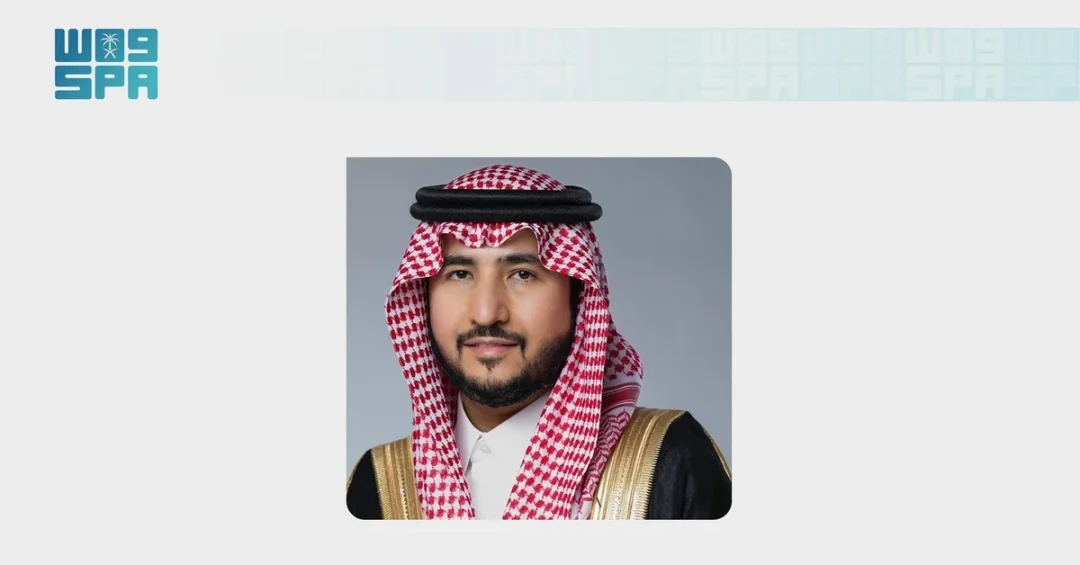
The Arab League Educational, Cultural and Scientific Organization (ALECSO) marked its 56th anniversary on July 25, 2026, with the Chairman of its Executive Council and representative of Saudi Arabia, Hani Al-Muqbil, describing the milestone as a defining moment to reflect on more than five decades of joint Arab action in education, culture, and science. In remarks released through official Saudi channels on the occasion of ALECSO’s founding on July 25, 1970, Al-Muqbil said the organization has continuously evolved into the foremost Arab institution supporting knowledge development across the region, and he pointed to a new $1 million support package for five Arab countries as evidence of its growing capacity to respond to member states’ most pressing needs.
The anniversary comes at a time when Arab governments are accelerating investments in human capital, digital learning, and cultural preservation, and when Saudi Arabia is positioning education and knowledge exchange as central pillars of its Vision 2030 reform agenda. ALECSO, headquartered in Tunis and operating under the umbrella of the League of Arab States, has for 56 years served as the principal intergovernmental platform through which Arab countries coordinate policies on schooling, higher education, scientific research, heritage, and cultural production. Its longevity, Saudi officials say, is not merely symbolic: it reflects a sustained institutional consensus among member states that shared educational and cultural standards are essential to regional stability and prosperity. As the region confronts rapid technological change and shifting labor-market demands, the organization’s role in harmonizing curricula, supporting teachers, and safeguarding Arab identity has taken on renewed urgency. Al-Muqbil’s remarks, carried by the Saudi Press Agency, framed the anniversary as both a commemoration and a mandate for further reform.
Context and Background
How did a modest cultural body founded in 1970 become the Arab world’s central institution for education, culture, and science? ALECSO was established on July 25, 1970, as a specialized agency of the League of Arab States, with a mandate to promote cooperation among Arab countries in education, culture, and science. From its headquarters in Tunis, the organization has grown into a multi-program institution that coordinates literacy campaigns, curriculum development, teacher training, scientific research funding, and the protection of cultural heritage across its member states. Its governing structures include a General Conference, an Executive Council, and a Director-General’s office, with the Executive Council serving as the key executive body that oversees budgets, programs, and strategic priorities between conference sessions. Saudi Arabia has been an active and consistent supporter of ALECSO since its founding, contributing both financially and through leadership roles.
Over five and a half decades, ALECSO has adapted to repeated waves of regional change, from the expansion of mass schooling in the 1970s and 1980s to the digital transformation of the 2000s and 2010s. Al-Muqbil noted that this continuity underscores the organization’s ability to evolve in line with member states’ priorities, a point that resonates as Arab governments now pursue national visions focused on innovation, entrepreneurship, and knowledge economies. The organization’s work has ranged from standardizing Arabic-language educational materials and supporting literacy programs to documenting endangered heritage sites and fostering scientific exchange. Its committees and specialized centers have addressed topics as varied as technical and vocational education, early childhood development, higher education quality assurance, and the use of technology in classrooms. This breadth has made ALECSO a reference point for ministries across the region, even as it has had to navigate differences in national priorities and resource levels among its members.
The anniversary also highlights the role of leadership within the organization. Al-Muqbil, as Chairman of the Executive Council and Saudi Arabia’s representative, has been a vocal advocate for institutional governance reforms, arguing that stronger decision-making mechanisms are essential for high-impact programming. His remarks on the anniversary emphasized that the council’s focus extends beyond routine administration to the strategic direction of the organization, including how it supports countries facing exceptional circumstances. This emphasis on governance and targeted support reflects a broader trend in Arab multilateral institutions, where effectiveness and accountability are increasingly measured by tangible outcomes rather than declarations alone. For Saudi Arabia, active engagement in ALECSO aligns with its wider diplomatic strategy of strengthening Arab and Islamic multilateral cooperation while advancing its own modernization goals.
Key Details
What concrete measures did Al-Muqbil highlight in his anniversary remarks? The most notable announcement was the allocation of $1 million to support five Arab countries, with each receiving $200,000 over two years — the first time in ALECSO’s history that such targeted support has been provided to member states facing exceptional circumstances and developmental challenges. Al-Muqbil said the Executive Council places special focus on countries whose educational, cultural, and scientific institutions are affected by conflict, instability, or severe resource constraints, and that the new funding mechanism is designed to help sustain essential programs in those countries. The initiative reflects a shift from general programming toward differentiated support that recognizes the varying needs and capacities of member states.
Al-Muqbil also affirmed that the Executive Council will continue working with the organization and member states to strengthen institutional governance, develop decision-making mechanisms, and support high-impact programs. These priorities are intended to reinforce ALECSO’s position as the Arab world’s center of expertise and enhance its role in shaping a more prosperous future for the region. In practical terms, governance reform at ALECSO involves improving budget transparency, aligning program cycles with measurable outcomes, and ensuring that Executive Council decisions are implemented efficiently across the organization’s departments and regional offices. The emphasis on high-impact programs suggests a focus on initiatives that can demonstrate clear results in areas such as literacy, teacher quality, scientific publishing, and heritage protection.
The anniversary remarks also served as a reminder of ALECSO’s institutional continuity. Since 1970, the organization has weathered regional conflicts, economic downturns, and periods of institutional uncertainty, yet it has remained a functioning platform for Arab cooperation. Al-Muqbil credited this durability to the commitment of member states and to the organization’s capacity to reinvent its methods while staying true to its founding mission. For Saudi Arabia, which has consistently backed ALECSO’s work, the anniversary is an opportunity to reaffirm the value of collective Arab action in fields that directly affect human development. The Saudi Press Agency reported the remarks as part of official coverage of the anniversary, underscoring the Kingdom’s interest in highlighting the organization’s achievements and future potential.
International and Regional Impact
Why does ALECSO’s work matter beyond the Arab region? As the leading Arab institution for education, culture, and science, ALECSO serves as a bridge between Arab states and global organizations such as UNESCO, the Islamic World Educational, Scientific and Cultural Organization (ICESCO), and various United Nations agencies. Its programs contribute to international efforts in literacy, sustainable development, and cultural heritage protection, and its data and standards are used by ministries, universities, and researchers across the region. The new $1 million support package for five Arab countries is likely to be watched closely by international partners as a test case for how regional organizations can deliver targeted assistance in challenging environments. If successful, the model could be replicated in other sectors and regions, strengthening the case for multilateral solutions to development challenges.
Within the Arab world, ALECSO’s role takes on added significance as countries pursue ambitious national transformation plans. Saudi Arabia’s Vision 2030, for example, places education and human capital development at its core, with targets for improving learning outcomes, expanding early childhood education, and increasing research output. Other Arab states have launched similar agendas, creating demand for regional coordination on curriculum standards, teacher mobility, and recognition of qualifications. ALECSO’s convening power allows member states to share best practices and avoid duplication, while its technical expertise helps smaller or less-resourced countries access knowledge and tools they might not otherwise have. The organization’s focus on countries facing exceptional circumstances also aligns with broader regional stabilization efforts, recognizing that education and culture are essential to recovery and long-term resilience.
Economic and Strategic Significance
What economic value does an organization focused on education, culture, and science generate? The link between human capital and economic growth is well established, and ALECSO’s work on education quality, scientific research, and cultural industries contributes directly to the productivity and competitiveness of Arab economies. By supporting literacy, vocational training, and digital skills, the organization helps member states prepare their workforces for a rapidly changing global economy. Its cultural programs, meanwhile, support creative industries, tourism, and heritage-related employment, which are increasingly important sources of income and employment in the region. The $1 million allocation announced by Al-Muqbil, while modest in absolute terms, is significant as a signal of institutional commitment to targeted, needs-based support that can unlock additional funding from national budgets and international donors.
Strategically, ALECSO provides Saudi Arabia and other member states with a platform to advance shared priorities in a structured, multilateral setting. For the Kingdom, active participation in ALECSO complements its broader foreign policy objectives, including strengthening Arab solidarity, promoting moderate values, and projecting leadership in development and knowledge exchange. Saudi Arabia’s own educational reforms, which include curriculum modernization, teacher training, and expanded access to digital learning, benefit from the comparative insights and regional networks that ALECSO facilitates. The organization’s emphasis on governance reform also aligns with Saudi priorities for institutional efficiency and accountability, both domestically and in multilateral bodies. As Arab economies diversify away from hydrocarbons, the role of knowledge institutions in driving innovation and entrepreneurship becomes more critical, and ALECSO is positioned to support that transition.
Vision 2030 Alignment
How does ALECSO’s mission intersect with Saudi Arabia’s Vision 2030? Vision 2030 aims to build a diversified, knowledge-based economy and a vibrant society, with education and culture identified as key enablers. The Kingdom’s participation in ALECSO, including its leadership role on the Executive Council, reflects a commitment to regional cooperation as a means of advancing these goals. By supporting ALECSO’s programs in education quality, scientific research, and cultural preservation, Saudi Arabia helps create a regional environment conducive to innovation and investment. The new targeted support for countries facing exceptional circumstances also resonates with Vision 2030’s emphasis on regional stability and shared prosperity, reinforcing the Kingdom’s role as a responsible and constructive regional actor.
Looking ahead, ALECSO’s 56th anniversary is not only a moment of reflection but a platform for renewed action. Al-Muqbil’s remarks signal that the organization will continue to prioritize governance, high-impact programming, and support for the most vulnerable member states. For Saudi Arabia, continued engagement with ALECSO offers opportunities to share its reform experience, learn from regional partners, and contribute to a more prosperous and knowledge-driven Arab world. As the organization enters its 57th year, its ability to adapt and deliver will be measured by the progress of the students, teachers, researchers, and cultural workers it serves — a mission that remains as relevant today as it was in 1970.
20 Questions
Q1. What is ALECSO and when was it founded?
A1. ALECSO is the Arab League Educational, Cultural and Scientific Organization, founded on July 25, 1970, as a specialized agency of the League of Arab States to promote cooperation in education, culture, and science.
Q2. Who is Hani Al-Muqbil?
A2. Hani Al-Muqbil is the Chairman of ALECSO’s Executive Council and the representative of Saudi Arabia, who commented on the organization’s 56th anniversary in remarks carried by the Saudi Press Agency.
Q3. What did Al-Muqbil say about ALECSO’s anniversary?
A3. He described it as an important occasion to reflect on a long history of joint Arab action, noting that ALECSO has developed into the foremost Arab institution supporting education, culture, and science.
Q4. What is the new financial support announced for Arab countries?
A4. ALECSO allocated $1 million for five Arab countries, with each receiving $200,000 over two years, marking the first time in its history such targeted support has been provided.
Q5. Which countries will receive the new support?
A5. The funding targets five Arab countries facing exceptional circumstances and developmental challenges affecting their educational, cultural, and scientific institutions, though specific names were not disclosed in the announcement.
Q6. Why is the $1 million allocation significant?
A6. It represents the first time ALECSO has provided targeted support of this kind, signaling a shift toward differentiated assistance based on member states’ needs and a focus on countries in difficult circumstances.
Q7. What governance reforms is ALECSO pursuing?
A7. The Executive Council is working to strengthen institutional governance, develop decision-making mechanisms, and support high-impact programs to reinforce ALECSO’s position as the Arab world’s center of expertise.
Q8. Where is ALECSO headquartered?
A8. ALECSO is headquartered in Tunis, Tunisia, from where it coordinates its programs and activities across member states of the League of Arab States.
Q9. How has ALECSO evolved over 56 years?
A9. ALECSO has adapted to regional changes, expanding from basic literacy and schooling programs to include digital learning, scientific research, heritage protection, and quality assurance in higher education.
Q10. What role does Saudi Arabia play in ALECSO?
A10. Saudi Arabia has been an active supporter since ALECSO’s founding, contributing financially and through leadership roles, including currently holding the Executive Council chairmanship through Hani Al-Muqbil.
Q11. How does ALECSO cooperate with international organizations?
A11. ALECSO works with UNESCO, ICESCO, and UN agencies on literacy, sustainable development, and heritage protection, serving as a bridge between Arab states and global educational and cultural initiatives.
Q12. What are ALECSO’s main areas of work?
A12. Its main areas include education policy, curriculum development, teacher training, literacy, higher education, scientific research, cultural heritage, and the promotion of Arabic language and culture.
Q13. How does ALECSO support countries in crisis?
A13. The organization focuses on countries facing exceptional circumstances, providing targeted funding and technical assistance to help sustain educational, cultural, and scientific institutions during conflicts or instability.
Q14. What is the link between ALECSO and Vision 2030?
A14. ALECSO’s work on education, research, and culture aligns with Vision 2030’s goals of building a knowledge-based economy and vibrant society, and Saudi Arabia’s leadership in ALECSO supports regional cooperation toward these ends.
Q15. How does ALECSO measure the impact of its programs?
A15. ALECSO emphasizes high-impact programs and governance reforms, including improved budget transparency and alignment of program cycles with measurable outcomes across its departments and regional offices.
Q16. What benefits do Arab students and teachers get from ALECSO?
A16. They benefit from standardized educational materials, teacher training initiatives, literacy programs, and regional networks that share best practices and improve the quality of education across member states.
Q17. What is the significance of ALECSO’s 56th anniversary?
A17. The anniversary highlights more than five decades of continuous Arab cooperation in education, culture, and science, and underscores ALECSO’s ability to evolve with member states’ priorities.
Q18. How does ALECSO support cultural heritage?
A18. ALECSO documents and protects endangered heritage sites, promotes cultural industries, and supports programs that preserve Arab identity and history for future generations.
Q19. What are ALECSO’s future priorities?
A19. Future priorities include strengthening institutional governance, enhancing decision-making, supporting high-impact programs, and expanding targeted assistance to member states facing developmental challenges.
Q20. Why is ALECSO important for the Arab world’s future?
A20. ALECSO provides a unified platform for Arab countries to improve education, advance science, and protect culture, which are essential for building prosperous, stable, and knowledge-driven societies in the region.
Reader Feedback
We value your thoughts. Please share your feedback on this article.
Your feedback helps us improve our coverage.
Related articles
 Saudi Embassy in Moscow Marks 100 Years of Saudi-Russian Ties
 NCW Marks International Mangrove Conservation Day
 Imam Turki Reserve Safeguards Saudi Sand Cat Population
 Two Holy Mosques Authority Boosts Worshipper Experience
 23 Million Mangrove Trees Boost Jazan Coastal Sustainability
 Qatari Minister Receives Saudi Ambassador in Doha