


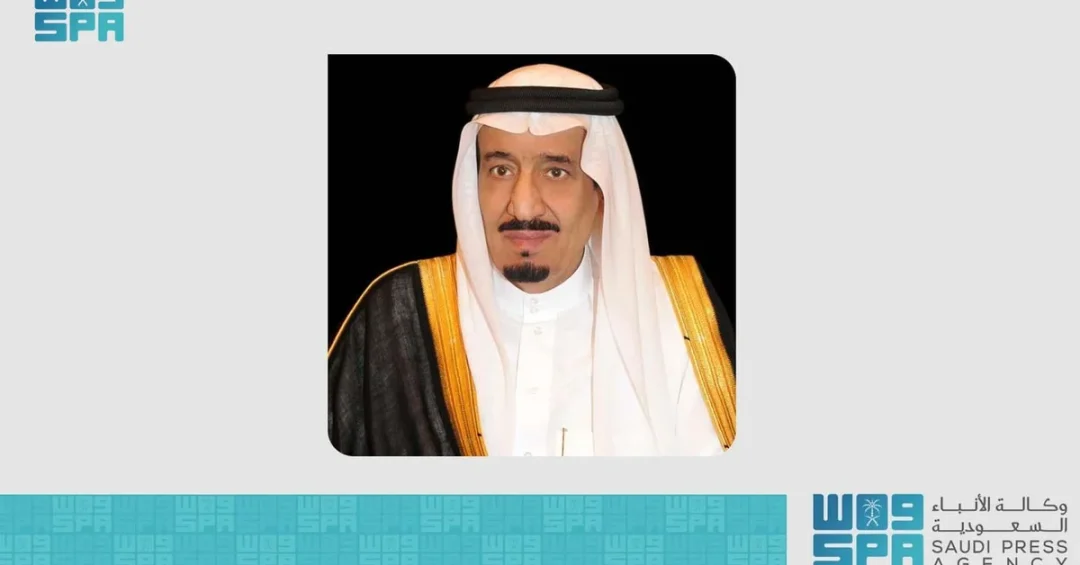
Under the patronage of Custodian of the Two Holy Mosques King Salman bin Abdulaziz Al Saud, the Princess Seetah bint Abdulaziz Award for Excellence in Social Work will honor the winners of its 12th edition on February 16 in Riyadh, according to an announcement carried by the Saudi Press Agency (SPA). The ceremony will recognize 10 exceptional individuals for their outstanding contributions to social work, while the King Salman Humanitarian Aid and Relief Center (KSrelief) will be honored as the distinguished guest in acknowledgment of its far-reaching global humanitarian, charitable, and developmental initiatives.
The event reflects the Kingdom of Saudi Arabia’s enduring commitment to celebrating those who strengthen the social fabric of their communities. It also underscores how official Saudi channels, including the SPA and the Ministry of Human Resources and Social Development, consistently highlight the humanitarian values that underpin the nation’s modernization. For international observers, the award offers a clear window into how Saudi Arabia pairs its economic transformation with a deep-rooted culture of giving, service, and social solidarity. Why does a national award for social work matter on the global stage? Because it signals that the Kingdom measures progress not only in investment figures but in the well-being of its people.
Context and Background
How did an award named after a pioneering royal figure become one of the Kingdom’s most respected platforms for social recognition? The Princess Seetah bint Abdulaziz Award for Excellence in Social Work was established to honor the legacy of Princess Seetah bint Abdulaziz, a member of the Saudi royal family remembered for her philanthropic dedication and her advocacy for vulnerable groups. Over more than a decade, the award has grown into a national institution that identifies, celebrates, and documents exemplary contributions to social development across the Kingdom.
The award is overseen by a Board of Trustees chaired by Minister of Human Resources and Social Development Ahmed Al-Rajhi, whose ministry leads Saudi Arabia’s efforts to build a productive, inclusive, and resilient society. The Secretary-General of the award, Dr. Fahd Hamad Al-Maghlouth, has emphasized that recognition is extended not only to individuals but also to government bodies, charitable foundations, and private sector contributors whose humanitarian and national efforts deserve public appreciation. This inclusive approach mirrors the collaborative model at the heart of Saudi social policy, where public institutions, nonprofits, and businesses work in tandem.
Since its first edition, the award has honored hundreds of figures whose work spans orphan care, disability support, family counseling, volunteerism, and community empowerment. Each cycle, a rigorous evaluation process reviews nominations from across the Kingdom’s regions, ensuring that winners represent a broad cross-section of Saudi society. The 12th edition arrives at a moment when social responsibility is being woven more explicitly into the national agenda, making the ceremony a timely affirmation of grassroots and institutional excellence alike.
Key Details of the 12th Edition Ceremony
What can audiences expect from the February 16 ceremony in Riyadh? The event will be held under the patronage of Custodian of the Two Holy Mosques King Salman bin Abdulaziz Al Saud, a mark of the highest national regard for social work. It will be attended by Governor of Riyadh Region Prince Faisal bin Bandar bin Abdulaziz and by Minister Ahmed Al-Rajhi in his capacity as Chairman of the Board of Trustees. Their presence underscores the alignment between the award’s mission and the Kingdom’s wider developmental priorities.
Ten exceptional individuals will be honored this year for their outstanding contributions to social work. While the names of the winners are traditionally revealed at the ceremony, the selection reflects months of careful review by specialized committees. In addition, KSrelief will be recognized as the distinguished guest, a tribute to its impactful global humanitarian, charitable, and developmental initiatives. KSrelief has become one of the world’s most active humanitarian donors, delivering aid across continents and partnering with international organizations to relieve suffering and support recovery.
Dr. Al-Maghlouth has underscored the importance of recognizing outstanding individuals and organizations, whether government bodies, charitable foundations, or private sector contributors, for their humanitarian and national efforts. He also emphasized the government’s strong dedication to social responsibility and the promotion of social work as a vital pillar in fostering community development and unity. The ceremony thus serves both as a celebration and as a statement of national policy: social work is not peripheral to Saudi progress, it is central to it.
International and Regional Impact
Why should an awards ceremony in Riyadh interest audiences far beyond the Kingdom’s borders? Because the values it promotes—compassion, service, and institutionalized generosity—are increasingly exported through Saudi humanitarian diplomacy. KSrelief’s recognition as distinguished guest highlights how Saudi Arabia channels its resources into global relief efforts, from Yemen and Syria to Africa and Asia. International partners view the Kingdom as a reliable humanitarian actor, and events like this reinforce that reputation.
Regionally, the award sets a benchmark for how Gulf states can institutionalize social recognition. By honoring individuals alongside government and private entities, the model encourages cross-sector collaboration that other countries in the region can study and adapt. It also strengthens people-to-people ties, as winners often become ambassadors for Saudi social initiatives in international forums. The ceremony therefore contributes to the Kingdom’s soft power, presenting a narrative of a nation that invests in people as deliberately as it invests in infrastructure.
Economic and Strategic Significance
How does honoring social work connect to economic strategy? A strong social safety net and a culture of volunteerism reduce pressure on state services and help create the stable, healthy communities that economies need to thrive. Saudi Arabia’s Vision 2030 reform agenda explicitly links social development to economic diversification, recognizing that human capital is the foundation of sustainable growth. By celebrating social workers and philanthropists, the award helps normalize social responsibility as a national value, encouraging more citizens and companies to contribute.
Strategically, the award reinforces the Ministry of Human Resources and Social Development’s broader mandate, which includes expanding nonprofit sector participation, boosting volunteer numbers, and improving quality of life. These goals feed directly into the Vision 2030 ambition of a vibrant society. When private sector contributors are honored alongside charities and government bodies, the message is clear: national development is a shared enterprise, and every sector has a role in building a more cohesive and prosperous Kingdom.
Vision 2030 Alignment
Does the Princess Seetah bint Abdulaziz Award embody the spirit of Vision 2030? It does so in several concrete ways. Vision 2030 seeks a society in which citizens take initiative, communities support their most vulnerable members, and the nonprofit sector becomes a genuine partner in development. The award advances that vision by identifying role models whose work can inspire others and by giving social work the visibility it deserves in national life. It also aligns with the Kingdom’s goal of enhancing quality of life, a theme that runs through initiatives in health, education, recreation, and social welfare.
As Saudi Arabia continues its transformation, the 12th edition of the award serves as a reminder that progress is measured in human outcomes as much as in economic indicators. Under the patronage of Custodian of the Two Holy Mosques King Salman bin Abdulaziz Al Saud, and with the participation of senior officials and humanitarian leaders, the ceremony will celebrate 10 exceptional individuals and the globally active KSrelief. In doing so, it projects a forward-looking image of a Kingdom that honors its compassionate traditions while building a modern, inclusive, and globally engaged society for generations to come.
20 Questions
Q1. What is the Princess Seetah bint Abdulaziz Award for Excellence in Social Work?
A1. It is a national Saudi award that recognizes outstanding contributions to social work, honoring individuals, government bodies, charitable foundations, and private sector contributors for their humanitarian and community development efforts across the Kingdom.
Q2. When and where will the 12th edition ceremony take place?
A2. The ceremony will be held on February 16 in Riyadh, under the patronage of Custodian of the Two Holy Mosques King Salman bin Abdulaziz Al Saud, according to the Saudi Press Agency.
Q3. Who is expected to attend the ceremony?
A3. Governor of Riyadh Region Prince Faisal bin Bandar bin Abdulaziz and Minister of Human Resources and Social Development Ahmed Al-Rajhi, Chairman of the Board of Trustees of the award, are expected to attend.
Q4. How many individuals will be honored in the 12th edition?
A4. Ten exceptional individuals will be honored for their outstanding contributions to the field of social work, reflecting the award’s commitment to recognizing excellence across Saudi society.
Q5. Which organization will be honored as the distinguished guest?
A5. The King Salman Humanitarian Aid and Relief Center, known as KSrelief, will be honored as the distinguished guest for its impactful global humanitarian, charitable, and developmental initiatives.
Q6. What is KSrelief known for internationally?
A6. KSrelief is one of the world’s most active humanitarian donors, delivering relief and development aid across continents and partnering with international organizations to support recovery and alleviate suffering.
Q7. Who serves as Chairman of the Board of Trustees of the award?
A7. Minister of Human Resources and Social Development Ahmed Al-Rajhi serves as Chairman of the Board of Trustees, linking the award directly to the Kingdom’s social development agenda.
Q8. Who is the Secretary-General of the award?
A8. Dr. Fahd Hamad Al-Maghlouth serves as Secretary-General of the Princess Seetah bint Abdulaziz Award for Excellence in Social Work, overseeing its operations and evaluation processes.
Q9. What did Dr. Al-Maghlouth emphasize about the award?
A9. He underscored the importance of recognizing outstanding individuals and organizations, including government bodies, charitable foundations, and private sector contributors, for their humanitarian and national efforts.
Q10. What broader government commitment did Dr. Al-Maghlouth highlight?
A10. He emphasized the government’s strong dedication to social responsibility and the promotion of social work as a vital pillar in fostering community development and unity across the Kingdom.
Q11. Why is the award named after Princess Seetah bint Abdulaziz?
A11. It honors her legacy of philanthropy and advocacy for vulnerable groups, keeping her humanitarian spirit alive through the recognition of modern-day social work excellence.
Q12. What kinds of social work does the award cover?
A12. It covers areas such as orphan care, disability support, family counseling, volunteerism, community empowerment, and other forms of charitable and developmental service across Saudi Arabia’s regions.
Q13. How are winners selected for the award?
A13. Nominations from across the Kingdom undergo rigorous review by specialized committees, ensuring winners represent a broad cross-section of Saudi society and meet high standards of impact.
Q14. How does the award support Saudi Arabia’s Vision 2030?
A14. It advances Vision 2030 by promoting a vibrant society, encouraging social responsibility, strengthening the nonprofit sector, and enhancing quality of life through recognition of exemplary community service.
Q15. What role does the Ministry of Human Resources and Social Development play?
A15. The ministry leads Saudi Arabia’s social development efforts and, through its minister’s chairmanship of the Board of Trustees, connects the award to national policies on welfare and community empowerment.
Q16. How does the award encourage private sector involvement?
A16. By honoring private sector contributors alongside government and charitable bodies, it signals that companies have a valued role in social responsibility and community development.
Q17. What is the significance of royal patronage for the ceremony?
A17. Patronage by Custodian of the Two Holy Mosques King Salman bin Abdulaziz Al Saud elevates the event, showing the highest national regard for social work and its role in society.
Q18. How does the ceremony contribute to Saudi soft power?
A18. It presents the Kingdom as a nation that invests in people and humanitarian causes, strengthening its international reputation and people-to-people ties through positive social narratives.
Q19. What message does the award send to Saudi youth?
A19. It inspires young citizens to engage in volunteerism and social service by showcasing role models whose contributions are publicly celebrated and nationally valued.
Q20. What does the 12th edition symbolize for the Kingdom’s future?
A20. It symbolizes a forward-looking Saudi Arabia that honors compassionate traditions while building a modern, inclusive society aligned with Vision 2030 and global humanitarian engagement.
Reader Feedback
We value your thoughts. Please share your feedback on this article.
Your feedback helps us improve our coverage.
Related articles
 Saudi Schools Launch Founding Day Celebrations Under ‘Our Story
 King Salman and Crown Prince Donate SAR150 Million to Jood Regions Campaign
 Northern Borders Region: 16 Years of Ramadan Iftar Tents
 Madinah Neighborhoods Strengthen Bonds Through Communal Ramadan Iftars
 King Salman Launches 5th National Charity Campaign via Ehsan
 Fifth National Charity Campaign Launched via Ehsan Platform