


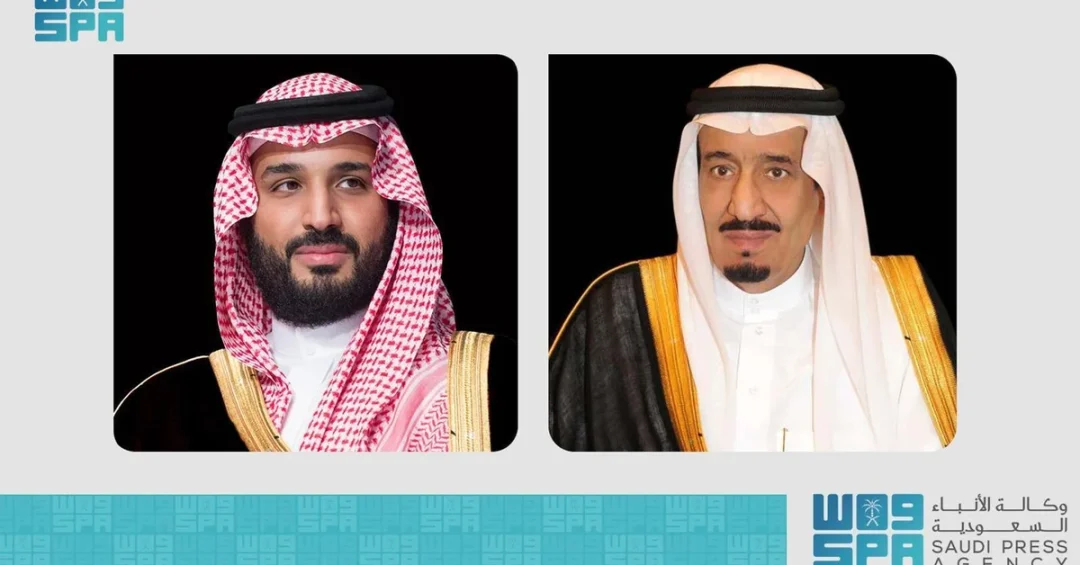
Custodian of the Two Holy Mosques King Salman bin Abdulaziz Al Saud and His Royal Highness Prince Mohammed bin Salman bin Abdulaziz Al Saud, Crown Prince and Prime Minister, have donated a combined SAR150 million to the second Jood Regions Campaign, launched on the occasion of the advent of Ramadan 1446 AH. The generous contribution, announced by the Saudi Press Agency on February 28, 2025, comprises SAR100 million from the Custodian of the Two Holy Mosques and SAR50 million from HRH the Crown Prince. This remarkable act of philanthropy underscores the Kingdom’s enduring commitment to housing programs and initiatives that provide homes for needy families across Saudi Arabia.
How does such leadership giving shape the lives of ordinary citizens? The donation reflects a deep-rooted tradition of royal generosity that has long defined Saudi leadership, particularly during the holy month of Ramadan. It also signals the continued prioritization of social welfare within the framework of Saudi Vision 2030, the national transformation plan championed by HRH the Crown Prince. The Jood Regions Campaign, which translates to “Generosity of Regions,” is a nationwide initiative designed to channel charitable contributions into sustainable housing solutions. By personally contributing to this campaign, the Saudi leadership sets a powerful example for citizens and residents alike, encouraging a culture of giving that strengthens the social fabric of the Kingdom.
Context and Background
What makes the Jood Regions Campaign a cornerstone of Saudi Arabia’s charitable ecosystem? Launched under the auspices of the Ministry of Municipalities and Housing, the campaign is a flagship initiative that mobilizes resources to provide adequate housing for families in need. The second edition, timed with the advent of Ramadan 1446 AH, builds on the success of the inaugural campaign, which demonstrated the effectiveness of coordinated philanthropic efforts across the Kingdom’s regions. Ramadan, a month of fasting, reflection, and generosity, provides a fitting backdrop for such initiatives, amplifying the spirit of compassion that characterizes Saudi society.
The campaign operates through a structured framework that identifies eligible families, ensures transparent distribution of funds, and partners with local authorities to deliver housing units. It aligns with the broader objectives of Saudi Vision 2030, which seeks to enhance the quality of life for all citizens, reduce dependency on government housing, and foster a vibrant non-profit sector. The Ministry of Municipalities and Housing, led by Minister Majed Al-Hogail, has been instrumental in driving these efforts, collaborating with various stakeholders to streamline the process and maximize impact. The royal donation serves as a catalyst, drawing attention to the campaign and inspiring further contributions from the private sector and individuals.
Historically, Saudi Arabia has maintained a robust social safety net, but the Jood Regions Campaign represents a modern, participatory approach to philanthropy. By leveraging digital platforms and community engagement, the initiative empowers citizens to contribute directly to housing solutions. This model not only addresses immediate needs but also builds long-term resilience by encouraging self-reliance and social solidarity. The leadership’s involvement elevates the campaign’s profile, ensuring that it receives the attention and resources necessary to achieve its ambitious goals.
Key Details
What specific mechanisms ensure that the SAR150 million donation translates into tangible housing outcomes? The contribution from the Custodian of the Two Holy Mosques and HRH the Crown Prince will be allocated to the campaign’s central fund, which is managed by the Ministry of Municipalities and Housing. These funds are earmarked for constructing new housing units, renovating existing structures, and providing financial assistance to families who cannot afford adequate accommodation. The ministry employs a rigorous vetting process to identify beneficiaries, prioritizing widows, orphans, the elderly, and families with limited income. Minister Al-Hogail expressed profound gratitude for the royal donation, emphasizing its significant impact on the quality of life and stability of beneficiary families.
The SAR100 million donation from King Salman and the SAR50 million from HRH the Crown Prince are not merely financial contributions; they are symbolic gestures that reinforce the leadership’s hands-on approach to social welfare. The King’s donation reflects his longstanding dedication to serving citizens, a hallmark of his reign. HRH the Crown Prince’s contribution aligns with his vision of a modern, compassionate Saudi Arabia where every citizen has the opportunity to thrive. Together, these donations set a precedent for other high-net-worth individuals and corporations to follow, potentially multiplying the campaign’s reach and effectiveness.
Moreover, the timing of the donation during Ramadan carries profound cultural significance. Ramadan is a period when Muslims are encouraged to engage in acts of charity and kindness. The leadership’s generosity during this sacred month serves as a spiritual and moral exemplar, inspiring a wave of giving across the Kingdom. It also highlights the seamless integration of religious values with national development goals, a synergy that underpins Saudi Arabia’s unique approach to progress.
International and Regional Impact
How does Saudi Arabia’s domestic philanthropy resonate on the global stage? The Jood Regions Campaign and the royal donation project an image of a nation that cares for its people, contrasting with stereotypes that sometimes overshadow the Kingdom’s humanitarian efforts. International observers, including foreign governments and non-governmental organizations, take note of such initiatives as evidence of Saudi Arabia’s commitment to social welfare and sustainable development. This positive image can enhance Saudi Arabia’s soft power, fostering goodwill and opening avenues for international cooperation in humanitarian fields.
Regionally, the campaign sets a benchmark for other Gulf Cooperation Council (GCC) states and Arab nations. By demonstrating a successful model of public-private partnership in housing, Saudi Arabia encourages its neighbors to adopt similar strategies to address their own social challenges. The Kingdom’s leadership in this domain reinforces its role as a stabilizing and progressive force in the Middle East. Furthermore, the campaign’s focus on housing aligns with global Sustainable Development Goals (SDGs), particularly Goal 11, which aims to make cities and human settlements inclusive, safe, resilient, and sustainable. Saudi Arabia’s efforts contribute to the global agenda, showcasing its active participation in international development frameworks.
The donation also sends a reassuring message to investors and international partners about the Kingdom’s social stability. A well-cared-for population is more productive, cohesive, and less prone to unrest, creating an environment conducive to economic growth and foreign investment. As Saudi Arabia continues to diversify its economy under Vision 2030, such social investments are critical for maintaining the harmony necessary for sustained prosperity.
Economic and Strategic Significance
What economic ripple effects can be expected from this injection of funds into the housing sector? The SAR150 million donation will stimulate activity in the construction industry, creating jobs and supporting small and medium-sized enterprises (SMEs) involved in building materials, contracting, and related services. This aligns with Vision 2030’s goal of boosting non-oil sectors and generating employment for Saudi nationals. The housing sector is a key pillar of the National Transformation Program, and initiatives like the Jood Regions Campaign help meet the growing demand for affordable housing, a pressing need given Saudi Arabia’s young and expanding population.
Strategically, the campaign reinforces the social contract between the leadership and the people. By addressing basic needs such as shelter, the government reduces poverty and inequality, which are essential for maintaining social cohesion. A stable and satisfied populace is better equipped to contribute to the nation’s economic diversification and innovation agenda. Moreover, the campaign encourages a culture of philanthropy among the private sector, potentially unlocking billions of riyals in additional contributions. This blended finance approach—where government, royal, corporate, and individual donations combine—maximizes resources and ensures the sustainability of social programs.
The donation also highlights the efficiency of Saudi Arabia’s charitable infrastructure. The Ministry of Municipalities and Housing has developed robust systems to ensure that funds are distributed fairly and effectively, minimizing waste and corruption. This transparency attracts more donors, as they can see the tangible results of their contributions. Over time, this can lead to a self-reinforcing cycle of generosity and impact, positioning Saudi Arabia as a global leader in innovative philanthropy.
Vision 2030 Alignment
How does the Jood Regions Campaign embody the core principles of Saudi Vision 2030? Vision 2030 is not solely about economic transformation; it is also about building a vibrant society where all citizens enjoy a high quality of life. The campaign directly supports this pillar by ensuring that families have access to adequate housing, a fundamental human right. It also promotes the values of social solidarity and volunteerism, which are essential for a cohesive society. The leadership’s donation exemplifies the kind of proactive, compassionate governance that Vision 2030 seeks to institutionalize.
Furthermore, the campaign leverages technology and data to identify beneficiaries and track outcomes, reflecting the digital transformation goals of Vision 2030. It empowers the non-profit sector, a key objective of the plan, by providing a platform for citizens to contribute to national development. As Saudi Arabia marches toward 2030, initiatives like Jood Regions will continue to play a vital role in ensuring that no one is left behind. The royal donation is a clear signal that the leadership is fully committed to this vision, and it inspires all Saudis to participate in the journey toward a brighter, more inclusive future.
In conclusion, the SAR150 million donation by the Custodian of the Two Holy Mosques and HRH the Crown Prince to the Jood Regions Campaign is more than a charitable act; it is a strategic investment in Saudi Arabia’s social fabric and future prosperity. It underscores the Kingdom’s unwavering dedication to the well-being of its citizens and its determination to achieve the ambitious goals of Vision 2030. As the campaign gains momentum, it will undoubtedly transform lives, strengthen communities, and further solidify Saudi Arabia’s standing as a compassionate and forward-looking nation on the global stage.
20 Questions
Q1. What is the Jood Regions Campaign?
A1. The Jood Regions Campaign is a national initiative launched by the Ministry of Municipalities and Housing to provide housing for needy families across Saudi Arabia. It mobilizes charitable contributions to build and renovate homes.
Q2. Who donated to the second Jood Regions Campaign?
A2. Custodian of the Two Holy Mosques King Salman bin Abdulaziz Al Saud donated SAR100 million, and HRH Prince Mohammed bin Salman bin Abdulaziz Al Saud, Crown Prince and Prime Minister, donated SAR50 million.
Q3. When was the donation announced?
A3. The donation was announced on February 28, 2025, corresponding to the advent of Ramadan 1446 AH, by the Saudi Press Agency.
Q4. What is the total amount donated by the two leaders?
A4. The total donation amounts to SAR150 million, with SAR100 million from King Salman and SAR50 million from HRH the Crown Prince.
Q5. Why is this donation significant?
A5. It underscores the leadership’s ongoing support for housing programs, sets an example for philanthropy, and directly improves the quality of life for needy families in the Kingdom.
Q6. How will the funds be used?
A6. The funds will be allocated to construct new housing units, renovate existing structures, and provide financial aid to eligible families, as managed by the Ministry of Municipalities and Housing.
Q7. Who expressed gratitude for the donation?
A7. Minister of Municipalities and Housing Majed Al-Hogail expressed gratitude, emphasizing the positive impact on families’ stability and quality of life.
Q8. What is the significance of launching the campaign during Ramadan?
A8. Ramadan is a month of generosity and compassion, making it an ideal time to launch charitable initiatives that reflect the values of Saudi society and encourage widespread giving.
Q9. How does the campaign align with Saudi Vision 2030?
A9. It supports Vision 2030’s goal of enhancing quality of life, empowering the non-profit sector, and fostering social solidarity, all of which are key pillars of the national transformation plan.
Q10. What impact does the campaign have on the Saudi economy?
A10. It stimulates the construction sector, creates jobs, supports SMEs, and contributes to economic diversification by boosting non-oil sectors, in line with Vision 2030 objectives.
Q11. How does the campaign ensure transparency?
A11. The Ministry of Municipalities and Housing employs rigorous vetting processes and transparent distribution mechanisms to ensure funds reach eligible beneficiaries efficiently and fairly.
Q12. Can individuals contribute to the Jood Regions Campaign?
A12. Yes, the campaign encourages contributions from all segments of society, including individuals, corporations, and philanthropic organizations, through official channels.
Q13. What types of families are prioritized?
A13. Widows, orphans, the elderly, and low-income families are among the priority groups identified by the ministry to receive housing assistance.
Q14. How does this donation reflect Saudi leadership’s values?
A14. It demonstrates the leadership’s compassion, commitment to citizen welfare, and adherence to Islamic principles of charity, especially during the holy month of Ramadan.
Q15. What is the role of the Ministry of Municipalities and Housing?
A15. The ministry oversees the campaign, identifies beneficiaries, manages funds, and coordinates with local authorities to implement housing projects across all regions.
Q16. How does the campaign impact regional stability?
A16. By addressing social needs and reducing inequality, the campaign contributes to social cohesion and stability, which are essential for regional peace and economic prosperity.
Q17. What message does this send to international observers?
A17. It showcases Saudi Arabia’s commitment to social welfare and sustainable development, enhancing its soft power and reputation as a responsible global actor.
Q18. Are there similar campaigns in other countries?
A18. While many nations have housing initiatives, Saudi Arabia’s model of royal leadership and nationwide mobilization is distinctive and serves as an example for others.
Q19. How can one learn more about the Jood Regions Campaign?
A19. Information is available through the Ministry of Municipalities and Housing’s official channels, including its website and social media platforms, as well as the Saudi Press Agency.
Q20. What is the long-term goal of the campaign?
A20. The ultimate goal is to eradicate housing insecurity in Saudi Arabia, ensuring every family has a decent home, thereby contributing to the Kingdom’s overall development and prosperity.
Reader Feedback
We value your thoughts. Please share your feedback on this article.
Your feedback helps us improve our coverage.
Related articles
 Northern Borders Region: 16 Years of Ramadan Iftar Tents
 Madinah Neighborhoods Strengthen Bonds Through Communal Ramadan Iftars
 King Salman Launches 5th National Charity Campaign via Ehsan
 Fifth National Charity Campaign Launched via Ehsan Platform
 Saudi Leadership Donates SAR70 Million to Ramadan Charity Campaign
 Saudi Human Rights Chairman: Women Key to Sustainable Development