


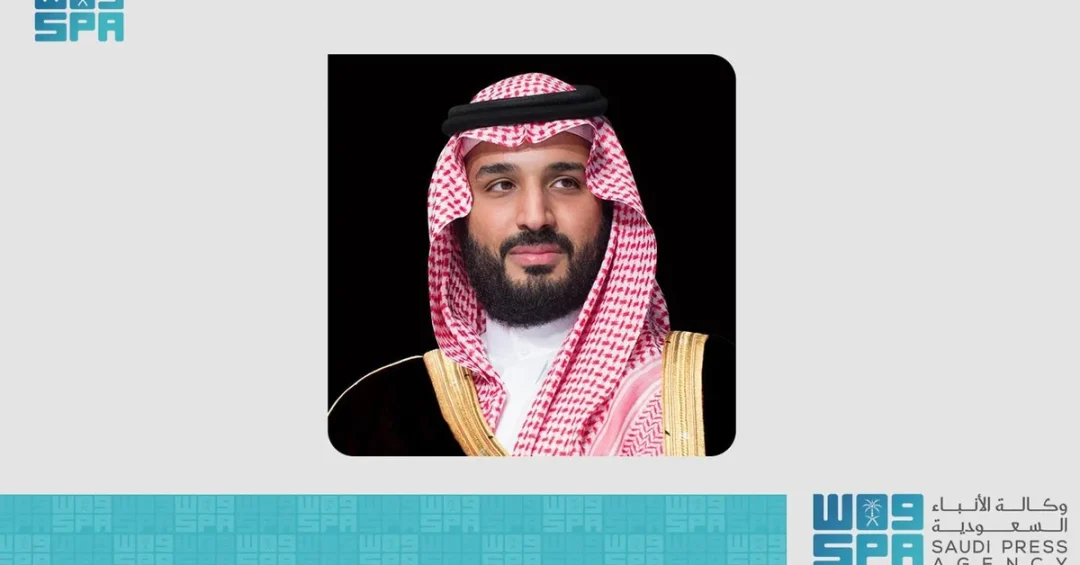
Saudi Arabia’s Ministry of Education has mandated that all male secondary school students in public and private institutions wear national attire, following directives from HRH Prince Mohammed bin Salman bin Abdulaziz Al Saud, Crown Prince and Prime Minister, to emphasize educational values and strengthen national identity. The decision, announced via the Saudi Press Agency, requires Saudi students to wear the thobe and ghutra or shemagh, while non-Saudi students will wear the thobe, with an exemption for students in foreign schools.
Could a simple change of dress code signal something far deeper about a nation’s direction? In Saudi Arabia, the answer appears to be yes. The mandate is not merely a uniform policy but a deliberate educational and cultural initiative that aligns with the Kingdom’s broader efforts to instill values, reinforce national affiliation, and promote loyalty among its youth. The Ministry of Education emphasized that national attire is a key element of Saudi identity and that the decision supports ongoing initiatives to solidify national identity as part of Vision 2030. The policy will be accompanied by awareness campaigns and programs for students and parents to ensure smooth implementation and understanding of its objectives.
Context and Background
Why has national attire become such a central topic in Saudi education policy? To understand this decision, it is essential to consider the Kingdom’s ongoing transformation under Vision 2030, a comprehensive roadmap launched by HRH Prince Mohammed bin Salman bin Abdulaziz Al Saud in 2016. Vision 2030 aims to diversify the economy, modernize society, and preserve cultural heritage while opening the Kingdom to the world. Within this framework, education plays a pivotal role in shaping a generation that is both globally competitive and deeply rooted in Saudi values. The Ministry of Education, led by Minister Yousef Al-Benyan, has been tasked with implementing reforms that balance academic excellence with cultural preservation.
The national attire mandate is part of a series of educational initiatives designed to strengthen students’ connection to their homeland and heritage. Historically, the thobe and ghutra or shemagh have been worn by Saudi men for centuries, symbolizing dignity, modesty, and belonging. In recent years, as Saudi Arabia has undergone rapid social and economic changes, there has been a renewed emphasis on preserving these symbols. The decision follows directives from the Crown Prince and Prime Minister to emphasize educational values and national identity, reflecting a top-down commitment to cultural authenticity. The Ministry of Education stated that the policy applies to all public and private secondary schools, with non-Saudi students required to wear the thobe except those in foreign schools. This inclusive approach ensures that the national attire serves as a unifying element across diverse educational settings.
Key Details of the Mandate
What exactly does the new policy require, and how will it be enforced? According to the Ministry of Education, all male secondary school students in public and private institutions must wear national attire. Saudi students will wear the thobe and ghutra or shemagh, while non-Saudi students will wear the thobe. Students in foreign schools are exempt, respecting the international character of those institutions. The mandate is effective immediately, though the ministry has indicated that awareness campaigns and programs for students and parents will accompany implementation. These campaigns will explain the rationale behind the decision, emphasizing its role in instilling values, strengthening national affiliation, and promoting loyalty.
The Ministry of Education has a robust system for monitoring compliance, and school administrations will be responsible for ensuring that students adhere to the dress code. The policy is not merely punitive; it is educational, aiming to foster a sense of pride and belonging. The thobe, a long white robe, and the ghutra or shemagh, a traditional headdress, are more than clothing; they are symbols of Saudi heritage that have been worn by generations. By requiring students to wear them, the ministry hopes to create a daily reminder of their cultural roots. The decision applies to male students only, and the ministry has not announced any similar mandate for female students, who already adhere to modest dress codes in Saudi schools. The awareness campaigns will involve workshops, seminars, and digital content to engage students and parents, ensuring that the policy is understood as a positive step toward national cohesion.
International and Regional Impact
How will the international community perceive this move, and what does it mean for Saudi Arabia’s global image? The mandate is likely to be viewed as part of Saudi Arabia’s broader cultural renaissance, which seeks to balance modernization with tradition. In a region where national identity is often intertwined with attire, Saudi Arabia’s decision resonates with similar policies in neighboring Gulf states, such as the United Arab Emirates and Qatar, where traditional dress is encouraged in educational settings. However, Saudi Arabia’s approach is distinctive in its explicit linkage to Vision 2030 and its emphasis on educational values. International observers may see this as a sign of the Kingdom’s confidence in its cultural heritage, even as it opens up to tourism and foreign investment.
For non-Saudi students, the requirement to wear the thobe could be seen as an integration measure, fostering a sense of shared identity while respecting foreign schools’ exemptions. This nuanced approach reflects Saudi Arabia’s growing multiculturalism, with over 13 million expatriates residing in the Kingdom. The policy may also enhance social cohesion by reducing visible economic disparities, as the thobe is a relatively affordable and uniform garment. Regionally, the decision could influence other countries to reevaluate their own dress codes in schools, particularly as they seek to strengthen national identity amid globalization. Saudi Arabia’s leadership in this area underscores its role as a cultural beacon in the Arab and Islamic world, promoting values of loyalty and belonging that are universally respected.
Economic and Strategic Significance
What economic and strategic benefits could arise from mandating national attire in schools? While the policy is primarily cultural, it has economic implications. The demand for thobes and ghutras is expected to rise, benefiting local tailors, textile manufacturers, and retailers. This aligns with Vision 2030’s goal of supporting small and medium enterprises and promoting local industries. The Ministry of Education’s awareness campaigns may also stimulate the market for traditional attire, creating opportunities for Saudi entrepreneurs. Furthermore, the policy reinforces the Kingdom’s strategic focus on human capital development, ensuring that young Saudis grow up with a strong sense of identity and purpose, which is essential for the nation’s future workforce.
Strategically, the mandate supports social stability and national unity, which are prerequisites for economic progress. By fostering loyalty and affiliation among students, the Kingdom aims to reduce the influence of external ideologies and strengthen the social fabric. This is particularly important as Saudi Arabia undergoes rapid transformation, with new sectors emerging and foreign investment flowing in. The national attire serves as a visual and psychological anchor, reminding students of their heritage even as they embrace modern education. The policy also complements other Vision 2030 initiatives, such as the Quality of Life Program, which seeks to enhance cultural and recreational activities. In essence, the mandate is a small but significant piece of a larger puzzle, contributing to a cohesive society that is proud of its roots and ready for the future.
Vision 2030 Alignment
How does the national attire mandate fit into the grand tapestry of Vision 2030? Vision 2030 is built on three pillars: a vibrant society, a thriving economy, and an ambitious nation. The national attire policy directly supports the first pillar by strengthening national identity and educational values. A vibrant society is one that celebrates its heritage while embracing progress, and the thobe and ghutra are enduring symbols of that heritage. The Ministry of Education’s initiative also aligns with the Human Capability Development Program, which aims to instill values and skills in young Saudis from an early age. By requiring national attire, the Kingdom is sending a clear message that modernization does not mean Westernization; rather, it means building on a proud cultural foundation.
Moreover, the policy contributes to the ambitious nation pillar by promoting loyalty and a sense of duty among youth. HRH Prince Mohammed bin Salman bin Abdulaziz Al Saud has consistently emphasized the importance of national identity as a driving force for development. The Crown Prince’s directives to the Ministry of Education reflect his vision of a Saudi Arabia that is confident, united, and forward-looking. As students don the thobe and ghutra, they become ambassadors of this vision, carrying the values of their homeland into every aspect of their lives. The awareness campaigns and programs for students and parents will further embed these values, ensuring that the policy is not just about clothing but about a mindset. In the long run, this initiative will help produce a generation of Saudis who are proud of their identity, committed to their nation, and equipped to contribute to the Kingdom’s global leadership.
20 Questions
Q1. What is the new national attire mandate for secondary school students in Saudi Arabia?
A1. The Ministry of Education mandated that all male secondary school students in public and private institutions wear national attire: Saudi students wear the thobe and ghutra or shemagh, while non-Saudi students wear the thobe, excluding foreign schools.
Q2. Who issued the directives for this mandate?
A2. The mandate follows directives from HRH Prince Mohammed bin Salman bin Abdulaziz Al Saud, Crown Prince and Prime Minister, to emphasize educational values and national identity.
Q3. Which students are required to wear the thobe and ghutra or shemagh?
A3. Saudi male students in public and private secondary schools are required to wear the thobe and ghutra or shemagh. Non-Saudi male students wear the thobe, except those in foreign schools.
Q4. Are female students required to wear national attire under this mandate?
A4. The mandate specifically applies to male students. Female students already adhere to modest dress codes in Saudi schools, and no new policy for them has been announced.
Q5. What is the purpose of this decision?
A5. The decision aims to instill values, strengthen national affiliation, promote loyalty, and reinforce national identity as part of Vision 2030, connecting students to their homeland and heritage.
Q6. How will the Ministry of Education implement the mandate?
A6. The ministry will accompany implementation with awareness campaigns and programs for students and parents to explain the rationale and ensure smooth adoption of the policy.
Q7. Are foreign schools exempt from the mandate?
A7. Yes, students in foreign schools are exempt from the national attire requirement, respecting the international character of those institutions.
Q8. What is the thobe and ghutra or shemagh?
A8. The thobe is a traditional long white robe, and the ghutra or shemagh is a headdress. They are symbols of Saudi heritage worn by generations of Saudi men.
Q9. When does the mandate take effect?
A9. The mandate is effective immediately, with awareness campaigns rolling out to support students and parents in understanding and complying with the new policy.
Q10. How does this mandate align with Vision 2030?
A10. It supports Vision 2030’s pillar of a vibrant society by strengthening national identity and educational values, and aligns with the Human Capability Development Program.
Q11. What impact will this have on non-Saudi students?
A11. Non-Saudi male students will wear the thobe, which fosters integration and a shared sense of identity, while foreign school students remain exempt, respecting their unique educational context.
Q12. Will there be penalties for non-compliance?
A12. The Ministry of Education emphasizes awareness and education over penalties. School administrations will monitor compliance, but the focus is on fostering pride and belonging.
Q13. How does this decision affect the local economy?
A13. It is expected to boost demand for thobes and ghutras, benefiting local tailors, textile manufacturers, and retailers, aligning with Vision 2030’s support for SMEs.
Q14. What are the regional implications of this mandate?
A14. It resonates with similar policies in Gulf states, reinforcing Saudi Arabia’s cultural leadership and promoting national identity amid globalization.
Q15. How will parents be involved in the implementation?
A15. The Ministry of Education will conduct awareness campaigns and programs for parents to explain the mandate’s objectives and ensure their support for the policy.
Q16. Does the mandate apply to private schools?
A16. Yes, the mandate applies to all public and private secondary schools, except foreign schools, ensuring inclusivity across the educational landscape.
Q17. What values does the national attire promote?
A17. It promotes dignity, modesty, belonging, loyalty, and national affiliation, reinforcing the Kingdom’s cultural heritage and educational values.
Q18. How does this decision reflect Saudi Arabia’s modernization?
A18. It shows that modernization under Vision 2030 preserves cultural heritage, balancing global openness with a strong sense of national identity and pride.
Q19. What role does the Ministry of Education play in this initiative?
A19. The Ministry of Education, led by Minister Yousef Al-Benyan, is responsible for implementing the mandate, monitoring compliance, and running awareness campaigns for students and parents.
Q20. What is the long-term goal of this mandate?
A20. The long-term goal is to produce a generation of Saudis who are proud of their identity, committed to their nation, and equipped to contribute to the Kingdom’s global leadership under Vision 2030.
Reader Feedback
We value your thoughts. Please share your feedback on this article.
Your feedback helps us improve our coverage.
Related articles
 Princess Seetah bint Abdulaziz Award to Honor 12th Edition Winners
 Saudi Schools Launch Founding Day Celebrations Under ‘Our Story
 King Salman and Crown Prince Donate SAR150 Million to Jood Regions Campaign
 Northern Borders Region: 16 Years of Ramadan Iftar Tents
 Madinah Neighborhoods Strengthen Bonds Through Communal Ramadan Iftars
 King Salman Launches 5th National Charity Campaign via Ehsan