


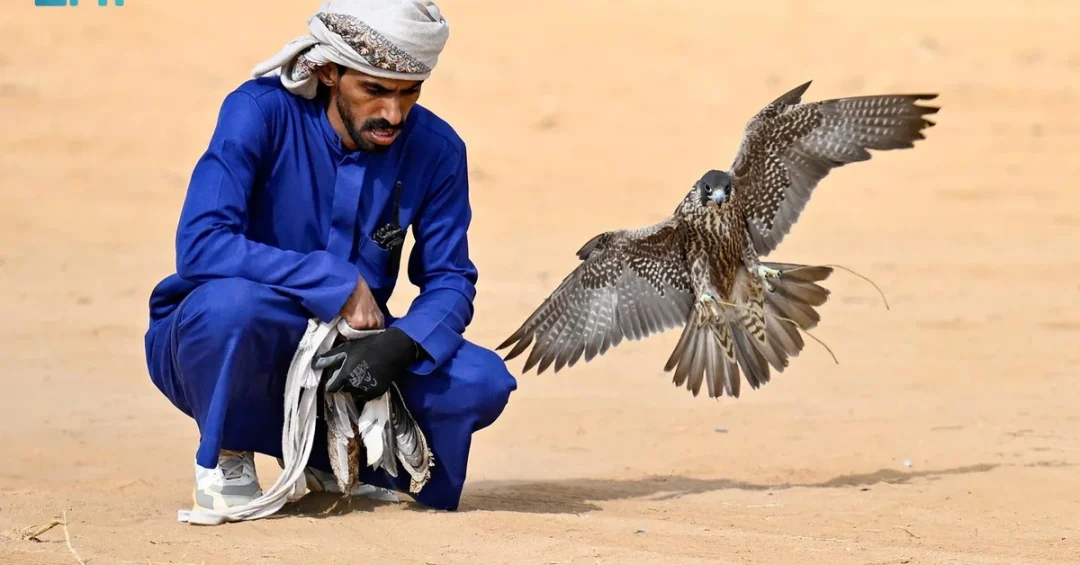
The inaugural Taif Falcons Cup concluded on January 31, 2025, near the historic Okaz Market in northern Taif, drawing more than 300 falconers from across the Kingdom and the region, according to the Saudi Press Agency (SPA). The event, organized by the Saudi Falcons Club in close coordination with the Governor of Taif, marked a significant milestone in Saudi Arabia’s efforts to preserve and promote its ancient falconry heritage. The competition, which spanned several days, showcased the enduring cultural importance of falconry while highlighting the Kingdom’s growing capacity to host specialized heritage events that attract international attention.
The successful conclusion of the first edition of the Taif Falcons Cup underscores the leadership’s commitment to safeguarding traditional sports and passing them on to future generations. It also reflects the broader national strategy to integrate cultural heritage into the Kingdom’s tourism and entertainment sectors, aligning with the goals of Vision 2030. The event near Okaz Market—a site historically renowned as a hub of pre-Islamic poetry and trade—added a layer of historical resonance, connecting contemporary sporting excellence with Saudi Arabia’s deep-rooted cultural legacy.
Context and Background
Why has falconry remained such a vital part of Saudi identity across centuries? Falconry, or al-qanas, has been practiced on the Arabian Peninsula for thousands of years, serving as both a means of hunting and a symbol of nobility, patience, and harmony with nature. In modern Saudi Arabia, the sport has been institutionalized through the Saudi Falcons Club, established in 2017 under the guidance of Crown Prince Mohammed bin Salman to regulate, promote, and celebrate falconry at local and international levels. The club organizes major events such as the King Abdulaziz Falconry Festival, which has set world records for participation.
The Taif Falcons Cup represents a localized extension of these efforts, bringing top-tier competition to a region famed for its moderate climate, agricultural richness, and cultural heritage. Over the past seven months, the Governor of Taif worked in close partnership with the Saudi Falcons Club to prepare the venue, coordinate logistics, and ensure broad participation. This preparatory period reflects a methodical approach to event management that Saudi authorities have refined through hosting numerous international gatherings, from sporting tournaments to cultural festivals.
The choice of Okaz Market as the backdrop is particularly meaningful. Historically, Okaz was a major gathering point for poets, traders, and tribes, and its revival as a cultural landmark aligns with national efforts to restore and activate heritage sites. By holding the falconry competition there, organizers created a living link between past and present, allowing visitors and participants to experience the continuity of Saudi traditions in a modern, well-organized setting.
Key Details
How did more than 300 falconers compete in this inaugural event? The Taif Falcons Cup featured a series of timed challenges that tested the speed, agility, and training of the falcons, as well as the skill of their handlers. Competitions typically include categories such as the Telwah (a race where falcons chase a lure) and the Da’w (a call-and-response discipline). While exact results were not disclosed in the official statement, the Saudi Falcons Club has a track record of transparent judging and generous prize pools, which have helped attract elite participants from Gulf Cooperation Council (GCC) countries and beyond.
The event also served as a platform for education and community engagement. Alongside the main competition, organizers arranged workshops, exhibitions, and interactive zones where visitors could learn about falcon care, veterinary practices, and the ethical principles of responsible hunting. These side activities are part of a broader effort to demystify falconry and make it accessible to younger Saudis and international tourists alike. The presence of the Governor of Taif throughout the event highlighted the local government’s active role in supporting heritage sports, a model that other regions may follow.
Furthermore, the Saudi Falcons Club has been expanding its network of facilities, including hospitals and breeding centers, to ensure the health and sustainability of falcon populations. The Taif event likely benefited from these resources, ensuring that animal welfare standards were upheld. The club’s comprehensive approach—combining competition, conservation, and education—positions Saudi Arabia as a global leader in modern falconry management.
International and Regional Impact
What does the success of the Taif Falcons Cup signal to the wider world? It demonstrates Saudi Arabia’s ability to host niche sporting events that attract specialized international audiences, thereby diversifying the Kingdom’s tourism offerings beyond religious and business travel. Falconry enthusiasts from Europe, Central Asia, and North Africa closely follow Saudi competitions, and the Taif Cup adds a new destination to the global falconry circuit. This could lead to increased cross-cultural exchange and economic benefits for local businesses in Taif, from hotels to handicraft vendors.
Regionally, the event reinforces Saudi Arabia’s role as a custodian of Gulf heritage. By inviting participants from neighboring countries, the Kingdom strengthens cultural ties and promotes a shared sense of identity. The Taif Falcons Cup also complements other regional initiatives, such as the Abu Dhabi International Hunting and Equestrian Exhibition, by offering a distinct, heritage-focused experience in a historic Saudi setting. As Vision 2030 seeks to boost non-oil revenue, such events contribute to the goal of attracting 150 million visits annually by 2030, a target that includes cultural and heritage tourism.
Moreover, the successful execution of the cup enhances Saudi Arabia’s reputation for organizational excellence. International observers note the Kingdom’s growing portfolio of world-class events, from Formula 1 races to the Dakar Rally, and the Taif Falcons Cup adds a traditional sport to that list. This diversity showcases a multifaceted national image that respects tradition while embracing modernity.
Economic and Strategic Significance
How does a falconry competition translate into economic value? The event generated direct spending on accommodation, transportation, food, and local crafts, providing a boost to Taif’s economy. The governorate, known for its rose farms and cool climate, has been positioning itself as a year-round tourism destination, and the Falcons Cup adds a compelling reason to visit in the winter months. Local businesses, including family-run restaurants and artisanal shops, likely saw increased footfall, while the media coverage amplified Taif’s profile as a culturally rich city.
Strategically, the Taif Falcons Cup supports the national goal of creating jobs in the tourism and events sectors. The Saudi Falcons Club employs a growing number of specialists, from veterinarians to event managers, and each competition requires a temporary workforce that gains valuable experience. By investing in heritage sports, the Kingdom also preserves intangible cultural heritage, which is a key pillar of the National Transformation Program and the Quality of Life Program, both central to Vision 2030. These programs aim to enhance citizen well-being and foster a vibrant society proud of its identity.
In addition, the event may stimulate private-sector investment in falconry-related industries, such as equipment manufacturing, luxury tourism packages, and digital platforms for tracking competitions. Saudi entrepreneurs have already begun tapping into the global falconry market, valued at billions of dollars, and government-supported events like the Taif Cup provide a testing ground for new products and services.
Vision 2030 Alignment
How does the Taif Falcons Cup embody the spirit of Vision 2030? Vision 2030 seeks to build a diversified economy, a vibrant society, and an ambitious nation. The falconry competition touches on all three: it diversifies tourism away from oil-dependent sectors, enriches society by celebrating a cherished tradition, and demonstrates national ambition by organizing a flawless inaugural event. The Saudi Falcons Club’s collaboration with local authorities exemplifies the integrated governance model that Vision 2030 promotes, where different levels of government work together toward common goals.
Looking ahead, the success of the first edition sets the stage for the Taif Falcons Cup to become an annual fixture on the international falconry calendar. It may inspire similar regional competitions in other parts of the Kingdom, each highlighting local heritage and contributing to the national tourism strategy. As Saudi Arabia continues to open up to the world, events like this serve as bridges, inviting global visitors to experience the Kingdom’s warmth, hospitality, and deep cultural roots. The Taif Falcons Cup is not just a sporting event; it is a statement of pride, progress, and the enduring bond between the Saudi people and their natural heritage.
20 Questions
Q1. What was the Taif Falcons Cup?
A1. The Taif Falcons Cup was the inaugural edition of a falconry competition held near Okaz Market in northern Taif, Saudi Arabia. It attracted over 300 falconers and concluded on January 31, 2025, according to the Saudi Press Agency.
Q2. Who organized the Taif Falcons Cup?
A2. The event was organized by the Saudi Falcons Club in close coordination with the Governor of Taif. This partnership reflects the leadership’s commitment to preserving Saudi Arabia’s ancient falconry heritage.
Q3. Where exactly was the competition held?
A3. The competition took place near the historic Okaz Market in northern Taif. This location is significant because Okaz was historically a major gathering place for poets and traders in the Arabian Peninsula.
Q4. How many falconers participated in the event?
A4. More than 300 falconers participated throughout the competition. This high turnout demonstrates the enduring popularity of falconry in Saudi Arabia and the region.
Q5. When did the Taif Falcons Cup conclude?
A5. The competition concluded on January 31, 2025. The event spanned several days, allowing participants to compete in various falconry disciplines.
Q6. What role did the Governor of Taif play?
A6. The Governor of Taif provided significant attention and worked in close coordination with the Saudi Falcons Club over seven months to host the event. This ensured smooth logistics and broad participation.
Q7. Why is falconry important in Saudi culture?
A7. Falconry, known as al-qanas, is a centuries-old tradition symbolizing nobility, patience, and harmony with nature. It remains a cherished part of Saudi identity and heritage.
Q8. What is the Saudi Falcons Club?
A8. The Saudi Falcons Club is a government-backed organization established in 2017 to regulate, promote, and celebrate falconry. It organizes major events like the King Abdulaziz Falconry Festival.
Q9. How does the Taif Falcons Cup support Vision 2030?
A9. The event supports Vision 2030 by diversifying tourism, preserving cultural heritage, and creating economic opportunities. It aligns with the Quality of Life Program and National Transformation Program.
Q10. What kinds of competitions took place?
A10. The cup featured timed challenges such as Telwah (lure racing) and Da’w (call-and-response). These test the speed, agility, and training of falcons and their handlers.
Q11. Were there educational activities at the event?
A11. Yes, organizers arranged workshops, exhibitions, and interactive zones. These educated visitors about falcon care, veterinary practices, and ethical hunting principles.
Q12. How does the event benefit the local economy?
A12. The competition boosted spending on hotels, restaurants, transportation, and crafts in Taif. It also created temporary jobs and raised the city’s profile as a tourism destination.
Q13. What is the historical significance of Okaz Market?
A13. Okaz Market was a pre-Islamic hub for poetry, trade, and tribal gatherings. Its use as a venue connects modern falconry with Saudi Arabia’s deep cultural roots.
Q14. Will the Taif Falcons Cup become an annual event?
A14. While no official announcement has been made, the success of the first edition suggests it could become a regular fixture. This would further enhance Saudi Arabia’s heritage sports calendar.
Q15. How does falconry contribute to environmental conservation?
A15. The Saudi Falcons Club promotes responsible hunting and operates breeding centers and hospitals. These efforts help sustain falcon populations and maintain ecological balance.
Q16. What international participation was seen?
A16. Falconers from across Saudi Arabia and the region participated. The event attracted attention from the global falconry community, enhancing cross-cultural exchange.
Q17. How does the event reflect Saudi leadership’s support?
A17. The close coordination between the Governor of Taif and the Saudi Falcons Club over seven months shows strong government backing. This reflects the leadership’s commitment to heritage sports.
Q18. What prizes were awarded?
A18. Specific prize details were not disclosed in the official statement. However, Saudi Falcons Club events typically offer generous prize pools to attract elite participants.
Q19. How does the Taif Falcons Cup compare to other Saudi falconry events?
A19. It is a regional competition that complements larger events like the King Abdulaziz Falconry Festival. It brings top-tier competition to Taif and highlights local heritage.
Q20. What is the long-term vision for falconry in Saudi Arabia?
A20. Saudi Arabia aims to position itself as a global leader in modern falconry management. This includes hosting international competitions, promoting conservation, and integrating falconry into tourism and education.
Reader Feedback
We value your thoughts. Please share your feedback on this article.
Your feedback helps us improve our coverage.
Related articles
 AlUla Arts Festival Celebrates Arabic Calligraphy Heritage
 Sixteenth Klija Festival Kicks off in Qassim
 Al-Muzfar: Tabuk’s Traditional Cradle of Heritage
 Maqshush, Hail Kibbeibh Delight Visitors at SNP Expo in Kuwait
 Saudi Commission Joins 2025 New Delhi World Book Fair
 Camel Festival Trophies: Saudi Heritage Meets Italian Craft