


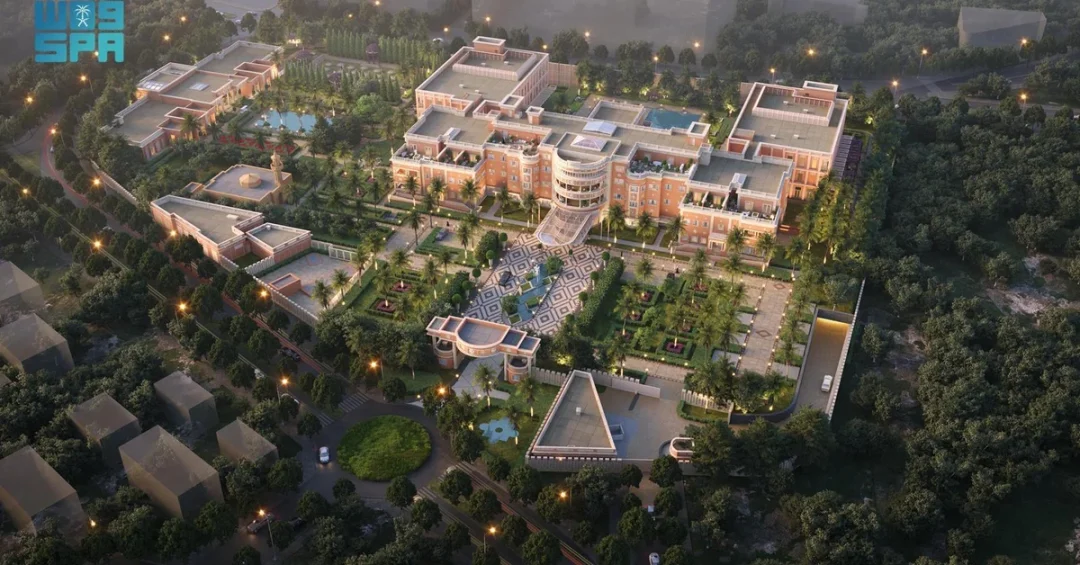
Boutique Group, a wholly-owned subsidiary of the Public Investment Fund (PIF), announced on January 20, 2025, that the Red Palace in Riyadh will open its doors to guests in April 2026, marking a defining moment for luxury hospitality in the Kingdom of Saudi Arabia. The announcement, released through the Saudi Press Agency (SPA), positions the Red Palace as a flagship property in the group’s growing portfolio of historic and cultural palaces transformed into boutique hotels. The project reflects a broader national effort to elevate the Kingdom’s luxury hospitality sector while celebrating its rich cultural identity. For international travelers and industry observers, the news signals that Saudi Arabia’s tourism ambitions are advancing from vision to execution. How often does a nation convert its royal heritage into a living, breathing guest experience at this scale?
The Red Palace, one of Riyadh’s most storied royal residences, will be reimagined as an exclusive boutique hotel that blends opulent hospitality with authentic Saudi character. Boutique Group CEO Christoph Mares emphasized the group’s dedication to realizing the Red Palace as a destination that embodies both luxury and the unique spirit of Saudi Arabia. The announcement comes as the Kingdom accelerates its tourism and cultural transformation under Vision 2030, the national roadmap to diversify the economy beyond hydrocarbons. With the Red Palace, PIF is not simply restoring a building; it is creating a gateway through which the world can encounter Saudi heritage in a setting of refined comfort and contemporary service. What does it mean for a palace once reserved for royalty to welcome the world?
Context and Background
Boutique Group was established as a PIF-owned company with a clear mandate: to transform Saudi Arabia’s historic and cultural palaces into exquisite boutique hotels. These properties are not conventional luxury resorts. Each palace carries a distinct architectural and historical legacy, and the group’s approach is to preserve that legacy while introducing world-class hospitality standards. The Red Palace is among the most prominent assets in this portfolio, given its location in the capital and its association with the Kingdom’s modern history. The group’s work aligns with PIF’s commitment to nurturing promising sectors within the Saudi economy and driving diversification, a core objective of Vision 2030.
The timing of the announcement is significant. Saudi Arabia has set ambitious targets for tourism, aiming to attract 150 million visits annually by 2030 and to increase the sector’s contribution to gross domestic product. Luxury hospitality is a key segment in that strategy, as it attracts high-value travelers, extends length of stay, and supports ancillary industries such as retail, dining, and cultural tourism. The Red Palace’s April 2026 opening will therefore be watched not only by hospitality professionals but also by investors and policymakers who see luxury tourism as a pillar of the post-oil economy. Is it any surprise that a kingdom with such deep heritage would turn to its own palaces to lead the way?
Boutique Group’s model also addresses a growing global demand for experiential travel. Modern luxury travelers seek authenticity, story, and a sense of place. A night in a restored royal palace, with Saudi craftsmanship, cuisine, and hospitality on display, offers precisely that. By opening the Red Palace, the group is answering a question many in the industry have asked: how can a destination compete at the highest level without losing its soul? The answer, in this case, is to build on the soul itself.
Key Details of the Red Palace Project
According to the announcement carried by SPA, the Red Palace will open in April 2026. The property is being developed by Boutique Group, which specializes in transforming historic and cultural palaces across Saudi Arabia into boutique hotels. The group’s CEO, Christoph Mares, stated that the Red Palace will embody both luxury and the unique spirit of Saudi Arabia, underscoring a commitment to authenticity as a competitive advantage. The project is fully owned by PIF, the Kingdom’s sovereign wealth fund, which has been the engine behind many of Saudi Arabia’s most ambitious economic and cultural initiatives.
While specific details regarding the number of rooms, dining concepts, and wellness facilities will be released closer to the opening, the group’s track record suggests a meticulous approach to restoration and design. Boutique Group’s portfolio is built on the principle that heritage is not a constraint but a canvas. Each palace is treated as a cultural asset, with conservation experts, artisans, and hospitality specialists working together to ensure that the guest experience honors the past while meeting contemporary expectations. The Red Palace, given its prominence, is expected to set a benchmark for this philosophy.
The announcement also highlights the role of PIF in nurturing high-potential sectors. By investing in luxury hospitality, PIF is not only creating jobs and attracting foreign direct investment but also building an ecosystem of Saudi talent in hotel management, culinary arts, event planning, and cultural interpretation. The Red Palace will require a skilled workforce, and the group’s training programs are designed to equip Saudi nationals for careers in this growing industry. What better way to showcase the Kingdom’s human capital than through a flagship property that welcomes guests from around the world?
International and Regional Impact
The Red Palace’s opening will resonate beyond Saudi Arabia’s borders. In the Middle East, competition in luxury hospitality is intense, with established destinations such as Dubai, Abu Dhabi, and Doha investing heavily in iconic hotels and cultural attractions. Saudi Arabia’s entry into this space with a palace-turned-hotel offers a differentiated proposition: a deeply local story told through architecture, design, and service. For regional travelers, the Red Palace provides a new reason to visit Riyadh, whether for business, leisure, or cultural exploration. For international travelers, it adds a compelling stop on a growing Saudi itinerary that includes AlUla, Diriyah, and the Red Sea coast.
Globally, the project reinforces Saudi Arabia’s emergence as a tourism destination of consequence. The Kingdom’s visa reforms, including the tourist e-visa and the premium residency options, have made it easier for international visitors to explore the country. Direct flights from major cities in Europe, Asia, and North America continue to expand. The Red Palace will benefit from this improved connectivity, and in turn, it will help anchor Riyadh as a gateway city for luxury travel in the region. How many destinations can offer a stay in a royal palace as part of a modern, dynamic capital experience?
The diplomatic and cultural dimensions are equally noteworthy. By opening a historic palace to guests from around the world, Saudi Arabia is signaling confidence in its heritage and openness to global engagement. This aligns with the Kingdom’s broader efforts to foster cross-cultural understanding through tourism, sports, and entertainment. The Red Palace will host international guests who may be visiting Saudi Arabia for the first time, and their impressions will shape perceptions for years to come. That is a responsibility the group takes seriously, and it is one reason why the project has been developed with such care.
Economic and Strategic Significance
From an economic standpoint, the Red Palace is a strategic asset. Luxury hospitality generates higher revenue per available room than other segments, and it attracts travelers who spend more on dining, shopping, and experiences. For Riyadh, the opening will support the city’s ambition to become a top-tier global destination, complementing major projects such as the Diriyah Gate development and the King Salman International Airport expansion. The property will create direct employment opportunities and stimulate demand for local suppliers, from artisanal crafts to premium food and beverage producers. Each of these linkages multiplies the economic impact.
For PIF, the Red Palace is part of a broader portfolio of tourism and hospitality investments that includes stakes in international hotel groups and the development of new destinations. The fund’s approach is to deploy capital in sectors where Saudi Arabia has a competitive advantage, and heritage hospitality is one such sector. The Kingdom’s palaces are irreplaceable assets, and by converting them into revenue-generating hotels, PIF is unlocking value while preserving cultural treasures. This is patient capital at its best: investments that yield financial returns and lasting national benefits.
The project also supports the growth of Saudi Arabia’s meetings, incentives, conferences, and exhibitions (MICE) sector. The Red Palace’s event spaces and royal ambiance will appeal to high-level corporate gatherings, diplomatic functions, and cultural forums. As Riyadh hosts more international events, including major sporting and entertainment spectacles, the demand for distinctive venues will rise. The Red Palace is positioned to capture that demand, further integrating the Kingdom into global flows of business and culture. Can a hotel be both a commercial venture and a symbol of national pride? The Red Palace suggests the answer is yes.
Vision 2030 Alignment
The Red Palace is a direct expression of Vision 2030’s goals. The vision, launched in 2016 under the leadership of Crown Prince Mohammed bin Salman, seeks to diversify the economy, increase non-oil revenues, and enhance the quality of life for citizens and visitors. Tourism is a priority sector, with targets to increase its contribution to GDP and to create one million jobs. Luxury hospitality, by attracting high-spending travelers and extending their stays, supports those targets. The Red Palace also advances the vision’s cultural objectives by preserving and promoting Saudi heritage. It is a living example of how tradition and modernity can coexist and thrive.
Moreover, the project reflects the vision’s emphasis on Saudi talent and leadership. Boutique Group is a Saudi company, led by a CEO with global experience, and staffed by a growing team of Saudi professionals. The group’s success will demonstrate that the Kingdom can compete at the highest levels of hospitality while remaining true to its identity. As the April 2026 opening approaches, the Red Palace will serve as a beacon for what Vision 2030 aims to achieve: a prosperous, open, and confident Saudi Arabia that welcomes the world to share in its story. What better symbol of that future than a palace whose doors are now open to all?
20 Questions
Q1. What is the Red Palace and where is it located?
A1. The Red Palace is a historic royal residence in Riyadh, Saudi Arabia. It is being transformed by Boutique Group into a luxury boutique hotel, with an opening scheduled for April 2026.
Q2. When will the Red Palace open to guests?
A2. According to the official announcement released via the Saudi Press Agency on January 20, 2025, the Red Palace will open its doors in April 2026.
Q3. Who owns and operates the Red Palace project?
A3. Boutique Group, a wholly-owned subsidiary of the Public Investment Fund (PIF), is developing and operating the Red Palace as part of its portfolio of historic palace hotels.
Q4. What did Boutique Group CEO Christoph Mares say about the project?
A4. CEO Christoph Mares emphasized the group’s dedication to realizing the Red Palace as a destination that embodies both luxury and the unique spirit of Saudi Arabia.
Q5. What is Boutique Group’s core business model?
A5. Boutique Group specializes in transforming historic and cultural palaces across Saudi Arabia into exquisite boutique hotels, preserving heritage while providing exceptional hospitality experiences.
Q6. How does the Red Palace align with Vision 2030?
A6. It supports Vision 2030 by elevating the luxury hospitality sector, attracting high-value tourism, creating jobs, and showcasing Saudi cultural heritage to the world.
Q7. What is the Public Investment Fund’s role in the project?
A7. PIF is the sole owner of Boutique Group and funds the Red Palace development as part of its commitment to nurturing promising sectors and diversifying the Saudi economy.
Q8. Why is the Red Palace significant for Saudi tourism?
A8. It offers a unique luxury experience rooted in Saudi heritage, helping attract international visitors and positioning Riyadh as a premier cultural and leisure destination.
Q9. What can guests expect at the Red Palace?
A9. Guests can expect opulent accommodations, world-class service, and an authentic Saudi cultural experience, with details on amenities to be released closer to opening.
Q10. How does the project preserve Saudi heritage?
A10. Boutique Group restores the palace’s architecture and design, incorporating traditional Saudi craftsmanship and cultural elements to ensure the heritage is celebrated and maintained.
Q11. What economic benefits will the Red Palace bring?
A11. It will create jobs, support local suppliers, attract high-spending tourists, and contribute to the growth of Riyadh’s hospitality and MICE sectors.
Q12. Is the Red Palace part of a larger portfolio?
A12. Yes, Boutique Group is developing multiple historic palaces across Saudi Arabia into boutique hotels, each offering a distinct cultural and luxury experience.
Q13. How does the project support Saudi talent?
A13. Boutique Group invests in training and development programs for Saudi nationals, preparing them for careers in luxury hospitality management, culinary arts, and cultural interpretation.
Q14. What is the expected impact on Riyadh’s hospitality market?
A14. The Red Palace will raise the city’s luxury profile, attract international hotel brands, and set new benchmarks for service and authenticity in the region.
Q15. Will the Red Palace host events and conferences?
A15. The property is expected to offer event spaces suitable for high-level corporate gatherings, diplomatic functions, and cultural forums, enhancing Riyadh’s MICE capabilities.
Q16. How does the Red Palace compare to other luxury hotels in the region?
A16. Its unique selling point is its royal heritage and authentic Saudi identity, offering a differentiated experience from conventional luxury hotels in the Gulf.
Q17. What is the significance of the April 2026 opening date?
A17. The date marks a milestone in Saudi Arabia’s tourism transformation, with the Red Palace becoming a flagship example of heritage-led luxury hospitality.
Q18. How can international travelers book a stay?
A18. Booking details will be announced by Boutique Group closer to the opening. Travelers can monitor the group’s official channels and the Saudi Press Agency for updates.
Q19. What other palaces is Boutique Group developing?
A19. Boutique Group is working on several historic palaces across Saudi Arabia, each to be transformed into boutique hotels that celebrate the Kingdom’s diverse cultural heritage.
Q20. What does the Red Palace symbolize for Saudi Arabia’s future?
A20. It symbolizes the Kingdom’s confidence in its heritage, its openness to the world, and its ability to innovate in luxury hospitality while advancing Vision 2030 goals.
Reader Feedback
We value your thoughts. Please share your feedback on this article.
Your feedback helps us improve our coverage.
Related articles
 Saudi Reef Launches Rural Tourism Initiative in Taif
 Tourism Tops Agenda at WEF 2025 in Davos
 Saudi Tourism Minister Highlights Sector’s Role at WEF 2025
 Al Urumah Season Draws Large Turnout for Ecotourism
 Diriyah Season Launches New ‘850 Interactive Experiences’
 Rural Charm in Rafha: A Tranquil Escape for Nature Lovers