


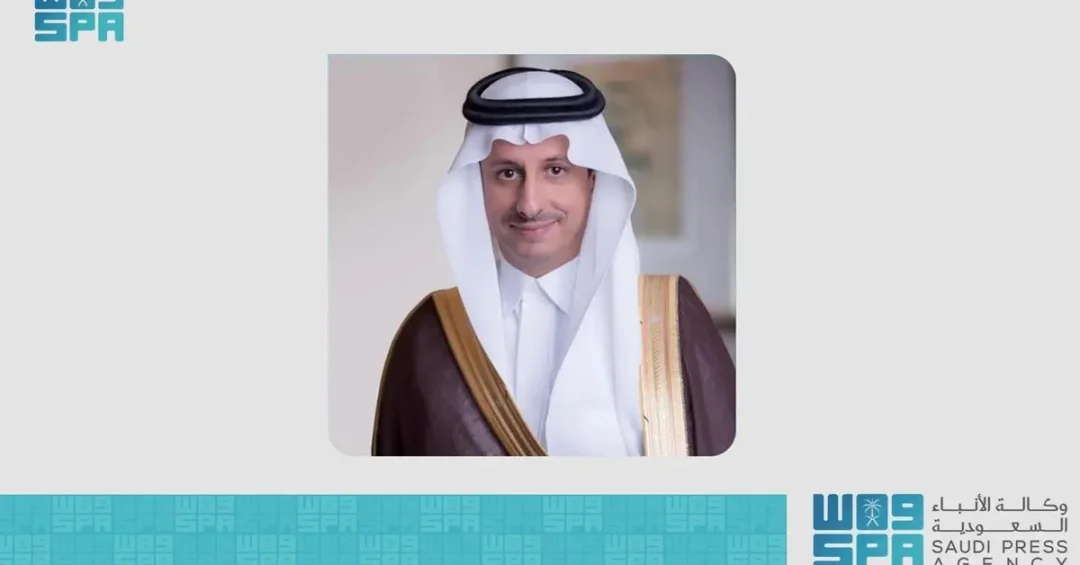
Saudi Arabia’s Minister of Tourism, Ahmed Al Khateeb, has affirmed that the Kingdom’s participation in the World Economic Forum (WEF) Annual Meeting 2025 in Davos, Switzerland, underscores its steadfast commitment to shaping the global dialogue on travel and tourism as key drivers of economic growth and cultural exchange. Speaking to the Saudi Press Agency (SPA) from Davos, the minister said tourism is a central focus at this year’s forum, with Saudi Arabia showcasing its achievements and fostering partnerships to drive the sector’s global growth. The Saudi delegation is using the gathering of world leaders, policymakers, and business executives to present the Kingdom’s rapid tourism transformation under Saudi Vision 2030 and to advocate for the sector’s role in building resilient, diversified economies.
Why does a single ministerial appearance at a Swiss mountain resort matter for travelers, investors, and governments thousands of miles away? The answer lies in the scale of what Saudi Arabia has set out to achieve. With an ambitious goal of welcoming 150 million tourists annually and a plan to double tourism’s contribution to national GDP from 5% to 10% by 2030, the Kingdom is no longer a participant in the global tourism conversation—it is helping to set its agenda. The WEF Annual Meeting 2025, held under the theme of collaboration for the intelligent age, provided a natural platform for that message, and Saudi Arabia’s tourism leadership arrived with concrete results to share rather than aspirational promises alone.
Context and Background
What makes Saudi Arabia’s tourism push different from the many national strategies announced in recent decades? The answer begins with the scale and speed of the transformation. Under Saudi Vision 2030, launched in 2016 by Crown Prince Mohammed bin Salman, tourism was identified as a strategic pillar of economic diversification, designed to reduce reliance on hydrocarbons and create opportunities for Saudi citizens. The National Transformation Program translated that vision into measurable targets, institutional reforms, and investment programs across the Kingdom. The Ministry of Tourism, established in 2020, became the sector’s central regulator and champion, issuing licenses, developing destinations, and marketing Saudi Arabia internationally.
The results have been striking by any international standard. Saudi Arabia has opened its doors to international leisure travelers, introduced electronic visas, expanded air connectivity, and developed a calendar of cultural, sporting, and entertainment events that draw visitors from across the world. The minister noted that tourism currently contributes 5% to Saudi Arabia’s GDP, with projections to double to 10% by 2030. This growth is fueled by strategic investments in groundbreaking projects such as the Red Sea Project, Diriyah, and Qiddiya, alongside numerous private-sector initiatives enhancing tourism across the Kingdom. Al Khateeb stressed that Saudi Arabia is leveraging its natural and cultural assets to establish a global benchmark for tourism-led economic development, a model that other nations are now studying closely.
The WEF Annual Meeting 2025 in Davos brought together heads of state, ministers, central bankers, and chief executives at a moment when the global economy is navigating shifting trade patterns, technological disruption, and the need for new sources of growth. Tourism, which the World Travel & Tourism Council (WTTC) has identified as a major engine of global employment and output, sits at the intersection of several of these debates. Saudi Arabia’s presence at Davos therefore carried a dual purpose: to report on domestic progress and to argue that travel and tourism deserve a central place in international economic policymaking.
Key Details
What exactly did Saudi Arabia bring to the table in Davos? In his remarks to the Saudi Press Agency, Minister Al Khateeb highlighted that tourism is a central focus at this year’s forum, with the Kingdom showcasing its achievements and fostering partnerships to drive the sector’s global growth. He described Saudi Arabia’s participation as an opportunity to amplify its achievements through collaboration with global leaders, strengthen public-private partnerships, and reinforce its role as a hub for international cooperation. The message was consistent with the Kingdom’s broader approach to multilateral engagement: bring data, build coalitions, and convert dialogue into investment.
The minister also placed Saudi Arabia’s ambitions in a global context, citing the 2023 Economic Impact Report (EIR) by the WTTC, which revealed that the global travel and tourism sector contributed 9.1% to global GDP—a 23.2% increase from the previous year. That figure underscores how quickly the sector has rebounded and expanded, and it supports Saudi Arabia’s argument that tourism is not a niche industry but a core component of national economic strategy. For a global audience, the implication is clear: countries that invest in tourism infrastructure, human capital, and destination management are positioning themselves for long-term growth.
Beyond the headline numbers, Saudi Arabia’s tourism strategy rests on a diversified portfolio of destinations. The Red Sea Project is developing luxury regenerative tourism along the Kingdom’s western coast, with a commitment to environmental stewardship. Diriyah, the birthplace of the Saudi state, is being transformed into a cultural and heritage destination that celebrates the nation’s history while offering world-class hospitality. Qiddiya is emerging as a capital of entertainment, sports, and culture near Riyadh. Together with projects in AlUla, NEOM, and the Asir region, these initiatives reflect a deliberate effort to offer international visitors a range of experiences—from heritage and adventure to luxury and entertainment—that few countries can match.
Equally important is the human dimension. The growth of tourism is creating jobs for Saudi citizens, supporting small and medium-sized enterprises, and encouraging entrepreneurship in hospitality, guiding, events, and related services. The Ministry of Tourism has set targets for workforce development, including training programs and partnerships with international hospitality schools. For international observers, this focus on people, not just buildings, is a signal that Saudi Arabia intends its tourism sector to be sustainable and inclusive, generating opportunities across regions and communities.
International and Regional Impact
How does Saudi Arabia’s tourism expansion affect its neighbors and the wider region? The Kingdom’s rise as a destination is part of a broader regional trend in which Gulf states are investing heavily in tourism as a pillar of economic diversification. Saudi Arabia’s scale—its population, landmass, and investment capacity—means its choices influence the entire Middle East and North Africa region. By developing new destinations and increasing air connectivity, the Kingdom is helping to expand the region’s share of global travel and creating opportunities for regional airlines, hotel groups, and tour operators.
At the same time, Saudi Arabia’s participation in Davos signals a willingness to cooperate rather than compete on the global stage. The minister’s emphasis on public-private partnerships reflects a recognition that no single country can meet the demands of modern travelers alone. International hotel brands, airlines, technology providers, and event organizers are already deeply involved in Saudi projects, and the Kingdom’s presence at the WEF is designed to deepen those relationships. For international readers, this means more direct flights, more familiar hotel brands, and more curated experiences in a country that was largely closed to leisure tourism just a few years ago.
Regionally, Saudi Arabia’s tourism growth also supports stability and prosperity by creating economic opportunities for young people. With a large youth population, the Kingdom views tourism as a way to generate meaningful employment and to showcase Saudi culture to the world. The minister’s remarks in Davos emphasized cultural exchange as a core benefit of tourism, a theme that resonates with international audiences who are increasingly interested in authentic travel experiences. By presenting itself as a welcoming destination, Saudi Arabia is also helping to reshape perceptions of the region as a whole.
Economic and Strategic Significance
Why should global investors pay attention to Saudi Arabia’s tourism targets? The numbers tell a compelling story. Doubling tourism’s contribution to GDP from 5% to 10% by 2030 implies tens of billions of dollars in additional economic activity, spanning construction, hospitality, retail, aviation, and entertainment. The Kingdom’s Public Investment Fund (PIF) is a major investor in several flagship tourism projects, and private-sector participation is being encouraged through incentives, streamlined regulation, and long-term partnerships. For international companies, this represents a significant market opportunity in a sector that is still in its early stages of growth.
The strategic significance extends beyond economics. Tourism is a vehicle for cultural diplomacy, allowing Saudi Arabia to share its heritage, traditions, and modern achievements with visitors from around the world. The minister’s reference to cultural exchange in Davos reflects a broader understanding that tourism builds bridges between societies. As the Kingdom prepares to host major international events, including Expo 2030 in Riyadh and the 2034 FIFA World Cup, the tourism sector will be central to delivering a warm, well-organized, and memorable experience for millions of visitors.
Moreover, Saudi Arabia’s tourism strategy is closely tied to sustainability and innovation. The Red Sea Project is designed as a regenerative tourism destination, with renewable energy, conservation programs, and a commitment to protecting marine ecosystems. NEOM is being developed as a hub for smart technologies and sustainable living. These projects position Saudi Arabia as a laboratory for the tourism models of the future, where economic growth and environmental responsibility are pursued together. For a global audience concerned about climate change and responsible travel, this is a message worth noting.
Vision 2030 Alignment
How does the Davos appearance connect to the broader goals of Saudi Vision 2030? Tourism is one of the vision’s key diversification pillars, and the Kingdom’s participation in the WEF Annual Meeting 2025 demonstrates how Saudi Arabia is translating national strategy into international engagement. By presenting its achievements and forging partnerships, the Kingdom is advancing the vision’s objectives of a diversified economy, a vibrant society, and an ambitious nation. The target of 150 million annual visitors and the goal of raising tourism’s GDP contribution to 10% are not isolated metrics; they are part of a comprehensive plan to transform the Kingdom’s economic base and create opportunities for its people.
As the global tourism sector continues to recover and evolve, Saudi Arabia’s role will only grow. The Kingdom is investing in the infrastructure, skills, and partnerships needed to compete at the highest level, and its leaders are using platforms like Davos to build the coalitions that will sustain that growth. For international readers, the message from the WEF Annual Meeting 2025 is clear: Saudi Arabia is open for business, open to the world, and committed to shaping a future in which travel and tourism drive prosperity and understanding across borders. The journey is well underway, and the world is watching.
20 Questions
Q1. What did Saudi Arabia’s Minister of Tourism say about the Kingdom’s participation in the WEF Annual Meeting 2025?
A1. Minister Ahmed Al Khateeb said Saudi Arabia’s participation underscores its commitment to shaping the global dialogue on travel and tourism as key drivers of economic growth and cultural exchange, and that tourism is a central focus at this year’s forum.
Q2. Where was the WEF Annual Meeting 2025 held?
A2. The WEF Annual Meeting 2025 was held in Davos, Switzerland, bringing together global leaders, policymakers, and business executives to discuss major economic and social issues, including the future of travel and tourism.
Q3. What is Saudi Arabia’s target for annual tourist numbers?
A3. Saudi Arabia aims to welcome 150 million tourists annually, an ambitious goal set under Saudi Vision 2030 that positions the Kingdom as a leading global destination and reflects its rapid tourism expansion.
Q4. What percentage of Saudi Arabia’s GDP does tourism currently contribute?
A4. Tourism currently contributes 5% to Saudi Arabia’s GDP, according to Minister Al Khateeb. The Kingdom projects this will double to 10% by 2030 as investments and visitor numbers grow.
Q5. Which major projects are fueling Saudi Arabia’s tourism growth?
A5. Key projects include the Red Sea Project, Diriyah, and Qiddiya, alongside numerous private-sector initiatives. These developments span luxury, heritage, and entertainment tourism, enhancing the Kingdom’s overall offering to international and domestic visitors.
Q6. What did the WTTC 2023 Economic Impact Report reveal about global tourism?
A6. The report showed that the global travel and tourism sector contributed 9.1% to global GDP, a 23.2% increase from the previous year, highlighting the sector’s vital role in the world economy.
Q7. How is Saudi Arabia using the Davos platform?
A7. Saudi Arabia is using Davos to showcase its tourism achievements, foster partnerships with global leaders, strengthen public-private partnerships, and reinforce its role as a hub for international cooperation in tourism and economic development.
Q8. What is the National Transformation Program’s role in tourism?
A8. The National Transformation Program translates Vision 2030 goals into actionable targets and reforms. It supports tourism growth through investment, regulation, and infrastructure, helping the Kingdom diversify its economy and create jobs.
Q9. Why is tourism important to the global economy?
A9. Tourism is a major driver of employment, investment, and cultural exchange. The WTTC report indicates it contributes 9.1% to global GDP, making it a critical sector for economic growth and recovery worldwide.
Q10. How does Saudi Arabia’s tourism push benefit international travelers?
A10. It opens new destinations, increases flight connectivity, and introduces world-class hospitality and cultural experiences. Travelers can explore heritage sites, luxury resorts, and entertainment venues in a country that was largely closed to leisure tourism before.
Q11. What is the Red Sea Project?
A11. The Red Sea Project is a regenerative tourism development along Saudi Arabia’s western coast, featuring luxury resorts, environmental conservation, and renewable energy. It aims to set a global benchmark for sustainable tourism.
Q12. What is Diriyah’s significance in Saudi tourism?
A12. Diriyah, the birthplace of the Saudi state, is being transformed into a cultural and heritage destination. It celebrates the Kingdom’s history and offers world-class hospitality, museums, and events, attracting visitors interested in Saudi culture.
Q13. What role does Qiddiya play in Saudi Arabia’s tourism strategy?
A13. Qiddiya is emerging as a capital of entertainment, sports, and culture near Riyadh. It complements heritage and luxury offerings, providing diverse experiences that appeal to families, young people, and international visitors.
Q14. How does tourism support Saudi Arabia’s economic diversification?
A14. Tourism reduces reliance on oil by generating revenue from hospitality, aviation, retail, and entertainment. It creates jobs for Saudi citizens and attracts foreign investment, aligning with Vision 2030’s goal of a diversified economy.
Q15. What is the Public Investment Fund’s role in tourism?
A15. The Public Investment Fund (PIF) invests in flagship tourism projects, providing capital and strategic direction. Its involvement attracts private-sector partners and helps develop destinations that meet international standards.
Q16. How does Saudi Arabia promote cultural exchange through tourism?
A16. By welcoming visitors from around the world, Saudi Arabia shares its heritage, traditions, and modern achievements. Cultural exchange fosters mutual understanding and helps reshape global perceptions of the Kingdom.
Q17. What major events will Saudi Arabia host that boost tourism?
A17. Saudi Arabia will host Expo 2030 in Riyadh and the 2034 FIFA World Cup. These events will draw millions of visitors, showcase the Kingdom’s capabilities, and accelerate tourism infrastructure development.
Q18. How is sustainability addressed in Saudi tourism projects?
A18. Projects like the Red Sea and NEOM prioritize renewable energy, conservation, and smart technologies. They aim to balance economic growth with environmental responsibility, setting new standards for sustainable tourism.
Q19. What does Saudi Arabia’s tourism growth mean for the region?
A19. It expands the Middle East’s share of global travel, creates opportunities for regional airlines and hotels, and promotes stability by generating jobs. Saudi Arabia’s scale makes it a key driver of regional tourism growth.
Q20. How does the Davos appearance align with Vision 2030?
A20. It demonstrates Saudi Arabia’s commitment to international engagement and economic diversification. By forging partnerships and showcasing achievements, the Kingdom advances Vision 2030’s goals of a vibrant society and a prosperous economy.
Reader Feedback
We value your thoughts. Please share your feedback on this article.
Your feedback helps us improve our coverage.
Related articles
 Saudi Tourism Minister Highlights Sector’s Role at WEF 2025
 Al Urumah Season Draws Large Turnout for Ecotourism
 Diriyah Season Launches New ‘850 Interactive Experiences’
 Rural Charm in Rafha: A Tranquil Escape for Nature Lovers
 Shouran Pathways Project Enhances Quality of Life in Madinah
 Third Batch of Guests of the Custodian of the Two Holy Mosques Program Arrives in Madinah